
教育公平

Search documents
明码标价拿国奖,让“公平”二字往哪搁?
Xin Jing Bao· 2025-12-18 14:43
Core Viewpoint - The investigation reveals that national-level university competitions, intended to be fair platforms for talent selection, have been compromised by intermediaries selling awards online, creating a gray profit chain that undermines educational integrity [1][2]. Group 1: Issues Identified - Some intermediaries and students are selling competition awards through "nominal" and "overall project sale" methods, with prices ranging from thousands to tens of thousands of yuan [1]. - The commercialization of awards has led to a complete gray profit chain, which poses a significant threat to educational fairness and academic integrity [1]. - The drive behind these issues includes the competitive nature of graduate school admissions and awards, where national-level awards are seen as valuable "hard currency" [1]. Group 2: Proposed Solutions - Cutting off online transaction channels is essential to curb the spread of these issues, requiring platforms to establish regular inspection and rapid response mechanisms [2]. - Upgrading the competition evaluation mechanism is crucial, advocating for a composite evaluation system that includes multiple rounds of blind review, on-site defense, and long-term public disclosure [2]. - Universities must enforce strict audits and penalties for students involved in award trading, holding both students and faculty accountable [2]. Group 3: Conclusion - To restore the integrity of competitions, it is imperative to decisively sever the underlying gray profit chain, ensuring that every effort is treated fairly and justly [3].
东西问|马来西亚学者刘慧敏:人工智能如何让教育更普惠?
Zhong Guo Xin Wen Wang· 2025-12-14 05:29
Core Insights - The interview with Liu Huimin emphasizes the role of artificial intelligence (AI) in promoting equitable and personalized education, highlighting China's advantages in AI implementation and data resources for collaboration with ASEAN countries [1][10]. Group 1: AI in Education - AI technology is facilitating a more inclusive and equitable future in education through precise assessments and personalized support [1][6]. - AI can objectively and systematically identify children's learning disabilities or developmental delays, which were previously reliant on subjective observations by teachers or parents [2][6]. - The "Lemon" system, developed by Liu's company, is a digital assessment tool that helps monitor children's development across eight learning indicators, providing timely feedback for improvement [7][10]. Group 2: Impact of AI on Educational Resources - AI democratizes access to high-quality educational content and assessment tools, making them available at more affordable prices and reducing educational inequality caused by geographic and economic factors [6][10]. - The integration of AI allows educators to focus more on emotional development and critical thinking skills rather than rote memorization and repetitive tasks [6][10]. Group 3: Future of AI in Education - The future of education should emphasize interdisciplinary and blended learning models, such as STEAM, to foster creativity and problem-solving skills in children [6][10]. - AI is seen as a supportive tool that enhances the efficiency of education rather than replacing the essential human interaction between teachers and students [12][10]. - There is a call for more collaboration between Chinese scholars and technology professionals to develop additional educational products that leverage AI for special education and early childhood development [10][12].

服务现代化人民城市建设 办好人民满意的教育 成都:奋力谱写教育强市建设新篇章
Si Chuan Ri Bao· 2025-12-12 07:29
Core Viewpoint - Education is a fundamental pillar for national rejuvenation and social progress, and it plays a crucial role in urban development and public welfare. Chengdu, as a major city in China, prioritizes high-quality education development to enhance its urban functions and improve citizens' quality of life [4][10]. Group 1: Education Development and Investment - Chengdu has established a comprehensive education system with 4,192 schools and 4.1647 million students, supported by over 268,800 teachers [4]. - During the "14th Five-Year Plan" period, Chengdu has built 539 new basic education schools, adding 506,000 new student places to alleviate the pressure of student enrollment [5]. - The city has achieved over 85% coverage of quality preschool education resources and increased the number of quality schools at the compulsory education level by 16% compared to the end of the "13th Five-Year Plan" [5]. Group 2: Equity and Accessibility in Education - Chengdu has implemented policies to ensure that children of migrant workers can enroll in schools without barriers, successfully enrolling 2,294 such children since April [6]. - The city has established six regional education alliances and 114 school communities to promote balanced educational development between urban and rural areas [6]. - The student assistance program covers all economically disadvantaged students across various educational stages, benefiting over 600,000 students annually [6]. Group 3: Higher Education and Talent Development - Chengdu has focused on enhancing higher education quality, supporting the establishment of over 20 master's programs and improving the ranking of several disciplines [7]. - The city has implemented a "teacher professional development project" to cultivate 200 outstanding teachers and create high-level teaching innovation teams [7][8]. - Chengdu is promoting industry-education integration by establishing partnerships between vocational colleges and local industries, resulting in over 30,000 vocational training sessions conducted for companies [8]. Group 4: Educational Reform and Innovation - Chengdu has introduced significant reforms, such as allowing children to enroll in preschool immediately upon turning three, and piloting a 12-year continuous education model [11][10]. - The city has developed a comprehensive quality evaluation system for students, focusing on practical, learning, and emotional abilities for elementary students [11]. - Chengdu has created a "city resource empowerment education development plan," integrating local cultural and technological resources into educational practices [12]. Group 5: Future Outlook - Looking ahead to the "15th Five-Year Plan," Chengdu aims to strengthen the political, public, and strategic attributes of education, fostering a high-quality educational system to cultivate well-rounded socialist builders and successors [13].

成都:奋力谱写教育强市建设新篇章
Si Chuan Ri Bao· 2025-12-11 21:00
Core Viewpoint - Education is a crucial foundation for national rejuvenation and social progress, with Chengdu prioritizing high-quality education development to enhance urban vitality and happiness [1][3]. Group 1: Education Infrastructure and Development - Chengdu has a comprehensive education system with 4,192 schools and 4.1647 million students, supported by over 268,800 teachers [1]. - During the "14th Five-Year Plan" period, Chengdu has built 539 new basic education schools, adding 506,000 new student places to alleviate enrollment pressure [3]. - The city has improved the quality of education, with over 85% coverage of quality preschool education resources and an increase in quality schools at various education levels [3][4]. Group 2: Equity in Education - Chengdu has implemented policies to ensure educational equity, including local enrollment for migrant children, benefiting 2,294 students with zero-threshold admission [4]. - The city has established educational alliances and shared resources to promote balanced development between urban and rural education, impacting 780 primary and secondary schools [4]. Group 3: Higher Education and Talent Development - Chengdu is enhancing higher education quality, supporting the establishment of over 20 master's programs and improving the ranking of several disciplines [5]. - The city has initiated partnerships between universities and industries, appointing university professors as "technology vice presidents" in companies to drive innovation [5][6]. Group 4: Educational Reform and Innovation - Chengdu has introduced significant reforms, such as immediate enrollment for children aged three and a 12-year continuous education model, impacting over 2,060 children [8][9]. - The city has developed a comprehensive evaluation system focusing on key competencies for students, leading to the cancellation of restrictive admission lines in middle school entrance exams [9][10]. Group 5: Teacher Development and Resource Utilization - Chengdu has implemented a dynamic adjustment mechanism for teacher recruitment, attracting over 5,000 graduates from top universities and establishing a teacher-sharing center [10]. - The city has created "urban classrooms" utilizing local cultural and scientific resources for educational purposes, benefiting over 43,000 students [10]. Group 6: Future Outlook - Looking ahead to the "15th Five-Year Plan," Chengdu aims to strengthen the political, social, and strategic aspects of education, focusing on building a high-quality education system [11].
AI点亮五育 屏幕重塑课堂 南沙教育的“数字革命”在发生
Nan Fang Du Shi Bao· 2025-12-10 05:04
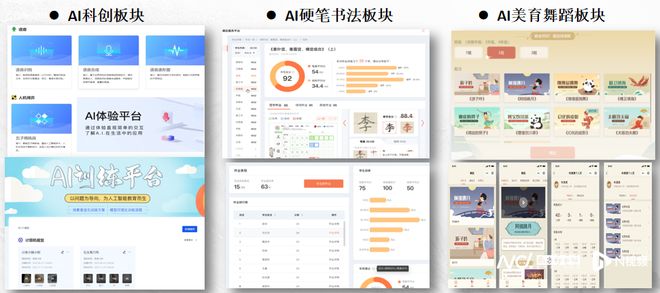
Core Insights - The integration of AI in education is transforming learning experiences in Nansha, Guangzhou, with real-time feedback and data tracking for students, teachers, and parents [1][2][19]. Group 1: Infrastructure and Implementation - Nansha has established over 200 smart classrooms, benefiting nearly 10,000 students, with teachers conducting over 330,000 lessons and students completing 13.5 million digital exercises [2]. - The Nansha Education Cloud platform serves as a digital hub, aggregating teaching resources from 95% of schools, with 8,551 teachers uploading over 760,000 cloud courseware accessed over 920,000 times nationwide [4]. Group 2: Educational Practices - Nansha's approach to integrating AI into education emphasizes a "three-movement, three-line" strategy, enhancing moral education through a "moral points system" that tracks over 8,000 data points per student [7]. - The "problem-oriented smart teaching model" at Nansha No. 1 High School promotes collaborative learning and personalized feedback, improving teaching efficiency and fostering independent learning [7]. - AI technology in physical education allows for real-time monitoring of student heart rates and personalized training plans, enhancing the scientific approach to physical fitness [9]. - In arts education, AI-driven calligraphy classes provide instant feedback on students' writing accuracy, merging traditional art with modern technology [11]. Group 3: Teacher Empowerment and Evaluation - Teachers in Nansha are evolving from knowledge transmitters to learning architects, requiring new skills in AI tool operation, teaching design, data analysis, and digital ethics [17]. - The evaluation system has shifted from traditional grading to a "growth navigation" model, where daily performance is visualized across multiple dimensions, allowing for personalized development suggestions [18]. Group 4: Promoting Educational Equity - Nansha's smart education practices aim to bridge the gap between urban and rural education, utilizing dual-teacher classrooms and AI resources to ensure equitable access to quality education [19]. - The initiative emphasizes that technology should enhance, not replace, the role of teachers, aiming for a new educational ecosystem where learning is accessible anytime and anywhere [19][20].
从补短板到提内涵 县域教育迈向高质量发展深水区
2 1 Shi Ji Jing Ji Bao Dao· 2025-12-06 13:59
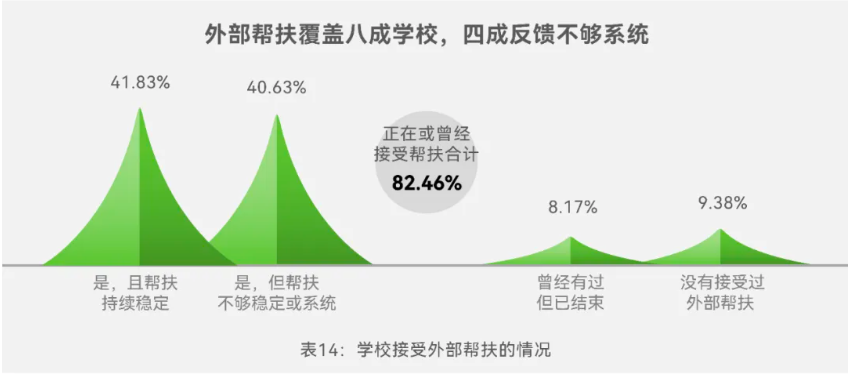
Core Insights - The core viewpoint of the articles emphasizes the transition of county education in China from "resource balance" to "quality leap," highlighting the need for comprehensive development and personalized support for students [1][2]. Group 1: Policy and Development - The "14th Five-Year Plan" marks a significant period for strengthening county education, with unprecedented policy and financial resources allocated for development [2]. - Initial policies focused on "supporting the weak" and "ensuring basics," which successfully addressed survival issues, while the focus is now shifting towards "promoting reform" and "activating vitality" [2][3]. - The introduction of various support mechanisms, such as "team-based assistance" and partnerships with prestigious schools, aims to inject quality educational resources into counties [3]. Group 2: Educational Quality and Innovation - The concept of "diversified educational quality" is essential for high-quality county education, emphasizing the need for innovative teaching reforms and a new mechanism for resource allocation [2][5]. - Six practical paths for revitalizing county high schools have been proposed, including standardized governance, enhanced funding, and a comprehensive cultivation system [5]. Group 3: Digital Transformation and AI Integration - The "Digital Education" initiative is driving the integration of AI products into county schools, providing new possibilities for addressing resource shortages and promoting educational equity [6]. - Over half of the surveyed county education practitioners reported using AI educational products, with higher usage rates among educators compared to the public [6]. - However, many AI applications remain superficial, failing to deeply integrate into core teaching and evaluation processes, leading to a gap between expectations and actual usage [7][9]. Group 4: Challenges and Recommendations - Key challenges for AI integration in county education include the need for practical training for educators, the necessity for products to be tailored to local educational contexts, and the importance of supporting integrated teaching and evaluation practices [9][10]. - A gradual approach to digital empowerment is recommended, focusing on changing mindsets, improving infrastructure, and ensuring deep integration of digital tools into teaching scenarios [10].
解锁银川幸福密码:让民生温暖直达人心
Zhong Guo Xin Wen Wang· 2025-12-03 01:01
Group 1 - The core viewpoint of the article highlights the significant improvements in the quality of life in Yinchuan, with a focus on community services and facilities that enhance the well-being of residents [1][5] - Over the past five years, Yinchuan has allocated over 70% of its fiscal funds to the improvement of people's livelihoods, addressing key concerns such as employment, education, healthcare, and elderly care [2][5] - The city has implemented 109 new and expanded projects for primary and secondary schools and kindergartens, adding 88,000 new student places, which alleviates the "enrollment anxiety" faced by families [2][3] Group 2 - Yinchuan has achieved full coverage of five-level remote outpatient services and three major remote diagnosis centers, enhancing the convenience of medical services for residents [3] - The average disposable income for urban and rural residents in Yinchuan has reached 49,164 yuan and 22,299 yuan respectively, with annual growth rates of 5.7% and 7.9%, consistently outpacing economic growth [3] - The city has established 814 elderly care facilities and 98 senior universities, making elderly care and leisure activities more accessible [3][5]
英国高校涨学费“追通胀”惹争议
Xin Hua She· 2025-11-29 04:42
英国政府近日宣布,将永久性地把英格兰地区本科生学费与通胀挂钩,并拟对国际留学生学费征收6% 的附加费,用于资助本国学生。这是十多年来英国首次对高等教育经费体系进行重大调整,引发不小争 议。业内人士认为,将学费与通胀挂钩虽有助于缓解成本压力,但无法解决英国高校"钱荒"背后的财政 结构性问题。 (文章来源:新华社) 根据英国教育部日前发布的《16岁以上教育与技能白皮书》,英格兰地区本科学费上限将在未来两年内 随通胀自动上调,此后将通过立法实现长期联动。预计学生学费每年平均将上涨数百英镑。 英国政府同时强调,只有教学质量达标的大学才有资格提高学费。教育大臣布丽奇特·菲利普森在议会 表示,此举旨在"确保学费物有所值,提升教学质量,并更好地服务英国经济发展所需的技能需求"。 英国高校界有观点认为,这项调整具有合理性。英国高校联盟首席执行官薇薇恩·斯特恩表示,学费与 通胀挂钩"有助于阻止高校财政状况进一步恶化"。她说,十年来大学运营逐渐陷入困境,"如果英国希 望重振经济和创新能力,大学体系必须先站稳脚跟"。伦敦威斯敏斯特大学经济学教授弗朗茨·布沙认 为,调整学费是为了"让体系得以维持运转"。 英国高校联盟的分析显示,即使 ...
这届年轻人,不想站上讲台了
虎嗅APP· 2025-11-28 13:42
Core Viewpoint - The global education system is facing a structural crisis due to a significant shortage of qualified teachers, which is not just a matter of quantity but also of quality and distribution [5][10]. Group 1: Global Teacher Shortage - The average turnover rate of fully qualified teachers across 19 countries is 6.5%, with some countries exceeding 10% [5][7]. - In countries like Denmark, Estonia, and Lithuania, teacher turnover rates exceed 10%, with 51% of resignations being voluntary, indicating a decline in the profession's attractiveness [7][11]. - The proportion of unqualified teachers is rising, with Sweden reporting 16.3% in primary and 21.6% in secondary education [7][8]. Group 2: Structural Issues - The teacher shortage is characterized by a mismatch in qualifications, with many newly hired teachers leaving within five years due to inadequate support [7][10]. - Countries like Austria, Israel, and Poland have over 30% of resignations coming from teachers with less than five years of experience, highlighting a lack of effective retention mechanisms [7][11]. - The issue is exacerbated in remote areas and special education, leading to unequal educational opportunities and varying teaching quality [8][12]. Group 3: China's Teacher Landscape - While China has a sufficient number of teachers, it faces structural challenges, particularly in rural areas and vocational education [13][14]. - The average age of teachers in some western regions exceeds 45, leading to difficulties in offering specialized courses [14]. - New teachers often lack job security and support, resulting in a trend where young teachers leave the profession shortly after entering [14][15]. Group 4: Recommendations for Improvement - To enhance teacher retention, it is essential to build a system that increases the profession's attractiveness, similar to France's approach of providing job security and clear career paths [17]. - Strengthening initial support for new teachers through mentorship and professional development can significantly improve retention rates [18]. - Optimizing the distribution of teaching resources and addressing regional mismatches can help alleviate structural imbalances in the education system [19]. Conclusion - The structural issues in the teaching profession are critical to the future of education, emphasizing the need for systemic reforms to ensure a stable and qualified teaching workforce [22][23].

既有教无类,也因材施教(微观)
Ren Min Ri Bao· 2025-11-23 22:20
Group 1 - The core idea of the article is the implementation of "sunshine class division" in compulsory education to ensure every child starts on an equal footing, promoting fair distribution of educational resources [1][2][3] - Various regions in China, such as Liaoning, Anhui, and Chongqing, are adopting random grouping mechanisms to achieve equitable class distribution and alleviate parental anxiety regarding class quality [1][2] - The "sunshine class division" approach emphasizes the importance of transparency and public participation in the class assignment process, enhancing trust among parents and reducing educational anxiety [1][2] Group 2 - "Sunshine class division" aims to balance student distribution based on academic performance, gender, and ethnicity, preventing resource concentration in a few classes and avoiding student stratification [2] - Post-division, it is crucial to implement tailored educational strategies to cater to individual student needs, ensuring that all students, regardless of their initial performance, have opportunities for growth [2] - Schools are encouraged to provide diverse support mechanisms, such as after-school tutoring and personalized assistance, to foster an inclusive environment for all students [2] Group 3 - Education is recognized as a vital public good, with educational equity serving as a foundation for social fairness, necessitating strong institutional frameworks and effective policy implementation [3] - Recent reforms focus on enhancing educational quality and accessibility, addressing issues such as the needs of migrant workers' children and the digitalization of education resources [3] - The government aims to provide equitable and high-quality educational services, with significant achievements in free education and high enrollment rates in secondary education, contributing to the overall development of the education sector [3]