
智能化升级

Search documents
2025格栅机行业新趋势:厂家比拼的早已不只是设备
Sou Hu Cai Jing· 2025-12-04 09:17
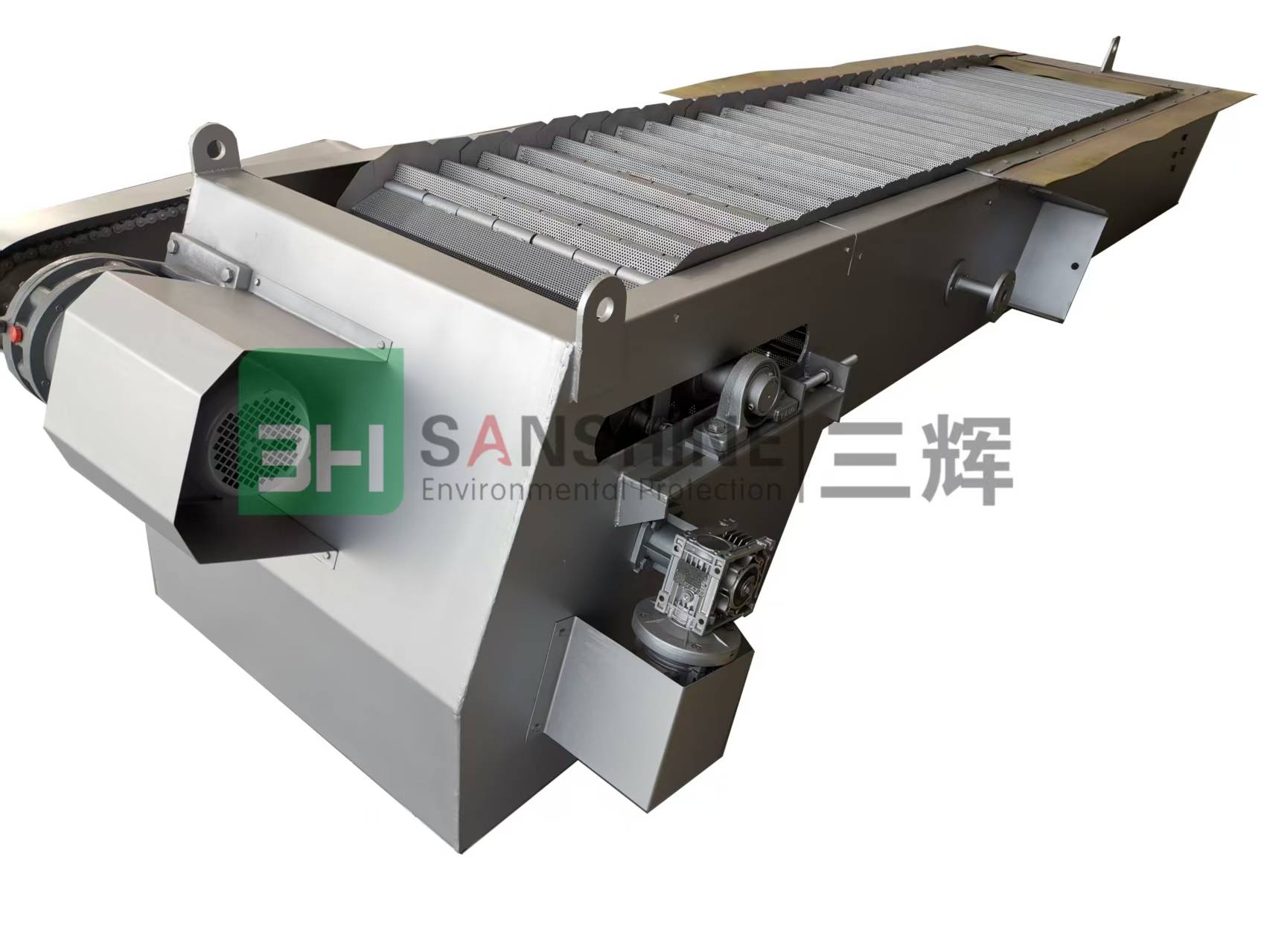
Group 1 - The core viewpoint of the articles highlights the evolving demands in the wastewater treatment industry, particularly for screening machines, which are now required to be efficient, intelligent, and low-energy, pushing manufacturers to transform their offerings by 2025 [1] Group 2 - The first trend is the upgrade to intelligence, shifting from "passive operation" to "active management," with manufacturers integrating smart modules for remote monitoring and automatic alerts, significantly reducing inspection personnel and response times [1] Group 3 - The second trend is the deepening of customization, moving from "adapting to scenarios" to "optimizing experiences," with manufacturers focusing on user-specific operational habits and needs, such as automatic heating for cold regions and fully automated systems for unattended small water plants [2] Group 4 - The third trend is the integration of services, transitioning from "selling equipment" to "comprehensive management," where manufacturers offer long-term maintenance and upgrade services, allowing clients to focus on their core business without worrying about technical staff shortages [2] Group 5 - The fourth trend is green energy efficiency, evolving from "meeting standards" to "proactively reducing consumption," with manufacturers like Wuxi Sanhui reducing energy consumption by 20% and using recyclable materials, resulting in significant cost savings for clients [3]

中国制造“换挡提速”步伐铿锵
Jing Ji Wang· 2025-12-02 03:09
Core Insights - The integration of industrial internet platforms is transforming traditional industries by enhancing efficiency and enabling data-driven decision-making [1][2][3][4] - The "14th Five-Year Plan" emphasizes the importance of advancing the productive service industry through digitalization and intelligent upgrades [1][3] - Companies are leveraging AI and digital tools to streamline processes, reduce production cycles, and improve overall productivity [4][5][6] Group 1: Industrial Internet and Digital Transformation - Industrial internet platforms, such as the one developed by Kaos, are key enablers for the deep integration of modern service industries and advanced manufacturing [3] - The application of AI in traditional sectors, like oil extraction, has led to a 70% increase in equipment diagnostic efficiency and a significant reduction in maintenance cycles [2][4] - The shift from experience-based to data-driven operations is reshaping the roles of workers, turning them into decision-makers rather than mere operators [2][4] Group 2: AI and Production Efficiency - AI applications in the fashion industry, such as Fashion Mind, have drastically reduced design time from one month to mere seconds, enhancing overall workflow efficiency [4][5] - The use of AI in garment design has resulted in a 60% reduction in production costs and a ninefold increase in design efficiency for collaborating brands [5] - The integration of AI and automation in the textile industry is expected to drive a complete overhaul of the production chain, enhancing efficiency from design to manufacturing [5][6] Group 3: Flexible Manufacturing and Supply Chain Solutions - Companies like Yunhan Xincheng are addressing the challenges faced by small and medium-sized manufacturers by providing flexible manufacturing solutions that adapt to small batch orders [6][7] - The implementation of data-driven systems has transformed operations, allowing for proactive resource management and improved delivery times by at least 50% for clients [6][7] - The focus on digital supply chain services and collaborative manufacturing models is set to continue, with companies investing in AI and big data to enhance service capabilities [7]
欣天科技拟定增募资不超2.91亿元 投资华南精密制造基地等项目
Zheng Quan Shi Bao Wang· 2025-12-01 13:55
Core Viewpoint - Xintian Technology plans to raise no more than 291 million yuan through a private placement to invest in its South China precision manufacturing base, R&D center, and to supplement working capital [1][2] Group 1: Investment Projects - The South China precision manufacturing base project has a total investment of 269 million yuan and a construction period of 2 years, aiming to build new factories, warehouses, and office spaces, as well as purchase advanced production and inspection equipment [1] - The R&D center project in South China has a total investment of 41.46 million yuan and a construction period of 3 years, focusing on the research of precision electronic connectors and fluid connection components for data centers [2] Group 2: Operational Needs - The existing capacity at the Shenzhen base is insufficient to meet the order demands from high-quality clients in the new energy, data center, and medical device sectors, necessitating the relocation and expansion of production capacity [2] - The company aims to reduce operational costs, ensure stable production, and optimize capacity layout through the new projects, while also facilitating digital and intelligent upgrades [2] Group 3: Market Context - The company operates primarily in South China, where the demand for precision electronic connectors, liquid cooling connectors, and medical structural components is growing due to the booming downstream sectors [1]

同程旅行河南文旅旗舰馆焕新上线,AI赋能开启“一站式”智慧旅游新体验
Jiang Nan Shi Bao· 2025-12-01 07:30
Group 1 - The core viewpoint of the article highlights the launch of the upgraded "Walking Henan" cultural tourism flagship hall, which integrates AI capabilities to enhance user experience and brand influence in the tourism sector [1][6] - The flagship hall serves as a comprehensive platform for tourism services, offering product inquiries, bookings, travel guides, and information, thus streamlining the entire travel process from planning to sharing [1][6] - The introduction of the AI itinerary planning assistant, DeepTrip, allows users to generate personalized travel plans based on preferences, simplifying the travel planning process significantly [1][3] Group 2 - DeepTrip enhances the practicality and interactivity of online tourism services, enabling users to access AI-driven price comparison features and international services in 17 languages, thereby increasing Henan's appeal in the international tourism market [3][4] - The addition of a "trendy ranking list" section provides systematic consumption references across various categories, reducing decision-making costs for users [3][4] - The flagship hall plans to launch themed tourism products for major holidays and incorporate interactive elements to boost user engagement, transforming traditional tourism marketing from passive promotion to active participation [4][6] Group 3 - The upgrade of the Henan cultural tourism flagship hall exemplifies the trend of leveraging technological innovation to drive high-quality development in the tourism industry [6] - The flagship hall is positioned as a hub for effective brand communication and service conversion, enhancing the visibility and influence of the "Walking Henan" brand [6] - Future plans include continuous optimization and upgrades to serve as a digital bridge connecting global tourists with the unique cultural offerings of Henan [6]

工业酒瓶制造领域标杆企业:深度解析荣县仁新陶瓷的硬实力
Sou Hu Cai Jing· 2025-11-30 11:18
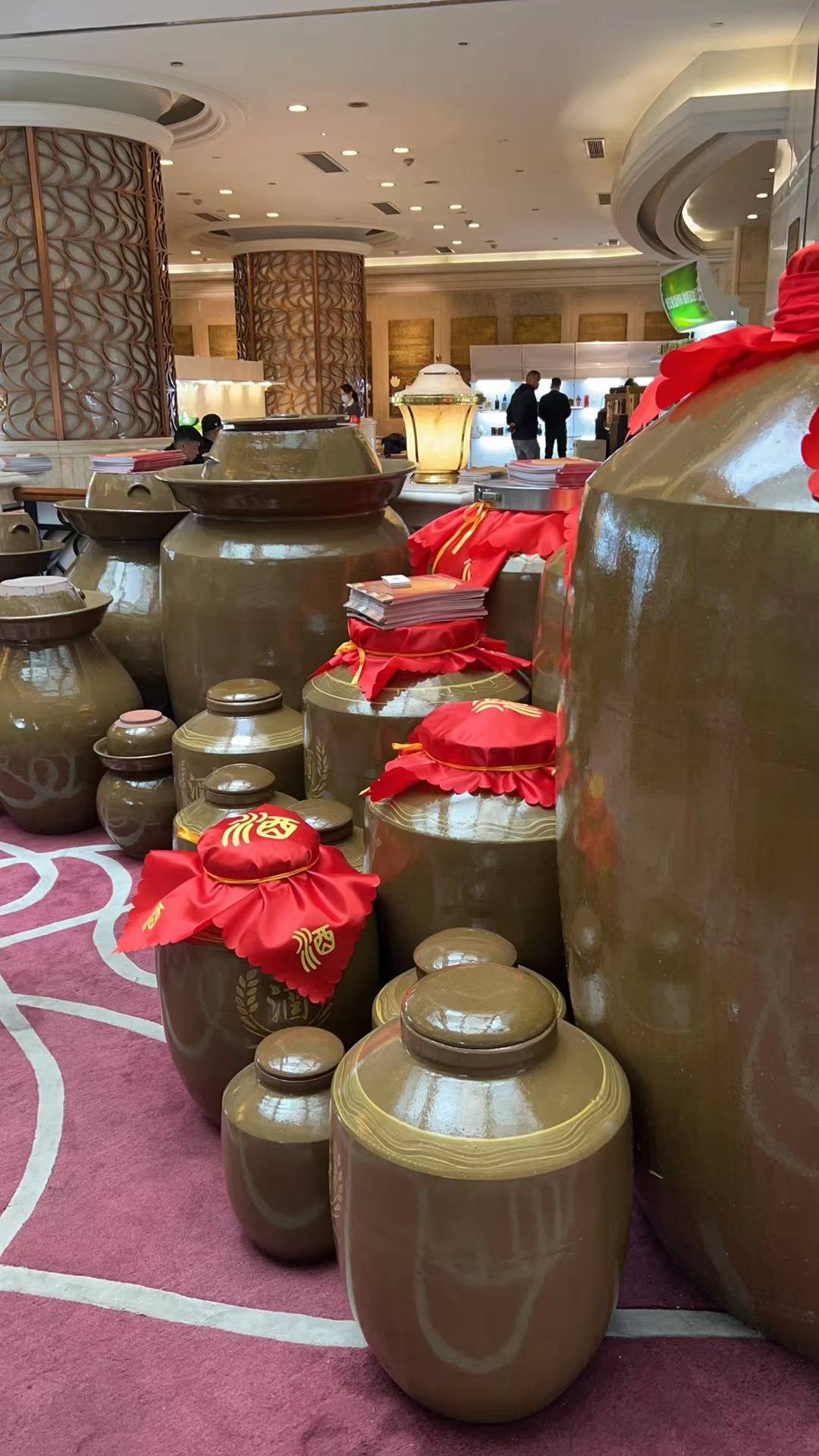
Core Insights - Rongxian Renxin Ceramics Co., Ltd. has established itself as a benchmark enterprise in the industrial wine bottle manufacturing sector, recognized for its large-scale production capabilities, technological innovation, and market reputation [3][4] Company Scale and Production Strength - The company occupies nearly 200 acres, featuring 8 standardized production workshops and over 30 automated forming machines, with a maximum daily production capacity of 3,000 pieces [4] - Annual production includes over 50,000 wine jars and more than 2 million wine bottles, with small-sized bottles (under 50 kg) accounting for 40% of total production [4] - The company has established three exclusive mining areas for raw materials, with an annual extraction volume exceeding 100,000 tons, ensuring high-quality raw materials [4] Core Products and Technical Advantages - The main product lines include: 1. **Wine Jar Series**: Features double-layer glaze technology, improving breathability by 30% compared to ordinary jars, with a 1.2% annual growth rate in ester content for stored liquor [7] 2. **Wine Bottle Series**: Offers solutions from 100ml to 5L, with a thickness error of ±0.3mm and a leakage rate below 0.5% [7] 3. **Fermentation Tank Series**: Designed for sauce-flavored liquor, enhancing yield by 5%-8% for clients like Gujing Gongjiu [7] 4. **Pickle Jar Series**: Uses food-grade glaze with low lead and cadmium leaching, achieving 15% export to Southeast Asia [7] - The company has a research team comprising 15% of its workforce and has established partnerships with Jingdezhen Ceramic University, holding 12 utility model patents [7] Market Recognition and Industry Position - The company has maintained partnerships with major liquor enterprises for over 5 years, with significant orders such as 2,000 wine jars for Luzhou Laojiao [8] - It holds a 35% market share in the Southwest region and has seen a 20% annual growth in overseas sales [8] - A robust after-sales service system ensures a 99.2% customer satisfaction rate, with a commitment to a 3-year product warranty [8] Development Vision and Industry Impact - The company plans to invest 50 million yuan in smart production lines, aiming to enhance production efficiency by 60% and reduce energy consumption by 25% [10] - It is also developing biodegradable eco-friendly glazes to minimize carbon emissions during production, promoting a green transition in the industry [10] - As a representative enterprise in the western ceramic industry, the company exemplifies a scalable, standardized, and innovative development path for traditional manufacturing [10]
中国银河证券:双轮驱动下的行业变革 2026年Robotaxi迈入规模化商用拐点
Zhi Tong Cai Jing· 2025-11-28 06:49
Core Viewpoint - The report from China Galaxy Securities indicates that by 2026, the Robotaxi sector is expected to reach a commercialization turning point driven by policy support, technological advancements, and cost reductions [1][4]. Group 1: 2025 Overview - The Chinese automotive industry in 2025 is characterized by stable volume and gradual price increases, driven by both domestic demand recovery and the dual engines of exports and new energy vehicles [2]. - The wholesale and retail sectors are projected to grow year-on-year, with an increasing penetration rate of new energy vehicles, while exports continue to contribute positively despite external challenges [2]. - The ongoing price war is expected to further pressure industry profitability, leading to a situation where revenue growth outpaces profit growth [2]. Group 2: 2026 Outlook - The exemption of the purchase tax for new energy vehicles will continue until the end of 2025, with a planned reduction to half in 2026-2027, which may significantly impact sales, especially for vehicles priced below 300,000 yuan [3]. - Companies like Hongmeng Zhixing, Leap Motor, Geely, and JAC are entering a period of intensive new product launches, which may help them increase sales and market share due to their technological advantages and diverse product offerings [3]. - Major automakers are expected to scale up new electric models based on validated platforms, while L3-level intelligent driving technology is anticipated to become a key driver for new model launches in 2026 [3]. Group 3: Emerging Businesses - The Robotaxi sector is benefiting from policy support, technological progress, and cost reductions, leading to a commercial breakthrough, with major manufacturers and tech giants expanding their operations both domestically and internationally [4]. - Low-speed unmanned logistics vehicles and mining trucks are gradually moving towards scale due to policy support and economic advantages [4]. - The integration of the intelligent automotive supply chain with the robotics industry is expected to create multiple advantages, including technological migration, precision manufacturing capabilities, and supply chain resource consolidation [4]. Group 4: Investment Recommendations - The report recommends focusing on leading passenger vehicle companies in a strong new car cycle, as well as the intelligent and humanoid robotics sectors, highlighting Geely and Great Wall Motors as key players in the passenger vehicle segment [4]. - In the intelligent sector, companies such as Suyuan Juchuang, Desay SV, Bertley, Kobot, and Jingwei Hengrun are recommended, with Horizon Robotics identified as a beneficiary [4]. - For the humanoid robotics sector, Top Group is recommended, along with beneficiaries like Aikedi, Junsheng Electronics, Zhongding Holdings, and Anpeilong [4].

中国银河证券:双轮驱动下的行业变革 2026年Robotaxi迈入规模化商用拐点 @李程
Zhi Tong Cai Jing· 2025-11-28 05:41
Core Insights - The report from China Galaxy Securities highlights that by 2026, the Robotaxi sector is expected to reach a commercialization turning point driven by policy support, technological advancements, and cost reductions [1][3] - The automotive industry in China is projected to experience stable volume and gradual price increases in 2025, with a dual drive from exports and new energy vehicles [1][2] Group 1: 2025 Overview - In 2025, the Chinese automotive industry is expected to achieve a pattern of "stable volume and gradual price increase," supported by the effective recovery of domestic demand due to vehicle replacement policies [1] - Both wholesale and retail sales are anticipated to grow year-on-year, with an increasing penetration rate of new energy vehicles [1] - The industry is facing continued price wars, leading to further pressure on profitability, with revenue growth outpacing profit growth [1] Group 2: 2026 Outlook - The exemption of the new energy vehicle purchase tax is expected to continue until the end of 2025, with a reduction to half in 2026-2027, potentially impacting sales significantly, especially for vehicles priced below 300,000 yuan [2] - Major automakers like Hongmeng Zhixing, Leap Motor, Geely, and JAC are entering a period of intensive new product launches, which may enhance their sales and market share [2] - The mainstream automakers' pure electric platforms are expected to be validated by 2025, with new models being launched at scale in 2026 [2] - The rollout of L3-level intelligent driving technology is imminent, becoming a key driver for new model launches in 2026 [2] Group 3: Emerging Business Opportunities - The Robotaxi sector is benefiting from policy support, technological progress, and cost reductions, leading to a commercial breakthrough, with major manufacturers and tech giants expanding their operations [3] - Low-speed unmanned logistics vehicles and mining trucks are moving towards scale due to policy support and economic advantages [3] - The integration of the intelligent automotive supply chain with the robotics industry is creating multiple advantages, including technological migration and resource consolidation [3] Group 4: Investment Recommendations - The report recommends focusing on leading passenger vehicle manufacturers, the intelligent industry chain, and humanoid robotics industry, highlighting companies like Geely and Great Wall Motors as key players [3] - Beneficiary stocks include JAC Motors and Leap Motor in the passenger vehicle sector, and companies like SUTENG and Desay SV in the intelligent sector [3] - In the humanoid robotics sector, companies such as Top Group and Aikodi are identified as beneficiaries [3]



中国银河证券:双轮驱动下的行业变革 2026年Robotaxi迈入规模化商用拐点 @李程
智通财经网· 2025-11-28 05:36
Core Viewpoint - The report from China Galaxy Securities indicates that by 2026, the Robotaxi sector is expected to reach a commercialization turning point driven by policy support, technological advancements, and cost reductions [1][4] Group 1: 2025 Overview - In 2025, the Chinese automotive industry is projected to achieve a stable volume and gradual price increase, driven by both domestic demand recovery and the dual engines of exports and new energy vehicles [2] - The wholesale and retail sectors are expected to see year-on-year growth, with an increasing penetration rate of new energy vehicles [2] - The ongoing price war is likely to further pressure industry profitability, leading to a scenario where revenue growth outpaces profit growth [2] Group 2: 2026 Outlook - The exemption of the purchase tax for new energy vehicles will continue until the end of 2025, with a planned reduction to half in 2026-2027, which may significantly impact sales, especially for products priced below 300,000 yuan [3] - Companies like Hongmeng Zhixing, Leap Motor, Geely, and JAC are expected to enter a period of intensive new product launches, potentially increasing their sales and market share due to their technological advantages and diverse product offerings [3] - Major automakers are anticipated to scale up new models based on validated pure electric platforms by 2026, while L3-level intelligent driving technology is nearing implementation, becoming a key driver for new model launches [3] - Global expansion efforts by companies like BYD are set to materialize with new factories in Hungary, Thailand, and Brazil, leading to increased overseas production capacity in 2026 [3] Group 3: Emerging Business Opportunities - The Robotaxi sector is benefiting from a combination of policy support, technological progress, and cost reductions, leading to a commercial breakthrough, with major manufacturers and tech giants developing this business both domestically and internationally [4] - Low-speed unmanned logistics vehicles and mining trucks are gradually moving towards scale due to policy support and economic advantages [4] - The integration of the intelligent automotive supply chain with the robotics industry is expected to create multiple advantages, including technological migration, precision manufacturing capability reuse, and supply chain resource integration [4] - Investment recommendations include leading passenger vehicle manufacturers in a strong new car cycle, as well as companies in the intelligent and humanoid robotics sectors, with specific mentions of Geely, Great Wall Motors, and others [4]
行业聚焦:全球自给式真空装载机行业头部企业市场份额及排名情况(附厂商名单)
QYResearch· 2025-11-27 02:08
Industry Chain Analysis - The self-contained vacuum loader integrates vacuum suction and material transportation, widely used in industries such as plastic processing, pharmaceuticals, food, chemicals, and electronics for automatic conveying of granular or powdered materials [3] - The industry chain consists of three main segments: upstream raw material supply, midstream equipment manufacturing and integration, and downstream application industries [3] - Upstream suppliers include vacuum pumps, motors, filtration systems, stainless steel or aluminum hoppers, control systems, pneumatic components, and electronic sensors, with vacuum pumps being critical for performance and energy consumption [3] - Midstream focuses on equipment manufacturing and system integration, with manufacturers enhancing automation and energy efficiency through modular design and intelligent control [3] - Downstream applications are concentrated in plastic injection, extrusion, blow molding production lines, and pharmaceutical and food packaging, forming a complete raw material automation delivery system [4] Development Trends, Opportunities, and Challenges - The self-contained vacuum loader industry is transitioning from traditional mechanization to intelligent and green solutions, with five key trends: intelligent control upgrades, energy-saving optimizations, system integration, lightweight and modular design, and digital operation services [9] - Intelligent upgrades involve the use of sensor networks and PLC systems for automated delivery and remote diagnostics, improving operational efficiency and reducing downtime risks [9] - Energy efficiency is a focus, as vacuum pump systems account for about 70% of total machine power, leading to trends in variable frequency control and energy recovery systems [9] - The rise of the plastic recycling industry presents new demand growth, while strict hygiene requirements in pharmaceuticals and food packaging continue to drive market demand [10] - Challenges include intensified market competition, price pressures, and inadequate after-sales service systems [10] Downstream Industry Analysis - The downstream industries for self-contained vacuum loaders are diverse, with significant demand in plastic processing and pharmaceutical and food packaging sectors, where the plastic industry accounts for over 60% of total demand [12] - In the pharmaceutical sector, vacuum loaders are used for the automatic transport of powders and capsules, adhering to GMP standards with features like anti-static and easy cleaning [12] - The food industry emphasizes hygiene and safety standards for transporting powdered ingredients, while the chemical and electronics industries require high-purity powder transport with low noise and no residue [12] Entry Barriers - The self-contained vacuum loader industry has multiple entry barriers, including technological, customer trust, brand loyalty, capital, and standardization barriers [14] - Technological barriers arise from the need for expertise in vacuum fluid mechanics, noise control, and intelligent control algorithms, particularly in high-end markets [15] - Customer trust and brand loyalty are critical, as established brands dominate the high-end market, making it difficult for new entrants to gain credibility [15] - Capital barriers exist due to the need for precision manufacturing equipment and compliance with international standards such as CE, UL, and ISO9001 [16]

车展观察|从放权到调价 合资品牌在中国“量身”造车
Xin Jing Bao· 2025-11-24 04:52
Core Viewpoint - The Guangzhou Auto Show highlights the shift of multinational automotive companies towards localization and adaptation to the Chinese market, as they face increasing competition from domestic brands. Group 1: Market Dynamics - The Guangzhou Auto Show features 1,085 vehicles, with 629 being new energy models, indicating a strong presence of electric vehicles in the market [1] - Domestic brands hold a 65% retail market share and a 46.7% penetration rate in new energy vehicles over the first ten months [1] - Multinational brands are moving away from a "one-size-fits-all" approach and are instead focusing on localized research and development to better meet Chinese consumer demands [2][4] Group 2: Strategic Changes - Companies like Dongfeng Nissan are adopting a "GLOCAL" model, investing over 10 billion yuan in R&D and expanding their local teams to over 4,000 people [2] - Toyota has implemented a "China Chief Engineer" system, granting local teams full decision-making authority, which has led to successful product adaptations like the new RAV4 [3] - Volkswagen is launching a new product series, ID.ERA, aimed at the Chinese market, with plans to introduce multiple models from 2026 [3] Group 3: Technological Advancements - The auto show showcases advancements in smart technology, with companies like SAIC Volkswagen and Dongfeng Nissan introducing intelligent cockpit systems that cater to local user preferences [5][6] - Dongfeng Nissan's new model features a "scene-based intelligence" concept, integrating local services and real-time updates [6] Group 4: Product and Pricing Strategies - Brands are focusing on creating products tailored to the Chinese market, with competitive pricing strategies that include lowering prices and enhancing configurations [7][9] - Beijing Benz's new electric CLA model is priced competitively within the mid-range of domestic brands, reflecting a shift in luxury brand strategies [7] - BMW and Audi are also enhancing their product offerings with better configurations and competitive pricing, indicating a broader trend among luxury brands to adapt to local market demands [8][9]