
极限施压

Search documents
美财长对华态度急转,非心血来潮,多国紧盯中方后续回应
Sou Hu Cai Jing· 2025-08-04 06:59
Core Viewpoint - The sudden shift in the U.S. Treasury Secretary's stance towards China reflects a strategic retreat by the Trump administration after facing multiple failures in its aggressive policies [1][3][19]. Group 1: Energy Policy - Trump's initial strategy involved leveraging energy sanctions against countries purchasing Russian oil to create global supply tensions, aiming to address domestic economic issues [5][7]. - The OPEC+ decision to increase oil production undermined Trump's plan, preventing the desired volatility in oil prices that could have pressured the Federal Reserve to lower interest rates [7][9]. Group 2: Trade and Alliances - Trump's approach to isolate China involved threatening tariffs on key allies, hoping to create a perception of U.S. dominance in international negotiations [10][12]. - While some agreements were reached with the EU and Japan, these were met with significant domestic opposition, indicating a lack of genuine commitment to U.S. demands [12][14]. Group 3: Domestic Economic Challenges - Recent labor data revealed a significant downturn in employment, comparable to post-pandemic levels, which directly challenged Trump's narrative of a strong economy [17]. - In response to negative economic reports, Trump dismissed the head of the statistics bureau, highlighting his anxiety and inability to address the underlying issues [17][19]. Group 4: Political Implications - The combination of failed external strategies and poor domestic economic performance led to a drop in Trump's approval ratings to a new low of 37%, raising concerns within the Republican Party about upcoming elections [19][21]. - The shift in U.S. policy towards China is seen as a last resort after exhausting other options, indicating a retreat from aggressive posturing to a focus on domestic crisis management [21].

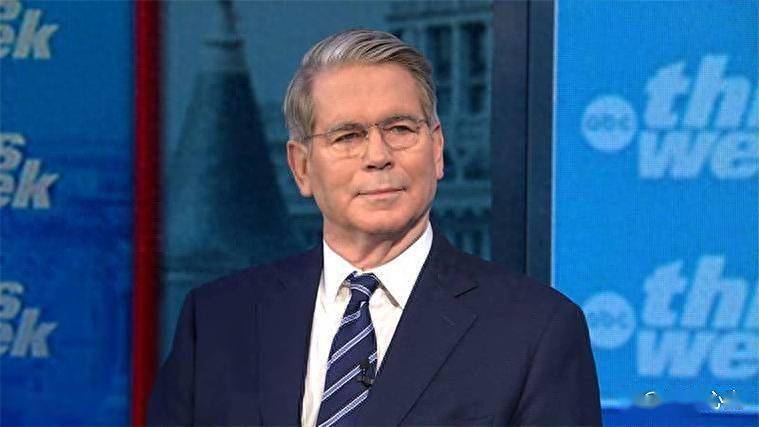
美国对伊实施7年来最大规模制裁:115个相关目标遭殃,剑指石油!
Jin Shi Shu Ju· 2025-07-31 02:00
Group 1 - The U.S. Treasury announced new sanctions on 115 individuals, entities, and vessels related to Iran, marking the largest Iranian-related sanctions since 2018 [1] - The sanctions primarily target an international shipping network controlled by Mohammad Hossein Shamkhani, who is linked to Iran's Supreme Leader [1][3] - The sanctions include 15 shipping companies, 52 vessels, 12 individuals, and 53 entities involved in sanction evasion across 17 countries [1] Group 2 - Iranian oil exports have decreased from 1.8 million barrels per day at the beginning of the year to approximately 1.2 million barrels per day due to previous sanctions [2] - The U.S. aims to further reduce Iranian oil exports, which were previously cut to tens of thousands of barrels per day during Trump's first term [2] - The sanctions are seen as a clear example of U.S. hostility towards Iran, with Iranian officials claiming they aim to harm the country's economic development [2] Group 3 - The sanctions against Shamkhani are also expected to impact Russia, although the primary focus is on Iran [3] - The U.S. official emphasized the significance and far-reaching implications of targeting Shamkhani due to his connections and previous sanctions against his father [3][4] Group 4 - The prospects for renewed diplomatic talks between the U.S. and Iran remain bleak, with recent threats from Trump regarding potential military action if Iran attempts to restart its nuclear facilities [5] - Experts have raised questions about the effectiveness of the sanctions, while Iran continues to deny seeking nuclear weapons [6]
日美贸易协定落地能否挽救石破茂政权?日本政坛陷“罗生门时刻”
Di Yi Cai Jing· 2025-07-23 08:17
Group 1: Political Context - Japanese Prime Minister Shigeru Ishiba has denied media reports about his resignation, stating that they are "completely unfounded" [1] - Following a historic defeat in the House of Councillors election, Ishiba indicated plans to announce his resignation intentions by the end of August [1][6] - The ruling coalition led by the Liberal Democratic Party (LDP) failed to secure a majority in both houses of the National Diet for the first time since its establishment in 1955 [6][7] Group 2: US-Japan Trade Agreement - A trade agreement has been reached where the US will impose a 15% tariff on Japanese imports, which is lower than the previously proposed 25% [4][6] - Japan will increase its investment in the US by $550 billion, with a focus on sectors such as semiconductors, steel, shipbuilding, energy, and automobiles [4][5] - The agreement includes provisions for increasing the import of US rice under Japan's current minimum access system, without compromising Japanese agriculture [4] Group 3: Economic Implications - Experts suggest that while the 15% tariff is lower than the initial proposal, it still poses significant challenges for Japanese companies, particularly in the automotive sector, which accounts for nearly 25% of Japan's exports [5][6] - The potential for a stronger yen and weaker dollar could exacerbate the impact of the tariff, making it difficult for Japanese firms to maintain profitability in the US market [5][6] - The overall economic outlook for Japan may be negatively affected, with predictions that even a 15% tariff could hinder GDP growth [6][7]
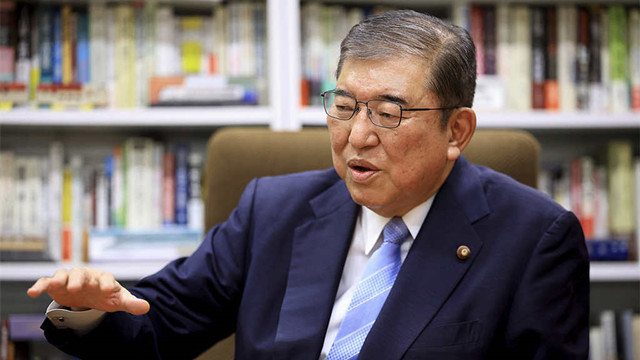
特朗普杀招立竿见影?李在明掏不出4000亿美元,立马反转对华态度
Sou Hu Cai Jing· 2025-07-19 10:20
Group 1 - The core point of the article highlights the significant economic pressure the U.S. is placing on South Korea through tariffs and demands for investment, leading to a potential shift in South Korea's diplomatic and economic strategies [3][15][28] - Trump's recent announcement of a 50% import tariff on copper products adds to the existing tariffs on steel and aluminum, affecting the global industrial supply chain and particularly impacting South Korea's economy [7][8][9] - The U.S. demands that South Korea contribute $400 billion to revitalize American manufacturing, which is nearly 80% of South Korea's annual national budget, raising concerns about economic sovereignty [15][17][20] Group 2 - The imposition of tariffs has already led to a decline in South Korea's exports to the U.S. by over 15%, exacerbating the country's economic challenges [20] - In response to U.S. pressure, South Korea is seeking closer ties with China, as evidenced by the recent establishment of a new certificate approval center to facilitate trade between the two countries [22][24] - The new South Korean administration under Lee Jae-myung is showing a pragmatic shift in foreign policy, focusing on improving relations with China while still maintaining a stance on the U.S.-Korea-Japan alliance [24][26]
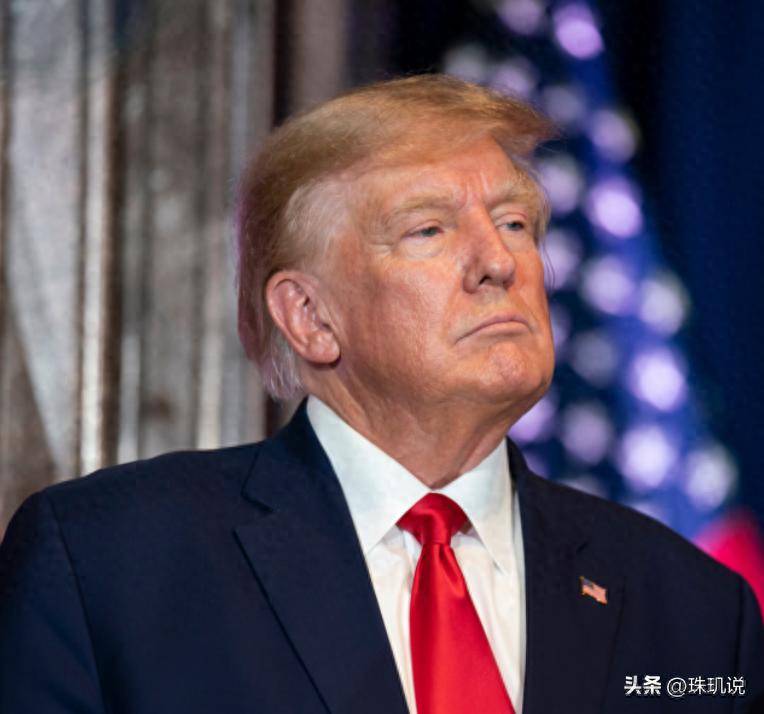
特朗普两度认怂!美陷内忧外患
Sou Hu Cai Jing· 2025-07-18 04:57
Group 1 - Trump's approach to international trade has deviated significantly from decades of U.S. policy, attempting to impose "reciprocal high tariffs" globally, but faced strong resistance from China and even U.S. allies like Japan [1] - Trump's inconsistent stance on foreign and domestic issues has led to confusion, as he oscillates between hardline positions and sudden retreats, indicating a lack of coherent strategy [1][5] - Recent developments show Trump reversing his aggressive stance on the Ukraine conflict, stating that Ukraine should not target Moscow and retracting plans to provide long-range missiles, highlighting his unpredictable nature [3][5] Group 2 - Trump's threats regarding Federal Reserve Chairman Jerome Powell have created turmoil in the stock market, with discussions among Republican lawmakers about Powell's potential ousting, only for Trump to later state he would not fire Powell [3][5] - The U.S. government's rapid policy reversals reflect Trump's business mindset, using extreme pressure tactics and treating policies as negotiation tools, rather than genuine commitments [6][10] - The U.S. military aid to Ukraine is primarily sourced from NATO stockpiles rather than U.S. reserves, limiting Trump's ability to make concrete promises in the face of real threats [8][10]
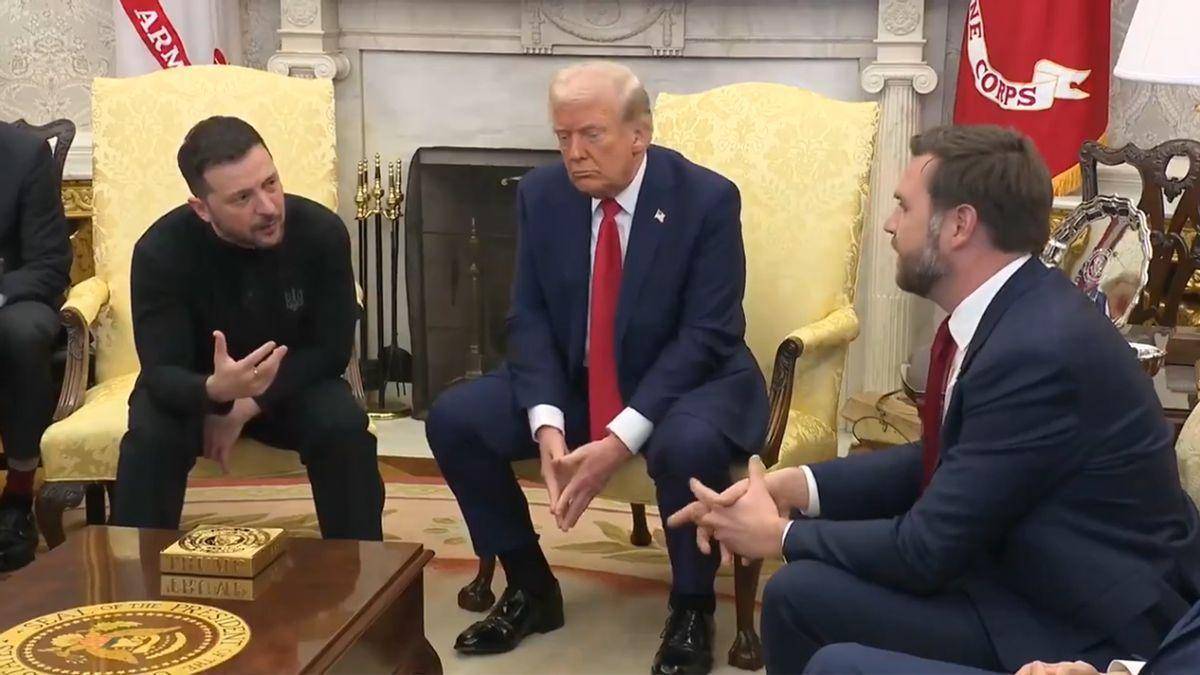
特朗普又出狠招!30%关税砸向欧盟和墨西哥,美国真要脱钩了?
Sou Hu Cai Jing· 2025-07-14 11:37
Group 1 - The core point of the news is that Trump announced a 30% tariff on all goods from Mexico and the EU starting August 1, 2025, as a pressure tactic to negotiate trade terms [1][3][5] - Trump has sent similar letters to over 20 countries, indicating that those who do not negotiate may face tariffs of 15% to 20% [3][5] - The announcement is seen as a significant escalation in trade tensions, potentially leading to a trade war if the EU retaliates with their own tariffs [5][7] Group 2 - The impact on Mexico could be severe, as the 30% tariff would disrupt established trade relationships, particularly in the automotive and agricultural sectors [5][7] - For the EU, the tariffs would affect a wide range of products, including automobiles, machinery, and luxury goods, which could lead to increased prices in the U.S. market [5][7] - Trump's approach is characterized as "extreme pressure," with clear demands for Mexico to combat drug trafficking and for the EU to open its markets [5][7]
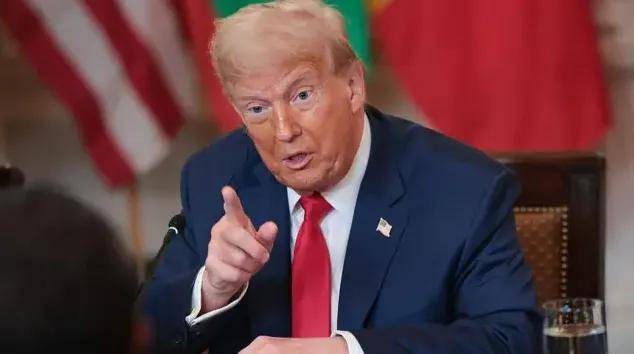
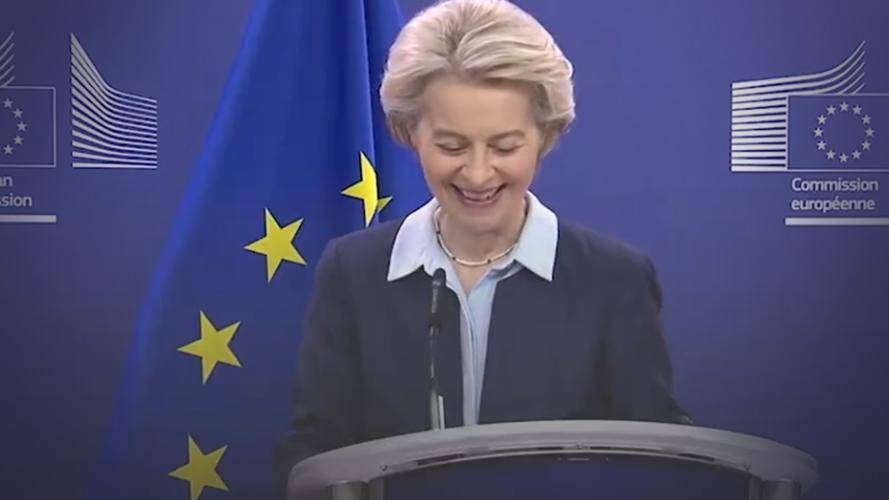
30%重税砸向欧洲!冯德莱恩硬刚后秒怂,欧美贸易要变天?
Sou Hu Cai Jing· 2025-07-13 14:30
Group 1 - Trump's proposed 30% tariffs on European goods are seen as a negotiation tactic to gain leverage in trade discussions, particularly aimed at garnering support from American blue-collar workers ahead of elections [3][6][10] - The European Union, particularly under Ursula von der Leyen's leadership, is caught between a desire to retaliate and the fear of significant economic repercussions, as many European industries rely heavily on the U.S. market [5][8][10] - The potential impact of these tariffs could lead to increased prices for consumers on both sides of the Atlantic, affecting everyday goods and services, and ultimately harming the working class [9][11] Group 2 - The U.S. economy is currently fragile, and a trade war could exacerbate existing issues, making both sides hesitant to escalate tensions further [10][11] - The situation reflects a broader concern about the reliability of the U.S. as an ally, as European nations may need to reconsider their trade strategies and relationships moving forward [10] - The outcome of this trade dispute is likely to result in minimal actual changes, with both sides using aggressive rhetoric to negotiate better terms rather than engaging in a full-blown trade war [10][11]
帮主郑重解读:美国贸易协议72小时倒计时,这波压力测试到底啥名堂?
Sou Hu Cai Jing· 2025-07-06 20:17
Group 1 - The U.S. Treasury Secretary has indicated that significant trade agreements are close to being finalized, but if countries do not sign by the deadline, tariffs could rise to as high as 50% starting August 1 [3][4] - The European Union is a critical player in this situation, accounting for nearly one-fifth of U.S. goods trade, and the outcome of negotiations could significantly impact both sides [3][4] - The current market is in a state of uncertainty, with potential impacts on supply chains and corporate profits depending on the outcome of the tariff negotiations [4][5] Group 2 - The U.S. government is under pressure to deliver a "trade scorecard" before the upcoming elections, but tariffs could negatively affect both foreign countries and U.S. importers and consumers [4] - Countries involved in negotiations are weighing their options, considering whether to endure tariffs or seek alternative solutions if talks fail [4][5] - Investors are advised to focus on industries with pricing power that can pass on costs, as the restructuring of trade rules is expected to be a long-term process [5]
特朗普刚说要来中国谈,反手就抓中国人,中方三招破局
Sou Hu Cai Jing· 2025-07-04 06:09
Group 1 - The article highlights the contrasting actions of the Trump administration, which publicly seeks to ease tensions with China while simultaneously arresting six Chinese citizens on charges related to cryptocurrency money laundering and hacking [1][3] - The U.S. is facing economic challenges, with high tariffs contributing to inflation, which complicates the Federal Reserve's decisions on interest rates [4][9] - The U.S. strategy of extreme pressure on China is becoming increasingly ineffective, as evidenced by China's proactive diplomatic maneuvers and strengthened relationships with Europe and Japan [6][9] Group 2 - The U.S. is perceived to be underestimating China's resolve, particularly in the context of rare earth supply chains, where China holds significant leverage [8][9] - Trump's unilateral actions, such as halting trade negotiations with Japan and threatening tariffs, are damaging the U.S.'s alliances and pushing Japan closer to China [6][9] - The overall strategy of the Trump administration is described as being in a passive position, with economic and diplomatic efforts failing to yield favorable outcomes [9][11]
美国继续对伊朗“极限施压”,祭出新制裁以限制石油贸易
news flash· 2025-07-03 22:09
Core Viewpoint - The U.S. has intensified measures to restrict Iranian oil trade, increasing pressure on the country despite previous indications from Trump that sanctions might ease after bombing Iranian nuclear facilities [1] Group 1: U.S. Sanctions - The U.S. Treasury and State Department announced sanctions targeting companies that assist Iran in exporting crude oil [1] - The sanctions focus on a network of companies accused of purchasing and transporting Iranian oil worth billions of dollars [1] - The list includes companies that allegedly misreported Iranian oil as Iraqi oil for sale to Western buyers, along with their owners [1] Group 2: Key Individuals - One of the individuals named in the sanctions is Salim Ahmed Said, an Iraqi-British national [1]