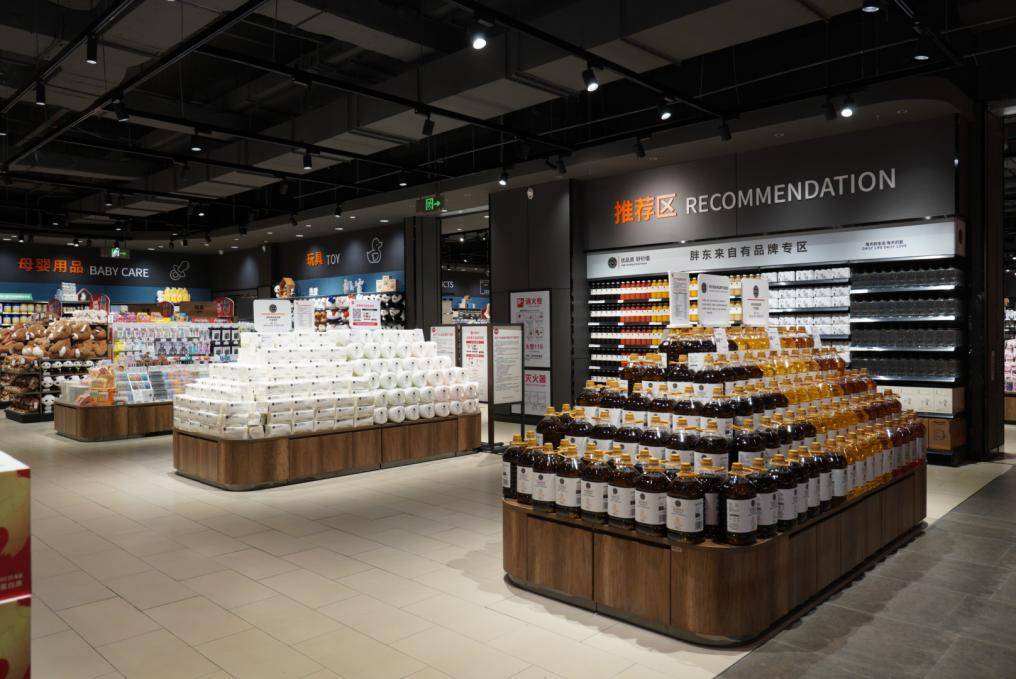
胖东来模式

Search documents
深圳永辉调改即将收官!“胖改”门店覆盖全城
Sou Hu Cai Jing· 2025-09-26 16:45
Core Insights - Yonghui Supermarket has adopted the "Pang Donglai model" in Shenzhen, enhancing store layouts and customer experiences, with the first modified store opening in November 2024 and a total of eight stores planned for the city by September 2025 [1][6] Group 1: Store Modifications - The modifications include improvements in store layout, management models, and customer experience, with a focus on attracting younger consumers [1][3] - Yonghui's stores have been redesigned to cater to the preferences of local white-collar workers and young families, featuring wider aisles, lower shelf heights, and a more youthful aesthetic [3][5] - The product mix has shifted towards fresh and imported goods, with a supply chain strategy that combines local sourcing and global selection, emphasizing quality and health [3][5] Group 2: Quality and Safety Standards - New food safety standards have been implemented, including strict pricing rules for perishable items to ensure freshness and quality [5] - The stores now offer over 150 private label products, with a focus on popular items like craft beer, which has seen significant sales since launch [5][6] Group 3: Future Outlook - The upcoming store in Nanshan will feature local specialties and seasonal products, such as mooncakes for the Mid-Autumn Festival [6] - Yonghui plans to continue optimizing its store layouts and product offerings to align with local consumer demands, while also expanding its presence in premium shopping areas [6]


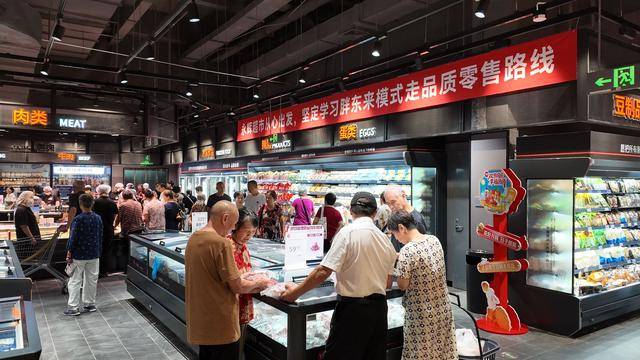
永辉超市完成北京大兴区门店调改
Bei Jing Shang Bao· 2025-09-26 08:37
Core Insights - Yonghui Supermarket has completed the transformation of its Daxing Kangzhuang Tianjian Plaza store, marking its 13th transformed store in Beijing and the 5th in Daxing District, indicating the completion of its store transformation efforts in the area [1][2] - The transformed store has achieved profitability within three months of opening, reflecting the success of the new operational model [1] Group 1 - The Daxing Kangzhuang Tianjian Plaza store has undergone a systematic restructuring of its product system, with over 50% of new products in the food and daily necessities category, achieving over 80% of the product structure of the "Fat Donglai" model [1] - The fresh food section features a live kitchen for on-site preparation, introducing popular products such as boneless pig trotters and sweet sausages, while retaining classic flavors like Peking duck and Korean fried chicken [1] - The bakery section collaborates with high-quality suppliers like COFCO and Anchor, and features a dedicated area for "Fat Donglai" branded products, showcasing dozens of items [1] Group 2 - All five transformed stores in Daxing District have been completed, each showcasing distinct regional characteristics in their product offerings [2] - The Hongkun Plaza store is community-oriented, with strong demand for cooked and noodle products; the Kaide Mall Daxing store focuses on Beijing specialty foods and convenient meals; the Yinghai Huanyu Fang store caters to young families with high-quality fruits and seafood; and the Jiugong store serves a mature community with a strong demand for seafood, Western cuisine, and high-quality eggs [2]
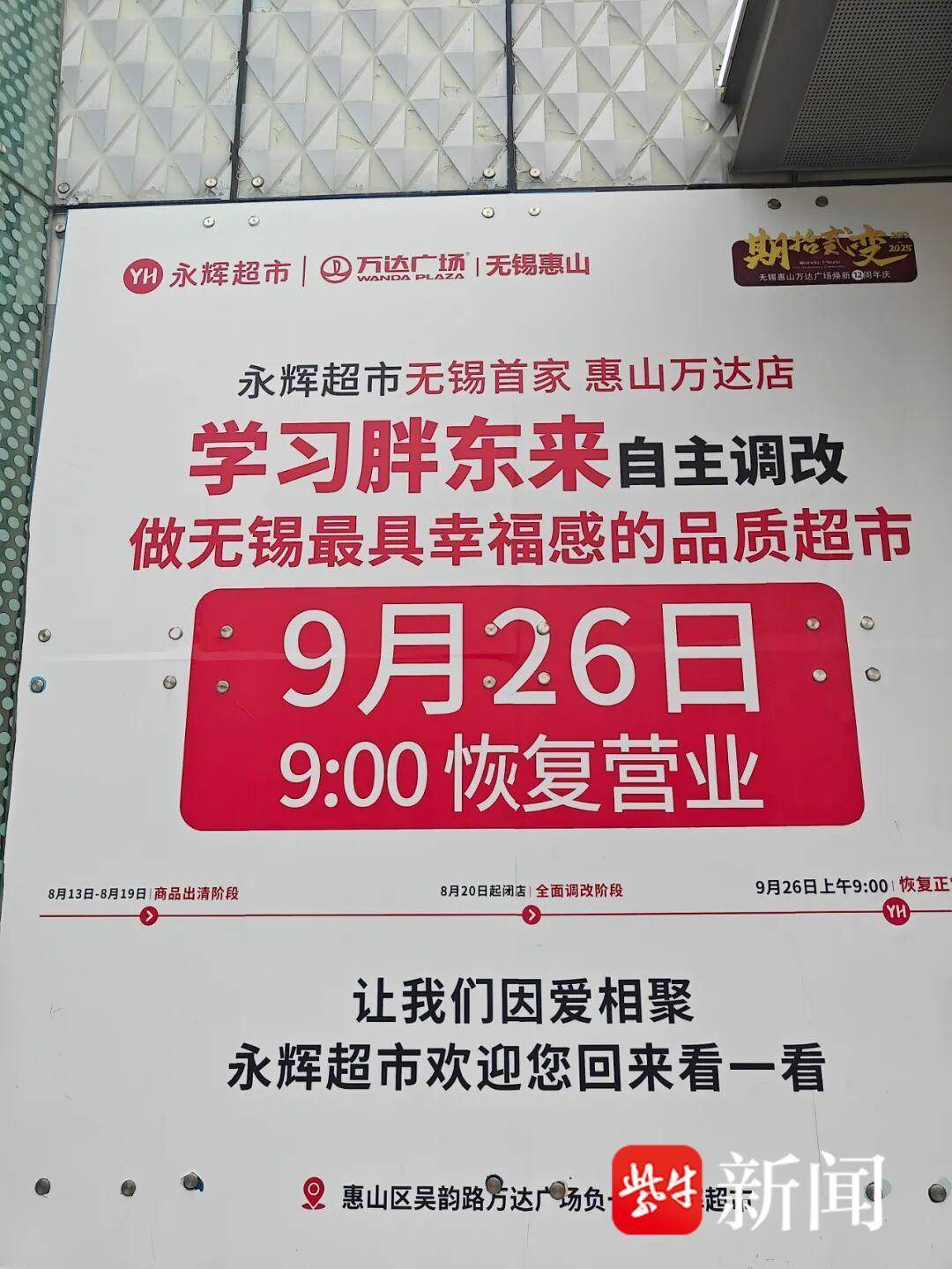
无锡首家学习“胖东来”,永辉超市正式亮相
Yang Zi Wan Bao Wang· 2025-09-25 11:49
Core Insights - The first "Pang Donglai model" supermarket in Wuxi, Yonghui Supermarket (601933), will officially open on September 26, allowing local residents to purchase Pang Donglai's proprietary products without the need for a purchasing agent [1] Group 1: Store Transformation - The newly renovated Yonghui Supermarket is located in Wuxi Huishan Wanda Plaza B1, featuring a dedicated area for Pang Donglai's proprietary brand products [5] - The store has significantly restructured its product offerings, removing 8,089 of the original 12,826 items and adding 4,573 new products, resulting in a nearly 50% replacement rate [5] - 80% of the new product selection is based on Pang Donglai's standards, with imported products accounting for 13% of the total [5] Group 2: Product Categories - The proportion of fresh food categories, including baked goods and prepared foods, has increased from 5% to 20% [5] - The bakery section features popular items such as durian mille-feuille and matcha red bean soufflé, while the prepared food section offers items like Korean fried chicken and various sausages [5] Group 3: Customer Experience Enhancements - The store has improved the shopping environment by standardizing shelf heights to 1.6 meters and reducing the number of shelf layers to 5-6, creating a more spacious shopping experience [7] - New customer amenities include a rest area, free disposable tableware, drinking water, and microwave access, as well as convenience devices like height and blood pressure measurement tools [7] - The store implements a freshness standard labeled "468," offering discounts based on the time since product preparation [7] Group 4: Employee Welfare - The number of employees has increased from 110 to 222, with a significant rise in average salaries [7] - Employee benefits have improved, including 10 days of paid annual leave after one year of service, and the establishment of rest areas, training rooms, and changing rooms [7]
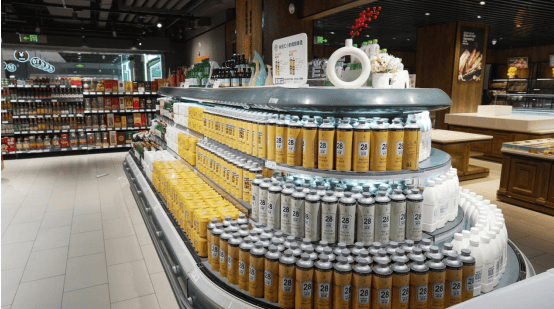
滨海新生活·品质新厨房:永辉超市厦门杏林万科里店9.26调改开业
Sou Hu Cai Jing· 2025-09-24 11:07
Core Viewpoint - The opening of the upgraded Yonghui Supermarket in Xiamen's Jimei District represents a significant enhancement in the retail landscape, aligning with local consumption promotion policies and aiming to provide a high-quality shopping experience for residents [1][25]. Store Upgrade Details - The new store, located in the basement of the Anxin Vanke Mall, covers an area of 1,758 square meters and targets nearby communities and young families, focusing on "quality living + convenient service" [3]. - The store features approximately 7,100 selected products, with nearly 3,600 from first and second-tier brands, and 14.8% of imported goods, closely mirroring the product structure of the "Fat Donglai" model [5][25]. - The product upgrade emphasizes higher quality, differentiation, and local relevance, catering to the dietary habits and quality demands of residents in Fujian [5]. Product Categories - The fruit and vegetable section introduces a three-dimensional matrix focusing on "livelihood attraction + quality differentiation + trendy new products," including both traditional and trendy items [6]. - The meat and poultry section highlights local freshness and quality upgrades, featuring a mix of international and domestic brands [8]. - The seafood area enhances the coastal theme by introducing a variety of imported seafood and offering live fish cutting services, enhancing customer experience [10]. - The bakery and deli sections have added popular items and diverse instant food options to attract younger customers [12]. Environmental and Service Enhancements - The store environment has been revamped for better visibility and comfort, with upgraded lighting and wider aisles to create a pleasant shopping atmosphere [13]. - New customer service facilities include health measurement tools and convenience items, enhancing the overall shopping experience [15]. - The store implements strict food safety measures, including a freshness management system to ensure product quality [17]. Employee Welfare Improvements - The number of employees has increased from 66 to 100, with salary and welfare enhancements to improve job satisfaction and service quality [19]. - The management emphasizes the importance of employee care, aiming to foster a respectful and warm service environment [21]. Market Impact and Future Plans - The store's opening coincides with the Mid-Autumn Festival and National Day, featuring seasonal products to meet diverse consumer needs [23]. - The successful performance of the first upgraded store in Xiamen, with over 800% sales growth in the first week, validates the effectiveness of the upgrade model [23]. - Yonghui plans to continue adopting the "Fat Donglai" model to enhance quality retail, aiming to better meet the needs of mainstream Chinese families and support high-quality market development in Xiamen [25].
找了一圈CEO,叶国富还是用了永辉老人
Sou Hu Cai Jing· 2025-09-22 08:51
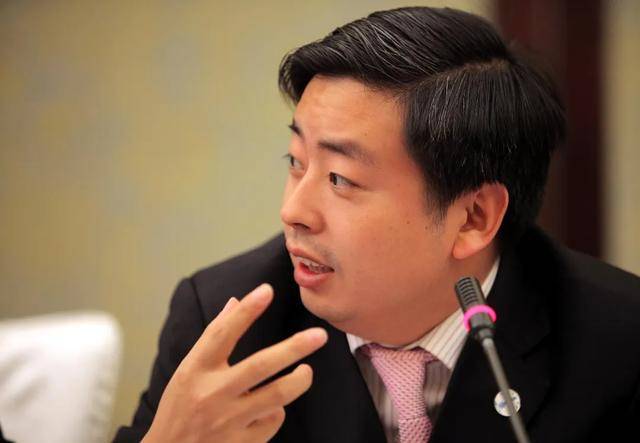
Core Viewpoint - The appointment of Wang Shoucheng as the new CEO of Yonghui Supermarket reflects a strategic move by Ye Guofu, the founder of Miniso, to implement significant reforms within the company, aiming to balance the existing team with the new management from Miniso [2][3]. Group 1: Leadership Changes - Wang Shoucheng, a long-time employee of Yonghui, has been appointed CEO, which is seen as a way to ease tensions between the existing team and the new Miniso management [3]. - Ye Guofu's acquisition of a 29.4% stake in Yonghui and the establishment of a reform leadership group indicate a strong commitment to transforming the company [2][3]. - Wang Shoucheng's familiarity with Yonghui's culture and operations is expected to help stabilize the company during this transition [3]. Group 2: Strategic Reforms - The "naked price direct procurement" strategy introduced by the Miniso team aims to enhance profit margins but disrupts Yonghui's traditional procurement system [2][5]. - Yonghui plans to complete the transformation of 200 stores by September 30, 2025, and exceed 300 stores by the Spring Festival of 2026, focusing on becoming a "national quality supermarket" [5][6]. - Despite some positive sales growth in transformed stores, Yonghui's overall performance remains under pressure due to store closures and supply chain reforms [5][6]. Group 3: Financial Challenges - Yonghui reported a 20.73% year-on-year decline in revenue and a net loss of 241 million yuan in the first half of 2025, with a debt ratio of 88.21% [5][6]. - The company has closed 227 loss-making stores, leading to cumulative losses exceeding 9.5 billion yuan since 2021 [5][6]. - The financial strain is compounded by the high costs associated with the store transformation and the historical burden of past losses [17]. Group 4: Operational Dynamics - Wang Shoucheng's leadership is crucial for integrating the "Pang Donglai model" into Yonghui's operations, which emphasizes supply chain efficiency and product quality [5][11]. - The restructuring of the supply chain aims to reduce the number of suppliers from thousands to a few hundred core partners, which poses risks to Yonghui's traditional profit model [13][14]. - The transformation process is characterized by high costs and risks, as the company navigates the complexities of adapting the Pang Donglai model across diverse regional markets [13][17].
永辉西北布局再落一子 “胖东来模式”调改店进驻汉中吾悦广场
Zheng Quan Shi Bao Wang· 2025-09-21 10:01
Core Viewpoint - Yonghui Supermarket has officially opened its first upgraded store in Hanzhong, marking a significant step in its expansion in the northwest market and aiming to enhance the local consumer experience through the "Pang Donglai" model [1][2] Group 1: Store Upgrade and Product Offering - The Hanzhong Wuyue Plaza store has undergone a comprehensive product restructuring, with over 56% of the products being newly added, aligning its product structure closely with that of Pang Donglai [1] - The store's imported product ratio has increased to 12%, with a significant expansion in fresh food categories such as baked goods and ready-to-eat items [1] - The fresh produce section emphasizes quality and traceability, featuring a variety of high-demand and premium organic products [1] Group 2: Store Environment and Employee Welfare - The store environment has been optimized with a unified shelf height of 1.6 meters and simplified product display layers, enhancing customer convenience [2] - Employee numbers have significantly increased, with improved overall compensation and benefits, including paid annual leave and enhanced facilities [2] - The store is offering free gift wrapping services for certain products and additional services for customers during the National Day holiday [2] Group 3: Strategic Goals and Market Impact - The opening of the Hanzhong store is part of Yonghui's strategy to deepen its presence in the northwest market, focusing on product upgrades and service optimization [2] - The company aims to provide a higher quality shopping experience, contributing to the development of Hanzhong as a regional consumption center [1][2]
永辉超市“胖东来模式”首入陕西汉中
Zheng Quan Ri Bao Wang· 2025-09-20 04:10
Core Insights - Yonghui Supermarket has successfully completed the transformation of its Hanzhong Wuyue Plaza store, adopting the "Fat Donglai" model, marking its first upgraded store in Hanzhong, Shaanxi Province [1] - The store has undergone a systematic restructuring of its product system, with over 56% of the products being replaced, aligning its product structure closely with that of Fat Donglai [1] - The transformation reflects Yonghui Supermarket's strategic focus on the northwest market and its response to local government policies aimed at upgrading consumption and stimulating consumer potential [1] Product Strategy - The upgraded store features a significant increase in imported products, now accounting for 12% of the total, and a notable expansion in fresh food categories such as baked goods and ready-to-eat meals [1] - The overall product structure now closely resembles 80% of the Fat Donglai model, enhancing the variety of high-frequency and experiential products available [1] Market Positioning - The Hanzhong Wuyue Plaza store aims to serve as a core support for the "15-minute convenient living circle" for local residents, targeting family and young consumer demographics [1] - This initiative is expected to elevate the commercial capabilities of the Hanzhong region and contribute to its development as a regional consumption center [1]
超市巨头,迎来首位“90后”CEO
Zhong Guo Ji Jin Bao· 2025-09-19 12:58
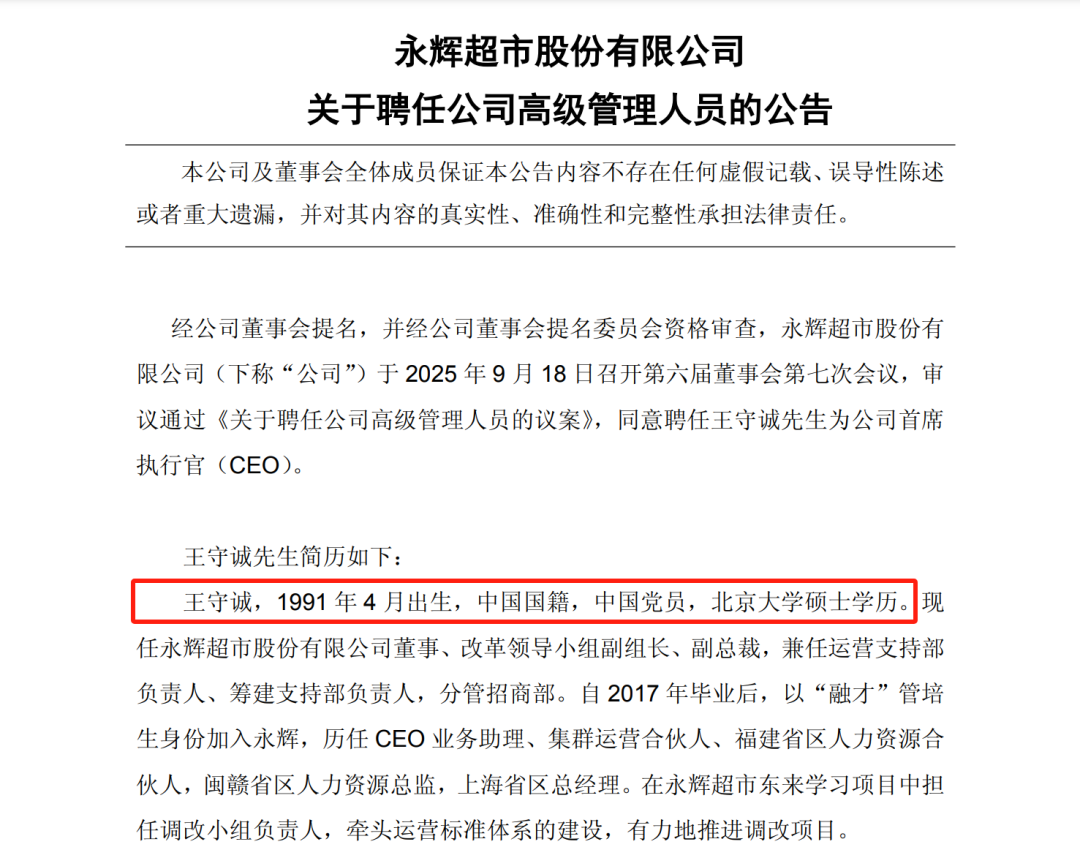
Core Viewpoint - Wang Shoucheng has been appointed as the new CEO of Yonghui Supermarket, marking a significant leadership change as he is the youngest CEO in the company's history. His promotion is closely tied to his successful management of the company's transformation projects, particularly the "Fat Reform" initiative inspired by the successful model of the Chinese supermarket chain, Pang Donglai [5][6]. Group 1: Leadership Background - Wang Shoucheng is a product of Yonghui Supermarket's internal training program and holds a master's degree from Peking University. Before becoming CEO, he served as the Vice President and was responsible for various operational roles within the company [2][3]. - Wang joined Yonghui in 2017 as a management trainee and has held multiple positions, including CEO business assistant and regional HR partner, accumulating extensive operational and management experience over his 8-year career [3][4]. Group 2: Business Transformation and Performance - The opening of the first "Fat Reform" store in Zhengzhou on June 19, 2024, was a significant milestone, achieving sales of 1.88 million yuan on its first day, which is 13.9 times the average daily sales prior to the reform. The store also attracted over 12,000 customers, 5.3 times the previous average [4]. - As of September 16, 2025, Yonghui has nearly 200 "Fat Reform" stores, with expectations of profitability within three months of operation. The first quarter of 2025 saw 41 "stable reform stores" generating a total profit of 74.72 million yuan [7][8]. Group 3: Financial Strategy and Challenges - Yonghui Supermarket plans to raise up to 3.114 billion yuan through a private placement, with 2.405 billion yuan allocated for store upgrades, 309 million yuan for logistics improvements, and 400 million yuan for working capital [8]. - Despite these initiatives, Yonghui reported a revenue decline of 20.73% year-on-year for the first half of 2025, with a net loss of 241 million yuan, indicating ongoing challenges in balancing significant investment in transformation with overall profitability [8].
深耕苏城多元消费 永辉胖东来模式调改店首进苏州相城区
Sou Hu Cai Jing· 2025-09-19 09:55
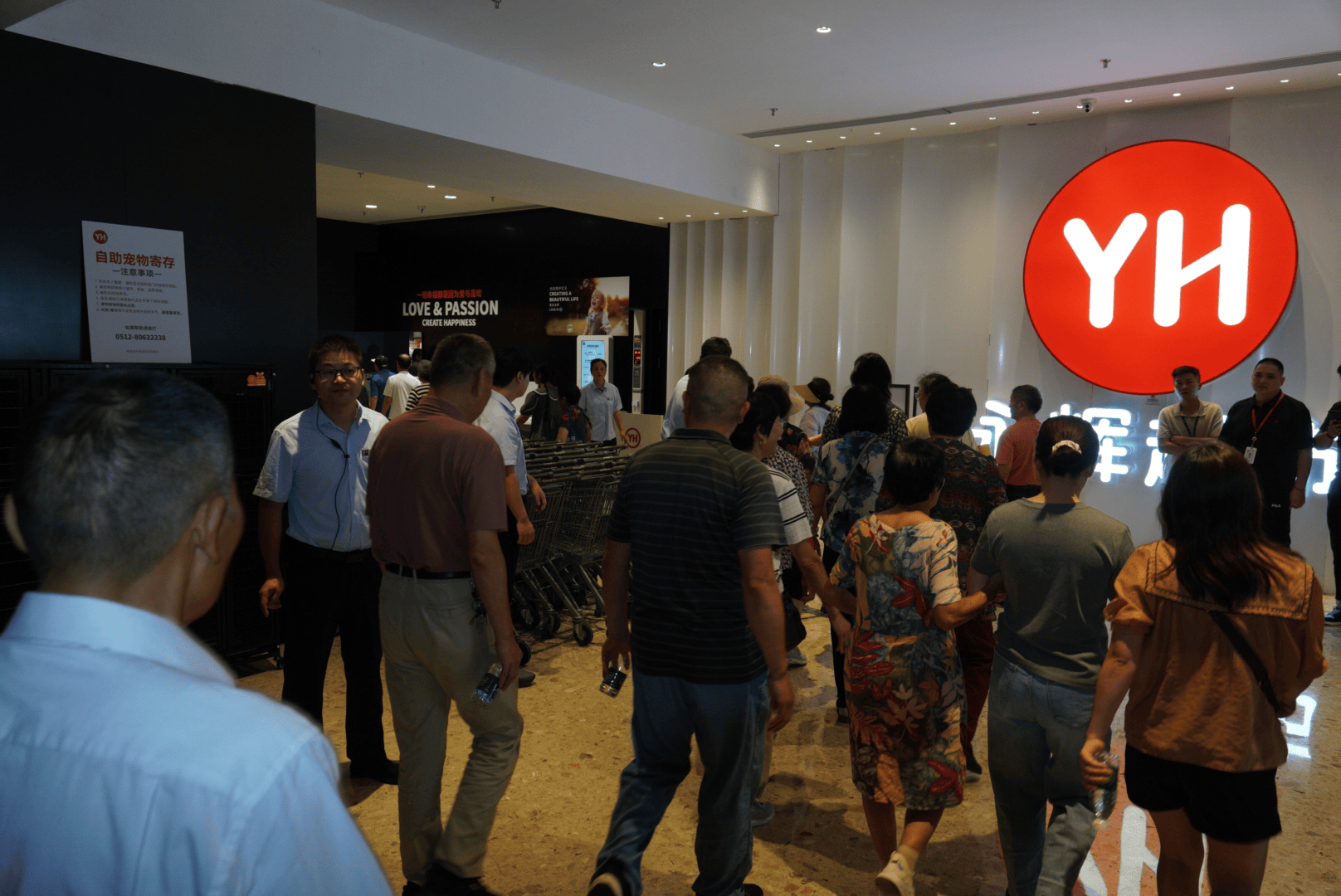
Core Insights - The opening of the Suzhou High-speed Rail Wuyue Plaza store marks the third "Fat Donglai" model store for Yonghui, reinforcing its strategic layout in the Suzhou market and enhancing regional commercial service upgrades [1][9]. Store Location and Concept - The store is located at No. 3188, Xiangcheng Avenue, Suzhou High-speed Rail Wuyue Plaza, and aims to create a comfortable, convenient, and quality shopping space for consumers, particularly family customers in Xiangcheng District [2]. Product Offerings - The store features a comprehensive product renewal, including highland specialty vegetables and over 40 types of organic vegetables, all sold in packaging to save customer selection time. New ready-to-eat items such as fruit cuts, juices, and cold brew tea have been introduced, alongside partnerships with high-end fruit and vegetable brands [3]. - The prepared food section employs a professional chef team to offer a variety of dishes, including traditional items and modern snacks aimed at younger consumers. The store also includes dedicated brand zones for both Fat Donglai and Yonghui's private label products, covering a wide range of categories [5]. Shopping Environment and Services - The store has improved its shopping environment by lowering shelf heights and simplifying the layout to enhance comfort and accessibility. New customer service areas have been added, including rest zones and various amenities to cater to diverse customer needs [6]. - Food safety measures are strictly enforced, including a "468 principle" for fresh-cut fruits to ensure quality and freshness [7]. Employee Development - Yonghui has launched a "Craftsman Plan" to enhance employee skills and service awareness, aiming to cultivate a professional workforce and improve service quality in stores [8]. Strategic Vision - The Suzhou High-speed Rail Wuyue Plaza store's opening is seen as a significant milestone for Yonghui, reflecting its commitment to consumer needs and continuous improvement in product and service offerings. The company plans to further strengthen its presence in the Suzhou market [9].
深耕苏城多元消费 永辉胖东来模式调改店首进相城区
Sou Hu Cai Jing· 2025-09-19 09:04
Core Viewpoint - Yonghui Supermarket is actively implementing the "Fat Donglai model" to enhance service innovation and quality in key urban areas, particularly in Suzhou, where a new "three-store linkage" strategy is being established [1] Group 1: Store Performance and Strategy - The first store in Suzhou, Taicang Wanda, achieved a remarkable sales increase of 334% and a customer traffic growth of 189% in its opening week [1] - The third store, Suzhou High-speed Rail Wuyue Plaza, opened on September 19, marking the model's first entry into Xiangcheng District, further solidifying Yonghui's strategic layout in Suzhou [1][3] Group 2: Store Adjustments and Offerings - The store's SKU count was optimized from 12,462 to 9,010, with a replacement rate of 57.3% and a new product introduction rate of 48.2%, aligning 80% of the product structure with the Fat Donglai standards [3] - Fresh produce offerings now include highland specialty vegetables and over 40 organic vegetable varieties, all sold in packaging to save customer selection time [5] Group 3: Food and Service Enhancements - The prepared food section has introduced a professional chef team and a variety of popular dishes, including seafood and traditional items, catering to diverse customer preferences [6] - The store has improved the shopping environment by lowering shelf heights and increasing aisle width, enhancing overall shopping comfort [8] Group 4: Employee Welfare and Training - The number of employees increased from 110 to 165, creating more local job opportunities, with enhanced employee benefits including paid annual leave and improved working conditions [10] - The "Craftsman Program" was launched to provide systematic training for key positions, aiming to cultivate a skilled workforce and improve service quality [10] Group 5: Future Outlook - Yonghui's Suzhou regional manager expressed optimism about the recognition of the new model by consumers and emphasized the commitment to optimizing products and services based on consumer needs [10]