能源安全

Search documents
美国威胁制裁买俄油国家,中方24小时强硬回应,态度有多坚决
Sou Hu Cai Jing· 2025-07-25 01:20
Core Points - The upcoming US-China talks may address China's purchase of oil from Russia and Iran, as indicated by US Treasury Secretary Becerra [1] - The US government has threatened to impose a 100% punitive tariff on Russian goods if a ceasefire in the Russia-Ukraine conflict is not reached within 50 days [1][8] - China's response to the US threats has been firm, emphasizing that trade negotiations should not be dictated by unilateral US demands [22][24] Group 1: US Policy and Strategy - The US has implemented a strategy of increasing tariffs to pressure countries, including allies, to comply with its demands [3][5] - Trump's administration has linked the oil issue to broader geopolitical strategies, using it as leverage in negotiations with China [18][20] - The US's approach has been characterized as hegemonic, disregarding the interests of other nations [16][24] Group 2: Impact on Global Oil Trade - China is projected to import one-third of its oil from Russia in 2024, with 68% of transactions already settled in RMB, indicating significant economic implications if US tariffs are enacted [10][20] - India's energy security is also at risk, as Russian oil constitutes nearly 25% of its imports, forcing India to choose between economic repercussions or confrontation with the US [12][20] - The potential for increased oil prices and domestic inflation in China is a concern if the US follows through with its tariff plans [10][20] Group 3: China’s Response and Regional Cooperation - China has made it clear that it will not yield to US pressure regarding its energy partnerships with Russia and Iran, asserting its right to protect its national interests [22][24] - The cooperation between China, Russia, and India in energy projects is strengthening, with significant investments planned, such as India's $20 billion investment in Russian oil [28] - The ongoing development of the Power of Siberia-2 gas pipeline project between China and Russia is expected to continue despite external pressures [26][28]


贝莱德:港股吸引力持续凸显 关注人工智能、半导体、机器人等方向
Zhi Tong Cai Jing· 2025-07-24 13:01
Group 1 - The core viewpoint is that the macroeconomic factors influencing the market in the second half of 2025 will be the reshaping of global trade patterns and the potential further stimulus from domestic fiscal policies [1] - The A-share market is experiencing a dual recovery in fundamentals and sentiment, with a GDP growth rate of 5.3% in the first half of the year exceeding expectations, providing solid support for the market [1] - The A-share market has seen active trading, with transaction volumes exceeding 1 trillion yuan for 62 consecutive trading days, indicating improved investor sentiment and sustained momentum for market performance [1] Group 2 - The Hong Kong stock market is highlighted as a "global valuation pit," with the Hang Seng Index's price-to-earnings ratio (TTM) at 11.11 times, significantly lower than major overseas indices, indicating attractive investment value [1] - Within the Hong Kong stock market, there is structural differentiation in valuations, with some sectors experiencing valuation increases due to capital inflows, while still presenting numerous undervalued opportunities worth exploring [1] Group 3 - Investment directions to focus on include sectors that drive domestic demand, such as the internet, sportswear, food and beverage, real estate, and property services, which are characterized by strong cash flow and high dividends [2] - Emphasis is placed on technology innovation sectors, including autonomous ERP, industrial software, artificial intelligence, semiconductors, robotics, and low-altitude economy, which are expected to drive structural adjustments and boost confidence [2] - Industries with strong international comparative advantages, such as textile and apparel manufacturing, electronics components, and automotive parts, are also highlighted, as they are less affected by external demand shocks and are expected to benefit from domestic subsidies [2] Group 4 - Strategic resources such as gold, uranium, and rare earths will be monitored to balance the overall investment portfolio against geopolitical risks [3]

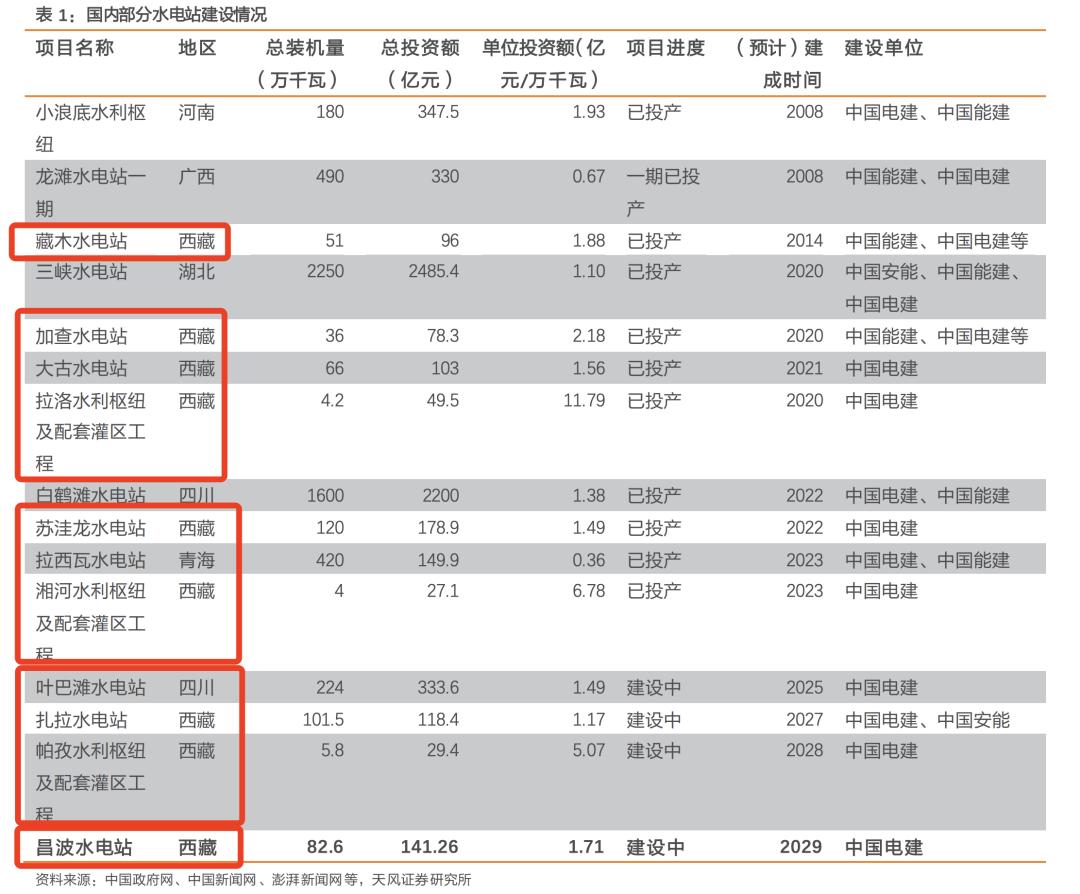
雅鲁藏布江水电工程与即将到来的“电力帝国”
3 6 Ke· 2025-07-24 12:03
Core Viewpoint - The article emphasizes the strategic importance and potential benefits of the Yarlung Tsangpo River downstream hydropower project, highlighting its historical context, massive investment, and expected impact on energy security and regional development [1][6][7]. Project Background - The Yarlung Tsangpo downstream hydropower project has been in planning for decades, with initial ideas dating back to the 1970s and preliminary development starting in 2000 [4][6]. - The project is set to officially commence construction in July 2025, with a total planned investment of 1.2 trillion RMB, making it one of the largest single-project investments globally [7][6]. Technical Feasibility - The project is located in a region with significant natural advantages for hydropower generation, including a vertical drop of 2000 meters over a 200-kilometer stretch, which is considered one of the best locations for hydropower globally [11][13]. - The engineering design involves innovative techniques such as "cutting corners" to optimize water flow, which is expected to enhance efficiency and output [13][19]. Economic Impact - The project is anticipated to create substantial employment opportunities, with direct involvement of around 20,000 workers and indirect participation exceeding 100,000, significantly impacting the local economy of Tibet [23][24]. - It is projected to increase the average income of Tibetans by over 30% and generate an additional 20 billion RMB in annual fiscal revenue for the region [24]. Energy Security and Technological Advancement - The Yarlung Tsangpo project will contribute to China's energy security by providing a stable and renewable energy source, reducing reliance on fossil fuels [25][27]. - The project is expected to support the growth of AI and data center industries in China by providing low-cost electricity, which is crucial for high-energy-consuming operations [28][29]. Strategic Considerations - The scale of the investment suggests that the project is not merely a geopolitical maneuver against neighboring countries but rather a long-term strategic initiative aimed at maximizing economic returns [32][35]. - The simultaneous development of various energy projects across China indicates a broader vision for energy independence and technological leadership in the global market [36][37].
逆天改命!新疆变国家级粮仓,比当年的深圳还疯狂
Jin Tou Wang· 2025-07-24 10:35
Core Insights - Xinjiang is transforming into an agricultural miracle, showcasing significant advancements in water product and crop production despite its challenging natural conditions [1][2][3] Agricultural Production - In 2023, Xinjiang's aquatic product output reached 183,900 tons, ranking first in the northwest region of China [1] - The total grain output in Xinjiang was 23.3 million tons, an increase of 2.11 million tons, equating to an additional 3 kg of grain per person [2] - Xinjiang accounts for 90% of China's cotton production, 80% of tomato production, and 50% of red date production [2] Land and Water Management - Xinjiang has invested over 300 billion yuan in agricultural irrigation, achieving an irrigation water supply of 56.8 billion cubic meters, surpassing the capacity of one and a half Three Gorges reservoirs [3] - The region has successfully transformed saline-alkali land into arable land, previously deemed unfit for agriculture [2][3] Strategic Importance - Xinjiang's strategic position is rising, with the signing of the China-Kyrgyzstan-Uzbekistan railway, reducing the distance to Europe by 900 kilometers [5] - In the first five months of 2025, Xinjiang's trade with Central Asia exceeded 100 billion yuan, accounting for 39.4% of China's trade with the region [6] Economic Transformation - Xinjiang is evolving from a transit corridor to a wealth hub, connecting Central Asia and Russia while providing access to energy resources [6] - The region's agricultural success is not only about production numbers but also reflects a broader capability to turn challenges into opportunities [6]
联合国秘书长:全球向可再生能源转型“不可逆转”
Xin Hua She· 2025-07-23 02:48
Core Viewpoint - The global transition to renewable energy is now "irreversible" and "unstoppable," with a call for comprehensive new climate plans ahead of COP30 [1][2] Group 1: Investment and Economic Impact - Global clean energy investment reached $2 trillion last year, exceeding fossil fuel investment by $800 billion, marking a nearly 70% increase over the past decade [1] - The clean energy sector contributed 10% to global GDP growth in 2023, with employment in this sector surpassing that in fossil fuels [2] Group 2: Cost Competitiveness - The cost of solar energy has decreased to 41% lower than fossil fuels, while offshore wind energy is now 53% cheaper than fossil fuels [1][2] - The global installed capacity of renewable energy is nearly on par with fossil fuels, with almost all new power generation capacity coming from renewables last year [2] Group 3: Energy Security and Accessibility - Renewable energy offers true energy security, reducing dependence on fossil fuels that are subject to price shocks and geopolitical instability [2] - The deployment of solar and wind energy is faster, cheaper, and more flexible compared to fossil fuels [2] Group 4: Opportunities for Acceleration - Six key opportunity areas for accelerating the energy transition were identified: ambitious national climate plans, modernized grids and storage systems, sustainable energy demand fulfillment, equitable energy transition for workers and communities, trade reforms to broaden clean technology supply chains, and mobilizing funds for emerging markets [2] Group 5: Funding Requirements - Clean energy funding must increase more than fivefold by 2030 to meet the 1.5°C temperature control target and ensure energy accessibility [2] - A call for reforming global finance to enhance the lending capacity of multilateral development banks and implement effective debt relief actions was made [2]
1820米深地斩获铀矿!中国刷新勘探极限
Sou Hu Cai Jing· 2025-07-22 13:23
Group 1 - The demand for uranium is increasing, highlighting its importance for China's energy security, with a recent discovery by China National Nuclear Corporation (CNNC) setting a new benchmark in uranium exploration [1][3] - CNNC announced the discovery of a sandstone-type industrial uranium mineralization at a record depth of 1820 meters in the Tarim Basin, which is significant as sandstone deposits are generally larger, easier to mine, and cheaper to extract compared to volcanic and granite uranium deposits [1][3] - China's uranium production was 1700 tons last year, while imports reached 13000 tons, with projections indicating a need for over 40000 tons annually by 2040 to meet domestic demand [3] Group 2 - CNNC's "Guo Uranium No. 1" demonstration project in the eastern Ordos Basin has also discovered similar sandstone deposits, marking it as the largest of its kind in the country, with the first barrel of uranium delivered earlier this month [5] - The project utilizes in-situ leaching technology, which is significant for its ability to absorb large amounts of carbon dioxide while extracting uranium without damaging surface vegetation, making it both safe and environmentally friendly [5] - Progress has also been made in seawater uranium extraction, with researchers from Lanzhou University announcing a technology that doubles the adsorption capacity of uranium from seawater [5]

“亿吨级”启航!渤海再添能源重器,中国海油垦利10-2项目投产在即
Sou Hu Cai Jing· 2025-07-22 07:16
Group 1 - The core development project of the Kenli 10-2 oilfield group in the southern Bohai Sea has successfully commenced production, marking a significant advancement in China's offshore oil and gas resource development [1][3] - The Kenli 10-2 oilfield group is currently the largest shallow lithologic oilfield in China's offshore sector, with proven geological reserves exceeding 100 million tons, indicating strong resource foundations and development potential [3] - The first phase of the project plans to lay 79 development wells, with a peak daily oil and gas equivalent production expected to reach approximately 3,000 tons, contributing positively to China's energy supply structure [3] Group 2 - The project employs a shallow lithologic oilfield development scheme, filling a technical gap for large-scale efficient development under similar geological conditions in the Bohai region [3] - The importance of offshore oil and gas exploration is increasingly highlighted amid the deepening domestic energy transition and energy security issues, with the Bohai oilfield serving as a critical hub for China's offshore oil and gas development [3][4] - Strengthening domestic resource supply capabilities is a key step in enhancing China's energy strategic autonomy, with the Kenli 10-2 oilfield expected to become a new "core engine" for the Bohai oilfield group [4]

波兰发现重要油气储藏,或缓解欧洲能源危机
Guo Ji Jin Rong Bao· 2025-07-22 04:32
Core Insights - Central European Petroleum Company (CEP) announced a significant conventional oil and gas discovery in Poland, potentially the largest hydrocarbon reserve in the country and one of the most important in Europe in the last decade [1][2] - The discovery is located near the port city of Świnoujście, with initial data indicating approximately 22 million tons of recoverable crude oil and condensate, along with 5 billion cubic meters of commercial-grade natural gas [1] - The broader lease area is estimated to contain over 33 million tons of crude oil and condensate, and 27 billion cubic meters of natural gas, which could more than double Poland's current oil reserves [1] Company and Industry Impact - The CEO of CEP highlighted the discovery as a historic moment for both the company and the Polish energy sector, emphasizing the opportunity to unlock the geological and energy potential of the Baltic Sea [2] - This discovery is expected to have profound implications for Poland's energy security and economic independence, particularly in reducing reliance on external sources like Russia amid global energy crises and geopolitical instability [2] - The find is also significant for Europe's energy landscape, as it can provide a more stable energy supply while Europe continues to transition away from fossil fuels and invest in clean energy [2]
能源安全的战略突围。雅江水电,彻底打通国运的中华民族崛起工程
Sou Hu Cai Jing· 2025-07-22 02:09
Core Viewpoint - The Yarlung Tsangpo River hydropower project represents a significant strategic move for China, aiming to enhance energy security, promote regional development, and contribute to global climate goals through clean energy generation [3][4][5]. Energy Security and Strategic Implications - The project has a planned installed capacity of 70 to 81 million kilowatts, with an annual generation capacity of 300 billion kilowatt-hours, which is equivalent to three times the capacity of the Three Gorges Dam [5][7]. - This clean energy output can replace 150 million tons of standard coal annually, reducing carbon dioxide emissions by 360 million tons, which exceeds Germany's total industrial emissions for a year [7][8]. - The project is expected to decrease China's crude oil import dependency from 72.3% to approximately 63%, saving around $35 billion in foreign exchange annually [7][8]. Regional Economic Development - The investment of 1.2 trillion yuan in the hydropower project is projected to significantly boost Tibet's GDP, contributing 1.5 percentage points annually and potentially bringing per capita GDP closer to the national average by 2035 [10][11]. - The project will generate approximately 20 billion yuan in annual tax revenue for Tibet, which is 71.4% of the region's total fiscal revenue in 2024, reducing reliance on central government transfers [11][12]. - Infrastructure improvements will lower logistics costs from 35% of GDP to below 20%, saving about 20 billion yuan annually and enhancing local product exports [13]. Technological and Industrial Advancements - The project is expected to drive technological innovation in high-altitude construction, leading to breakthroughs in equipment manufacturing and engineering standards [17][19]. - The demand for construction materials will stimulate local industries, creating a complete supply chain from raw material extraction to production [12][19]. - The hydropower project will facilitate the development of high-energy industries in Tibet, transforming the region's economic structure from resource-dependent to value-creating [12][20]. Global Energy Cooperation - The hydropower project will enable cross-border electricity trade, with initial exports to South Asian countries projected at 10 billion kilowatt-hours annually, increasing to 100 billion kilowatt-hours by 2040 [22][24]. - This trade will not only provide China with approximately 5 billion yuan in foreign exchange but also support industrialization in neighboring countries by alleviating their energy shortages [24][25]. - The "Yarlung Model" promotes a new paradigm in global energy governance, emphasizing shared benefits and ecological sustainability, challenging traditional resource control dynamics [26].
雅下水电站:中国能源安全的战略保障
Sou Hu Cai Jing· 2025-07-21 12:08
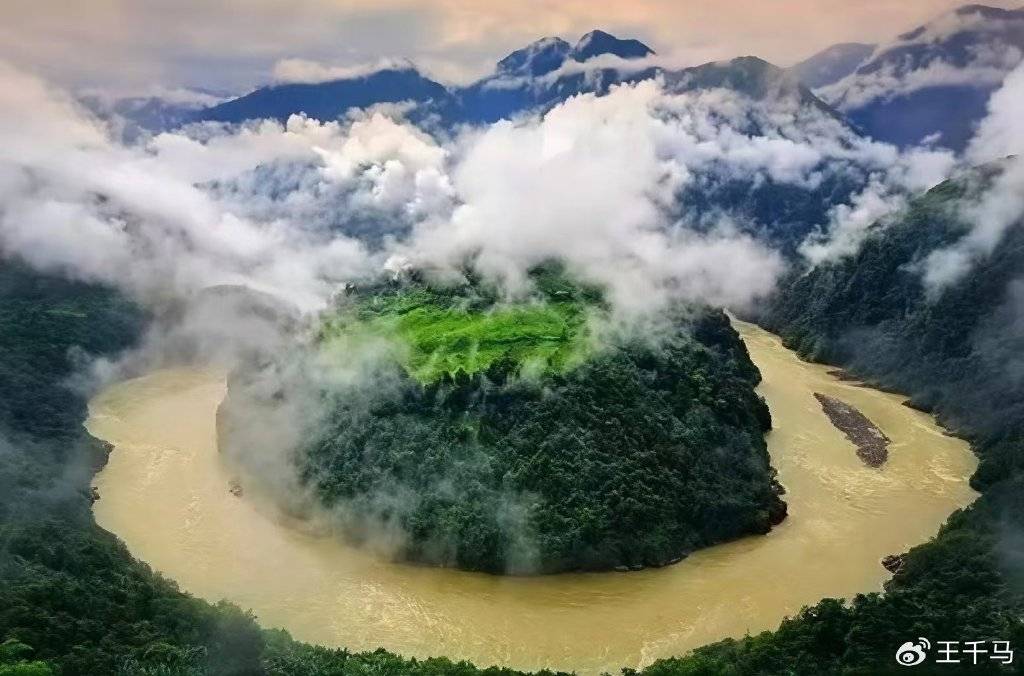
Core Insights - The Yarlung Tsangpo River downstream hydropower project, known as the "Yaxi Hydropower Station," is set to achieve a record installed capacity of 70 million kilowatts, significantly impacting global energy dynamics [1][3] - This project is not only about energy supply but also plays a crucial role in national energy security, geopolitical stability, and achieving carbon neutrality goals [1][4] Energy Security Restructuring - China faces significant energy security challenges, with oil dependency at 67.4% and natural gas dependency at 38.9% in 2024 [4] - The Yaxi Hydropower Station is expected to provide 300 billion kilowatt-hours of clean electricity annually, equivalent to 150 million tons of oil, reducing oil import reliance by approximately 5% [4][6] - The project enhances energy autonomy by 3-5 percentage points, providing a buffer against international energy market fluctuations [6] Acceleration of Carbon Neutrality Goals - The hydropower station will generate 300 billion kilowatt-hours of zero-carbon electricity annually, saving 90 million tons of standard coal and reducing CO2 emissions by 300 million tons, about 3% of China's current annual emissions [7] - It will serve as a core hub for integrating wind and solar energy resources, improving overall renewable energy efficiency and addressing intermittency issues [7] Timely Construction - The first batch of units is expected to be operational by 2030, aligning with China's peak carbon emissions period, while full completion is anticipated around 2035 [9] Regional Economic Development - The project represents a direct investment of 1.2 trillion yuan, potentially generating several trillion yuan in economic activity across various sectors [10] - It is projected to create millions of jobs and significantly improve local income and living standards [10] - The Yaxi Hydropower Station will facilitate the "West-to-East Power Transmission" strategy, alleviating energy shortages in eastern regions and optimizing resource allocation [10] New Phase of Energy Strategy - The construction of the Yaxi Hydropower Station marks a new phase in China's energy strategy, enhancing national energy security and reshaping the global clean energy landscape [12]