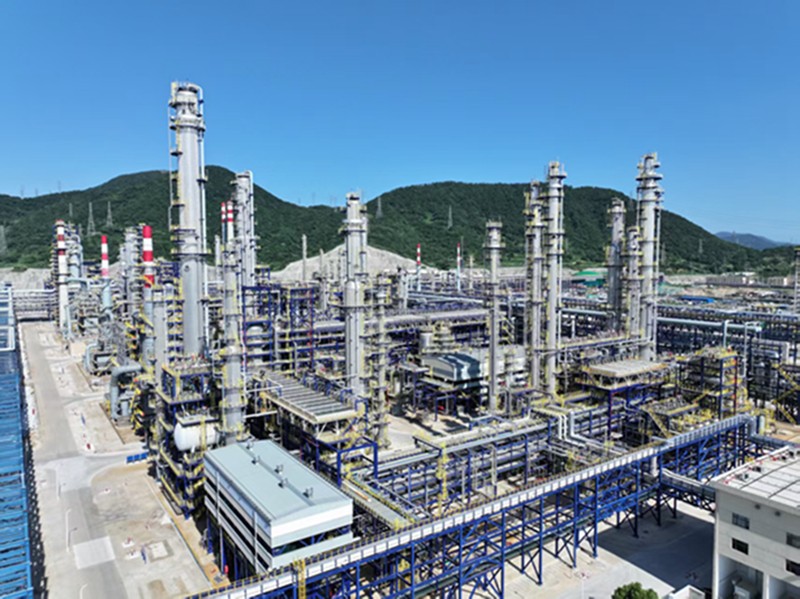
绿色转型

Search documents
弘业期货(001236) - 2025年12月31日投资者关系活动表
2025-12-31 08:30
Group 1: Industry Development and Trends - The futures industry is undergoing a structural transformation, characterized by "accelerated product expansion, structural optimization, and deepened openness" [2][3] - The trend of product expansion is driven by both policy and market demand, leading to a diversified product matrix that includes traditional and emerging sectors [3] - The integration of technology, including AI and blockchain, is expected to enhance efficiency and security across the industry [3] Group 2: Financial Performance Metrics - As of June 30, 2025, the average daily client equity reached RMB 7.306 billion, reflecting strong trust from quality industrial clients and professional investors [4] - The asset management scale was reported at RMB 3.102 billion, indicating a focus on optimizing business structure and meeting client needs [5] Group 3: Risk Management and Business Operations - The company has developed a diversified risk management system covering spot trading, market-making, and OTC derivatives, with PVC and lithium carbonate being key profit sources [6] - The company has successfully implemented innovative strategies, such as "copper basis + options," to help clients optimize procurement costs and secure profits [6] Group 4: Regulatory Environment - The China Securities Regulatory Commission (CSRC) maintains a strict regulatory stance, with new guidelines expected to be released that will impact the futures industry [7][8] - The upcoming "Futures Company Supervision Management Measures" will set different capital requirements for various business types, aiming to guide the industry towards healthy development [8] Group 5: Customer Acquisition Strategies - The company employs a "layered and precise customer acquisition" strategy, focusing on individual, industrial, and institutional clients to enhance compliance and efficiency [9] - Measures include developing policies based on new customer acquisition, client maintenance, and activity metrics, alongside deepening engagement with core customer groups [9] Group 6: Future Business Focus - The company aims to strengthen risk management as a strategic priority while transitioning towards a diversified asset management model [11] - Plans include expanding global operations and enhancing service capabilities across major financial centers, aiming for a significant contribution to overall revenue and profit [11]

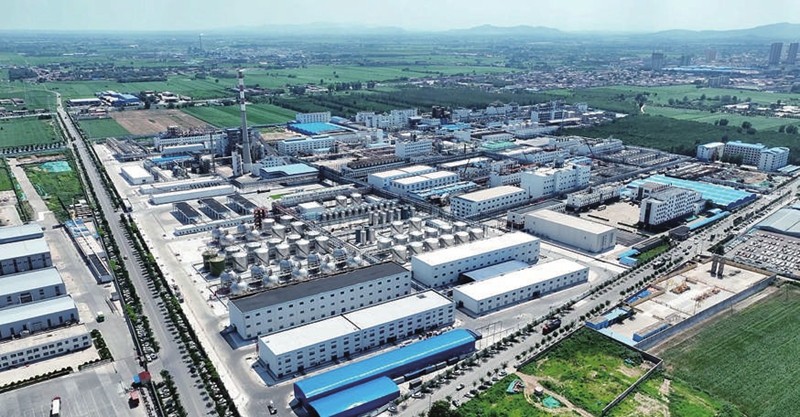
河北诚信:逐绿以进 向新而行
Zhong Guo Hua Gong Bao· 2025-12-31 07:23
Core Viewpoint - Hebei Chengxin Group is focusing on green transformation and technological innovation to evolve from traditional chemical production to a comprehensive enterprise that emphasizes green, intelligent, and high-end development [1][21]. Green Transformation and Efficiency Improvement - The "Five Satisfaction" goals serve as a strategic guide for Hebei Chengxin, reflecting its commitment to sustainable development and balancing economic and environmental benefits [2]. - The company has established a green manufacturing system covering the entire industrial chain, emphasizing energy conservation, emission reduction, and efficiency enhancement [2]. - Hebei Chengxin has implemented energy-saving technologies and upgraded existing production equipment, achieving a 20% reduction in comprehensive energy consumption compared to pre-transformation levels [7]. Circular Economy and Resource Utilization - The company is constructing a circular economy model to enhance resource utilization and reduce waste emissions, including deep treatment of wastewater for reuse in production [3]. - Hebei Chengxin has improved the comprehensive utilization rate of solid waste and is actively exploring recycling pathways for by-products [3]. Energy Structure Transformation - Hebei Chengxin is accelerating the application of renewable energy sources like solar and wind power, reducing reliance on fossil fuels [6]. - The company has established wind farms in Inner Mongolia and Cangzhou to meet part of its production electricity needs [6]. Economic Benefits of Green Transformation - The green transformation has led to significant economic returns, including savings of millions in raw material procurement costs and hundreds of thousands in energy expenses annually [7]. - The market competitiveness of green products has increased, enhancing brand value and social image [7]. Digital and Intelligent Transformation - Hebei Chengxin is prioritizing digital, networked, and intelligent development during the "14th Five-Year Plan" period, aiming to create a comprehensive intelligent operation system [8]. - The company has implemented smart upgrades in production systems, resulting in a 15% increase in labor productivity [8]. Market Expansion and Global Layout - The company is pursuing a dual domestic and international market strategy, establishing a global business network in the fine chemical industry [14]. - Hebei Chengxin has seen stable growth in exports to RCEP member countries, with over 20% of total exports in key products like cyanides and chelating agents [15]. Technological Innovation and R&D - As a national technology innovation demonstration enterprise, Hebei Chengxin emphasizes R&D and talent cultivation, with a strong focus on the cyanide industry chain [19]. - The company has obtained 91 authorized invention patents and 215 utility model patents, contributing to its industry influence [20]. Future Development Outlook - Hebei Chengxin aims to continue its focus on innovation, green development, intelligent transformation, and market expansion, with sales exceeding 40 billion yuan [21]. - The company plans to enhance its competitive edge by extending into end-product fields and optimizing its internal circular industrial chain [21].

从决胜到开局
Jing Ji Wang· 2025-12-31 07:14
Group 1 - The year 2025 is significant as it marks both the decisive year of the "14th Five-Year Plan" and the planning year for the "15th Five-Year Plan" [1] - The Central Economic Work Conference focuses on the current economic situation and outlines strategies for expanding domestic demand, supporting the private economy, advancing artificial intelligence, promoting institutional openness, facilitating green transformation, ensuring coordinated development, and enhancing urban-rural integration [1] - These strategies are crucial not only for the long-term strategic layout of the country but also closely related to the daily lives and happiness of the citizens [2] Group 2 - The article emphasizes the importance of understanding the implications of the "15th Five-Year Plan" suggestions, particularly in the context of consumption upgrades and the integration of quality goods and services into everyday life [2] - It highlights opportunities for small and medium-sized enterprises in the AI era and addresses challenges related to home-based elderly care [2] - The publication aims to provide valuable development references for the new journey of the "15th Five-Year Plan" by interviewing experts, scholars, and business representatives [2]
鲁西集团:锚定一流 破局向新
Zhong Guo Hua Gong Bao· 2025-12-31 06:31
Core Viewpoint - Lu Xi Group has successfully transformed from a traditional chemical enterprise into a modern, international, and comprehensive chemical company, focusing on high-end new materials during the 14th Five-Year Plan period, amidst various challenges such as global industrial chain restructuring and carbon neutrality goals [1][4][24]. Group 1: Transformation and Development - Lu Xi Group has evolved from a small nitrogen fertilizer company established in 1976 to a leading player in the chemical industry, achieving significant breakthroughs in technology innovation, green transformation, and project construction [1][4]. - The company has invested a total of 17.7 billion yuan over the past five years, establishing 12 key projects, including a 1 million tons/year caprolactam and nylon 6 production facility, and the world's largest single 400,000 tons/year silicone monomer production unit [5][6]. - By the end of the 14th Five-Year Plan, Lu Xi Group has built over 70 chemical installations, producing more than 1,000 tons of chemical products annually, with leading positions in formic acid and polycarbonate production [6][24]. Group 2: Innovation and Technology - Lu Xi Group has made significant advancements in innovation, including the development of a high-efficiency formic acid hydrogen production technology, which has been recognized as a domestic leader [9][10]. - The company has established a complete product system covering 18 types of catalysts, achieving an annual output value exceeding 400 million yuan through joint research and independent innovation [10][11]. - Lu Xi Group has over 1,000 patents and has established long-term cooperative relationships with prestigious universities and research institutions to accelerate the application of innovative results [11][24]. Group 3: Management and Efficiency - The company has implemented a digital management system across production, procurement, and sales, achieving 100% online business processes and enhancing decision-making efficiency by 40% through a streamlined management structure [14][15]. - Lu Xi Group has adopted a cost control philosophy, achieving annual cost reductions exceeding 70 million yuan through various optimization measures [15][18]. - The company emphasizes talent as a primary resource, implementing incentive mechanisms to stimulate innovation and efficiency [11][15]. Group 4: Safety and Environmental Protection - Lu Xi Group prioritizes safety and environmental protection, achieving a 98.7% hidden danger rectification rate through a grid-based safety management model [18][19]. - The company has made strides towards becoming a zero-emission park, with 100% wastewater recycling and solid waste resource utilization rates [19][20]. - Lu Xi Group has developed a carbon peak and carbon neutrality action plan, aiming for a carbon emission intensity of 3.5 tons per 10,000 yuan of output value by 2025, which is 1.4% lower than the target [20][24]. Group 5: Global Cooperation and Market Expansion - Lu Xi Group has actively participated in international cooperation, showcasing its clean energy development plans at the China-Africa Cooperation Forum and establishing partnerships with Nigerian enterprises [23][24]. - The company has seen a 91% year-on-year increase in exports of chemical and fertilizer products, with its formic acid market share in Japan rising to 22% [23][24]. - Lu Xi Group aims to become a global leader in the chemical new materials industry, focusing on high-end, intelligent, and green development [25].

千年舟田茂华:以前沿探索驱动板材行业高质量发展引擎
Xin Lang Cai Jing· 2025-12-31 05:29
Core Insights - The company, QianNianZhou, has been recognized for its innovative products and technologies, receiving multiple awards and certifications, including the CIAA Antibacterial Certification and the title of "Innovative Zhejiang Science and Technology Star" [1][3] - Under the leadership of General Manager Tian Maohua, QianNianZhou is committed to high-quality development, focusing on consumer needs and promoting a healthy, low-carbon lifestyle through its products [3][4] Group 1: Industry Positioning and Strategy - QianNianZhou is positioned as a leader in the green technology board materials sector, emphasizing quality development and responding to evolving consumer demands for health, quality, and ecological sustainability [3][4] - The company aims to lead the industry transformation by integrating green, digital, and intelligent manufacturing, achieving significant advancements in its operational capabilities [4][5] Group 2: Technological Innovations - The company has established a collaborative research framework involving over a hundred professionals, including academicians, to drive technological breakthroughs in antibacterial and environmental standards [5][7] - QianNianZhou has pioneered the application of graphene materials in artificial boards, enhancing product features such as antibacterial properties and formaldehyde neutralization [7][9] Group 3: Product Development and Market Performance - The introduction of new product lines, such as the New Zealand Pure Pine Board and the "Grass and Wood Extract" series, reflects the company's commitment to innovation and meeting diverse consumer needs [17][18] - QianNianZhou has achieved significant market recognition, being named the top seller in various categories, including antibacterial board materials and flame-retardant boards [18] Group 4: Commitment to Sustainability - The company actively promotes a low-carbon strategy, establishing a comprehensive ESG framework that encompasses green manufacturing, products, and services [19][20] - QianNianZhou has initiated various environmental initiatives, including large-scale afforestation projects, contributing to carbon absorption and ecological restoration [19][20] Group 5: Cultural Integration and Brand Value - The company integrates traditional Chinese culture into its product design, collaborating with cultural heritage artisans to create unique home decor items that resonate with consumers [23][24] - QianNianZhou's approach to brand value emphasizes emotional connection and cultural significance, enhancing consumer experience and loyalty [22][24]
国家发改委划重点!零碳园区需关注绿电直供等5个方面
2 1 Shi Ji Jing Ji Bao Dao· 2025-12-31 05:06
Core Viewpoint - The establishment of national-level zero-carbon parks is a critical step for China to transition from single-point innovation in renewable energy, energy conservation, and pollution control technologies to systematic innovation, serving as a model for building a "zero-carbon society" in the future [1]. Group 1: Characteristics of National-Level Zero-Carbon Parks - The first batch of 52 parks has a balanced geographical distribution, with at least one park selected from each province, encouraging local exploration based on regional conditions [2]. - These parks are expected to have strong capabilities for local consumption of renewable energy, with a projected direct supply ratio of no less than 50% of the parks' electricity consumption [3]. - The parks are primarily focused on the renewable energy and advanced manufacturing industries, creating a virtuous cycle of producing green products through green energy [4]. - Among the 52 parks, 24 are advancing major projects related to zero-carbon parks, while another 24 have initiated preliminary work, and 4 have established clear construction path plans [4]. - Once completed, the parks are expected to achieve a carbon emission of approximately 0.25 tons per ton of standard coal, which is only one-tenth of the current average level across national parks [4]. Group 2: Implementation and Expectations - Inclusion in the construction list does not equate to the completion of a zero-carbon park; parks must meet specific core and guiding indicators and pass evaluations to officially become national-level zero-carbon parks [4]. - The announcement of the construction list aims to create a "green transformation highland" rather than a "policy lowland," emphasizing the need for scientifically developed construction paths and ensuring the feasibility of technical solutions and project implementations [5].
拉美观察丨2025中拉经贸合作迈上新台阶
Xin Lang Cai Jing· 2025-12-31 04:31
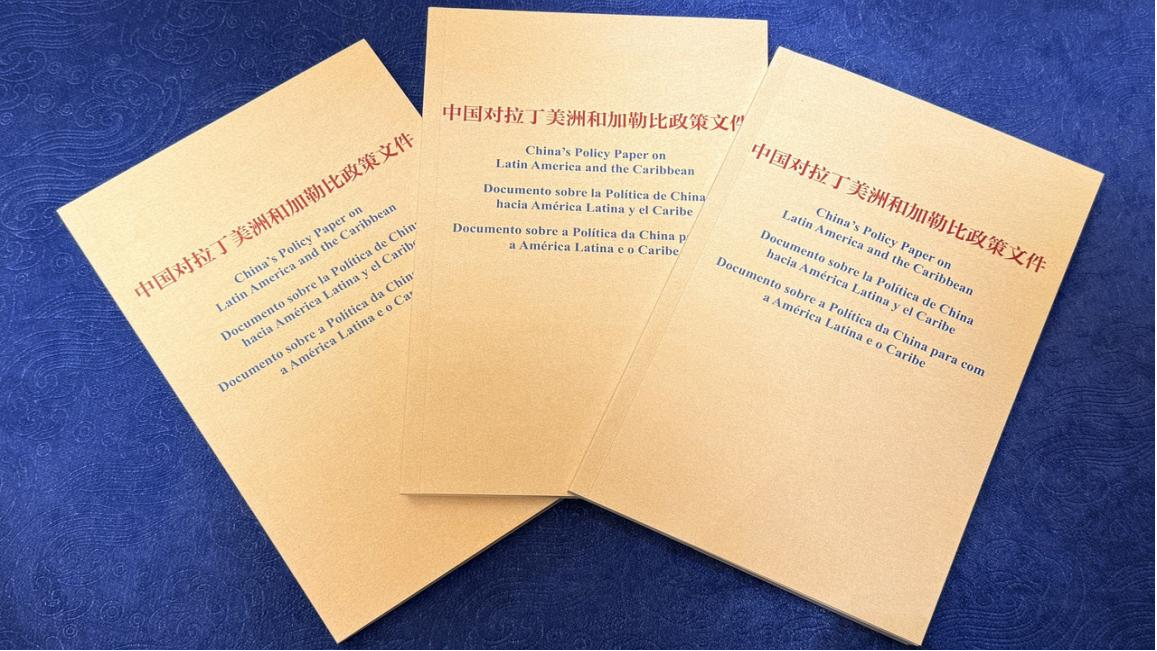
Core Viewpoint - The year 2025 presents two contrasting scenarios for Latin America: a resurgence of protectionism and a more autonomous, confident "Global South" cooperation, with significant developments in trade and investment between China and Latin American countries [1] Group 1: Policy and Framework - The China-Latin America Cooperation Forum, established in 2014, has evolved from "vision and consensus" to "mechanism and rules," enhancing stability and predictability in cooperation [2] - In December 2025, China released its third policy document on Latin America, outlining five major cooperation projects and establishing a framework for free trade agreements with several countries [3][4] Group 2: Trade and Logistics - The opening of the Qianhai Port in Peru in November 2024 has significantly reduced shipping times from Peru to Asia from approximately 35 days to around 23 days, lowering logistics costs by over 20% [6] - By December 2025, the cumulative import and export value through the Qianhai to Shanghai direct shipping route reached 5.57 billion yuan, with a total of 205,000 tons of goods traded [6] Group 3: Industrial Cooperation - Chinese companies are increasingly focusing on local production and supply chains in Latin America, with significant investments in the automotive sector, including a factory in Brazil with a total investment of approximately 7.01 billion yuan [7] - In the consumer electronics market, Chinese smartphone brands have established production lines in Brazil, achieving a monthly peak capacity of 100,000 units [8] Group 4: Energy and Infrastructure - Chinese investments in renewable energy projects, such as solar power in Brazil, are providing a sustainable energy foundation for local manufacturing, with a total installed capacity of 425 megawatts [9] Group 5: Financial and Multilateral Cooperation - In May 2025, China announced a credit line of 66 billion yuan for Latin American countries, emphasizing the importance of diversifying financial tools to enhance resilience against external shocks [10] - The cooperation agenda has expanded beyond trade to include finance, technology, and sustainable development, as seen in the discussions at the BRICS summit in July 2025 [11] Group 6: Green Transition and Sustainable Development - The collaboration on green technology and sustainable practices is becoming increasingly important, with projects like the electric bus system in Copiapó, Chile, showcasing the commitment to low-carbon transitions [11][12] Group 7: Future Outlook - The year 2025 marks the beginning of a new "golden decade" for China-Latin America cooperation, emphasizing the deepening of economic ties and cultural exchanges as a response to global uncertainties [13]
特稿丨原铝“天花板”下,再生铝如何走通“再生”路径
Xin Lang Cai Jing· 2025-12-31 04:12
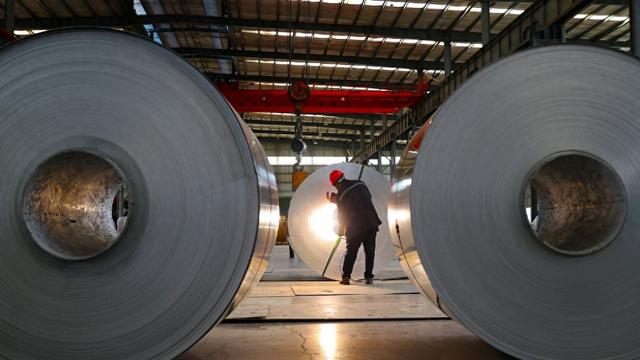
Core Viewpoint - The Chinese aluminum industry is experiencing growth in both production and consumption, but faces significant challenges such as high dependence on imported bauxite and substantial energy consumption and carbon emissions. The rise of recycled aluminum is seen as a crucial solution to address resource and environmental constraints [2][3][4]. Industry Overview - In 2024, China's aluminum production and consumption continued to grow, maintaining its position as the world's largest producer for 23 consecutive years. The industry comprises over 4,000 enterprises and employs more than 800,000 people [2]. - The global demand for aluminum is increasing, with global consumption reaching 72.77 million tons in 2024, a 3.8% year-on-year increase. China's consumption accounted for over 60% of this total [5]. Recycled Aluminum Significance - Recycled aluminum is viewed as a key pathway for reducing carbon emissions in the aluminum industry, with significant advantages in energy consumption and cost savings compared to primary aluminum production [3][4][8]. - In 2024, China's recycled aluminum production surpassed 10 million tons, marking an 11.1% increase year-on-year, and accounted for approximately 24% of the total aluminum production [7]. Economic and Strategic Benefits - The production of recycled aluminum consumes only 3-5% of the energy required for primary aluminum production, leading to a cost advantage of 1,500-2,500 yuan per ton [9]. - Recycled aluminum reduces dependence on foreign bauxite resources, with China's bauxite import dependency reaching 68% in 2024. The development of recycled aluminum is essential for enhancing resource security [10]. Challenges in the Recycled Aluminum Sector - The supply of scrap aluminum remains a significant constraint, with domestic recycling systems still developing. The quality and stability of scrap aluminum supply are critical for the industry's growth [11][12]. - The current recycling system is fragmented and dominated by informal players, leading to challenges in quality control and cost management [12][13]. Policy and Industry Development - The Chinese government is increasingly focusing on the development of the recycled aluminum sector, with initiatives aimed at establishing standardized recycling systems and promoting technological advancements [13][14]. - The "Implementation Plan for High-Quality Development of the Aluminum Industry (2025-2027)" aims to increase recycled aluminum production to over 15 million tons by 2027 [19]. Market Dynamics and Future Outlook - The recycled aluminum market is experiencing structural differentiation, with high demand from sectors like electric vehicles and aerospace, while traditional sectors remain price-sensitive [21]. - The industry is witnessing a shift towards high-quality development, with calls for improved governance and collaboration among government, industry associations, and enterprises to address existing challenges [22].
深海逐梦 能源筑基——中国海油“十四五”高质量发展纪实
Zhong Guo Hua Gong Bao· 2025-12-31 02:53
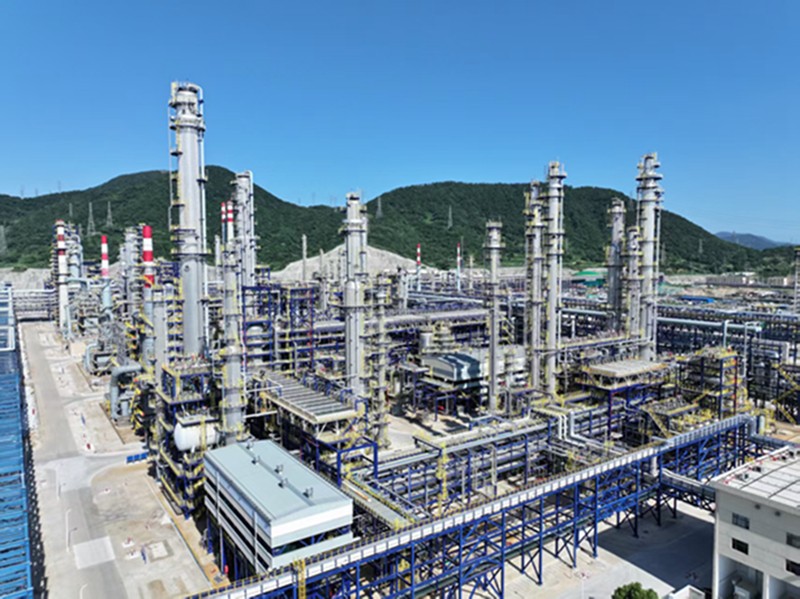
Core Viewpoint - The "14th Five-Year Plan" marks a significant period for China's energy transition, with China National Offshore Oil Corporation (CNOOC) playing a crucial role in ensuring national energy security and advancing towards deep-sea exploration and green transformation [1] Production Growth - CNOOC has achieved a remarkable increase in oil and gas production, with a projected cumulative production of over 40 million tons of oil equivalent from the Bohai Oilfield by 2025, setting a historical record [1] - The company has implemented key technologies such as precise water injection and stable oil control, effectively managing the natural decline rate of mature oil fields, leading to a 33% increase in domestic crude oil production during the "14th Five-Year Plan" [4][5] - In the South China Sea, CNOOC's East South Sea Oilfield has consistently produced over 20 million tons annually, with significant developments in the "Deep Sea No. 1" gas field, increasing peak annual production from 3 billion cubic meters to 4.5 billion cubic meters [5] Exploration Breakthroughs - CNOOC has made substantial progress in oil and gas exploration, with a 27% increase in proven oil reserves and a 75% increase in natural gas reserves compared to the "13th Five-Year Plan" [7] - The company has successfully discovered major oil fields in complex geological structures, including the Bohai Sea and deep-water areas, enhancing its exploration capabilities and contributing to global competitiveness [8][10] Technological Independence - CNOOC has achieved significant advancements in deep-water oil and gas exploration technology, becoming the third country globally capable of independent deep-water resource development [11] - The company has developed the world's first 100,000-ton deep-water semi-submersible production and storage platform, showcasing its technological innovations and contributing to the domestic marine engineering equipment industry [12][13] Regional Empowerment - CNOOC has aligned its investments with national strategies, focusing on key regions such as the Beijing-Tianjin-Hebei area and the Guangdong-Hong Kong-Macao Greater Bay Area, with a 48% increase in total investment for energy layout [16] - The company has played a vital role in ensuring energy supply in various regions, with significant contributions to local economies and the establishment of a collaborative development model between energy and industry [17][18] Green Transformation - CNOOC is committed to green projects, enhancing the clean energy ratio in the Guangdong-Hong Kong-Macao Greater Bay Area and implementing carbon capture and utilization projects [18] - The company has made strides in sustainable energy practices, including the establishment of the first coastal LNG refueling station in Hainan and the production of green methanol from urban waste [18] Future Outlook - Looking ahead, CNOOC aims to continue its focus on technological innovation, green development, and regional collaboration, contributing to national energy security and the transition to a modern energy system [19]

深海逐梦 能源筑基——中国海油“十四五”高质量发展纪实
Zhong Guo Hua Gong Bao· 2025-12-31 02:14
Core Viewpoint - The "14th Five-Year Plan" marks a significant period for China's energy transition, with China National Offshore Oil Corporation (CNOOC) playing a crucial role in ensuring national energy security through technological innovation, regional collaboration, and green transformation [1][20]. Production Growth - CNOOC has achieved a remarkable increase in oil and gas production, with a projected cumulative output of over 40 million tons of oil equivalent from the Bohai Oilfield by 2025, setting a historical record [1][11]. - During the "14th Five-Year Plan," CNOOC's domestic crude oil production increased by 33%, while natural gas production surged by 73%, significantly contributing to national energy security [5][20]. - The company has implemented key technologies to stabilize production in aging oil fields and accelerate the development of new fields, resulting in a 12% improvement in construction efficiency and a 43.2% conversion rate for new production capacity [4][5]. Exploration Breakthroughs - CNOOC has made significant strides in oil and gas exploration, with a 27% increase in proven oil reserves and a 75% increase in natural gas reserves compared to the "13th Five-Year Plan" [8][9]. - The company has successfully discovered major oil fields in complex geological structures, including the Bohai Sea and deep-water areas, enhancing its exploration capabilities and competitiveness [8][9]. - Notable discoveries include the Kaiping South Oilfield and the Hainan deep-water gas field, which have positioned CNOOC as a leader in deep-water exploration [9][11]. Technological Independence - CNOOC has achieved significant advancements in deep-water oil and gas exploration technologies, becoming the third country globally to possess independent development capabilities in this area [12][13]. - The company has developed the world's first 100,000-ton deep-water semi-submersible production and storage platform, showcasing its technological prowess [13][14]. - CNOOC's innovations in LNG storage technology have led to the construction of 18 large-scale LNG tanks, dominating the global market [14]. Regional Empowerment - CNOOC has aligned its investments with national strategies, focusing on key regions such as the Beijing-Tianjin-Hebei area and the Guangdong-Hong Kong-Macau Greater Bay Area, with a 48% increase in total investment for energy projects [17][18]. - The company has played a vital role in ensuring energy supply stability in these regions, contributing to local economic development and industrial upgrades [17][19]. - CNOOC's green projects, such as carbon capture and utilization initiatives, have enhanced the clean energy share in regional energy structures [19]. Future Outlook - Looking ahead, CNOOC aims to continue its commitment to technological innovation, green development, and regional collaboration, contributing to national energy security and the transition to a modern energy system [20].