
预制菜

Search documents
探访罗永浩事件后西贝后厨,员工:外卖订单骤降,收入几乎砍半
Feng Huang Wang· 2025-09-12 06:57
摘要: 北京地区的多家店铺都出现了外卖订单量骤降的情况,收入额更是直接腰斩,有员工称,"确实非常委 屈,外卖订单量少了很多,我也很难受"。 直击后厨,订单骤降,员工自称很委屈 其中,罗永浩所点的"草原嫩烤羊排"就出自烤制区。据员工介绍,其出自一台万能蒸烤箱,造价约十几 万元,"烤鱼调好260度,烤9分钟就可以了。" 提及其他菜品是否为预制时,有员工表示,"说咱家是预制,其实就是挺冤枉的,你说这菜出餐几分钟 啊?把这菜扔水里边煮熟了拿出来放上葱油汁就 ok了。我感觉确实没有那么繁琐的工艺,为什么要预 制呢?" 凤凰网科技在另一家西贝后厨看到,冰柜里有各种准备好的备菜青菜,有腌制泡菜显示生产日期为9月9 日。 另有店员告诉凤凰网科技,炖牛肉是从早上5点开始备餐,炖好正餐开餐前,准备好一定量,"有的是两 三餐的量,如果卖不完要转为员工餐,或者是处理掉",相似的说法也在各大社交网络上出现。 另据其中一家门店的负责人称,所谓中央厨房配送的多是门店无法加工的食材,"比如拍黄瓜,把黄瓜 拍成瓣",其称该门店有四个小时工每天从早上5点开始备菜,一直备到厨师上岗,"根本忙不过来"。 除此之外,其也称,罗永浩事件对西贝的生意造成 ...

五芳斋跌2.04%,成交额7679.73万元,主力资金净流出937.44万元
Xin Lang Cai Jing· 2025-09-12 06:30
Company Overview - Wufangzhai, established on April 27, 1998, is located in Jiaxing, Zhejiang Province, and specializes in the research, production, and sales of glutinous rice-based food products [1] - The company was listed on August 31, 2022, and has a total market capitalization of 3.684 billion yuan [1] Financial Performance - For the first half of 2025, Wufangzhai achieved a revenue of 1.592 billion yuan, representing a year-on-year growth of 0.66%, while the net profit attributable to shareholders decreased by 16.70% to 195 million yuan [2] - Since its A-share listing, Wufangzhai has distributed a total of 347 million yuan in dividends [3] Stock Performance - As of September 12, Wufangzhai's stock price was 18.69 yuan per share, with a year-to-date increase of 4.34% [1] - The stock experienced a decline of 2.04% during intraday trading on September 12, with a trading volume of 76.7973 million yuan and a turnover rate of 2.08% [1] - The stock has shown various performance metrics over different time frames: a 1.08% increase over the last 5 trading days, a 6.44% increase over the last 20 days, and a 14.38% increase over the last 60 days [1] Shareholder Information - As of June 30, 2025, Wufangzhai had 16,700 shareholders, an increase of 34.30% from the previous period, with an average of 7,295 circulating shares per shareholder, a decrease of 25.54% [2] - Among the top ten circulating shareholders, Dazhong Strategy Return Mixed A (090007) held 1.2532 million shares, a decrease of 969,300 shares compared to the previous period [3]

吵翻了!西贝上线“罗永浩菜单”
Sou Hu Cai Jing· 2025-09-12 06:27
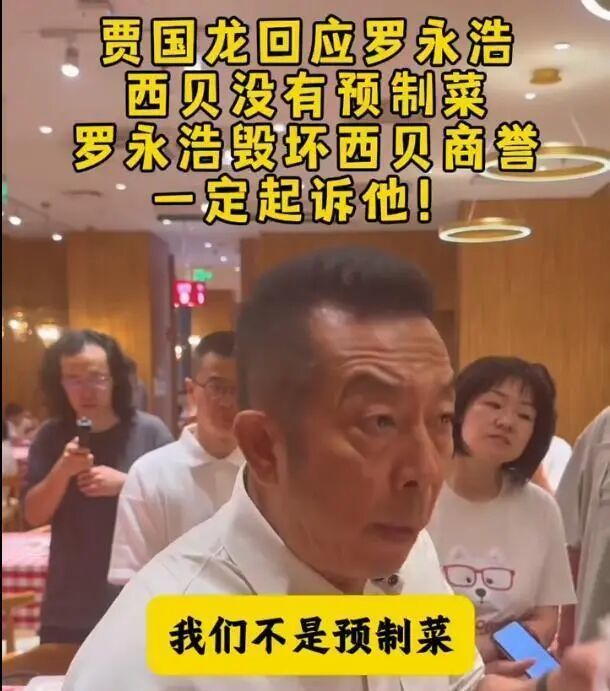
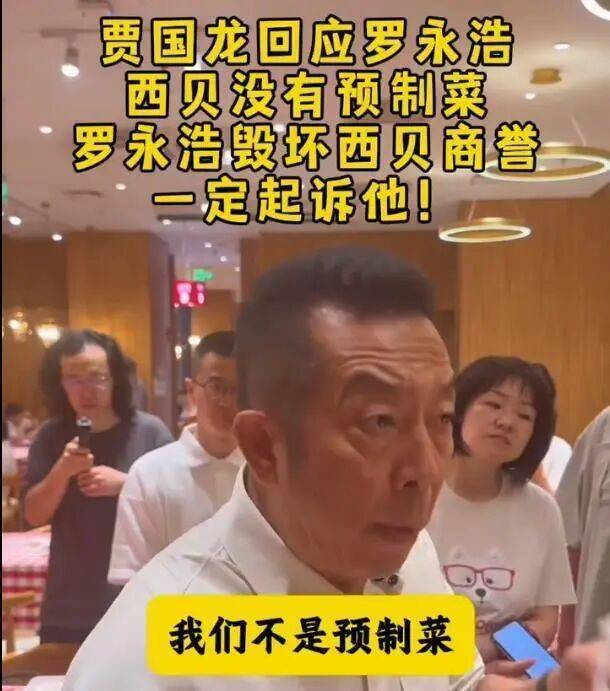
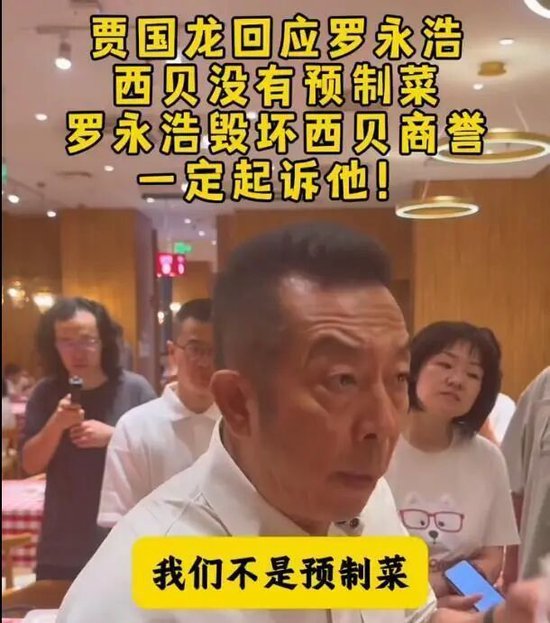
近日,"罗永浩吐槽西贝使用预制菜"事件引起广泛关注。 西贝宣布将从今日(9月12日)起,在全国所有门店上线"罗永浩菜单"。西贝创始人、董事长贾国龙澄 清,这不是一个固定的套餐,而是罗永浩点过的菜品列表,消费者可以任意点选。西贝为此提供了两大 承诺:第一,"不好吃,不要钱",顾客可以随时退单;第二,欢迎顾客随时进入后厨,参观任何一道菜 的制作全过程。 9月11日晚间,贾国龙表示将对罗永浩提起诉讼,以此反击其此前的负面言论。贾国龙在接受采访时, 就"是否会起诉罗永浩"一问做出明确且强硬的表态。"一定会,我们一定会起诉他,一定一定会起诉 他!"贾国龙连用三个"一定"来强调他的决心。他表示:"他对我们的伤害是很大的,一定会起诉。" 据媒体报道,贾国龙在最新的采访中,详细复盘了罗永浩的就餐过程,并抛出了两个关键细节:罗永浩 一行人当场反馈"挺好",且结账时累积了会员积分。 据西贝餐饮集团官网介绍,1988年,西贝诞生于内蒙古巴彦淖尔市,截至2025年西贝全国拥有近400家 门店,覆盖全国62个城市,员工人数约17000人。 综合自:中国经济网、罗永浩微博、智通财经等 责编:罗晓霞 校对:赵燕 面对贾国龙的起诉表态,罗永 ...
预不预制,好不好吃?
Hu Xiu· 2025-09-12 06:21
Core Points - The article discusses the distinction between facts, opinions, and emotions regarding the use of pre-prepared dishes in restaurants [1][2][3][4][6][10][15][16][18][20][22]. Group 1: Definitions and Standards - The article emphasizes that there is a national standard defining what constitutes pre-prepared dishes [15][16]. - It mentions that while there was initially no standard for pre-prepared dishes, a common consensus has emerged around a specific definition [17][18]. Group 2: Subjectivity and Data - The article highlights that taste is subjective, and opinions on whether a restaurant is good or bad can vary widely [7][8]. - It presents data from a survey of 10,000 people, revealing that 51% found a restaurant tasty while 49% did not, illustrating the role of data in forming opinions [9][10]. Group 3: Emotional Responses and Disputes - Emotional responses to a restaurant's quality can lead to frustration, which may be expressed privately or publicly [11][12][14]. - The article suggests that arguments about subjective opinions are often unproductive unless there is a clear standard or definition established beforehand [21][23].
吵翻了!西贝上线“罗永浩菜单”
券商中国· 2025-09-12 06:11
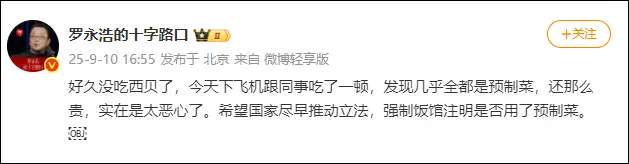
据西贝餐饮集团官网介绍,1988年,西贝诞生于内蒙古巴彦淖尔市,截至2025年西贝全国拥有近400家门店,覆盖全国62 个城市,员工人数约17000人。 综合自:中国经济网、罗永浩微博、界面新闻等 责编:罗晓霞 校 对:赵燕 近日,"罗永浩吐槽西贝使用预制菜"事件引起广泛关注。 西贝宣布将从今日(9月12日)起,在全国所有门店上线"罗永浩菜单"。 西贝创始人、董事长 贾国龙澄清,这不是一个 固定的套餐,而是罗永浩点过的菜品列表,消费者可以任意点选。西贝为此提供了两大承诺:第一,"不好吃,不要 钱",顾客可以随时退单;第二,欢迎顾客随时进入后厨,参观任何一道菜的制作全过程。 本次事件的起因是,9月10日下午,罗永浩在社交账号发文吐槽,自己和同事去西贝吃饭,"发现几乎全都是预制菜,还 那么贵","希望国家尽早推动立法,强制饭馆注明是否用了预制菜"。西贝客服人员在接受媒体采访时,否认了罗永浩关 于预制菜的说法,称"不存在预制"。不少网友一边"吃瓜"一边参与讨论。 9月11日晚间,贾国龙表示将对罗永浩提起诉讼,以此反击其此前的负面言论。贾国龙在接受采访时,就"是否会起诉罗 永浩"一问做出明确且强硬的表态。"一定会,我 ...
罗永浩10万征集线索,西贝开放后厨让顾客参观,这场闹剧谁对谁错
Mei Ri Jing Ji Xin Wen· 2025-09-12 06:05
Core Viewpoint - The core controversy revolves around the allegations made by public figure Luo Yonghao regarding the use of pre-prepared dishes at Xibei, which the founder, Jia Guolong, vehemently denies, asserting that all dishes are freshly made and not pre-prepared [3][12][14]. Group 1: Company Response - Jia Guolong expressed his frustration over Luo Yonghao's comments, stating that Xibei has not used pre-prepared dishes since the beginning of the year and differentiating between pre-prepared and pre-cooked dishes [12][14][16]. - Starting September 12, Xibei will allow customers to view the kitchen and the preparation process to ensure transparency regarding the freshness of their dishes [3][14]. - Jia Guolong publicly shared the bill from Luo Yonghao's visit, which totaled 833 yuan for 14 dishes, to counter the claims of poor quality and high prices [8][10]. Group 2: Industry Context - The dispute highlights a broader issue within the restaurant industry regarding the standards and definitions of pre-prepared dishes, as well as the need for greater transparency [19]. - Jia Guolong acknowledged that while Xibei does not use pre-prepared dishes, he does not oppose the concept, recognizing its potential benefits in terms of efficiency and food safety [17][18]. - The incident has prompted discussions about the need for stricter regulations in the pre-prepared food industry to ensure quality and consumer trust [18][19].
对话西贝前后厨员工:究竟用没用预制菜?
Feng Huang Wang Cai Jing· 2025-09-12 05:59
Group 1 - The controversy surrounding "pre-made dishes" has put Luo Yonghao and Xibei in the spotlight, with both parties holding opposing views and public opinion being highly charged [1] - Luo Yonghao criticized Xibei for serving mostly pre-made dishes at high prices and called for legislation to require restaurants to disclose the use of pre-made dishes [1] - Xibei's founder, Jia Guolong, responded strongly, stating intentions to sue Luo for damaging the company's reputation and announced that all Xibei kitchens would be open to the public starting September 12 [1] Group 2 - A former Xibei kitchen employee commented on social media, acknowledging that while the portions are small and prices high, the dishes are not pre-made as they are prepared fresh daily [2] - The employee explained that dishes like "potato stewed beef" are prepared in the morning with fresh ingredients and then cooked, but they are stored in a cold cabinet to maintain flavor until served [4][5] - The employee clarified that while some dishes are prepared in advance, they are not considered pre-made as they are cooked fresh for customers upon ordering [11][19]
闹大了!罗永浩悬赏10万元征集证据,贾国龙:气到半夜睡不着喝酒,开放后厨所有人可随时进入参观!于东来、华与华董事长发声
Sou Hu Cai Jing· 2025-09-12 05:51
Core Viewpoint - The controversy surrounding the use of pre-prepared dishes at Xibei has escalated following public criticism from a prominent figure, leading to a commitment from the company to demonstrate transparency in its kitchen operations and clarify its stance on food preparation methods [3][11][12]. Group 1: Company Response - Xibei's founder, Jia Guolong, emphasized that all 370 Xibei locations do not use pre-prepared dishes, distinguishing between pre-prepared and pre-processed foods [12][14]. - Starting September 12, Xibei will publicly display the menu ordered by the critic and allow customers to observe kitchen operations to verify the absence of pre-prepared dishes [3][12]. - Jia Guolong expressed that the company is willing to refund customers if they are unsatisfied with the food, reinforcing their commitment to quality [3][12]. Group 2: Public Controversy - The dispute began when the critic, Luo Yonghao, claimed on social media that Xibei's dishes were primarily pre-prepared and overpriced, prompting a strong reaction from Jia Guolong [3][4][11]. - Luo has since offered a reward for evidence supporting his claims, escalating the situation into a contest of proof regarding the food preparation methods used by Xibei [4][11]. - The incident has drawn attention from other industry figures, with some expressing support for Xibei and acknowledging the challenges faced by restaurant brands [4][6]. Group 3: Industry Insights - Jia Guolong acknowledged that while Xibei does not use pre-prepared dishes, he does not oppose the concept, recognizing its potential benefits in terms of efficiency and food safety [15][16]. - He noted that the pre-prepared food industry needs to develop more healthily and at a measured pace, suggesting that regulatory frameworks should be established to ensure quality and safety [15][16]. - The ongoing debate highlights the need for greater transparency in the restaurant industry and the establishment of clear standards for pre-prepared food [16].
贾国龙:气到半夜睡不着喝酒,开放后厨所有人可随时进入参观!于东来、华与华董事长发声
Mei Ri Jing Ji Xin Wen· 2025-09-12 05:50
Core Viewpoint - The ongoing dispute between Xibei and influencer Luo Yonghao centers around accusations of using pre-prepared dishes, with Xibei's founder, Jia Guolong, vehemently denying these claims and emphasizing the restaurant's commitment to fresh ingredients and transparency [1][15][19]. Group 1: Company Response - Xibei will begin to publicly display the menu that Luo Yonghao ordered and allow customers to observe the kitchen operations to verify the absence of pre-prepared dishes [3][10]. - Jia Guolong expressed that the term "disgusting" used by Luo Yonghao is particularly damaging to their brand reputation, prompting a potential legal response [10][13]. - Xibei has previously sold pre-prepared dishes but has eliminated them entirely this year based on consumer feedback [18][19]. Group 2: Industry Context - The controversy highlights a broader industry issue regarding the standards and transparency of pre-prepared dishes in the restaurant sector [20]. - Jia Guolong acknowledges that while Xibei does not use pre-prepared dishes, he does not oppose the concept, recognizing its potential benefits in efficiency and food safety [19][20]. - The incident has sparked discussions about the need for clearer regulations and standards in the pre-prepared food industry to ensure consumer trust and safety [20].
惠发食品跌2.09%,成交额1.18亿元,主力资金净流出536.12万元
Xin Lang Zheng Quan· 2025-09-12 05:26
Core Viewpoint - The stock price of Huifa Food has experienced fluctuations, with a year-to-date decline of 7.53% and recent gains over various trading periods, indicating volatility in investor sentiment and market performance [2]. Group 1: Stock Performance - As of September 12, Huifa Food's stock price was 10.80 CNY per share, with a trading volume of 1.18 billion CNY and a turnover rate of 4.49%, resulting in a total market capitalization of 2.642 billion CNY [1]. - Year-to-date, Huifa Food's stock has decreased by 7.53%, but it has seen a 1.69% increase over the last five trading days, a 16.38% increase over the last 20 days, and a 9.09% increase over the last 60 days [2]. - The company has appeared on the "Dragon and Tiger List" once this year, with the most recent appearance on March 5, where it recorded a net purchase of 2.6524 million CNY [2]. Group 2: Financial Performance - For the first half of 2025, Huifa Food reported a revenue of 735 million CNY, reflecting a year-on-year decrease of 17.75%, and a net profit attributable to shareholders of -29.9936 million CNY, down 82.54% year-on-year [3]. - Since its A-share listing, Huifa Food has distributed a total of 73.8826 million CNY in dividends, with 4.8928 million CNY distributed in the last three years [4]. Group 3: Business Overview - Huifa Food, established on February 2, 2005, and listed on June 13, 2017, is located in Zhucheng, Shandong Province, and specializes in the research, production, and sales of frozen food products, including various types of prepared dishes [2]. - The company's main business revenue composition includes supply chain (34.76%), meatballs (20.18%), fried products (15.20%), Chinese dishes (9.46%), sausage products (8.43%), skewers (6.26%), and others [2]. - Huifa Food is categorized under the food and beverage industry, specifically in food processing and pre-processed foods, and is associated with concepts such as prepared dishes, community group buying, and new retail [2].
