烤羊排

Search documents
进入“20元时代”,中式米饭快餐没有退路
虎嗅APP· 2026-01-29 00:23
Core Viewpoint - The Chinese rice fast food sector is undergoing a significant paradigm shift in 2026, characterized by intense competition among leading brands and the entry of cross-industry players, leading to a consensus that profitability is increasingly difficult to achieve [4][6]. Group 1: Industry Challenges - The primary challenge for Chinese rice fast food brands remains profitability, with industry leaders like Chaoyixing reporting a mere profit of 0.7 yuan per 10 yuan meal [7]. - Rising costs for ingredients, labor, and rent, combined with a return to rational consumer spending, are squeezing profit margins, forcing brands to adapt their business models to survive [8][9]. - The average consumer spending in the rice fast food sector has decreased from 29.7 yuan in 2022 to 27.5 yuan in 2025, indicating a downward trend in pricing [15]. Group 2: Business Model Transformation - Brands are focusing on creating "all-day, all-customer, all-capable" stores to attract a wider customer base and improve profitability [5][10]. - Successful adaptations include diversifying product offerings and enhancing customer experience, as seen with brands like Nanchengxiang and Xiaonv Dangjia, which have introduced new menu items and self-service options [10][11]. - The shift towards a "price down, experience up" strategy is evident, with brands like Xiangcunji and Dami Xiansheng emphasizing fresh, high-quality ingredients while maintaining competitive pricing [18][19]. Group 3: Market Expansion and Competition - The market for Chinese rice fast food is projected to reach 277 billion yuan in 2024, with a potential to exceed 300 billion yuan in 2025, indicating a growing demand for this segment [21]. - Leading brands are rapidly expanding into new regions, with Nanchengxiang opening a new store every 0.85 days on average, while others like Mivun Banfan have paused their aggressive expansion due to operational challenges [23][25]. - The competitive landscape is shifting, with brands needing to adapt their models to local markets rather than relying on a one-size-fits-all approach, as evidenced by the struggles of brands like Chaoyixing and Nanchengxiang in new territories [25][26]. Group 4: Future Outlook - The next decade for Chinese rice fast food will involve a multi-faceted competition focusing on freshness, transparency, intelligence, low pricing, and health [27]. - Brands that can balance cost management with quality and customer experience will be better positioned to thrive in a market where consumer expectations are evolving [28][29].

西贝102家门店关闭:中式餐饮范本可以有多脆弱?
Xin Lang Cai Jing· 2026-01-16 13:22
Core Viewpoint - The ongoing conflict between Jia Guolong and Luo Yonghao highlights the challenges faced by Xibei, a well-known Chinese restaurant brand, as it navigates a significant crisis following public accusations and operational difficulties [2][4]. Group 1: Company Challenges - Xibei has confirmed the closure of 102 stores, marking its largest downsizing effort to date, which reflects the deep challenges faced by the brand after rapid expansion [2][4]. - The company is undergoing a "100-day self-rescue" initiative, which includes product adjustments, price reductions, and employee salary increases to regain customer trust and improve sales [4][5]. - Xibei's human resource costs have risen from 25% to over 30% of revenue, indicating financial strain as the company attempts to attract customers through significant discounts [6]. Group 2: Market Position and Consumer Perception - Xibei's brand positioning has become unclear due to frequent changes, leading to consumer confusion and a perception of high prices, with average spending increasing from 60-80 yuan to 100-120 yuan [7][8]. - The brand's focus on high-quality ingredients and family dining has resulted in a high average ticket price, which is now seen as a barrier to growth in a market where consumers are becoming more price-sensitive [7][8]. Group 3: Strategic Adjustments - The company is shifting its growth strategy from aggressive expansion to a more sustainable approach, accepting a degree of scale reduction and focusing on profitability rather than sheer size [8][9]. - Xibei is reevaluating its supply chain and operational processes to balance quality and efficiency, as the reliance on a centralized kitchen has led to challenges in maintaining food freshness and quality [10][11]. - The brand is exploring new menu options that align with modern health trends while maintaining its core offerings, aiming to enhance customer loyalty and satisfaction [11][12]. Group 4: Industry Implications - Xibei's situation serves as a case study for the broader challenges facing the Chinese restaurant industry, particularly in balancing scale with quality and adapting to changing consumer preferences [11][13]. - The company's recent decisions reflect a shift towards a more cautious and thoughtful approach to growth, which may resonate with other brands in the industry facing similar pressures [12][13].

贾国龙的反思与百日风波后的西贝
Di Yi Cai Jing Zi Xun· 2025-12-26 01:40
Core Insights - The crisis faced by Xibei, triggered by a public criticism from entrepreneur Luo Yonghao, has been described as the biggest challenge in its 37-year history, leading to a significant decline in customer traffic and revenue [1][2] - Xibei has initiated a comprehensive self-rescue plan, including product adjustments, price reductions, and enhanced food safety measures, to regain customer trust and stabilize operations [3][4][6] Company Response - Xibei's initial response involved a thorough review of its food preparation processes, leading to changes such as on-site cooking and improved food temperature management [1][2] - The company implemented a significant price reduction strategy, with an average decrease of approximately 20% on over 30 menu items, including core dishes like beef bones and lamb skewers [2][3] - A "sunshine kitchen" initiative was launched to enhance food safety, ensuring transparency in food preparation and allowing customers to observe the cooking process [3][4] - Xibei introduced various customer engagement strategies, including promotional offers and discounts, to attract customers back to its restaurants [4][6] - Employee compensation was increased, with a monthly allowance of 500 yuan for frontline staff, reflecting a commitment to staff welfare during the crisis [4][6] Industry Context - The challenges faced by Xibei are indicative of broader issues within the Chinese dining industry, including market demand fluctuations, rising costs, and intensified competition [11][12] - The crisis highlights a shift in consumer expectations towards fresh, made-to-order meals, contrasting with the previous focus on standardization and efficiency [9][10] - The industry is grappling with the balance between maintaining quality and managing costs, particularly as consumer spending becomes more cautious [9][10] - The need for a supportive business environment is emphasized, as a stable regulatory framework is crucial for the long-term health of the restaurant sector [11][12][13]
贾国龙的反思与正在经历黎明前黑暗的西贝
Di Yi Cai Jing· 2025-12-26 01:17
Core Viewpoint - The crisis faced by Xibei, triggered by a public criticism of its pre-made dishes, has led to significant operational and strategic changes within the company, marking a pivotal moment in its 37-year history [1][2][3] Company Response and Actions - Xibei initiated a comprehensive self-rescue campaign, which included product adjustments, significant price reductions, employee salary increases, and a focus on food safety [1][3][4] - The company implemented a "sunshine kitchen" initiative to enhance food safety transparency, allowing customers to observe food preparation processes [3][4][5] - A customer recall plan was launched, offering various incentives such as vouchers and discounts to regain customer trust [4][5][6] - Employee salaries were increased, with a monthly allowance of 500 yuan introduced for frontline staff, reflecting a commitment to employee welfare during the crisis [5][6][7] Financial Impact - Despite efforts to attract customers back, Xibei's operational costs increased, with labor costs rising from 25% to over 30% of revenue, leading to significant cash flow pressures [5][6][7] - The average price reduction of approximately 20% on over 30 menu items aimed to address customer complaints about high prices [3][4][5] Strategic Shift - The crisis prompted Xibei to reassess its growth strategy, moving away from aggressive expansion towards a focus on quality and customer experience [6][7][8] - The company is shifting from a scale-driven model to a more sustainable approach, prioritizing the health of individual stores and customer loyalty over rapid growth [6][7][8] - Xibei's previous vision of opening locations in every city has been abandoned in favor of becoming a "beautiful restaurant" rather than a large restaurant empire [6][7][8] Industry Context - The challenges faced by Xibei reflect broader issues within the Chinese dining industry, including rising costs, changing consumer preferences, and the need for a stable business environment [11][12][23] - The industry is experiencing a shift towards balancing standardization with emotional value, as consumers increasingly demand fresh, made-to-order meals [21][22] - The current market environment necessitates a focus on operational efficiency and customer satisfaction, as traditional dining models face pressure from fast-casual and delivery services [21][22][23]
新疆乌什特色农产品展示展销 暨文化走亲和旅游推介专场活动启幕
Xin Lang Cai Jing· 2025-12-25 17:23
Core Viewpoint - The event "2025 Xinjiang Wushi Specialty Agricultural Products Exhibition and Cultural Promotion" aims to showcase and sell unique agricultural products from Wushi, Xinjiang, in Chuzhou, providing a cultural and culinary experience for local residents [1][2] Group 1: Event Overview - The event is organized by multiple local government bodies and is held at Chuzhou Wuyue Plaza for three days [1] - It features a variety of Wushi specialty agricultural products, including Akesu apples, red dates, paper-skin walnuts, and seabuckthorn, highlighting the region's natural gifts [1] Group 2: Culinary Experience - The event includes a dedicated area for beef and lamb, offering authentic Wushi grassland flavors, and a barbecue section featuring lamb skewers and ribs, enhancing the culinary experience for attendees [1] - The use of local Xinjiang spices in the food preparation aims to provide a genuine taste of the region [1] Group 3: Consumer Engagement and Promotions - The event offers multiple consumer incentives, including 50,000 yuan in vouchers, with discounts for purchases over 100 yuan [2] - Online promotions include live-streaming sales with products priced at 9.9 yuan, 19.9 yuan, and 29.9 yuan, allowing for shared discounts between online and offline shoppers [2] - A lottery and surprise blind box activities are available, encouraging higher spending with chances to win Wushi specialty gift boxes [2]

根据此前西贝公关部回应,西贝年内将新开8家门店
Jing Ji Guan Cha Wang· 2025-11-23 04:08
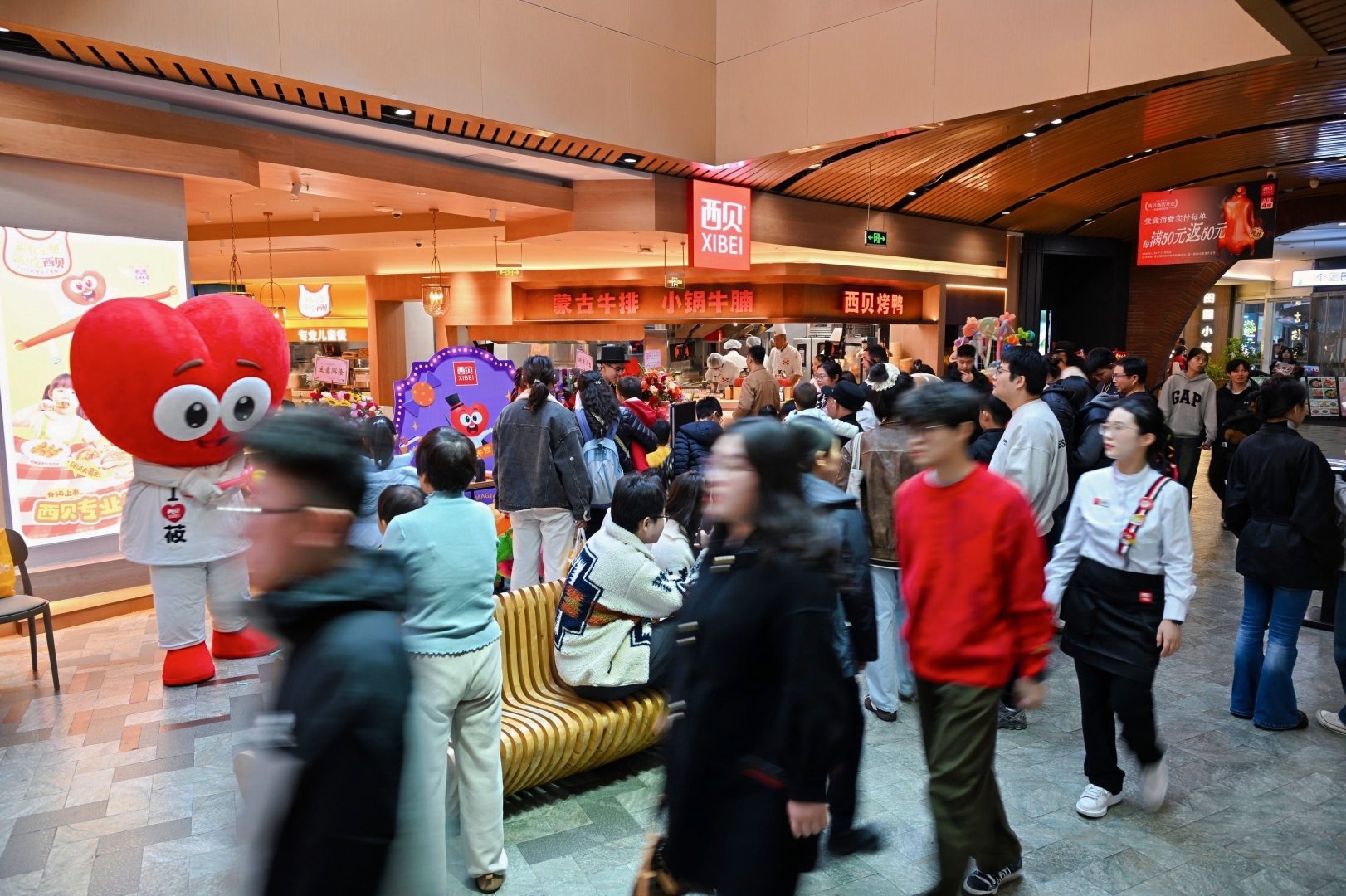
Core Insights - The company Xibei plans to open 8 new stores within the year, with the Nanjing Shazhi Chuan store opening on November 22, which saw long queues during lunch hours, with customers reporting waits of nearly 1 hour [1] - The new store has significantly reduced prices on key menu items, including a 21 yuan reduction on the signature beef bone dish, a 10 yuan reduction on grilled lamb chops, and a 7 yuan reduction on Xibei gluten [1] - The company has also improved internal employee benefits, including a reported salary increase of 500 yuan and various bonuses amounting to "several hundred" yuan [1]
湖北郧西:中秋国庆“双节”消费市场“热”
Sou Hu Cai Jing· 2025-10-07 05:46
Core Insights - The "Qixi Tianjie Night" immersive experience event in Yuxi County, Shiyan City, Hubei Province attracted tens of thousands of visitors, showcasing local culture and cuisine [1][3] - The county's tourism revenue increased by 27% in the first half of the year, driven by the deep exploration of "Qixi culture" and the establishment of a comprehensive commercial street [3][7] Group 1: Event and Visitor Experience - The event featured popular local dishes such as mutton soup and skewers, with daily customer traffic exceeding 300 and daily revenues surpassing 20,000 yuan [1] - Visitors praised the combination of local cuisine, cultural experiences, and innovative activities like VR technology, enhancing the appeal of the area [1][4] Group 2: Economic Impact and Tourism Growth - The county has developed over 200 businesses and created a multi-faceted commercial area that integrates commerce, tourism, and culture [3] - The introduction of new projects during the holiday period, such as music performances and scenic activities, contributed to a significant increase in out-of-province visitors [3][7] Group 3: Infrastructure and Accommodation - Yuxi County has enhanced its rural tourism experience by adding new bus routes and optimizing connections to tourist sites, resulting in over 10 themed rural tourism routes [7] - The demand for accommodations surged, with unique themed rooms fully booked in advance, reflecting the growing interest in local cultural experiences [4][5] Group 4: Cultural Promotion and Marketing - The county has implemented the "Xiyinli" project to promote the integration of culture and tourism, enhancing the "Heavenly Qixi, Earthly Yuxi" cultural brand [7] - Various promotional activities have been conducted nationwide to attract tourists, contributing to the area's reputation as a romantic destination [7]

西贝大降价!罗永浩点的烤羊排低至99元,“羊排送到门店现烤”!网友晒账单:有人点了417元实付17元,还有人一分钱没花
Mei Ri Jing Ji Xin Wen· 2025-10-01 07:13
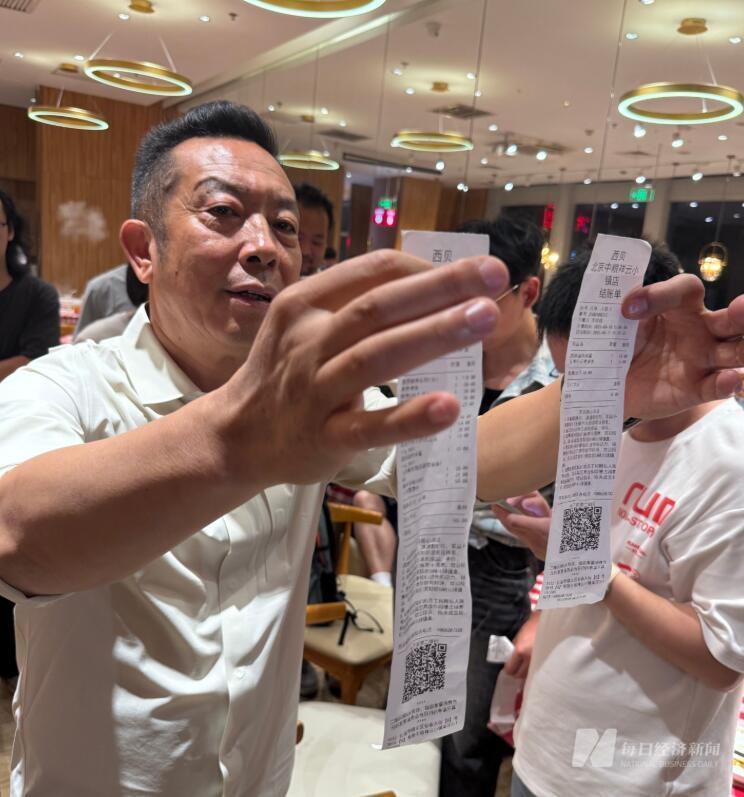
Core Viewpoint - Xibei has initiated a nationwide price reduction across its restaurants, responding to customer feedback and recent controversies regarding its menu offerings [1][2]. Price Adjustments - Several dishes have seen significant price drops, including: - Small pot beef brisket reduced from 79 yuan to 76 yuan, a decrease of approximately 4% [2] - Grassland tender roasted lamb chops reduced from 119 yuan to 99 yuan, a decrease of about 16.8% [2] - Xibei gluten reduced from 39 yuan to 33 yuan, a decrease of 15.4% [2] Customer Feedback and Controversy - The controversy began when influencer Luo Yonghao criticized Xibei for using pre-made dishes and high prices, prompting a public response from Xibei's founder, who denied the claims and announced legal action [5] - Following the backlash, Xibei issued an apology and acknowledged a gap between production methods and customer expectations, committing to improvements before October 1 [5] Rectification Measures - Xibei has implemented several changes, including: - Switching to non-GMO soybean oil for all dishes previously cooked with soybean oil [5] - Ensuring children's meals are freshly prepared in-store [5] - Making lamb skewers freshly cut, skewered, and grilled on-site [5] Promotional Activities - Xibei launched a "Xibei Treats You" campaign, offering 100 yuan dining vouchers with no minimum spend, which has led to customers significantly reducing their final bills [6][8] - Customers have reported instances of paying very little after applying the vouchers, with some dining experiences costing only a few yuan after discounts [6][11]

记者实探西贝后厨:师傅现场炒菜 厨师长谈罗永浩点过的烤鱼:需门店二次切配等,不是加热即食
Mei Ri Jing Ji Xin Wen· 2025-09-12 10:50
Core Viewpoint - The founder of Xibei, Jia Guolong, publicly refuted claims made by Luo Yonghao regarding the use of pre-prepared dishes in Xibei restaurants, emphasizing that all dishes are freshly made and not pre-packaged [1][2]. Group 1: Company Response - Jia Guolong ended his vacation early to address the allegations made by Luo Yonghao and visited the restaurant where Luo dined to clarify the situation [1]. - Starting from September 12, Xibei opened its kitchens to the public and introduced the "Luo Yonghao Menu" across its 370 locations, allowing customers to taste and supervise the cooking process [2]. - Xibei issued a letter to customers detailing the preparation processes of the 13 dishes questioned by Luo Yonghao, asserting that the accusations were unfounded [2][15]. Group 2: Kitchen Operations - The kitchens at Xibei are transparent, allowing customers to observe the cooking process, and visitors must register and follow hygiene protocols to enter [4][6]. - The chef at the Daxing location explained that while some ingredients are pre-processed, all dishes are prepared on-site and not simply reheated [7][8]. - Ingredients are delivered fresh daily, and the cooking process involves multiple steps, ensuring that dishes are not merely pre-packaged items [8][11]. Group 3: Industry Standards - The definition of "pre-prepared dishes" versus "pre-packaged dishes" is currently a topic of debate, with no clear distinction established in the industry [15][19]. - A recent notification from regulatory authorities outlines the criteria for what constitutes pre-prepared dishes, which Xibei claims do not apply to their menu items [15][19]. - The ongoing discussion about the classification of pre-prepared versus pre-packaged dishes highlights the need for clearer industry standards and regulations [19].
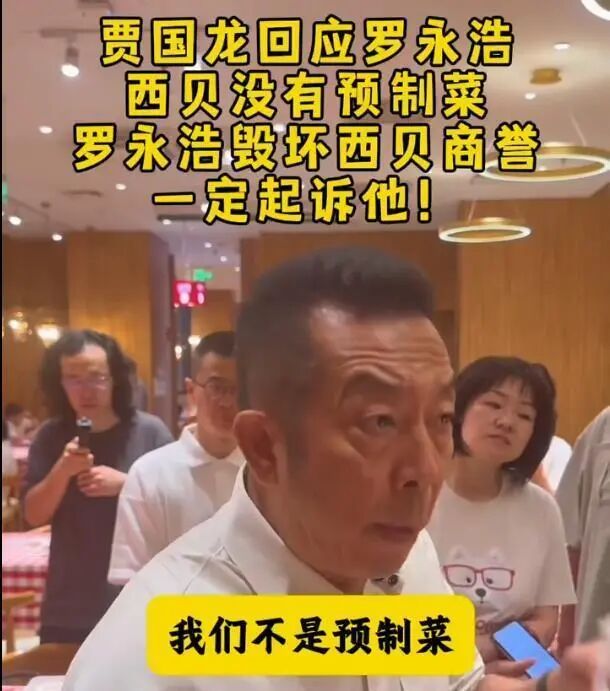
闹大了:罗永浩悬赏10万元征集证据,贾国龙:气到半夜睡不着喝酒,开放后厨所有人可随时进入参观;于东来、华与华董事长发声
3 6 Ke· 2025-09-12 07:35
Core Viewpoint - The core controversy revolves around the allegations made by public figure Luo Yonghao regarding the use of pre-prepared dishes at Xibei, which the founder, Jia Guolong, vehemently denies, asserting that all dishes are freshly made and not pre-prepared [3][12][14]. Group 1: Company Response - Jia Guolong expressed his frustration over Luo Yonghao's comments, stating that Xibei has not used pre-prepared dishes since the beginning of this year, emphasizing a clear distinction between pre-prepared and pre-cooked dishes [12][14]. - Starting September 12, Xibei will allow customers to view the kitchen and the preparation process, aiming to demonstrate transparency and authenticity in their food preparation [3][12]. - Jia Guolong publicly shared the bill from Luo Yonghao's visit, which totaled 833 yuan for 14 dishes, to counter the claims of poor quality and high prices [7][10]. Group 2: Industry Context - The debate highlights a broader issue within the restaurant industry regarding the use of pre-prepared dishes, with Jia acknowledging that while Xibei does not use them, he sees pre-prepared dishes as a future trend in the industry due to their efficiency and safety benefits [15]. - The incident has sparked discussions about the need for clearer industry standards and regulations regarding pre-prepared food, indicating a gap in current practices that needs to be addressed [15][16]. - Jia Guolong mentioned that Xibei's average profit margin is below 5%, countering the perception that their prices are excessively high, and positioning their pricing strategy as fair and quality-driven [14].