
生物制药

Search documents
习近平同韩国总统会谈
Yang Shi Wang· 2025-11-01 12:05
Core Points - The meeting between the leaders of China and South Korea emphasizes the importance of their relationship as close neighbors and partners, highlighting the need for stable and healthy development of bilateral ties to benefit both nations [1][4] - Xi Jinping proposed four key suggestions to open a new chapter in China-South Korea relations, focusing on strategic communication, deepening mutually beneficial cooperation, enhancing public sentiment, and strengthening multilateral collaboration [2][3] Group 1: Strategic Communication - Strengthening strategic communication to build mutual trust and respect each other's social systems and core interests, while addressing differences through friendly consultation [2] - Utilizing dialogue channels and mechanisms to gather strength for the development of bilateral relations [2] Group 2: Economic Cooperation - Accelerating the second phase of negotiations for the China-South Korea Free Trade Agreement and exploring cooperation in emerging fields such as artificial intelligence, biopharmaceuticals, green industries, and the silver economy [2] - Emphasizing the importance of combating online gambling and telecom fraud through bilateral and regional cooperation to protect citizens' safety [2] Group 3: Cultural Exchange - Promoting cultural exchanges to enhance mutual understanding and create a favorable atmosphere for the stable development of China-South Korea relations [2] - Encouraging people-to-people exchanges among youth, media, think tanks, and local communities [2] Group 4: Multilateral Collaboration - Supporting South Korea's successful hosting of the APEC informal leaders' meeting and promoting regional economic integration and the APEC Free Trade Area [3] - Advocating for true multilateralism and a fairer international governance system [3] Group 5: Bilateral Agreements - Following the meeting, both leaders witnessed the exchange of cooperation documents in various fields including trade, finance, agriculture, law enforcement, and technology [5]
习近平同韩国总统李在明会谈
证监会发布· 2025-11-01 12:05
Core Points - The meeting between Chinese President Xi Jinping and South Korean President Lee Jae-myung emphasizes the importance of the China-South Korea relationship as a significant partnership that has thrived over 33 years despite differences in social systems and ideologies [5][8] - Xi proposed four key suggestions to enhance the bilateral relationship, focusing on strategic communication, deepening mutually beneficial cooperation, promoting people-to-people exchanges, and strengthening multilateral collaboration for peace and development [6][7][8] Group 1: Strategic Communication - Strengthening strategic communication is essential to build mutual trust and respect, allowing both nations to develop together while managing differences through friendly consultations [6] Group 2: Economic Cooperation - There is a commitment to accelerate the second phase of the China-South Korea Free Trade Agreement negotiations and explore cooperation in emerging sectors such as artificial intelligence, biopharmaceuticals, green industries, and the silver economy [7] - Both countries are focused on combating online gambling and telecom fraud, indicating a collaborative approach to safeguard citizens' safety and property [7] Group 3: Cultural and People-to-People Exchanges - Enhancing public sentiment and promoting cultural exchanges are vital for fostering mutual understanding and creating a favorable atmosphere for the development of bilateral relations [7] Group 4: Multilateral Collaboration - China congratulated South Korea on successfully hosting the APEC Leaders' Informal Meeting and expressed willingness to work together to advance the APEC Free Trade Area process and regional economic integration [7][8]

习近平同李在明会谈
第一财经· 2025-11-01 11:13
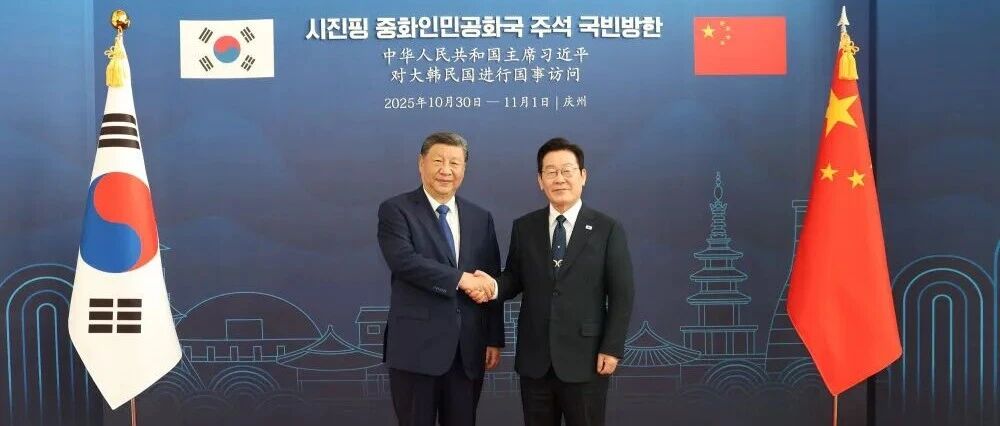
Core Viewpoint - The meeting between Chinese President Xi Jinping and South Korean President Lee Jae-myung emphasizes the importance of the China-South Korea relationship, highlighting mutual cooperation and the need for strategic communication to enhance trust and collaboration [7][12]. Group 1: Strategic Communication - Xi Jinping proposed four key suggestions to open a new chapter in China-South Korea relations, starting with strengthening strategic communication to build mutual trust and respect each other's social systems and core interests [9]. - The importance of using dialogue channels and mechanisms to address differences and enhance cooperation was emphasized [9]. Group 2: Economic Cooperation - The two leaders discussed deepening mutually beneficial cooperation, particularly in areas such as artificial intelligence, biopharmaceuticals, green industries, and the silver economy, while accelerating the second phase of the China-South Korea Free Trade Agreement negotiations [9]. - Both countries expressed a commitment to combatting online gambling and telecom fraud, indicating a focus on safeguarding citizens' safety and interests [9]. Group 3: Cultural Exchange - Enhancing national sentiment and promoting people-to-people connections were highlighted as essential for solidifying the foundation of public opinion, with an emphasis on positive messaging and cultural exchanges [9]. - The leaders agreed on facilitating personnel exchanges and increasing interactions among youth, media, think tanks, and local communities to foster mutual understanding [9]. Group 4: Multilateral Cooperation - Xi Jinping congratulated South Korea on successfully hosting the APEC Leaders' Informal Meeting and expressed a desire to work together to advance the APEC Free Trade Area process and regional economic integration [10]. - The commitment to uphold true multilateralism and promote a fairer international governance system was reiterated [10]. Group 5: Economic Outlook - The meeting underscored the significance of the 14th Five-Year Plan, with both leaders expressing a commitment to enhance bilateral cooperation to stabilize supply chains and bring more benefits to their citizens [12]. - South Korea's willingness to support China's hosting of the 2026 APEC Leaders' Informal Meeting was also noted, indicating a collaborative approach to international and regional affairs [12].
习近平同韩国总统李在明会谈
财联社· 2025-11-01 10:53
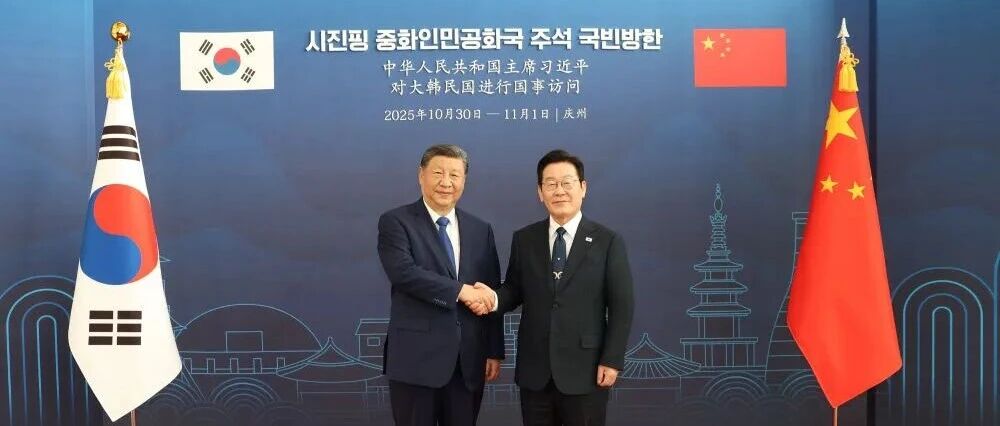
Core Viewpoint - The meeting between Chinese President Xi Jinping and South Korean President Lee Jae-myung emphasizes the importance of the China-South Korea relationship, highlighting mutual cooperation and the need for strategic communication to enhance bilateral ties [5][8]. Group 1: Strategic Communication - Xi Jinping proposed four suggestions to open a new chapter in China-South Korea relations, starting with strengthening strategic communication to build mutual trust and respect each other's social systems and core interests [6]. - The importance of using dialogue channels and mechanisms to address differences and enhance cooperation was emphasized [6]. Group 2: Economic Cooperation - The two leaders discussed deepening mutually beneficial cooperation, particularly in areas such as artificial intelligence, biopharmaceuticals, green industries, and the silver economy, while accelerating the second phase of the China-South Korea Free Trade Agreement negotiations [6]. - Both countries expressed a commitment to combatting online gambling and telecom fraud, indicating a focus on safeguarding citizens' safety and property [6]. Group 3: Cultural Exchange - Enhancing national sentiment and promoting people-to-people connections were highlighted as essential for solidifying the foundation of public opinion, with an emphasis on cultural exchanges and facilitating personnel movement [6]. - The leaders agreed on the importance of guiding public opinion positively to foster a conducive atmosphere for bilateral relations [6]. Group 4: Multilateral Cooperation - Xi Jinping congratulated South Korea on successfully hosting the APEC informal leaders' meeting and expressed a desire to collaborate on advancing the APEC Free Trade Area and regional economic integration [7]. - The commitment to uphold true multilateralism and promote a fairer international governance system was reiterated [7]. Group 5: Bilateral Relations - Lee Jae-myung welcomed Xi Jinping's visit, noting its significance for Korea-China relations and the deepening of cooperation across various fields since the establishment of diplomatic ties [8]. - Both leaders expressed a desire to enhance high-level exchanges and manage differences effectively to further develop the bilateral partnership [8].
习近平同韩国总统李在明会谈
证券时报· 2025-11-01 10:47
Core Viewpoint - The meeting between Chinese President Xi Jinping and South Korean President Lee Jae-myung emphasizes the importance of the China-South Korea relationship, highlighting mutual cooperation and the need for strategic communication to enhance bilateral ties [7][9]. Group 1: Strategic Communication - Xi Jinping proposed four key suggestions to open a new chapter in China-South Korea relations, starting with strengthening strategic communication to build mutual trust and respect each other's core interests [9]. - The importance of long-term perspectives in viewing the relationship was stressed, advocating for cooperation while managing differences through friendly consultations [9]. Group 2: Economic Cooperation - The leaders discussed deepening mutually beneficial cooperation, particularly in areas such as artificial intelligence, biopharmaceuticals, green industries, and the silver economy, while accelerating the second phase of the China-South Korea Free Trade Agreement negotiations [9][10]. - Both countries expressed a commitment to combatting online gambling and telecom fraud, indicating a collaborative approach to safeguard citizens' safety [9]. Group 3: Cultural Exchange - Enhancing national sentiments and promoting people-to-people connections were highlighted as essential for solidifying the foundation of public opinion, with an emphasis on positive media narratives and cultural exchanges [9]. - The leaders agreed on facilitating personnel exchanges and increasing interactions among youth, media, think tanks, and local communities to foster mutual understanding [9]. Group 4: Multilateral Cooperation - Xi emphasized the importance of multilateral collaboration for promoting peace and development, congratulating South Korea on hosting the APEC Leaders' Informal Meeting and expressing a desire to advance regional economic integration [10]. - The commitment to uphold true multilateralism and maintain a fair international trading system was reiterated, aiming for a more just global governance structure [10]. Group 5: Economic Development Plans - The meeting underscored the significance of the "14th Five-Year Plan" approved by the Chinese Communist Party, which outlines China's economic development direction and priorities for the next five years [12]. - South Korea expressed its willingness to enhance cooperation with China to stabilize supply chains and bring more benefits to both nations' citizens [12].
习近平同韩国总统李在明会谈
中国基金报· 2025-11-01 10:38
Group 1 - The meeting between Chinese President Xi Jinping and South Korean President Lee Jae-myung emphasizes the importance of the China-South Korea relationship as a significant partnership that has transcended social systems and ideological differences over 33 years of diplomatic ties [6][11] - Xi Jinping proposed four key suggestions to open a new chapter in China-South Korea relations, focusing on strengthening strategic communication, deepening mutually beneficial cooperation, enhancing national sentiment, and promoting multilateral collaboration for peace and development [8][9] - Both leaders acknowledged the importance of high-level exchanges and cooperation in various fields, including trade, finance, agriculture, law enforcement, and technology, as a means to further enhance bilateral relations [13] Group 2 - The discussion highlighted the commitment to accelerate the second phase of the China-South Korea Free Trade Agreement negotiations and explore cooperation in emerging sectors such as artificial intelligence, biopharmaceuticals, green industries, and the silver economy [8] - The leaders expressed a mutual desire to improve public sentiment and facilitate cultural exchanges to strengthen understanding and create a favorable atmosphere for the development of bilateral relations [9][11] - The meeting also underscored the importance of maintaining stable supply chains and enhancing international and regional cooperation to promote peace and development in the Asia-Pacific region [11][9]
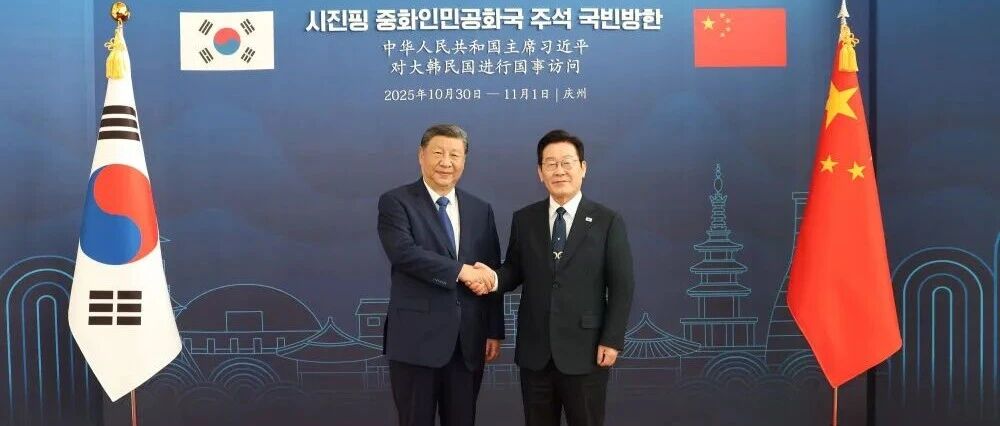
习近平同韩国总统李在明会谈
Xin Hua She· 2025-11-01 10:08
Core Points - The meeting between Chinese President Xi Jinping and South Korean President Lee Jae-myung emphasizes the importance of the China-South Korea relationship as a significant partnership that has evolved over 33 years, overcoming differences in social systems and ideologies [3][6] - Xi proposed four key suggestions to enhance the bilateral relationship, focusing on strategic communication, deepening mutually beneficial cooperation, promoting cultural exchanges, and strengthening multilateral collaboration for peace and development [4][5] Group 1: Strategic Communication - Strengthening strategic communication is essential to build mutual trust and respect, allowing both countries to develop together while managing differences through friendly consultations [4] - Utilizing dialogue channels and exchange mechanisms will help consolidate the foundation for the development of bilateral relations [4] Group 2: Economic Cooperation - There is a commitment to accelerate the second phase of negotiations for the China-South Korea Free Trade Agreement, with a focus on emerging sectors such as artificial intelligence, biopharmaceuticals, green industries, and the silver economy [4] - Both countries are keen to collaborate on combating online gambling and telecom fraud, enhancing the safety of their citizens [4] Group 3: Cultural Exchange - Promoting cultural exchanges and improving public sentiment between the two nations is vital, with an emphasis on guiding public opinion and facilitating people-to-people interactions [4] - Encouraging exchanges among youth, media, think tanks, and local communities will foster mutual understanding and create a positive atmosphere for bilateral relations [4] Group 4: Multilateral Collaboration - China congratulated South Korea on successfully hosting the APEC Leaders' Informal Meeting and expressed willingness to work together to advance the APEC Free Trade Area and regional economic integration [5] - Both countries aim to uphold true multilateralism and promote a fairer international governance system [5]
新股消息 | 爱科百发拟港股上市 中国证监会要求补充说明已实施股权激励方案的合规性等
智通财经网· 2025-10-31 13:40
Core Viewpoint - The China Securities Regulatory Commission (CSRC) has requested Aikobai's supplementary explanations regarding compliance of its implemented equity incentive plan and reasons for not completing its overseas listing after previous approval [1][2][3] Group 1: Regulatory Requirements - Aikobai is required to clarify the actual operations of its medical device production and business, including whether it has obtained the necessary qualifications and if its business scope involves areas listed in the "Negative List for Foreign Investment Access (2024 Edition)" [1] - The company must provide details on the regulatory procedures for overseas investments and foreign exchange management related to its overseas subsidiaries, along with a conclusive opinion on compliance [1] - Aikobai needs to explain the compliance of its implemented equity incentive plan, including the composition of participants, their relationships with other stakeholders, and the fairness of pricing and decision-making processes [1] Group 2: Listing Status - The company must explain the reasons for not completing its overseas listing after previous approval [3] - Aikobai is also required to provide details on its prior A-share listing guidance and the reasons for withdrawal, including whether it plans to continue pursuing A-share listing and any potential impacts on the current issuance [3] Group 3: Company Overview - Aikobai, established in 2013, is a biopharmaceutical company focused on discovering and developing therapies for respiratory and pediatric diseases [3] - The company has developed a pipeline of six candidate drugs, including its core product Qiruisuo Wei, which targets respiratory syncytial virus (RSV) infections, and other drugs in various clinical stages for conditions such as idiopathic pulmonary fibrosis (IPF) and attention deficit hyperactivity disorder (ADHD) [3]
宁高宁:中国企业的行业结构发生巨变 任何企业都必须布局三块业务
Zhong Guo Jing Ying Bao· 2025-10-30 06:06
Core Insights - The difference between countries is reflected in their enterprises, and the distinction among enterprises is primarily driven by top innovative companies [1] Industry Structure Changes - Over the past decade, there has been a significant shift in the industry structure of Chinese enterprises. In 2014, the top seven industries by market capitalization among the top 500 companies were finance, energy, consumption, real estate, information technology, industrial manufacturing, and healthcare. By 2024, this ranking has changed to information technology, finance, consumption, industrial manufacturing, healthcare, energy, and real estate [1] Business Development Strategy - Enterprises must focus on three business modules: 1. Mature foundational business 2. Upgrading and nurturing business 3. Innovative breakthrough business - The real competition will arise from the second and third business modules, emphasizing the need for continuous innovation and development [2] Challenges Facing Enterprises - Chinese enterprises are facing several challenges, including: - Uncertain international environment - Homogenization and internal competition due to insufficient innovation - Overinvestment and capacity surplus driven by policy support - Strategic upgrades of certain enterprises [2] Future Development Model - The future development model for Chinese enterprises will prioritize: - Efficiency - Emphasis on technological research and development - Industrial upgrading and iteration - International expansion and operations - Creation of new industries such as green energy, electric vehicles, biopharmaceuticals, and artificial intelligence [2]
联邦制药(03933):BD首付贡献业绩,期待传统业务回暖
China Post Securities· 2025-10-29 05:17
Investment Rating - The report initiates coverage with a "Buy" rating for the company [2][10]. Core Insights - The company reported a revenue of 7.52 billion yuan for the first half of 2025, reflecting a year-on-year growth of 4.8%. EBITDA increased by 23.3% to 2.75 billion yuan, and net profit attributable to shareholders rose by 27.0% to 1.89 billion yuan [4][5]. Company Overview - Latest closing price: HKD 13.14 - Total shares: 1.973 billion - Total market capitalization: HKD 29.023 billion - 52-week high/low: HKD 17.774 / HKD 9.309 - Debt-to-asset ratio: 46.96% - Price-to-earnings ratio: 8.3 [3]. Financial Performance - The intermediate products segment saw a revenue decline of 23.1% to 1.01 billion yuan, with a profit margin of 27.5%, down by 7.2 percentage points. The active pharmaceutical ingredients segment's revenue fell by 27.0% to 2.53 billion yuan, with a profit margin of 27.5%, down by 4.9 percentage points. The formulation segment's revenue increased by 6.1% to 2.54 billion yuan, with a profit margin of 6.1%, down by 4.0 percentage points. Licensing income was 1.43 billion yuan, primarily from the UBT251 licensing fee [5][6]. - The insulin formulation business showed significant growth, with revenue reaching 960 million yuan, a 74.5% increase. The second-generation insulin revenue was 460 million yuan, up 110.2%, while the revenue from glargine insulin and aspart insulin increased by 33.7% and 74.0%, respectively [6]. Research and Development - The company invested 550 million yuan in R&D, a 14.9% increase. The GLP-1/GIP/GCG triple-target new drug UBT251 has been licensed to Novo Nordisk, with ongoing clinical trials for weight loss and diabetes indications. The company expects to enter a harvest period starting in 2026, with six new products or indications anticipated for approval in 2026 and 2027 [7][8]. Financial Forecast - Projected revenues for 2025, 2026, and 2027 are 13.42 billion yuan, 12.65 billion yuan, and 13.84 billion yuan, respectively, with year-on-year growth rates of -2.5%, -5.7%, and 9.4%. Net profit attributable to shareholders is forecasted at 2.36 billion yuan, 2.02 billion yuan, and 2.41 billion yuan for the same years, with corresponding growth rates of -11.4%, -14.2%, and 19.4% [12][8].