
绿色低碳高质量发展

Search documents
济南主城区供暖迈入“无煤化”时代
Qi Lu Wan Bao· 2025-12-28 17:58
Core Points - The "Liaohot into Jinan" project has officially commenced operations, marking the end of coal heating in Jinan after 40 years, transitioning to a coal-free heating era [2][3] - The project consists of two lines totaling 150 kilometers, with the northern line already operational since November 9, 2023, and the southern line starting on December 28, 2023 [2] - The project utilizes industrial waste heat from nearby power plants, significantly reducing coal consumption and contributing to cleaner air quality in Jinan [3] Summary by Sections Heating Transition - Jinan has shut down 54 coal-fired boilers, establishing a new heating system based on large clean energy sources like Huangtai Power Plant and others [3] - The "Liaohot into Jinan" project can support a heating demand of 100 million square meters, saving approximately 1.2989 million tons of standard coal annually [2] Environmental Impact - The transition to clean heating has led to a significant improvement in air quality, with the number of days with good air quality increasing from 61 days in 2013 to 244 days in 2024 [3] - The city aims to achieve its "dual carbon" goals through this transformation, providing a model for other northern regions in winter clean heating [4]


地下三米“钢铁动脉”里,一滴热水跑百公里
Qi Lu Wan Bao· 2025-12-28 17:45
Core Insights - The article discusses the underground heating pipeline system, "Liao Heat into Jinan," which transports high-temperature water from Liaocheng to Jinan, ensuring efficient heating for urban residents [4][5][6]. Group 1: Infrastructure and Technology - The heating pipeline, located three meters underground, has a diameter of 1.6 meters and carries water exceeding 100°C over a distance of approximately 100 kilometers [5]. - The system includes four relay pump stations that act as "energy supply stations," ensuring the hot water maintains its energy and speed during transit [5][6]. - Advanced insulation materials are used in the pipeline to minimize heat loss, allowing the hot water to travel long distances with almost no thermal energy loss [6]. Group 2: Heat Transfer Mechanism - At the Huashan Energy Station in Jinan, high-pressure hot water from the long-distance pipeline is safely transferred to the city's lower-pressure heating system using plate heat exchangers, which allow for heat transfer without direct contact [7][8]. - The system operates with three independent water networks: the long-distance pipeline (0 network), the city’s primary network (first network), and the secondary network, ensuring pressure compatibility and efficient heat transfer [8][9]. Group 3: Efficiency and Environmental Impact - The "large temperature difference transformation technology" enhances heat exchange efficiency, allowing for greater heat extraction from the long-distance water [9]. - The project converts waste heat from the Liaocheng Xinyuan Power Plant into a clean urban heat source, reducing emissions and improving energy efficiency compared to smaller coal-fired boilers [11]. - The initiative aligns with environmental goals, demonstrating a successful model for sustainable urban heating and contributing to the green development strategy in Shandong [11].
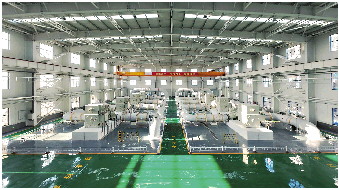
山东举办“政企同台”绿色低碳专题培训 共探先行区建设路径
Qi Lu Wan Bao· 2025-12-26 08:12
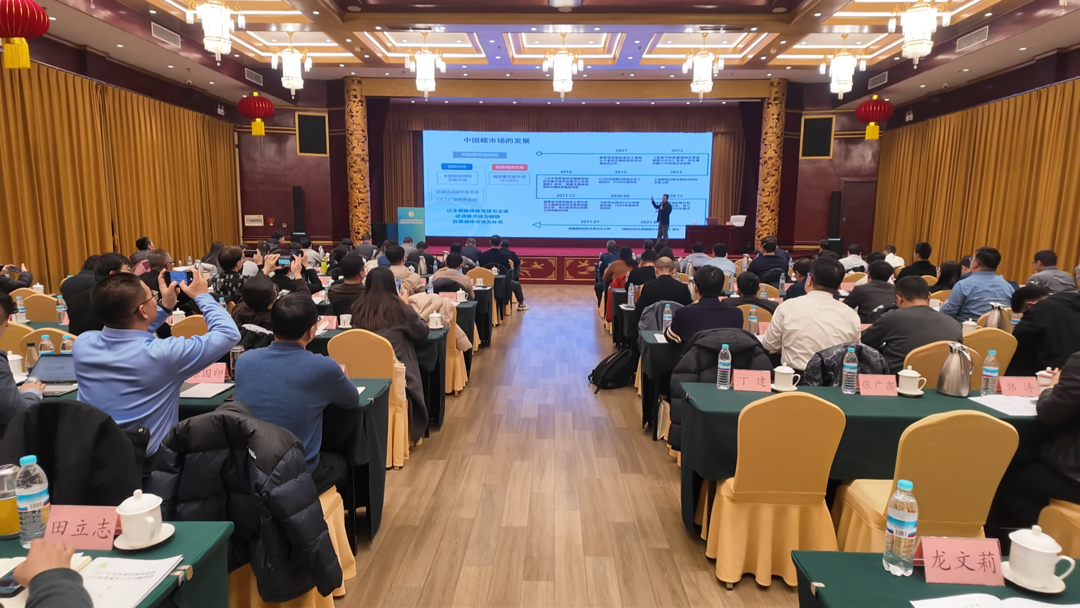
Group 1 - The training session aimed to support the construction of a green low-carbon high-quality development pilot zone in Shandong Province, aligning with national strategies for green development [2] - The event gathered over a hundred representatives from government departments, leading enterprises, financial institutions, and research institutes to foster collaboration and knowledge sharing [2] - Keynote speaker Wang Xiangdong emphasized the need for participants to break away from traditional development paths and engage in collaborative innovation within an open "green community" [2] Group 2 - The training curriculum was designed with a "cognition-practice-foresight" progression, covering macro policy opportunities and strategic planning for high-level projects [3] - Experts from various fields provided insights on challenges and opportunities in the context of the "dual carbon" strategy, including the green transformation of traditional high-energy-consuming industries [3] - The training highlighted the importance of financial support and international alignment, with discussions on green finance practices and ESG evaluation strategies [3] Group 3 - A notable feature of the training was the "government-enterprise co-learning" approach, facilitating direct communication between policymakers and industry practitioners [4] - Participants engaged in constructive discussions on policy implementation challenges, technology application difficulties, and market mechanism development [4] - Feedback from attendees indicated that the training improved their political awareness and provided practical tools for advancing local green low-carbon initiatives [4] Group 4 - The Shandong Green Low-Carbon Industry Development Association plays a crucial role in connecting government, industry, and market, and this training is part of its efforts to empower industry transformation [5] - The successful execution of the training signifies a collective effort towards building a green low-carbon development community in Shandong, aiming for a harmonious balance between ecological and economic growth [5] - The association plans to continue promoting cross-sector collaboration and knowledge sharing to facilitate technological advancements and project connections [5]

“十四五”山东一般公共预算收入年均增长4.1% 八成财政支出“蛋糕”切给民生
Da Zhong Ri Bao· 2025-12-26 00:59
Core Viewpoint - During the "14th Five-Year Plan" period, Shandong's fiscal strength has significantly increased, enhancing governance efficiency and providing solid support for achieving provincial planning goals [1] Group 1: Fiscal Revenue and Expenditure - Shandong's general public budget revenue exceeded 700 billion yuan, increasing from 656 billion yuan at the end of the "13th Five-Year Plan" to 771.2 billion yuan in 2024, with an average annual growth of 4.1% [1] - General public budget expenditure rose from 1.12 trillion yuan at the end of the "13th Five-Year Plan" to 1.31 trillion yuan in 2024, with an average annual growth of 3.9% [1] - The number of counties (cities, districts) with fiscal revenue exceeding 5 billion yuan and 3 billion yuan reached 37 and 75 respectively, an increase of 9 and 18 compared to the end of the "13th Five-Year Plan" [1] Group 2: Macro Control and Financial Support - From 2021 to 2024, Shandong implemented cumulative tax reductions exceeding 700 billion yuan, enhancing enterprise efficiency and market vitality [2] - The establishment of 208 provincial government investment funds has led to investments in 1,858 projects, amounting to 236.8 billion yuan, which has attracted social capital investment of 576.7 billion yuan [2] - The province has introduced 29 policy measures to support high-quality development, promoting synergy between government and market forces [2] Group 3: Support for Key Strategies and Sectors - A series of integrated fiscal policies have been introduced to support major national strategies, including 38 measures for the Yellow River strategy and 46 for green low-carbon development [3] - Approximately 500 billion yuan has been raised to support the construction of green low-carbon development pilot areas [3] - Investment in technological innovation reached 71.28 billion yuan, which is 2.2 times that of the "13th Five-Year Plan" period [3] Group 4: Social Welfare and Public Services - Expenditure on people's livelihoods increased from 891.4 billion yuan in 2020 to over 1 trillion yuan in 2024, maintaining a stable proportion of around 80% of total fiscal expenditure [4] - The minimum standard for basic pensions reached 208 yuan per person per month, a 46.5% increase from 2020 [4] - Total fiscal education expenditure is expected to exceed 1.3 trillion yuan during the "14th Five-Year Plan," with an average annual growth of 5.1% [4]
外贸总量实现“翻一番”!“十四五”以来,济南市外贸进出口规模达11064.4亿元
Feng Huang Wang Cai Jing· 2025-12-26 00:25
Core Viewpoint - The foreign trade import and export scale of Jinan has doubled during the "14th Five-Year Plan" period, reaching 1,106.44 billion yuan, up from 519.46 billion yuan during the "13th Five-Year Plan" period [1] Group 1: Trade Growth and Regulation - The customs authority in Jinan has effectively enhanced regulatory efficiency, ensuring national security at the borders by monitoring 53.93 million tons of import and export goods and handling 655 smuggling cases over the past five years [1][2] - The customs has implemented various regulatory models to support international logistics, including "airside direct access" and "ramp direct pick-up," establishing a network of 8 international passenger routes and 7 cargo routes [2] Group 2: Export Structure and Economic Development - The export structure of Jinan has significantly improved, with electromechanical products reaching 443.58 billion yuan, a 1.6 times increase compared to the "13th Five-Year Plan" period [3] - High-tech product exports have also surged to 126.89 billion yuan, reflecting a transformation towards high-end, intelligent, and green development [3] Group 3: Open Economy and Trade Facilitation - Jinan has been recognized as a pilot city for promoting cross-border trade facilitation, with the number of enterprises engaged in import and export activities increasing to 11,000, up by over 5,000 from the previous period [3][4] - The city has actively participated in the Belt and Road Initiative, with trade values with participating countries reaching 618.38 billion yuan, a 1.4 times increase [4] Group 4: Innovation and New Business Models - The customs authority has promoted innovative development strategies in free trade zones, implementing over 650 institutional innovations, with 19 recognized by national ministries [4] - The introduction of a new regulatory model for bonded maintenance has allowed for significant cost reductions in logistics for enterprises, with a 50% decrease in comprehensive logistics costs [4][5]
烟台黄渤海新区澎湃“绿色动能”
Xin Lang Cai Jing· 2025-12-25 09:09
Group 1 - The core viewpoint emphasizes the importance of industry in promoting green, low-carbon, and high-quality development, particularly in Yantai's Huangbohai New Area, which focuses on intelligent and digital transformation to drive low-carbon industrial transition [1] Group 2 - Yantai Aichuang Robot Technology Co., Ltd. is advancing digital transformation by building a smart factory for high-end hydraulic motors and pumps, significantly improving production efficiency and product quality [3] - Longyuan Power Group Co., Ltd. is developing plasma ignition technology to replace fuel oil, resulting in substantial cost reductions [3] - Taihe New Materials Group Co., Ltd. has achieved industry-leading results in water and energy savings, as well as carbon reduction, through self-developed green dyeing technology that allows for rapid dyeing at room temperature without additives [3] Group 3 - The Huangbohai New Area is systematically promoting green transformation by innovatively constructing a four-layer green manufacturing evaluation framework, which includes regional, park, enterprise, and product levels [3] - The area has implemented an upgrade path covering the entire product lifecycle, low-carbon production lines, and smart supervision, prioritizing enterprises with strong supply chain collaboration for demonstration and cultivation [3] Group 4 - The construction of green factories has become a significant achievement in the low-carbon practices of enterprises, transitioning from "single-point breakthroughs" to "cluster progress" across various fields such as chemicals, new energy, and equipment manufacturing [3] - The region has received approvals for 2 national green parks, 11 national green factories, 1 national green supply chain enterprise, 2 national green design products, 1 provincial green park, 15 provincial green factories, and 5 provincial green supply chain enterprises [3]
山东统筹落实财政资金约5000亿元,为先行区建设注入强劲动能
Qi Lu Wan Bao· 2025-12-25 04:51
Core Viewpoint - Shandong Province is implementing a comprehensive policy support system to enhance the construction of pilot zones during the 14th Five-Year Plan period, focusing on fiscal reforms and development strategies to promote high-quality economic growth. Group 1: Policy Implementation - The province is utilizing proactive fiscal policies to support the construction of pilot zones, emphasizing the modernization of the industrial system and promoting the transformation of high-energy-consuming industries towards intelligent, green, and integrated development [1] - Key projects are prioritized with scientific budget arrangements and concentrated funding, particularly through preferential allocation of government special bonds for eligible, impactful, and profitable projects [1] - The province aims to expand consumption by securing 35.45 billion yuan in special long-term national bonds and implementing incentive policies like "Lu Trade Loan" and "Tariff Guarantee" to enhance the capabilities of the Shandong Free Trade Zone [1] Group 2: Resource Coordination - A total of approximately 500 billion yuan in fiscal funds has been coordinated to support key areas and critical links in the construction of pilot zones [2] - Various policy tools such as "Fiscal + Credit," "Fiscal + Guarantee," and "Fiscal + Insurance" have been developed, along with the establishment of several 10 billion yuan funds to attract financial and social capital for increased investment [2] Group 3: Incentives and Constraints - The province is leveraging economic levers to guide high-quality development, including the establishment of provincial-level incentive funds to enhance transfer payment incentives and promote tax source cultivation through high-quality development [2] - Reforms in water resource taxes, differentiated trials for urban land use taxes, and environmental tax reforms are being implemented to empower green development and accelerate Shandong's transition to a low-carbon economy [2] - Future efforts will focus on refining policy measures and innovating institutional mechanisms to channel more resources towards pilot zone construction and facilitate the implementation of more reform trials [2]
乘势而上巩固拓展好势头
Sou Hu Cai Jing· 2025-12-25 01:50
Core Viewpoint - The news highlights the significant economic progress in Shandong province, showcasing its achievements in cargo throughput and strategic initiatives aimed at high-quality development, particularly in the context of the upcoming "15th Five-Year Plan" [1][4][9]. Group 1: Economic Achievements - Jining Port has achieved a cargo throughput of 106 million tons from January to November, becoming the first northern inland port to surpass 100 million tons [1]. - Dongying Port is projected to exceed 100 million tons in cargo throughput by 2025, marking its entry into the ranks of major ports [1]. - Shandong's GDP is expected to cross three trillion yuan thresholds, making it the third province in the country and the first in the north to surpass 10 trillion yuan [4]. Group 2: Strategic Initiatives - The Shandong provincial government has implemented a series of key projects and reforms, focusing on industrial economy and infrastructure development to ensure steady economic growth [3][6]. - The province is committed to becoming a significant economic growth pole in northern China, with a focus on high-quality development and addressing structural challenges [4][6]. Group 3: Policy Directions - The upcoming economic policies will emphasize "quality improvement and efficiency enhancement," with measures such as liquidity release through interest rate cuts and the implementation of laws to support the private economy [7]. - The provincial government aims to enhance domestic and international economic cycles, focusing on demand and supply innovation, and ensuring coordinated investment in both physical and human capital [7]. Group 4: Future Outlook - The emphasis on maintaining momentum and confidence is crucial for Shandong's development, with a focus on transforming current positive trends into sustainable growth [9].
山东明确两类政府投资基金支持重点
Da Zhong Ri Bao· 2025-12-25 01:02
Group 1 - The Shandong Provincial Government has issued the "Implementation Opinions on Promoting the High-Quality Development of Government Investment Funds," aiming to establish a high-quality development pattern for government investment funds that is appropriately scaled, reasonably laid out, standardized in operation, scientifically efficient, and controllable in risk, to support and guarantee the province's economic and social development [1] - Government investment funds are categorized into industrial investment funds and venture capital funds, with specific functions and support focuses outlined for each type. The emphasis is on cultivating patient capital [1] - Industrial investment funds will focus on major strategies such as the construction of green low-carbon high-quality development pilot zones and ecological protection in the Yellow River Basin, targeting key projects in the "ten strong industries," critical links in industrial chains, and advantageous projects in industrial clusters to accelerate the construction of a modern industrial system [1] Group 2 - Venture capital funds will concentrate on the "ten major innovations," fostering new productive forces tailored to local conditions, with a focus on early, small, long-term, and hard technology investments, particularly in seed and startup phases of technology-driven and innovative projects, as well as projects related to technological talent innovation and entrepreneurship [1] - The typical duration for industrial investment funds is generally no more than 15 years, while venture capital funds may have a higher government contribution ratio and a duration of up to 20 years. The duration limits may be relaxed for projects undergoing listing guidance or during the listing lock-up period [2]
巩固“稳”的基底 开拓“进”的新局——聚焦省委经济工作会议①
Da Zhong Ri Bao· 2025-12-24 01:15
Group 1 - The core viewpoint emphasizes the steady growth and positive trajectory of Shandong's economy, with key indicators showing resilience and improvement [1][2] - In the first eleven months, the province's industrial added value increased by 7.7%, retail sales of consumer goods grew by 5.2%, and foreign trade rose by 4.6% [1] - Shandong is set to become the third province in China and the first in the north to surpass a GDP of 10 trillion yuan, marking significant economic milestones [1] Group 2 - The "six musts" outlined in the Central Economic Work Conference are crucial for guiding Shandong's economic development, focusing on policy support, innovation, and leveraging local advantages [2][3] - The province aims to enhance its economic structure by addressing long-standing issues while also adapting to new challenges, indicating a dual focus on stability and progress [3][4] - The emphasis on "stability" includes maintaining employment, businesses, markets, and expectations, while "progress" involves implementing key industrial projects and fostering new growth drivers [4][5] Group 3 - The service sector is identified as a key engine for economic growth and job creation, with a reported 5.3% increase in revenue from the service industry in the first ten months of the year [5][6] - Despite the growth in the service sector, challenges remain regarding its overall size and quality, prompting calls for targeted strategies to enhance its development [6] - The focus on specific industries, such as wholesale and retail, finance, and transportation, highlights the need for tailored policies to boost service sector performance [6]