美国债务危机

Search documents
达利欧彻底退出,万亿对冲基金新晋大股东曝光
Zheng Quan Shi Bao· 2025-08-01 06:35
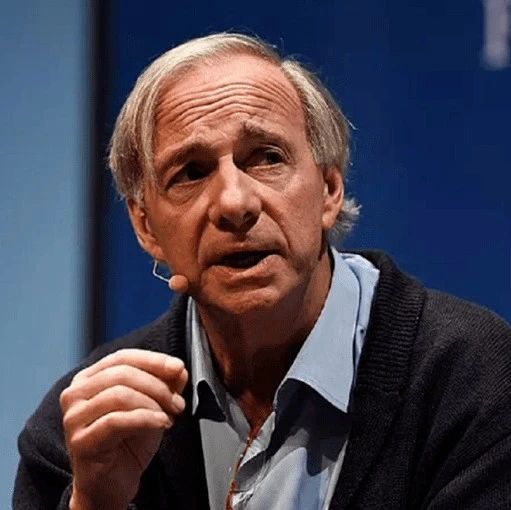
近日,知名对冲基金投资人瑞·达利欧(Ray Dalio)出售了其在全球最大对冲基金桥水基金的最后剩余 股份,并退出董事会。达利欧在一份声明中表示,他期待以"客户和导师"身份见证桥水的未来成功。 8月1日,75岁的达利欧在其社交媒体上发表了对运营桥水基金50年的反思,重温了他对生活、工作和投 资的原则。他说:"从我和一个打橄榄球的家伙在一间两居室的公寓里一起创建桥水开始,到把桥水打 造成全球最大的对冲基金,拥有一支由大约1500人组成的优秀团队,再到我们为客户赚的钱远超任何其 他对冲基金——到现在又完成了最后一步,把桥水的接力棒交到下一代手中,我坚信他们完全有能力让 公司继续辉煌蓬勃50年。" 据媒体报道,桥水基金首先回购了达利欧持有的剩余股份,随后向文莱投资局发行新股。这笔数十亿美 元的交易使得这家东南亚主权财富基金获得桥水近20%股权,成为该公司最大股东之一。文莱投资局此 前就是桥水的长期投资者,此次是将其投资于桥水基金产品的资金转为对桥水公司的股权投资。尽管文 莱基金持股比例可观,但桥水联合投资总监Bob Prince仍持有更大股权。 桥水管理资产规模近年来大幅缩水,从2019年底的1680亿美元降至20 ...
达利欧彻底退出!万亿对冲基金新晋大股东曝光
券商中国· 2025-08-01 06:03
Core Viewpoint - Ray Dalio has sold his remaining shares in Bridgewater Associates and exited the board, marking the completion of a succession plan initiated over 13 years ago, which aims to transition leadership to the next generation [1][2]. Group 1: Ownership Transition - The sale of Dalio's shares simplifies Bridgewater's governance structure and allows the firm to refocus on investment performance [2]. - The transaction involved Bridgewater repurchasing Dalio's remaining shares and subsequently issuing new shares to the Brunei Investment Agency, which now holds nearly 20% of the company, becoming one of its largest shareholders [1][2]. - Despite the significant stake held by the Brunei Investment Agency, Bridgewater's co-CIO Bob Prince retains a larger ownership percentage [2]. Group 2: Financial Performance - Bridgewater's assets under management have significantly decreased from $168 billion at the end of 2019 to an estimated $92.1 billion by the end of 2024 [2]. - The flagship fund, Pure Alpha, has shown improvement in performance after limiting its size, achieving an 11.3% return in 2024 and a 17% increase in the first half of 2025 [2]. Group 3: Economic Concerns - Dalio has issued warnings regarding the worsening U.S. debt crisis, likening it to an impending "economic heart attack," emphasizing that U.S. spending exceeds income by 40% [3]. - He cautions that the rising debt interest payments are severely constraining purchasing power, potentially leading to a financial crisis and systemic collapse if new debt is issued merely to cover existing interest payments [3].

特朗普打上门去,你猜美联储怎么着?美国神迹就这样出现了
Sou Hu Cai Jing· 2025-07-29 10:47
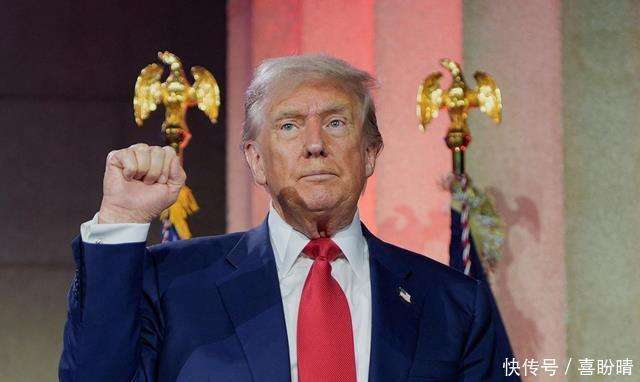
Group 1 - The core issue revolves around Trump's visit to the Federal Reserve, which is speculated to be an attempt to pressure the Fed into lowering interest rates, highlighting the complexities of his political maneuvers [1][3][5] - Trump's recent actions, including public criticism of Fed Chairman Powell and the timing of his visit just before the Fed's July meeting, indicate a provocative approach towards the Fed's independence [3][5] - The backdrop of Trump's actions includes a looming financial crisis and the need for immediate funding solutions, such as pressuring Japan for early disbursement of $550 billion to address fiscal shortfalls [5][9] Group 2 - The political landscape is further complicated by the recent allegations made by the Director of National Intelligence against former President Obama, which are unprecedented and have stirred significant national attention [3][9] - Trump's strategy appears to be aimed at diverting public focus from the Epstein case and consolidating support ahead of the 2026 midterm elections, despite the challenges he faces in securing financial backing [9][10] - The overall situation suggests that Trump's current political maneuvers may be more about creating headlines and shifting narratives rather than achieving substantial outcomes [7][9]
特朗普的“债务魔术”,关税不再TACO,美联储已做好降息博弈!
Sou Hu Cai Jing· 2025-07-28 23:44
Core Insights - The U.S. is on the brink of a debt crisis, with a national debt of $36.7 trillion and annual interest payments reaching $1 trillion, surpassing the defense budget [1] - The crisis is exacerbated by hedge funds increasing leveraged investments in U.S. Treasury bonds, leading to a significant drop in overnight reverse repo balances, indicating liquidity risks [2] - There are allegations of "duplicate accounting" in U.S. Treasury records, suggesting potential overstatement of the $36 trillion debt, raising concerns about a possible "technical default" [4] Group 1: Government Actions - The Trump administration has introduced the "Trump Gold Card" program, requiring 30% of a $5 million investment to be used for purchasing U.S. Treasury bonds, aiming to raise $5 trillion if 1 million cards are sold [6] - Tariff strategies have been employed against allies and adversaries, with varying rates aimed at generating investment in the U.S. and offsetting debt [6] - The administration is also pushing for a "Lakewood Manor Agreement" to convert existing debt into 100-year zero-coupon bonds, which could reduce annual interest payments by $400 billion [8] Group 2: Economic Implications - The "Big and Beautiful Act" is projected to add $3.4 trillion to the deficit over the next decade, compounding existing financial issues [11] - The U.S. economy is facing a "debt death spiral," necessitating a reduction of the deficit to 3% of GDP to stabilize the situation [11] - The potential revaluation of gold reserves could significantly impact the financial landscape, with current accounting values far below market prices, leading to volatility in gold prices and broader financial markets [10] Group 3: Market Reactions - Following the announcement of the "Trump Gold Card," the S&P 500 index fell by 4%, and the yield on 10-year Treasury bonds surged to 5.5% [6] - The market's expectations for interest rate cuts are low, with only a 4.1% probability of a rate cut in July, indicating skepticism about the administration's monetary policy strategies [8] - The EU and China are preparing retaliatory measures against U.S. tariffs, which could further strain economic relations and impact U.S. industries [10]
刚刚!美国财政部,重大决定!
券商中国· 2025-07-27 08:00
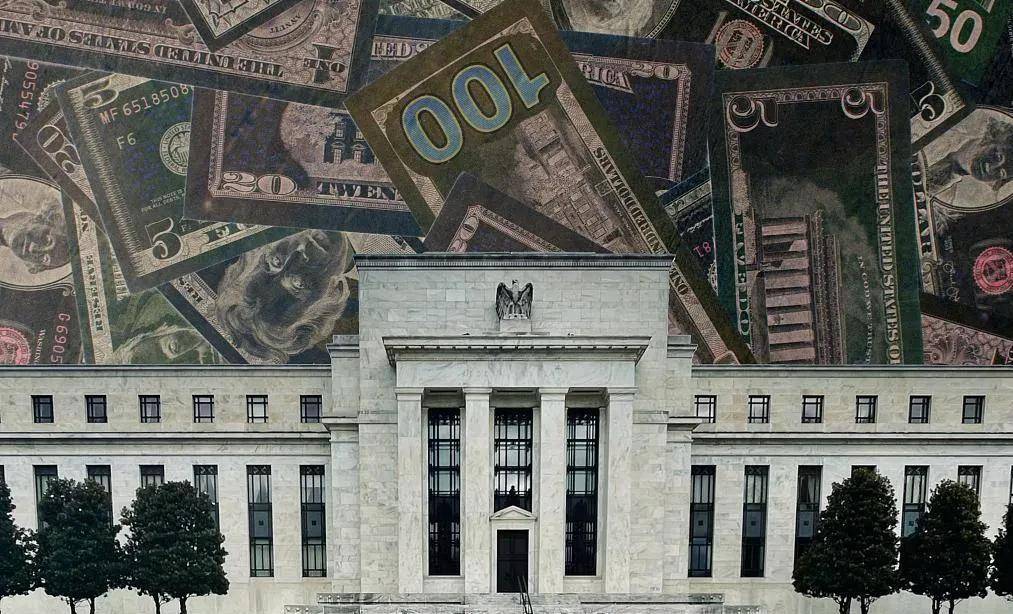
Core Viewpoint - The U.S. government is allowing citizens to make voluntary donations through Venmo and PayPal to help reduce the national debt, which has reached a record $36.7 trillion, amid growing concerns about debt sustainability [2][6]. Group 1: National Debt and Donation Program - As of July 25, the U.S. national debt has surged to $36.7 trillion, a significant increase of 87% from $19.59 trillion in 2010 [6]. - The donation program, named "Gifts to Reduce the Public Debt," has been in existence since 1996 but has only raised $67.3 million, which is a mere 0.0002% of the current national debt [3][6]. - The expansion of payment options to include popular P2P platforms aims to lower the operational threshold for small donations [6][7]. Group 2: Concerns Over Debt Sustainability - There is increasing market concern regarding the sustainability of U.S. debt, with hedge fund founder Ray Dalio warning of a growing risk of a fiscal crisis unless urgent policy changes are made [4][8]. - Dalio suggests that the U.S. is approaching a critical point where it may need to issue new debt just to pay interest on existing debt, potentially leading to systemic collapse [8]. - The U.S. Treasury's decision to promote public donations has been met with skepticism regarding its effectiveness in addressing the substantial fiscal deficit [7]. Group 3: Legislative Impact on Fiscal Policy - The "Big and Beautiful" tax and spending bill signed by President Trump is projected to increase the fiscal deficit by approximately $3.4 trillion over the next decade [10]. - The Congressional Budget Office estimates that this legislation will lead to a direct spending reduction of about $1.1 trillion and a revenue decline of approximately $4.5 trillion [10]. - Rating agency Fitch has downgraded the outlook for U.S. credit due to increased policy risks, projecting that the debt-to-GDP ratio could rise to 135% by 2029 [12]. Group 4: Market Implications - The increase in fiscal deficit is expected to exacerbate concerns about the sustainability of U.S. debt, with potential implications for high-yield bonds and leveraged loans [12]. - Recent market research indicates that the liquidity provided by the Federal Reserve and the Treasury has significantly influenced stock market valuations, raising questions about the sustainability of these high valuations [12][13]. - The disconnect between stock market valuations and productivity growth is attributed to liquidity distortions rather than fundamental economic strength, suggesting potential risks for risk assets in the near term [13].

美联储降息大消息,达利欧突发警告
Zheng Quan Shi Bao· 2025-07-25 00:09
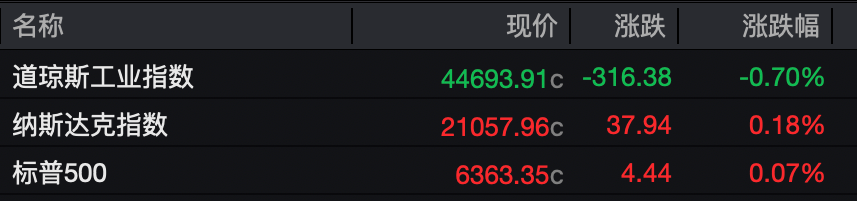
Market Performance - On July 24, the three major U.S. stock indices closed mixed, with the Dow Jones down 0.7%, the Nasdaq up 0.18%, and the S&P 500 up 0.07% [1] - The Dow Jones Industrial Average closed at 44,693.91, down 316.38 points [2] - The Nasdaq Composite closed at 21,057.96, up 37.94 points [2] - The S&P 500 closed at 6,363.35, up 4.44 points [2] Individual Stock Movements - Tesla saw a significant decline, dropping over 8% to 305.06 [3] - Other notable declines included IBM, which fell over 7% [2] - Nvidia, Amazon, and Broadcom each rose over 1% [2] Chinese Stocks - The Nasdaq Golden Dragon China Index fell over 1%, with several Chinese stocks experiencing declines of over 2%, including Netease, Weibo, and Baidu [3][4] Economic Commentary - President Trump visited the Federal Reserve, expressing hope that Chairman Powell would lower interest rates, suggesting a potential savings of over $1 trillion if rates were reduced by three percentage points [6][7] - Trump’s visit comes just under a week before the Fed's interest rate decision, indicating a strategic push for rate cuts [7] - Ray Dalio, founder of Bridgewater, warned that without action to reduce the fiscal deficit, the U.S. could face an "economic heart attack" within three years [9]


当马克思回答稳定币:我们有了创造天堂的技术,却用它来建造一个更精致的地狱
3 6 Ke· 2025-07-23 03:26
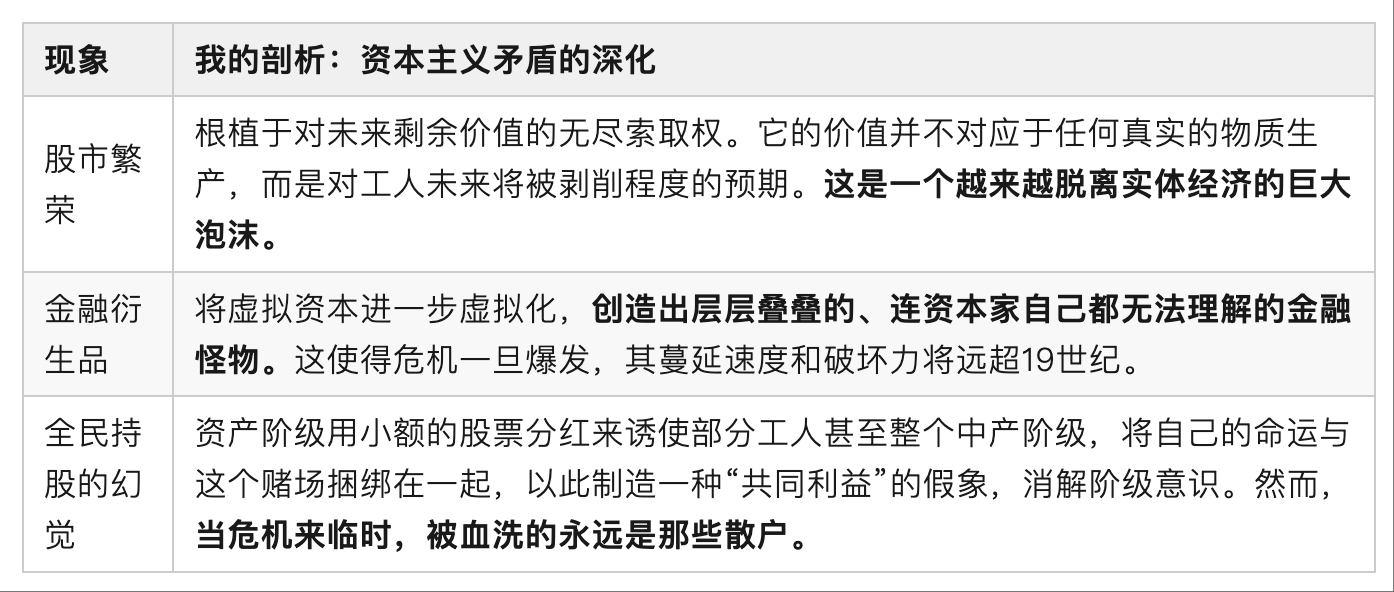
Group 1: Core Argument - The essence of capitalism's self-regulation is a misinterpretation; it is a product of class struggle rather than benevolence from the ruling class [2][3] - The welfare state and labor rights are not improvements from capitalism but rather concessions made under pressure from the working class [2][3] - The current state of capitalism is more cunning and financialized than in the 19th century, with unresolved contradictions accumulating globally [4][5] Group 2: Analysis of Financial Systems - The U.S. stock market is characterized as a casino of virtual capital, reflecting the deepening contradictions of capitalism [3][4] - The U.S. national debt is described as the largest form of virtual capital, relying on the exploitation of global labor [6][7] - The proposed "dollar stablecoin" is seen as a misguided attempt to salvage a hollow financial system, leading to further instability [7][8] Group 3: Implications of Dollar Stablecoin - The dollar stablecoin represents a new form of financial colonization, creating a dependency on U.S. financial systems in the digital realm [12][14] - It perpetuates a hidden global seigniorage, extracting value from global users while offering little in return [18][19] - The stablecoin system enhances financial surveillance and control, undermining the autonomy of individuals and nations [20][21] Group 4: Global Economic Dynamics - The dollar stablecoin threatens the monetary sovereignty of developing countries, exacerbating financial instability and inequality [21][22] - A call for international solidarity among the working class is emphasized as a necessary response to the challenges posed by the dollar stablecoin [22][23] - The ultimate solution lies in the abolition of capitalism itself, as monetary systems will always serve as tools of class oppression under capitalism [24][25]
深夜特讯!特朗普不再忍了
Sou Hu Cai Jing· 2025-07-22 16:27
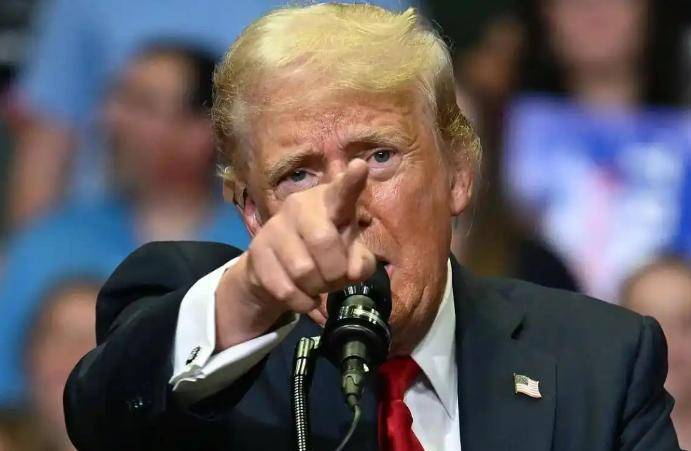
Group 1: Domestic Political Landscape - The "Big Beautiful Bill" has created significant rifts within the Republican Party, leading to unprecedented collaboration between fiscal hawks and Democrats to block the bill [2][4] - The Congressional Budget Office predicts that the bill will increase national debt by $3.4 trillion over the next decade, pushing federal debt to over $36.2 trillion [2][4] - Approximately 10 million low-income individuals face potential loss of health insurance due to the bill's provisions [2][4] Group 2: International Relations and Military Dynamics - Trump's ultimatum to Russia for a 50-day ceasefire has been met with disdain, as Russia escalates military operations and increases troop strength to 700,000 [5] - The Russian response to Trump's threats has been characterized as a diplomatic humiliation, undermining U.S. credibility on the global stage [5] Group 3: Economic and Financial Implications - The U.S. Treasury is caught in a "borrow new to pay old" cycle to manage a looming $10 trillion debt due in 2026-2027, indicating a precarious financial situation [7] - Trump's demands for the Federal Reserve to raise interest rates from 1.5% to 3% reflect growing tensions between fiscal policy and monetary policy [7] - The internal crisis is exacerbated by lawsuits from 12 states against federal tariff policies and 24 states suing over education funding cuts, indicating a broader constitutional crisis [7] Group 4: Political Power Dynamics - The political landscape in the U.S. is rapidly deteriorating, with influential figures like Elon Musk publicly distancing themselves from Trump, signaling a shift in power dynamics [9][10] - The fragmentation of power has left Trump vulnerable to multiple challenges, including health concerns and declining poll numbers, which threaten his political capital [10] - Trump's family business has seen a $4 billion increase in wealth within six months of his return to the political arena, highlighting the changing nature of political influence [10]
美媒爆料:过去六个月内,美政府效率部已有至少八名核心成员离职
Huan Qiu Wang· 2025-07-11 13:59
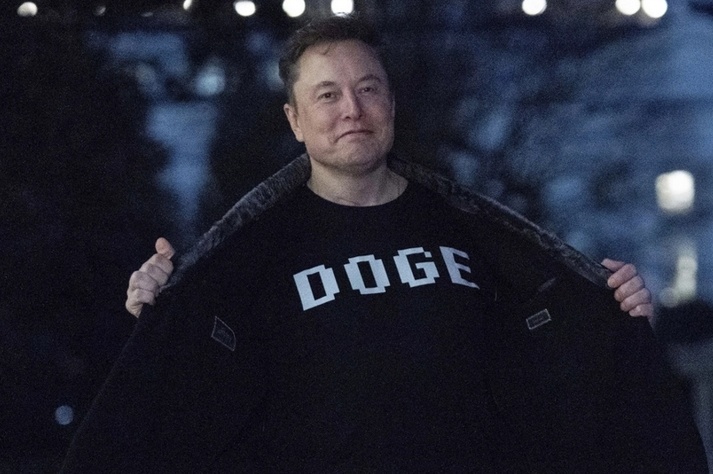
Group 1 - The core point of the article highlights a significant turnover at the Department of Government Efficiency (DOGE), with at least eight core members leaving in the past six months, indicating a shift from the Trump administration's influence [1][3] - The article notes that in addition to the eight core members, at least seven engineers have also departed, many of whom held high-level access across multiple agencies, with three more engineers preparing to leave [3] - A White House spokesperson claimed that DOGE is making progress, having saved over $170 billion for Americans, while senior officials explained that many departures were from "political appointees" with term-limited positions [3] Group 2 - The article describes changes in security protocols at DOGE headquarters, including the removal of armed guard checks and access signs, reflecting a transformation in the department's operational environment [3] - Following the departure of Elon Musk from DOGE, the department's focus has shifted to more targeted actions, such as eliminating unused government websites and assisting the National Weather Service in system upgrades [3] - The relationship between Musk and Trump has been tumultuous, with Musk criticizing the "Big and Beautiful" bill, which he believes undermines his cost-cutting policies during his tenure at DOGE, while Trump accused Musk of being emotional over the loss of electric vehicle tax incentives [4]
亚盘金价大跌走低,关注下方支撑位多单布局
Sou Hu Cai Jing· 2025-07-07 07:57
Group 1 - Current gold prices are experiencing slight fluctuations, trading around $3327.25 per ounce, influenced by geopolitical developments and market sentiment [1] - The upcoming meeting between US President Trump and Israeli Prime Minister Netanyahu to discuss a ceasefire in Gaza is expected to ease market tensions, impacting gold's appeal as a safe-haven asset [1][3] - The market is closely watching the US Treasury Secretary's indication of a potential extension of tariff deadlines to August 1, which may further alleviate concerns [1] Group 2 - Gold prices are currently in a consolidation phase, with August futures around $3340, indicating a trading range between $3250 and $3476.30 [3] - Retail investor sentiment is bullish, with 59% expecting gold prices to rise, although a lack of new fundamental catalysts may keep prices in a high-level fluctuation [3][4] - Long-term factors such as US debt crisis, a weakening dollar, and inflationary pressures are expected to support gold's attractiveness as a safe-haven and store of value [4] Group 3 - The potential for gold prices to break above $3500 exists if new geopolitical or macroeconomic catalysts emerge, despite current short-term volatility [4] - Investors are advised to monitor trade negotiations, Federal Reserve meeting minutes, and interest rate decisions from Australia and New Zealand for potential investment opportunities in the gold market [4]