自动驾驶商业化

Search documents
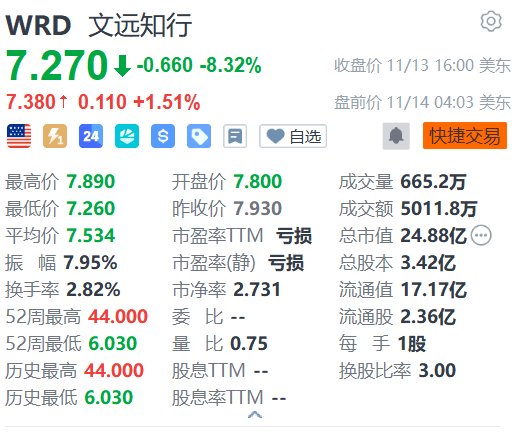
【文远知行-W(0800.HK)】Robotaxi营收同比大幅增长,阿布扎比纯无人商业化运营即将启动——25Q3业绩点评报告
光大证券研究· 2025-11-25 23:07
点击注册小程序 查看完整报告 特别申明: 本订阅号中所涉及的证券研究信息由光大证券研究所编写,仅面向光大证券专业投资者客户,用作新媒体形势下研究 信息和研究观点的沟通交流。非光大证券专业投资者客户,请勿订阅、接收或使用本订阅号中的任何信息。本订阅号 难以设置访问权限,若给您造成不便,敬请谅解。光大证券研究所不会因关注、收到或阅读本订阅号推送内容而视相 关人员为光大证券的客户。 报告摘要 事件: 公司于 2025 年 11 月 24 日发布截至 2025 年 9 月 30 日 25Q3 业绩。 业绩: 1)营业收入大幅增长: 25Q3 公司收入 1.71 亿元,同比增长 144%。各业务板块收入方面,产品营收 0.79 亿元,同比大幅增长 429%,产品收入增长主要系 robotaxi 和 robobus 销量增长;服务收入 0.92 亿 元,同比增长67%,服务收入增长主要系智能数据和辅助驾驶运营支持服务收入增长。Robotaxi 相关业务 营收 3,530 万元,同比增长 761% 。2)盈利能力提升: FY25Q3 公司实现毛利润 0.56 亿元,同比大幅增 长 1133.55%,毛利率同比增长 26.4 ...


美股异动丨小马智行大涨超9%,Q3实现城市级别单车盈利转正
Ge Long Hui· 2025-11-25 15:02
小马智行(PONY.US)大涨超9%,最高触及13.75美元。消息面上,小马智行发布2025年第三季度财报, 总营收1.81亿元,同比增长72%,连续三个季度实现营收增长;Robotaxi业务收入达4770万元,同比增 长89.5%,其中乘客车费收入同比上涨超200%。第七代Robotaxi在广州实现单车盈利转正,公司将提前 完成Robotaxi千辆规模目标,2026年底将扩至3000辆以上。(格隆汇) ...
小马智行发布三季报:城市级别单车盈利转正 Robotaxi千辆目标将提前达成 明年将扩至3000辆
Zhi Tong Cai Jing· 2025-11-25 09:45
截至季末,公司现金及现金等价物、短期投资、受限现金及长期债务性理财产品合计41.84亿元人民 币;港股上市后新增现金至少60亿元人民币,资金将用于加快自动驾驶车辆量产及商业化、技术研发和 市场开拓。通过与Uber、康福德高等全球出行企业合作,小马智行Robotaxi业务落地和车队测试已覆盖 8个国家。 11月25日,小马智行(02026,PONY.US)发布2025年第三季度财报,宣布第七代Robotaxi在广州实现单车 盈利转正,公司将提前完成Robotaxi千辆规模目标,2026年底将扩至3000辆以上。目前公司Robotaxi车 队规模达961辆,其中667辆为第七代Robotaxi,通过引入轻资产模式,加快车队规模化投放。三季度总 营收1.81亿元人民币,同比增长72%,连续三个季度实现营收增长。Robotaxi业务三季度收入达4770万 元人民币,同比增长89.5%,其中乘客车费收入同比上涨超200%。 ...
小马智行(02026)发布三季报:城市级别单车盈利转正 Robotaxi千辆目标将提前达成 明年将扩至3000辆
智通财经网· 2025-11-25 09:11
截至季末,公司现金及现金等价物、短期投资、受限现金及长期债务性理财产品合计41.84亿元人民 币;港股上市后新增现金至少60亿元人民币,资金将用于加快自动驾驶车辆量产及商业化、技术研发和 市场开拓。通过与Uber、康福德高等全球出行企业合作,小马智行Robotaxi业务落地和车队测试已覆盖 8个国家。 智通财经APP获悉,11月25日,小马智行(02026,PONY.US)发布2025年第三季度财报,宣布第七代 Robotaxi在广州实现单车盈利转正,公司将提前完成Robotaxi千辆规模目标,2026年底将扩至3000辆以 上。目前公司Robotaxi车队规模达961辆,其中667辆为第七代Robotaxi,通过引入轻资产模式,加快车 队规模化投放。三季度总营收1.81亿元人民币,同比增长72%,连续三个季度实现营收增长。Robotaxi 业务三季度收入达4770万元人民币,同比增长89.5%,其中乘客车费收入同比上涨超200%。 ...
营收暴涨144%、亏损收窄70%!文远知行Q3财报背后的规模化突围
Ge Long Hui· 2025-11-25 03:32
Core Insights - The autonomous driving industry is undergoing a significant transformation from small-scale to large-scale commercialization, driven by policies, technology, market dynamics, and ecosystem developments [1] - Company has demonstrated strong resilience in revenue structure optimization and profitability improvement, continuing its rapid growth trajectory in Q3 [1][2] Revenue Structure Optimization - Company achieved a revenue of 171 million yuan in Q3, marking a year-on-year increase of 144.3%, the largest quarterly growth since its inception [1] - The Robotaxi business experienced explosive growth, with a year-on-year increase of 761.0% to 35.3 million yuan, solidifying its role as the core growth driver [1][2] - Gross profit surged by 1123.9% to 56.3 million yuan, with gross margin increasing by 26.4 percentage points to 32.9%, leading the industry [2] Global Expansion and Ecosystem Development - Company has established a leading position in the global Robotaxi market with nearly 750 vehicles, and plans to triple its fleet in the Middle East by the end of 2024 [2] - The company has achieved significant milestones in global licensing, becoming the only enterprise with autonomous driving licenses in seven countries, and recently obtaining a pure unmanned operation license in Abu Dhabi [5][6] - The collaboration with global ride-hailing platforms like Uber and Grab has facilitated rapid market penetration and user acquisition [7] Technological Advancements - In November, the company made a key breakthrough in L4 technology, collaborating with Bosch to develop an end-to-end L2+ driving assistance solution, which is expected to drive future revenue growth [3] - The company has secured multiple mass production projects for L2 vehicles with GAC Group, indicating the value of its technology in the OEM sector [3] Conclusion - The performance in Q3 serves as an inspiring industry benchmark, validating the feasibility of a commercial closed-loop for L4 autonomous driving [8] - The company is well-positioned to leverage its technological foundation and diverse ecosystem to drive the autonomous driving industry towards widespread application [8][9]
从规模到价值的华丽蝶变 ——记2025广州车展
Zhong Guo Qi Che Bao Wang· 2025-11-25 01:40
Core Insights - The article highlights the significant transformation of China's automotive industry from "catching up" to "leading" during the 14th Five-Year Plan, showcasing advancements in technology and market restructuring [2][4][6]. Industry Performance - In 2025, China's automotive production and sales reached 27.69 million and 27.68 million units respectively from January to October, marking year-on-year growth of 13.2% and 12.4% [3]. - The penetration rate of new energy vehicles (NEVs) in China has reached 50%, surpassing the 2025 target set in the New Energy Vehicle Industry Development Plan [4]. Market Dynamics - The competition among automotive companies has shifted from market share to technological sovereignty, with a focus on advanced technologies such as smart manufacturing, AI, and battery technology [2][7]. - Domestic brands have achieved a market share of 72.5% in passenger vehicles, indicating a strong presence in both domestic and international markets [4][5]. Technological Advancements - The article emphasizes the rapid development of electric, intelligent, and connected vehicles, with solid-state battery technology expected to enter mass production during the 15th Five-Year Plan [12]. - New models showcased at the Guangzhou Auto Show demonstrate significant advancements in battery efficiency and autonomous driving capabilities, with expectations for widespread adoption of Level 2 and above autonomous driving features [12][13]. Future Trends - The automotive market is expected to see a continued rise in the prominence of domestic brands, which are leveraging their strengths in electrification and intelligence to capture market share [14]. - The focus on niche markets, such as large family SUVs and personalized vehicles, is anticipated to shape the competitive landscape in the coming year [14].

小马智行VS文远知行,Robotaxi对决走向“价值创造”
3 6 Ke· 2025-11-24 03:51
Core Viewpoint - The competition between Pony.ai and WeRide in the Robotaxi sector represents a critical survival and future-oriented battle in the context of a capital bubble and a "burning money for growth" cycle in the autonomous driving industry [1][22]. Group 1: Technical Approaches - Pony.ai, led by Peng Jun, focuses on safety redundancy, employing over 20 safety systems including LiDAR, cameras, and millimeter-wave radar, to ensure reliability in extreme weather conditions [1][2][4]. - WeRide, under Han Xu, aims for full-scene coverage with a unified algorithm that spans various autonomous driving applications, enhancing cost efficiency through data feedback from multiple scenarios [4][6]. - Both companies face the challenge of addressing the "long-tail problem" in autonomous driving, which involves rare but severe scenarios [5][10]. Group 2: Commercialization Strategies - Pony.ai adopts a strategy of "concentration," focusing resources on Robotaxi services in major Chinese cities, aiming for scale to reduce unit costs and enhance user trust [7][9]. - WeRide employs a "diversification" strategy, covering multiple scenarios and markets globally, which helps mitigate risks associated with any single business line [9][10]. - The financial performance of both companies indicates differing paths to profitability, with Pony.ai targeting breakeven for individual vehicles by late 2025 or early 2026, while WeRide seeks to leverage global expansion to offset domestic market risks [10][19]. Group 3: Capital Strategies - Pony.ai's capital strategy involves a dual listing approach, securing funding from both the US and Hong Kong markets to stabilize its financial base and enhance liquidity [13][19]. - WeRide's strategy focuses on leveraging capital investments and partnerships with global players like Uber and Grab to accelerate market entry and resource acquisition [15][16][19]. - The competition between Pony.ai's "safety card" and WeRide's "leverage strategy" reflects broader trends in the autonomous driving sector, where building trust and proving growth potential are crucial [18][20]. Group 4: Industry Implications - The rivalry between Pony.ai and WeRide signifies a pivotal moment for China's autonomous driving industry, transitioning from experimental phases to commercial viability and value creation [21][22]. - The outcome of this competition will not only determine the future of these companies but also shape the landscape of the autonomous driving market in China and beyond [22].
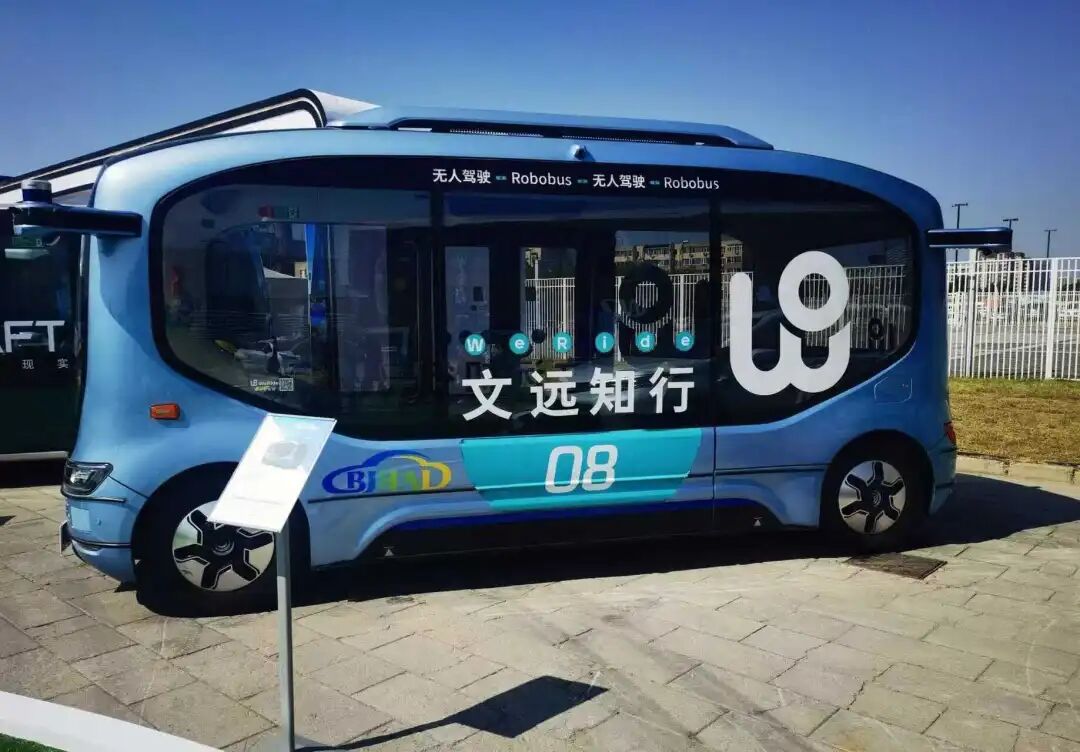
如祺出行“Robotaxi+”亮相2025广州车展
Zheng Quan Ri Bao Wang· 2025-11-21 12:10
Core Insights - The Guangzhou International Auto Show showcased the advancements of Guangzhou Chuangqi Mobility Technology Co., Ltd. (如祺出行) in the commercialization of autonomous driving, highlighting their three core business areas: Robotaxi operations, intelligent driving data solutions, and AI data service matrix for various industries [1][2] Group 1: Robotaxi Operations - As of September 2025, the company plans to operate over 300 Robotaxi vehicles, covering cities such as Guangzhou, Shenzhen, and the Hengqin Guangdong-Macao Deep Cooperation Zone, with more than 10,000 operational stations [2] - The "Robotaxi+" initiative aims to leverage the company's operational foundation to drive low-cost, high-quality data for accelerating autonomous driving technology iterations and mass production applications [1] Group 2: Data Solutions - The company introduced the "如祺智驾数据采集车" (Intelligent Driving Data Collection Vehicle) at the auto show, which allows for rapid modification of mass-produced vehicles for ride-hailing services while collecting road environment and driver behavior data, thus reducing data acquisition costs significantly [2] - The professional annotation team has grown to over 1,500 members, delivering more than 700,000 annotated frames monthly and serving over 100 well-known enterprises, positioning the company as a key player in promoting AI technology across industries [2] Group 3: AI Data Services - The AI data service matrix is designed to enhance the value of data assets by supporting various industry applications, creating a closed loop of "scale operation - data acquisition - technology iteration - mass production application" [1]
小马智行完成“美股+港股”双重上市,打造Robotaxi高价值可持续模式
Di Yi Cai Jing· 2025-11-17 04:28
Core Insights - The automatic driving taxi market is entering a new era with companies like Pony.ai and WeRide going public in Hong Kong, focusing on commercialization and scalability as key investment themes [1][5]. Business Model Divergence - There is a split in the business model choices among autonomous driving companies for Robotaxi, with some opting for a project-based (B2B) model while Pony.ai is pursuing a scalable operation model (B2C) to provide ongoing transportation services and achieve economies of scale [4][9]. - Pony.ai's CEO emphasizes that the company aims to focus on service provision rather than vehicle sales, with plans to expand its fleet and operations in various markets [4][5]. Operational Strategy - Pony.ai is transitioning to an "operation-centric" phase, having received recognition from long-term capital institutions for its focus on fleet scale and operational capabilities [5][14]. - The company has achieved 24/7 operational service in cities like Guangzhou and Shenzhen, with testing in Beijing [10]. Economic Model and Growth - The breakeven point for Robotaxi operations in major cities is identified at a fleet size of 1,000 vehicles, beyond which the cost per vehicle decreases and gross margins improve [13]. - The company reported a significant revenue increase of 75.9% year-on-year for Q2 2025, driven by cost reductions and scale effects [15]. Market Position and Future Outlook - Pony.ai is the first autonomous driving company to obtain permits for fully driverless Robotaxi services in major Chinese cities, indicating a strong market position [9][14]. - The company plans to scale its fleet to 50,000 vehicles by 2028-2029, with expectations of positive cash flow as it moves past the scalability inflection point [15]. Industry Evolution - The industry is shifting from a technology-driven phase to one focused on operational and scale-driven models, with sustainable and profitable service delivery becoming the core competitive advantage [16].
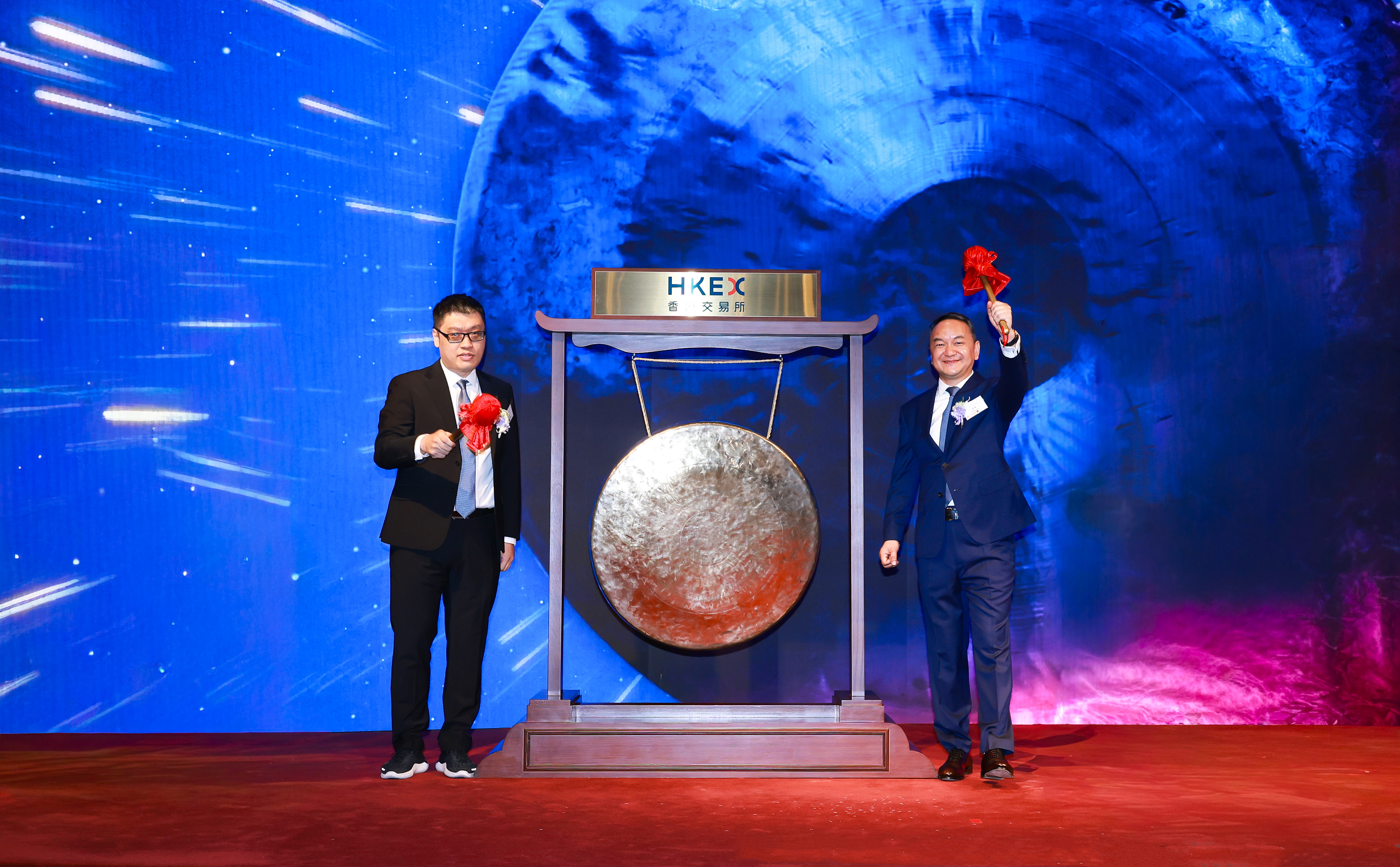
美股异动丨文远知行盘前涨超1% 机构料其海外商业化落地拐点将至
Ge Long Hui· 2025-11-14 09:23
Core Viewpoint - WeRide has received official approval from Singapore's Land Transport Authority (LTA) to conduct autonomous vehicle testing in the Punggol area, marking a significant step in its expansion into Southeast Asia [1] Group 1: Company Developments - WeRide's Ai.R autonomous ride-hailing service will cover two dedicated shuttle routes in Punggol, with the first public passengers expected in early 2026 [1] - During the testing and initial public operation phases, all vehicles will be equipped with trained safety personnel to monitor vehicle operations in real-time [1] Group 2: Market Position and Growth Potential - According to Everbright Securities, WeRide is the only company globally to have obtained autonomous driving licenses from seven countries, with operations spanning 11 countries and 30 cities [1] - The company is expected to achieve commercial maturity in the Middle East by 2025, with an expanding fleet and an optimized single-vehicle economic model [1] - WeRide's five core product lines are well-aligned with smart mobility, smart freight, and smart sanitation scenarios, indicating a strong market fit [1] - The company is considered to have a certain level of rarity and premium potential, with the Robotaxi model expected to drive a scaling inflection point through cost reduction and policy synergy [1]