融合化

Search documents
支持符合条件的服务外包企业利用多层次资本市场融资发展
Zheng Quan Ri Bao· 2025-12-15 23:26
Core Viewpoint - The "Action Plan for Promoting High-Quality Development of Service Outsourcing" aims to enhance the international competitiveness of service outsourcing enterprises and improve the digital, intelligent, green, and integrated development levels of the industry by 2030 [1]. Group 1: Action Plan Overview - The Action Plan was jointly released by six government departments, emphasizing the importance of service outsourcing in service trade and digital trade [1]. - It outlines 13 specific measures across six areas: platform enhancement, innovation leadership, enterprise cultivation, market expansion, industry standard development, and talent training [1]. Group 2: Innovation Leadership - The Action Plan supports the establishment of internationally recognized data security and privacy protection mechanisms in certain regions, promoting the deep integration of the digital economy with the real economy [2]. - It encourages the development of cloud computing, supercomputing, intelligent computing, and artificial intelligence services in resource-based cities, facilitating the transfer of domestic and foreign IT outsourcing and digital services [2]. Group 3: Enterprise Cultivation - The Action Plan proposes increased investment and financing support for service outsourcing, simplifying application processes for enterprises while ensuring fund security [2]. - It highlights the role of the Service Trade Innovation Development Guidance Fund in attracting more social capital into the service outsourcing sector through market-oriented methods like equity investment [2]. - Financial institutions are encouraged to innovate financial products and services tailored to the characteristics of service outsourcing, expanding coverage for financing based on intellectual property and order pledges [2].
从卖机器到卖方案 我国机械工业成就显著
Yang Shi Xin Wen Ke Hu Duan· 2025-12-14 02:45
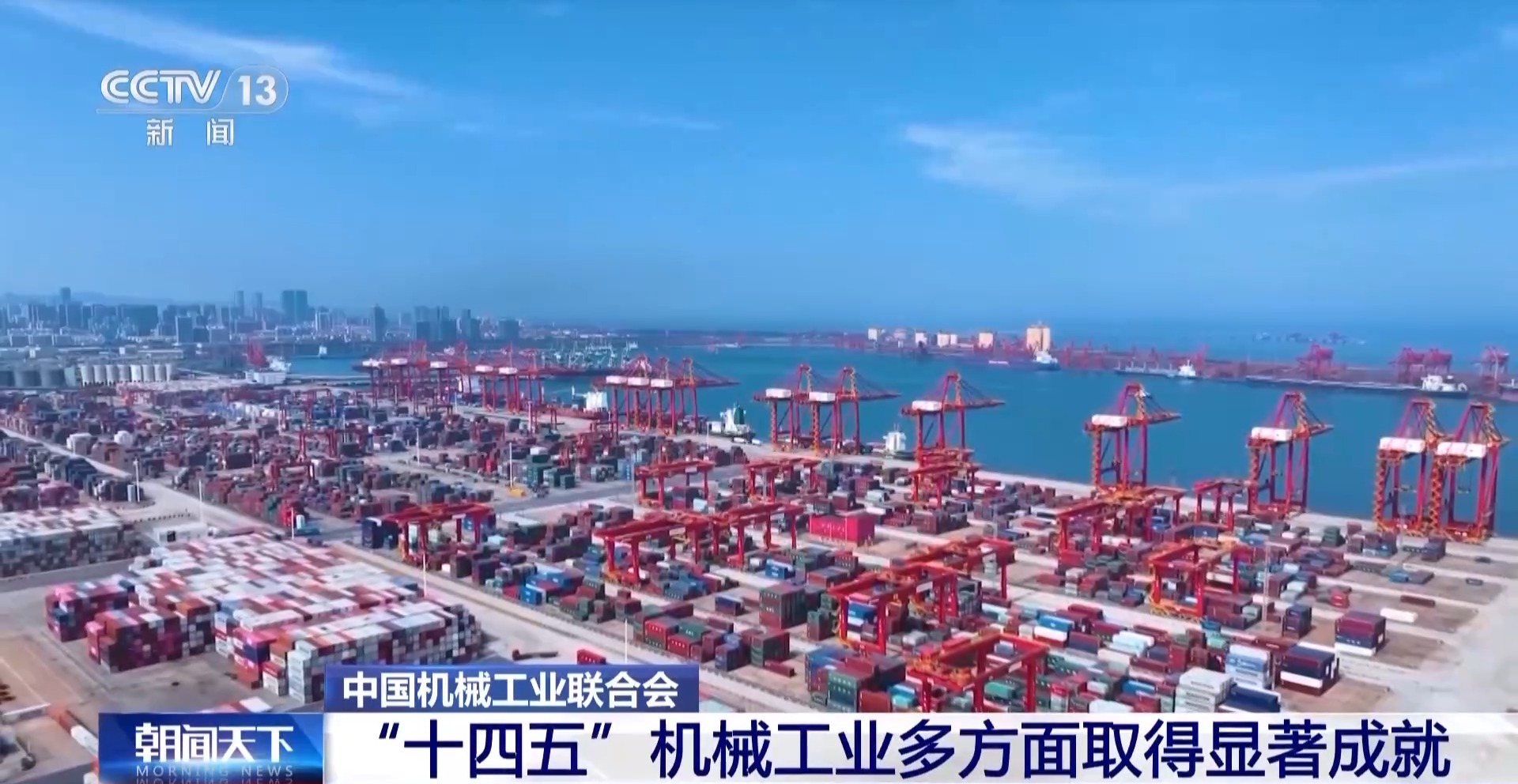
Core Viewpoint - During the "14th Five-Year Plan" period, China's machinery industry has achieved significant accomplishments in industrial scale, foreign trade, and innovation capabilities, laying a solid foundation for advancing new industrialization [1][3][5] Industrial Scale - The average annual growth rate of the added value of China's machinery industry during the "14th Five-Year Plan" is 7.1%, with a growth rate of 8.7% in the first three quarters of this year, both exceeding the national average levels for industry and manufacturing [1] - The number of large-scale enterprises in the machinery industry increased from 92,000 to 137,000 by the end of October 2025 [1] Foreign Trade - The machinery industry has achieved a historic leap in foreign trade, with import and export volumes exceeding $1 trillion for five consecutive years [3] - From January to October 2025, the total import and export volume of goods reached $1.03 trillion, a year-on-year increase of 7.6% [3] - The total import and export volume for the machinery industry is expected to reach a new high in 2025, becoming a key driver for industry growth [3] Innovation Capability - The innovation capability of the machinery industry has been continuously enhanced, with 4,487 national and industry standards planned for release during the "14th Five-Year Plan," and an international standard conversion rate exceeding 92% [7] - The advantages of industrial clusters are increasingly prominent, with machinery enterprises accounting for one-fourth of the 300 national-level characteristic industrial clusters of small and medium-sized enterprises [7] - The production and sales of new energy vehicles, electric engineering machinery, and new energy agricultural machinery have significantly increased, with enterprises accelerating the transition from single product manufacturing to integrated solutions of "products + services" [7] Future Outlook - Looking ahead to the "15th Five-Year Plan," the machinery industry will focus on enhancing the resilience and safety of industrial and supply chains, accelerating the cultivation of new productive forces, and emphasizing the transformation towards intelligent, green, and integrated development [9]

记者去哪儿·迈向“十五五” 从“车轮上的变化”看中国制造强链突围
Ren Min Wang· 2025-12-12 03:32
坚持把发展经济的着力点放在实体经济上,坚持智能化、绿色化、融合化方向。 "几年前,谁能想到中国汽车在产品形态、能源结构和全球地位上会发生如此巨变?'十五五'时期同样 充满想象空间。"在东风日产汽车销售有限公司市场部部长孙豪看来,真正的无人驾驶、氢能源的实用 化进程、固态电池的快速突破……这些前沿领域,正是中国汽车人凭借拼搏精神,有望持续引领全球的 关键赛道。 市场的理性化与法规的完善化,被视为产业健康发展的"好兆头"。上汽大众汽车有限公司党委书记、总 经理陶海龙说,作为产业中的一分子,有责任从自身做起,不仅助力发展,更要引导行业健康前行。这 份自觉,正是产业走向成熟的重要标志。 车展勾勒的蓝图,正在一座座"超级工厂"里变为现实。以人工智能、大数据、工业互联网为代表的数字 技术,已成为驱动产业变革的核心力量。在吉利汽车位于湖州长兴的"新四化"高端制造工厂,已实现每 分钟下线一台车的高效产能,这背后,是现代化产业体系的强力支撑。 吉利汽车集团长兴公司总经理赵德刚介绍,这主要得益于三点:一是数字化赋能全链路,实现精准决策 与管理;二是数字化系统打通上下游,与供应商实现产能共享与无缝协作;三是柔性化制造能力,既能 大 ...

以“信用+”赋能 走向智能化、绿色化、融合化
Zhong Guo Jin Rong Xin Xi Wang· 2025-12-05 00:25
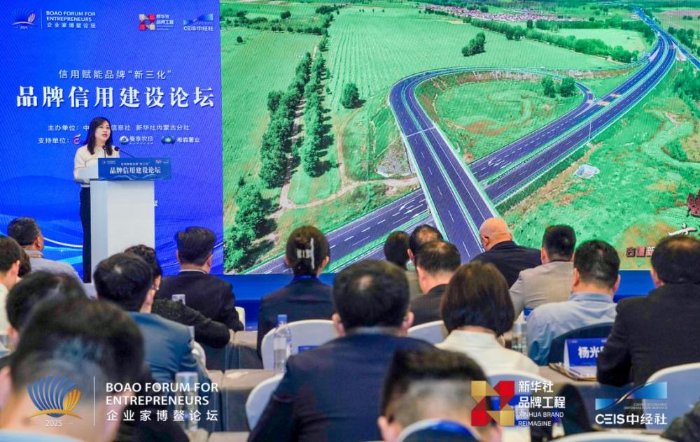
Core Viewpoint - The 2025 Brand Credit Construction Forum emphasizes the importance of credit in enabling the modernization of industrial systems through intelligent, green, and integrated development [1][3]. Group 1: Intelligent Development - Credit serves as the foundation for developing "new quality productivity" and must be integrated with the "Digital China" and "Credit China" initiatives to foster a virtuous cycle of technology innovation and integrity [3]. - The digital economy era shifts focus from material consumption to data and algorithms, highlighting the need for new technologies and management practices to enhance brand credit [3][5]. Group 2: Green Development - Credit acts as a bridge for implementing the "Two Mountains" concept, transforming ecological value into recognized economic value through a robust credit system [3]. - Establishing ESG evaluation standards is crucial for providing credible proof of environmental quality, thereby enhancing market recognition of ecological products [3]. Group 3: Integrated Development - Credit is identified as the ecological link for constructing a new development pattern, promoting a culture of integrity and cooperation across various industries [5]. - The integration of cultural and tourism sectors is transitioning from policy guidance to practical implementation, enhancing product offerings and consumer experiences while driving economic growth [5][6]. Group 4: Brand Credit Construction - Brand construction is essential for corporate competitiveness and longevity, focusing on value co-creation and industry responsibility [4]. - The forum highlighted the interconnection of trust, quality credit, and brand building as a system that drives continuous improvement in the business environment [7]. Group 5: Forum Overview - The 2025 Brand Credit Construction Forum was guided by the Xinhua News Agency's Brand Work Office and organized by the China Economic Information Service and Xinhua's Inner Mongolia branch [8].
李岩松到大庆经开区调研产业项目建设
Xin Lang Cai Jing· 2025-12-03 13:21
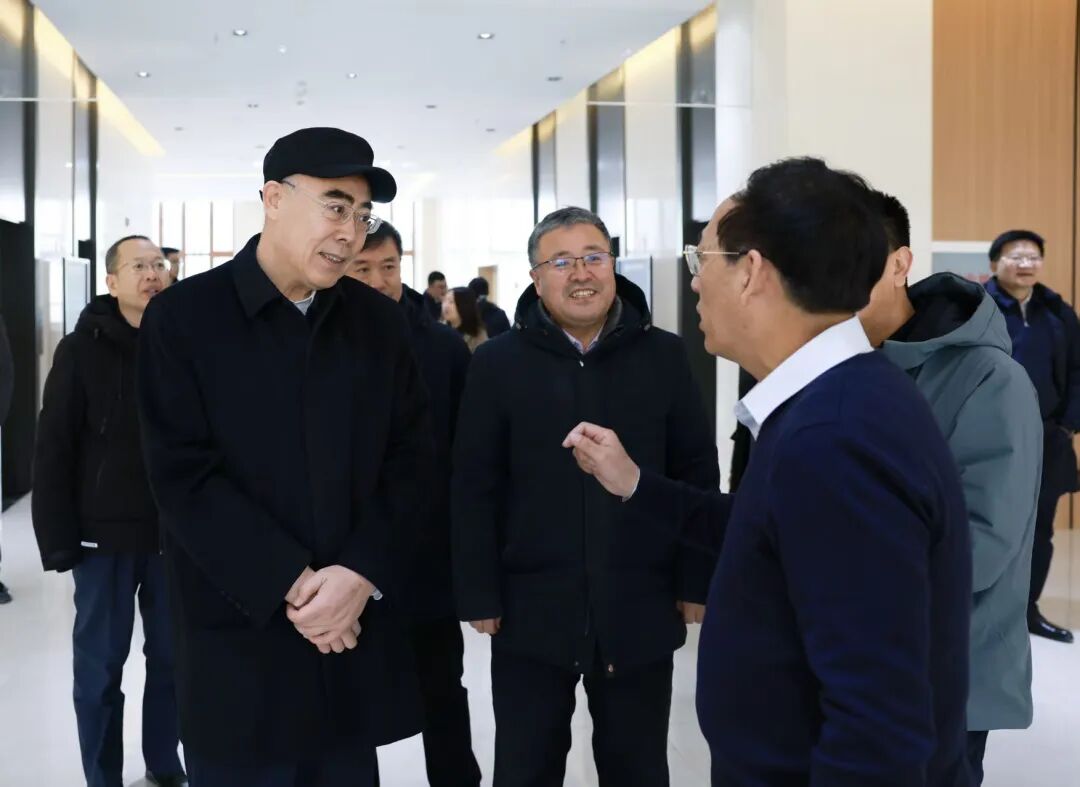
Core Insights - The article highlights the importance of project construction and investment attraction in the current "14th Five-Year Plan" period, emphasizing the need for smart, green, and integrated development [1][4]. Group 1: Project Development - The Mayor visited several project sites, including the Fudong Catering Central Kitchen and Huahao Environmental New Energy, to understand construction progress and application scenarios [1][4]. - The focus is on encouraging early completion, production, and effectiveness of projects to boost confidence and seize policy opportunities [1][4]. Group 2: Industry Transformation - There is a call to optimize traditional industries while nurturing emerging sectors and planning for future industries, with a focus on chain-based investment and fund-driven initiatives [1][4]. - The implementation of the "Full Garden Project" aims to enhance the industrial ecosystem [1][4]. Group 3: Policy and Support - The government aims to provide proactive services and policy empowerment to assist enterprises, ensuring smooth handling of procedures, supply of resources, and financial support for construction [1][4]. - Emphasis is placed on balancing development and safety, with strict adherence to safety assessments and regulations during construction [1][4].
工业机器人有望更智能、易用(专家点评)
Ren Min Ri Bao· 2025-11-27 22:05
Core Insights - China has maintained its position as the world's largest industrial robot application market for 12 consecutive years, achieving both scale and qualitative advancements in the industry [1] - The performance quality of domestic robots is steadily improving, with several companies launching six-axis robots with a load capacity exceeding 500 kilograms, and the average uninterrupted operation time of domestic robots reaching 120,000 hours [1] - The product structure is continuously optimizing, with sales of self-owned brand multi-joint robots expected to exceed 100,000 units in 2024, increasing their share of total sales to 60.9% [1] Industry Development - Despite rapid industry growth, there is still a reliance on imports for high-end components, operating systems, and virtual simulation platforms, and the usability and intelligence of complete machines do not yet meet user expectations [1] - The 20th Central Committee of the Communist Party of China emphasizes focusing economic development on the real economy, with a direction towards intelligence, greening, and integration [1] Future Outlook - The demand for intelligent robots is driven by the need for manufacturing equipment to possess adaptive and autonomous learning capabilities, while green initiatives require the manufacturing sector to save energy and reduce waste, which industrial robots can facilitate [1] - The integration of robotic technology with new technologies such as large models and embodied intelligence, as well as collaboration with industries like lithium batteries and communications, creates opportunities for enhancing robot capabilities and establishing a new technological innovation ecosystem [1] - Looking ahead, China's industrial robots are expected to become more intelligent and user-friendly, with human-machine collaboration becoming the norm and serving as a crucial support for cultivating new productive forces [1]

坚持智能化、绿色化、融合化方向 云南曲靖因地制宜提升产业能级
Jing Ji Ri Bao· 2025-11-27 21:38
Core Insights - Yunnan's Qujing City has achieved a 45.9% increase in foreign trade import and export volume in the first three quarters of the year, driven by the development of new productive forces and a modern industrial system [1][2] Group 1: Economic Development - Qujing City is focusing on optimizing traditional industries while nurturing emerging and future industries, leading to a robust support system from traditional sectors like tobacco, coal, and electricity [1] - The city is also advancing in new sectors such as green aluminum, silicon photovoltaic, and new energy batteries, alongside stable growth in advanced equipment manufacturing, new materials, and biomedicine [1] - The local government has established seven provincial-level foreign trade transformation bases, resulting in a 66% increase in the number of enterprises engaged in foreign trade compared to the end of the 13th Five-Year Plan [1] Group 2: Industrial Strategy - Qujing is committed to intelligent, green, and integrated development, promoting synchronized advancements in new industrialization, information technology, urbanization, and agricultural modernization [2] - The city is accelerating the establishment of an advanced manufacturing center and implementing three major projects: upgrading traditional industries, nurturing emerging industries, and planning for future industries [2] - Industrial investment accounts for 57.1% of fixed asset investment, while the added value of the private economy constitutes 57.6% of the regional GDP [2]
刘宁到新乡市调研检查大运河保护工作时强调:坚决有力加强大运河保护修复 打造水清景美的生态河幸福河
He Nan Ri Bao· 2025-11-26 10:44
Group 1: Environmental Protection and Cultural Heritage - The provincial secretary emphasized the need to implement the spirit of the 20th Central Committee and Xi Jinping's ecological civilization thoughts, focusing on the protection and utilization of the Grand Canal's cultural heritage [1][2] - There are ongoing issues with the stability of water quality improvements in the Grand Canal's tributaries, indicating that some environmental problems remain unaddressed [2] - The secretary highlighted the importance of integrating ecological protection with cultural heritage preservation, aiming to enhance the historical, artistic, and scientific value of the Grand Canal [2] Group 2: Corporate Development and Innovation - Companies like Tianli Lithium Energy Co., Ltd. and Chengde Energy Technology Equipment Co., Ltd. are encouraged to align with national "dual carbon" goals, focusing on smart, green, and integrated development [3] - There is a push for increased investment in technological research and development to improve product quality and expand market share, with an emphasis on carbon reduction and safety in production [3] - The secretary called for a deep integration of innovation resources with technology-driven enterprises, aiming to enhance the synergy between innovation chains, industry chains, and talent chains for high-quality development [3]
欧派家居再度获人民日报点赞!
Zhong Jin Zai Xian· 2025-11-25 03:05
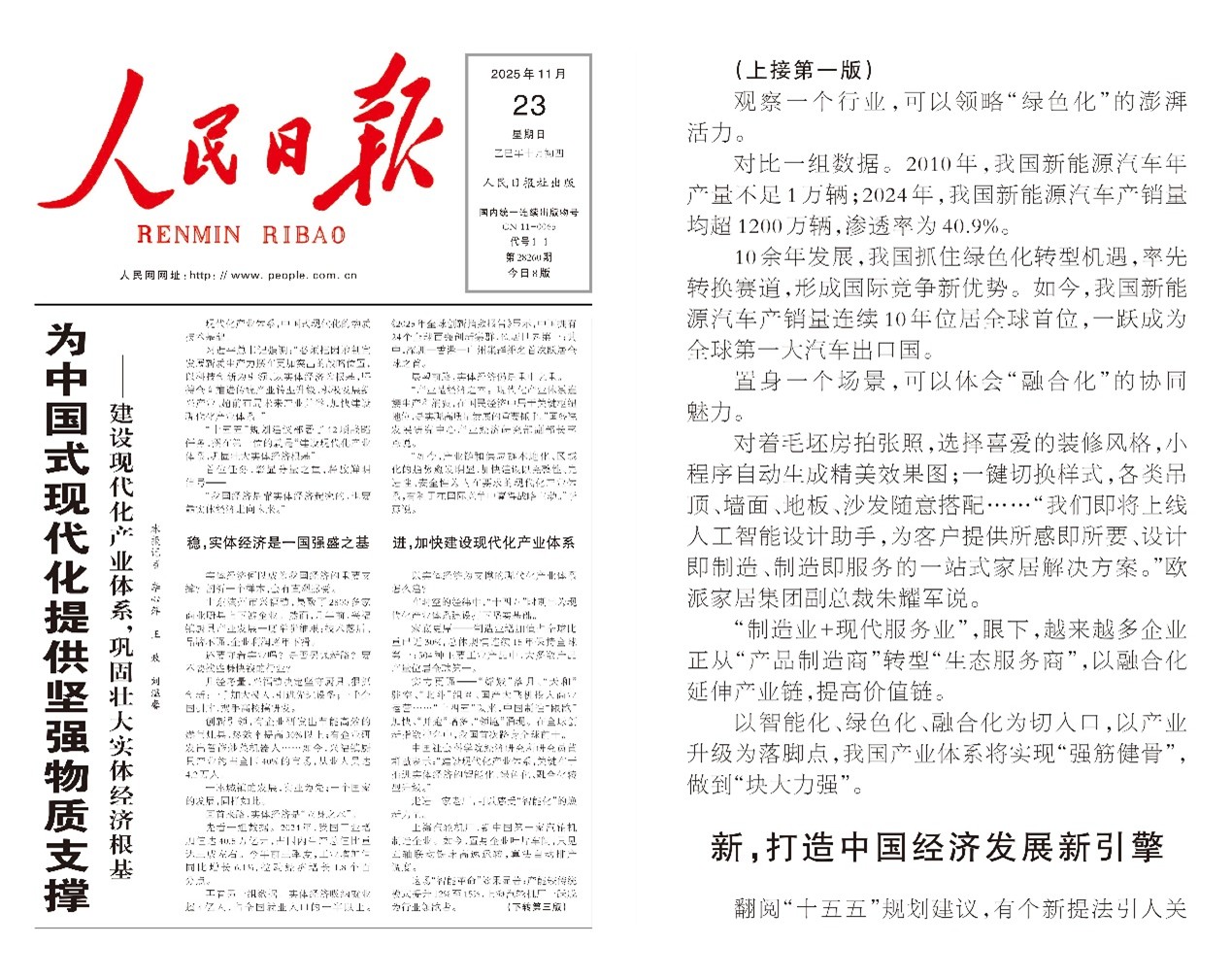
11月23日,人民目报重磅发布《为中国式现代化提供坚强物质支撑》专题报道,系统阐述建设现代化产 业体系的核心路径,并聚焦"智能化、绿色化"产业升级三大方向。其中,欧派家居作为"融合 化"发展的标杆企业被重点报道,其从"产品制造商"向"生态服务商"的战略转型,展现了企业在产业融 合与模式创新上的实践成果。 (上接第一版) 观察一个行业,可以领略"绿色化"的澎湃 活力。 对比一组数据。2010年,我国新能源汽车年 产量不足1万辆;2024年,我国新能源汽车产销量 均超 1200万辆,渗透率为 40.9%。 10余年发展,我国抓住绿色化转型机遇,率外 转换赛道,形成国际竞争新优势。如今,我国新能 源汽车产销量连续10年位居全球首位,一跃成为 全球第一大汽车出口国。 置身一个场景,可以体会"融合化"的协同 魅力。 对着毛坯房拍张照,选择喜爱的装修风格,小 程序自动生成精美效果图;一键切换样式,各类吊 顶、墙面、地板、沙发随意搭配 …… "我们即将上线 人工智能设计助手,为客户提供所感即所要、设计 即制造、制造即服务的一站式家居解决方案。"欧 派家居集团副总裁朱耀军说。 "制造业+现代服务业",眼下,越来越多企业 正从 ...

智能装备“向新”记:让机器人打“难工”
2 1 Shi Ji Jing Ji Bao Dao· 2025-11-24 11:35
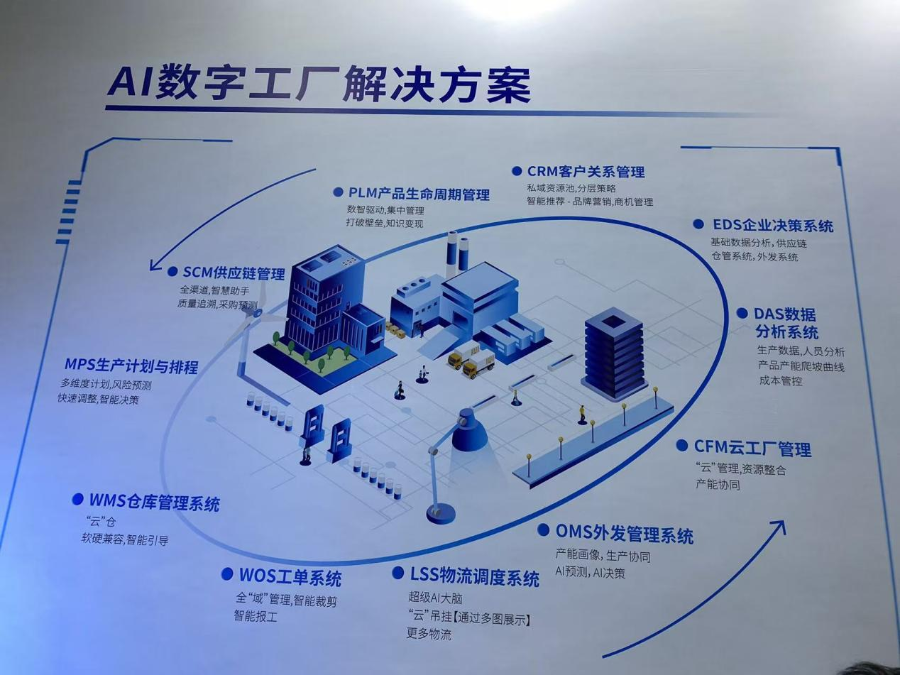
Core Insights - The "Intelligent+" development trend is deeply integrating smart equipment into various industries such as clothing and machinery, facilitating digital transformation in workshops [2][3]. Industry Overview - The 11th Yiwu International Intelligent Equipment Expo showcased 507 leading companies from the global smart equipment industry, presenting over a thousand smart equipment items across various sectors including robotics, smart manufacturing solutions, and advanced material processing [2]. - The expo reflects a shift in the equipment manufacturing industry, where companies are not just selling equipment but are also integrating digital technologies to enhance operational efficiency and safety [2][3]. Technological Advancements - New technologies and products in high-end equipment manufacturing are emerging, with a focus on smart robots, industrial mother machines, and intelligent logistics equipment [3]. - Companies are upgrading their systems to connect directly with Manufacturing Execution Systems (MES), allowing for automated processes and improved production efficiency [3][4]. Smart Manufacturing Solutions - In the clothing industry, a "Digital AI Factory" solution has been developed, enabling automation from design to production, significantly enhancing efficiency [5][6]. - AI software connects machines throughout the production process, allowing for streamlined operations where one supervisor can manage multiple production lines [6]. Robotics and Automation - The industry is increasingly adopting embodied intelligence to address labor-intensive and hazardous tasks, improving both efficiency and worker safety [7]. - Companies like Noli Intelligent Equipment are advancing towards unmanned operations with automated systems that enhance logistics efficiency and safety within factories [9]. Customization and Flexibility - Some companies are offering customizable automation solutions that allow for easy adjustments in packaging and logistics processes, significantly reducing manual labor [10][12]. - The "recipe-based" approach in automation allows for quick changes in production setups, making it easier for factories to adapt to varying product specifications [10].