自动驾驶

Search documents
曝国际巨头拟裁员3万人,多家美银行停止相关项目贷款;老外吐槽国产手机:为了像苹果,3个摄像头里1个是假的;闻泰业绩变脸:巨亏135亿元
雷峰网· 2026-02-02 00:27
Key Points - Major international companies are reportedly planning to lay off 30,000 employees due to funding difficulties in AI data center expansions, with Oracle considering selling parts of its business [4][5] - Wenta Technology expects a significant loss of 90 to 135 billion yuan in 2025, primarily due to issues with its core asset, Nexperia Semiconductor, which is under temporary control restrictions [8][9] - Tencent has appointed AI expert Pang Tianyu as the Chief Research Scientist for its AI division, focusing on multimodal reinforcement learning [12][13] - Cambricon has achieved its first annual profit in ten years, with a projected revenue increase of 410.87% to 496.02% in 2025 [16][17] - GAC Group anticipates a loss of 80 to 90 billion yuan in 2025, with a 14% decline in vehicle sales [20][21] - ByteDance's Hongguo short drama app has surpassed 100 million daily active users within three years of its launch [20] - Apple has announced unprecedented innovations for this year, following a record quarterly revenue of $143.76 billion [40][41] - OpenAI is reportedly preparing for an IPO in Q4 2023, aiming for a valuation of approximately $500 billion [56][57] - Waymo plans to raise about $16 billion in a new funding round, which would value the company at nearly $110 billion [44][45] - The global memory chip market is facing supply challenges, with major manufacturers tightening order approvals to prevent excessive stockpiling by clients [52][53]





Model S/X停产,这次真是资本做局
3 6 Ke· 2026-02-02 00:22
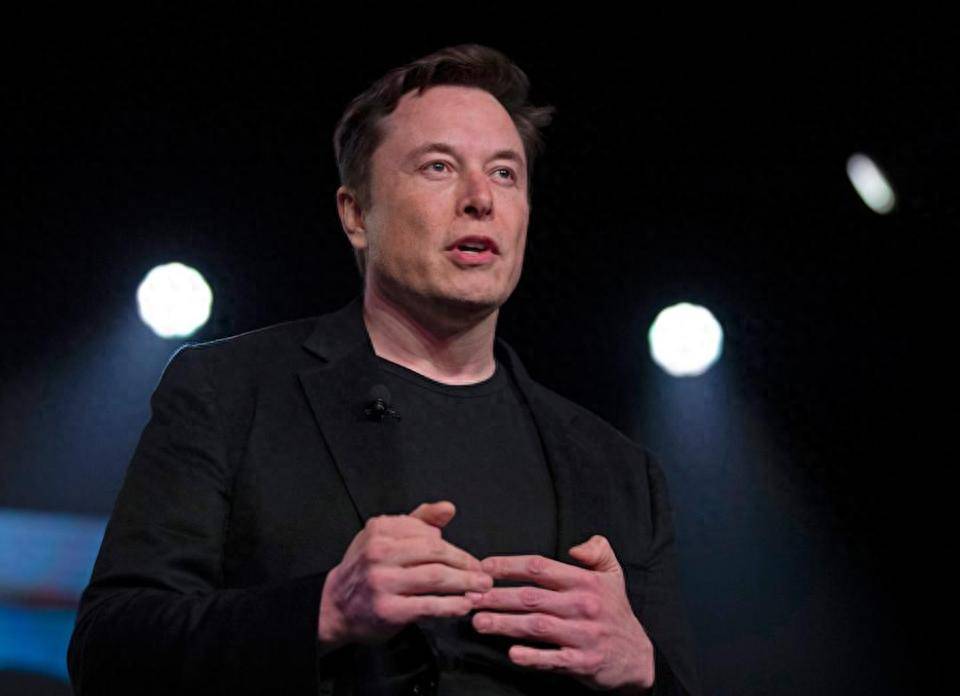
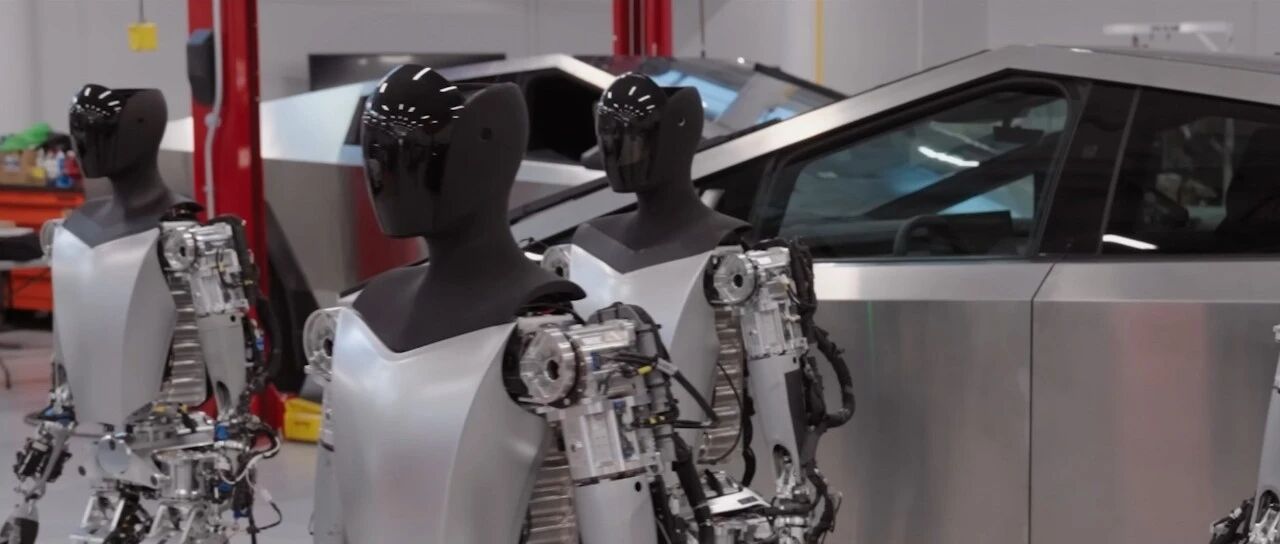
Core Viewpoint - Tesla's flagship models, Model S and Model X, will cease production by the end of Q2, with the Fremont production line being repurposed for the Optimus robot factory, aiming for an annual capacity of 1 million units [1]. Group 1: Production and Sales - Model S was released in 2012, followed by Model X in 2015, establishing Tesla's dominance in the electric vehicle market [1]. - Sales of Model S/X have been low, categorized under "other models" in Tesla's financial reports, with a projected total of fewer than 50,000 units for all four models by 2025, compared to 1,585,300 units for Model 3/Y [2]. - The peak sales year for Model S/X was 2017, contributing 99% of Tesla's total deliveries and over $10 billion in revenue, but they have since been overshadowed by Model 3 and Model Y [7]. Group 2: Business Strategy - Elon Musk's philosophy emphasizes reducing production costs to sell vehicles at lower prices, contrasting with traditional automakers that cover various price segments [6]. - The initial high pricing of Model S/X was intended to open market space and foster supply chain growth, paving the way for more affordable models [7]. - Tesla's long-term strategy involves shifting value from hardware to software, particularly in autonomous driving, necessitating high sales volumes to dilute development costs [10]. Group 3: Market Response and Future Plans - The decision to stop production of Model S/X is influenced by a significant shift in capital market sentiment, where investors are more focused on Tesla's AI and robotics initiatives than its automotive business [15][19]. - Following disappointing sales and financial metrics, Tesla's stock has paradoxically risen, driven by optimism around AI developments and future projects like Cybercab and Optimus [18][19]. - Analysts have adjusted Tesla's stock price targets based on AI-related expectations, with some firms raising targets due to positive developments in Robotaxi and FSD services, while others express concerns over high capital expenditures [22][19].

平潭城市出行与物流服务自动驾驶先导应用试点通过现场核验
Xin Lang Cai Jing· 2026-02-01 23:26
Core Insights - The pilot project for autonomous driving in urban transportation and logistics services in Pingtan successfully passed the second batch of intelligent transportation pilot site inspections by the Ministry of Transport, marking a significant breakthrough in smart connected infrastructure and autonomous driving applications in the region [1] Group 1: Project Overview - The project is the first of its kind in the country to pass on-site verification in the urban transportation and logistics sector [1] - The inspection was organized by the Fujian Provincial Department of Transportation in collaboration with the Transportation Research Institute of the Ministry of Transport [1] - The expert group verified various autonomous driving bus test routes and observed the operation of autonomous shuttle buses and logistics vehicles [1] Group 2: Implementation and Support - Since the approval of the pilot, the experimental zone has prioritized high standards and quality in advancing the project, establishing a working group for smart connected vehicles [2] - A joint mechanism for vehicle access registration and approval processes has been created, along with the issuance of management guidelines for road testing and demonstration applications [2] - The project has innovatively explored a multi-investment model combining purchase, leasing, and social capital to address funding challenges [2] Group 3: Future Directions - The project aims to leverage the pilot inspection as an opportunity to focus on technological innovation, scene expansion, and system improvement for the large-scale implementation of autonomous driving technology [3] - The initiative is expected to integrate deeply into the region's unmanned systems and low-altitude economic development, contributing to the construction of Pingtan as an international tourist island [3]
行业周报:FSD付费用户渗透率超12%,2025全球人形机器人出货量同比增长5倍-20260201
KAIYUAN SECURITIES· 2026-02-01 14:34
Investment Rating - The industry investment rating is "Positive" (maintained) [1] Core Views - The automotive sector is experiencing a significant shift towards electric vehicles and autonomous driving technologies, with major players like Tesla revealing strategic plans for Robotaxi services and substantial investments in robotics and AI [5][18] - The demand for high-end domestic passenger vehicles is exceeding expectations, with a favorable competitive landscape anticipated to drive performance growth [7] - The industry is witnessing a notable increase in the penetration of Full Self-Driving (FSD) paid users, indicating a growing acceptance of advanced driving technologies [14] Industry News - Tesla's Robotaxi strategy focuses on a dual-seat Cybercab targeting 90% of ride-hailing scenarios, with production expected to start in April 2026 [13] - Shanghai has introduced a subsidy for replacing old vehicles with new energy vehicles, offering an 8% subsidy on the purchase price, capped at 15,000 yuan [14] - The National Energy Administration plans to establish 28 million charging facilities by the end of 2027, projected to stimulate over 200 billion yuan in investments [15] - WeRide has launched a universal simulation model to accelerate the development and commercialization of autonomous vehicles [16] - Yuchai has introduced the world's first flywheel range extender technology, achieving a maximum power generation efficiency of over 4.8 kWh/L [17] - The market for natural gas heavy-duty trucks is expected to see a net increase of 20,000 units by 2025, with significant growth in sales [18] Market Performance - The automotive sector underperformed the broader market, with the A-share automotive index declining by 4.67%, ranking 29th among primary industries [6][25] - The passenger vehicle index fell by 1.84%, while the commercial vehicle index decreased by 1.21% [6] - The automotive parts index saw a decline of 6.82%, indicating challenges within the supply chain [6] Investment Recommendations - For passenger vehicles, the recommendation includes Jianghuai Automobile and Seres, with Geely Automotive identified as a beneficiary [7] - In the automotive parts sector, companies like Desay SV, Zhejiang Xiantong, and Meili Technology are recommended, with additional beneficiaries including Weichai Power and Huayu Automotive [7]
理想汽车加速AI转型,全面布局具身智能
SINOLINK SECURITIES· 2026-02-01 14:33
Investment Rating - The report suggests focusing on themes of intelligence and overseas expansion, highlighting potential investment opportunities in companies like BYD and Geely Automobile, as well as in the intelligent and robotics sectors such as Li Auto-W and Xpeng Motors-W [3][16]. Core Insights - Tesla is shifting its focus from traditional vehicle production to AI and robotics, planning to stop the production of Model S and Model X to allocate resources for the Optimus humanoid robot, with a target production capacity of 1 million units annually by 2026 [1][13]. - Li Auto is restructuring its R&D department to enhance its humanoid robot development, indicating a strong commitment to AI competition and innovation in robotics [2][14]. - The passenger car market has shown weak sales performance in early 2026, but there is optimism for recovery in Q1 2026 due to anticipated policy support and seasonal demand [2][15]. Industry Data Tracking - The Shanghai Composite Index increased by 0.08%, while the automotive index decreased by 5.08%, ranking 29th among 31 sectors [4][17]. - In the second week of January 2026, wholesale passenger car sales were 359,000 units, down 28% year-on-year, with a significant increase in new energy vehicle penetration to 50% [5][26]. - In December 2025, the total wholesale passenger car sales were 2.787 million units, a year-on-year decrease of 9.3%, while new energy vehicle sales increased by 3.4% [6][34]. Industry Dynamics - Tesla's transition to focus on AI and robotics is part of a broader trend in the automotive industry, with companies like Xpeng and Li Auto also investing heavily in intelligent driving and robotics [1][3][66]. - The report highlights the importance of new energy vehicle exports, which have shown a consistent growth rate of over 20% year-on-year, indicating a long-term trend towards international markets [3][15]. - The introduction of mandatory standards for advanced driver assistance systems in China marks a significant regulatory shift that will impact the automotive landscape [68].



汽车与汽车零部件行业周报、月报:智驾科技向上,海外新能源加速-20260201
Guoyuan Securities· 2026-02-01 14:11
Investment Rating - The report maintains a "Recommended" investment rating for the automotive industry [5] Core Insights - The automotive industry is experiencing a significant transformation towards intelligent driving and AI integration, with major players like Li Auto and NIO announcing ambitious plans for AI and humanoid robots [1][19] - The overseas new energy vehicle market is rapidly growing, with strong demand for models like the new electric GLC from Mercedes-Benz, which has seen order backlogs extending into the second half of 2026 [2][29] - The report emphasizes the importance of focusing on technological growth opportunities in smart driving and AI, as well as the potential for Chinese supply chains to expand internationally [3] Summary by Sections Weekly Market Review (2026.01.24-01.30) - The automotive sector saw a decline of 5.08% during the week, with most related sub-sectors also experiencing losses [11] - The Shanghai Composite Index rose slightly by 0.08%, while the automotive industry index fell significantly [11] Industry News (2026.01.24-01.30) - Li Auto's CEO highlighted 2026 as a critical year for AI advancements, indicating a shift towards becoming a "humanoid intelligent" company [19] - The European Automobile Manufacturers Association reported a 30% increase in electric vehicle registrations in 2025, indicating a strong market shift towards electric mobility [2][33] - NIO and BYD are advancing their AI capabilities with new software updates and systems aimed at enhancing driving safety and efficiency [22][24] Key Focus Areas - The report suggests investors pay attention to the growth of intelligent driving technologies and the rapid expansion of the overseas new energy vehicle market [3] - The potential for Chinese automotive supply chains to penetrate international markets is highlighted as a significant opportunity [3]
Model S/X停产,这次真是资本做局
远川研究所· 2026-02-01 13:14
Core Viewpoint - Tesla's annual revenue has declined for the first time, with a 10% year-over-year drop, and the delivery volume of its automotive business has decreased for the second consecutive year [5][6][21]. Group 1: Financial Performance - Tesla's Model S/X will cease production by the end of Q2, with the Fremont production line being repurposed for the Optimus robot factory, aiming for an annual capacity of 1 million units [5][10]. - The sales of Model S/X have been low, with projections indicating that by 2025, the combined sales of these models will be less than 50,000 units, significantly overshadowed by Model 3/Y's sales of 1.5853 million units [6][11]. - In 2017, Model S/X accounted for 99% of Tesla's total deliveries, contributing over $10 billion in revenue, but since then, their importance has diminished as Model 3 and Model Y have taken the lead [11][15]. Group 2: Strategic Shift - Elon Musk's strategy focuses on reducing production costs and making vehicles more affordable, contrasting with traditional automakers that cover various price segments [10][14]. - The original goal of Tesla's Master Plan was to use profits from high-end models to fund the production of cheaper vehicles, which has now evolved into a focus on producing low-cost, high-volume models like Cybercab [10][17]. - The Cybercab is designed to optimize autonomous driving costs, with a target manufacturing cost below $30,000, featuring a simplified design that reduces component count by approximately 50% compared to Model 3 [17][18]. Group 3: Market Perception - The capital market has shifted its focus away from Tesla's automotive performance, with stock prices rising despite declining vehicle sales and revenue [21][22]. - Analysts have adjusted their price targets based on Tesla's AI initiatives rather than its automotive business, with optimistic views on Robotaxi and FSD services driving price increases [21][22]. - Concerns about the high capital expenditure of $20 billion for AI and other projects have led to some analysts lowering their price targets, indicating a growing skepticism about the sustainability of Tesla's automotive business [22][23].
交通运输行业周报:南航海航2025年实现扭亏为盈,航空运输行业有望逐步迈入盈利周期-20260201
Bank of China Securities· 2026-02-01 11:48
Investment Rating - The transportation industry is rated as "Outperform" [2] Core Insights - The logistics sector is experiencing significant growth, with Jiushi Intelligent achieving a hundredfold increase from 200 to 20,000 autonomous delivery vehicles over three years, in collaboration with Cainiao [3][15] - Global air freight demand is expected to grow steadily in 2025, with China Southern Airlines and Hainan Airlines projected to return to profitability [3][16] - The low-altitude economy is advancing from concept to reality, with eVTOL vertical take-off and landing points being established at landmarks like Guangzhou Tower and Baiyun Mountain [3][25] - The Chinese ship leasing market is developing multidimensionally, with steady growth in scale and efficiency, despite a slowdown in asset growth rate [3][26] - The Ministry of Transport held its first routine press conference for 2026, forecasting a total of 9.5 billion cross-regional passenger flows during the Spring Festival [3][28] Industry Dynamics - The Baltic Air Freight Price Index has decreased month-on-month and year-on-year, indicating a decline in air freight prices [4][30] - The domestic express delivery volume increased by 2.30% year-on-year in December 2025, while express delivery revenue rose by 0.70% [4][33] - The shipping and port sector shows mixed trends, with the domestic container shipping price index declining while dry bulk freight rates are rising [4][38] Investment Recommendations - Opportunities in the express logistics sector for international market expansion are recommended, with a focus on companies like SF Holding and Jitu Express [4] - The aviation sector is highlighted for investment opportunities driven by increased demand during the Spring Festival, recommending China National Aviation and China Southern Airlines [4] - The low-altitude economy and autonomous driving sectors are identified as trend-driven investment opportunities, recommending CITIC Heli and suggesting attention to Cao Cao Travel [4][5]


消息称自动驾驶公司Waymo正寻求160亿美元巨额融资
Sou Hu Cai Jing· 2026-02-01 10:02
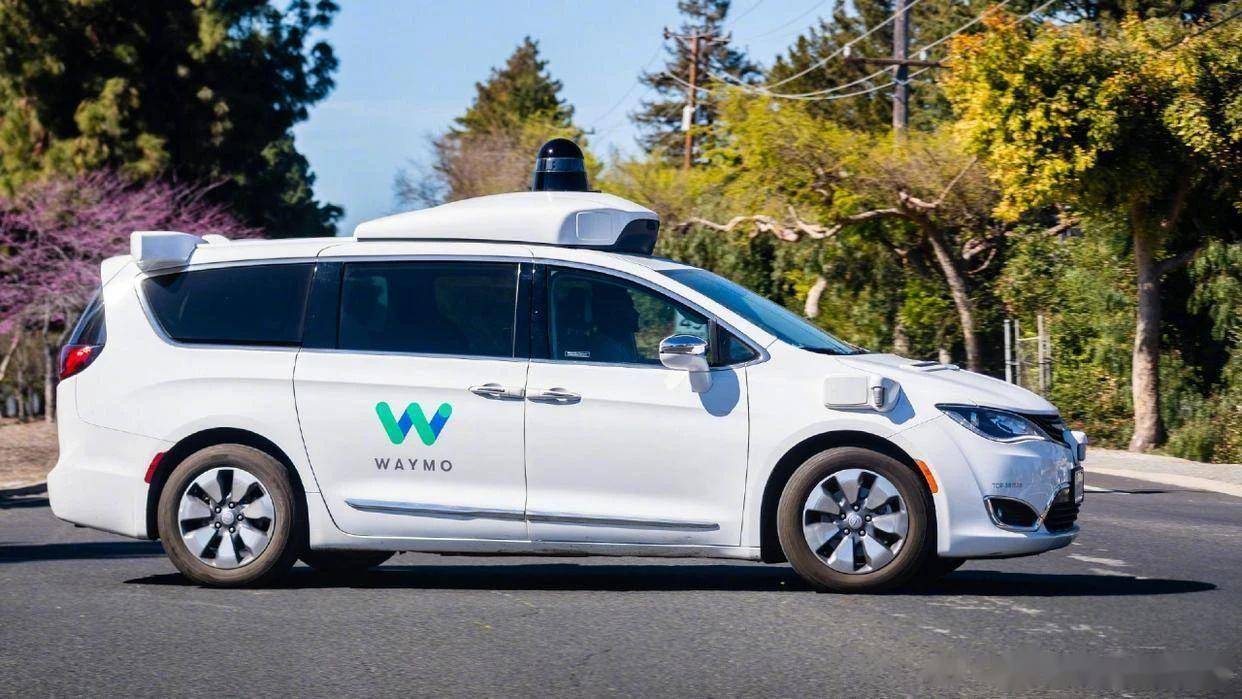
据彭博社援引知情人士消息,自动驾驶公司Waymo正在筹备新一轮融资,计划融资规模达到160亿美元(约合1114.33亿人民币)。如果此次融资成功, Waymo的估值将接近1100亿美元(约合人民币7661.02亿元)。据知情人士披露,本轮融资当中,Waymo母公司Alphabet将向其注资130亿美元,剩余资金由 外部资本提供,包括红杉资本、DST全球以及Dragoneer投资集团等。Waymo上一轮融资在2024年10月完成,当时也是Alphabet主导领投。 来源:金融界汽车 ...
特斯拉FSD付费用户已达110万 马斯克称取消安全驾驶员进程会加快
Sou Hu Cai Jing· 2026-02-01 08:46
Core Viewpoint - Tesla's financial report for the year ending December 31, 2025, indicates a revenue decline of 3% compared to the previous year, with total revenues at $94.827 billion [2][3]. Financial Summary - Total automotive revenues decreased by 10% to $69.526 billion in 2025 from $77.070 billion in 2024 [3]. - Energy generation and storage revenue increased by 27% to $12.771 billion in 2025 [3]. - Services and other revenue grew by 19% to $12.530 billion in 2025 [3]. - Total gross profit for 2025 was $17.094 billion, a 2% decrease from 2024 [3]. - Operating expenses rose by 23% to $12.739 billion in 2025 [3]. - Income from operations fell by 38% to $4.355 billion in 2025 [3]. - Net income attributable to common stockholders (GAAP) dropped by 46% to $3.794 billion in 2025 [3]. - Free cash flow increased by 74% to $6.220 billion in 2025 [3]. - Cash, cash equivalents, and investments grew by 21% to $44.059 billion in 2025 [3]. Strategic Shift - CEO Elon Musk indicated that Tesla is transitioning from an automotive company to a provider of AI-powered transportation services [4]. - The company plans to establish six new production lines for products like the Cybercab autonomous taxi and Optimus robot, while discontinuing the Model S and Model X [4]. - Tesla's Full Self-Driving (FSD) paid user base has reached 1.1 million, with plans to offer FSD primarily through subscriptions [5]. - The company currently operates about 500 autonomous taxis in Austin and the San Francisco Bay Area, with plans to accelerate the removal of safety drivers [5]. - Tesla aims to enhance infrastructure to support the demand for autonomous taxis and vehicles, positioning itself as a leader in the upcoming autonomous driving wave [5].