
算力

Search documents
A股三大指数集体低开,这一板块多股高开
Di Yi Cai Jing Zi Xun· 2025-12-15 01:58
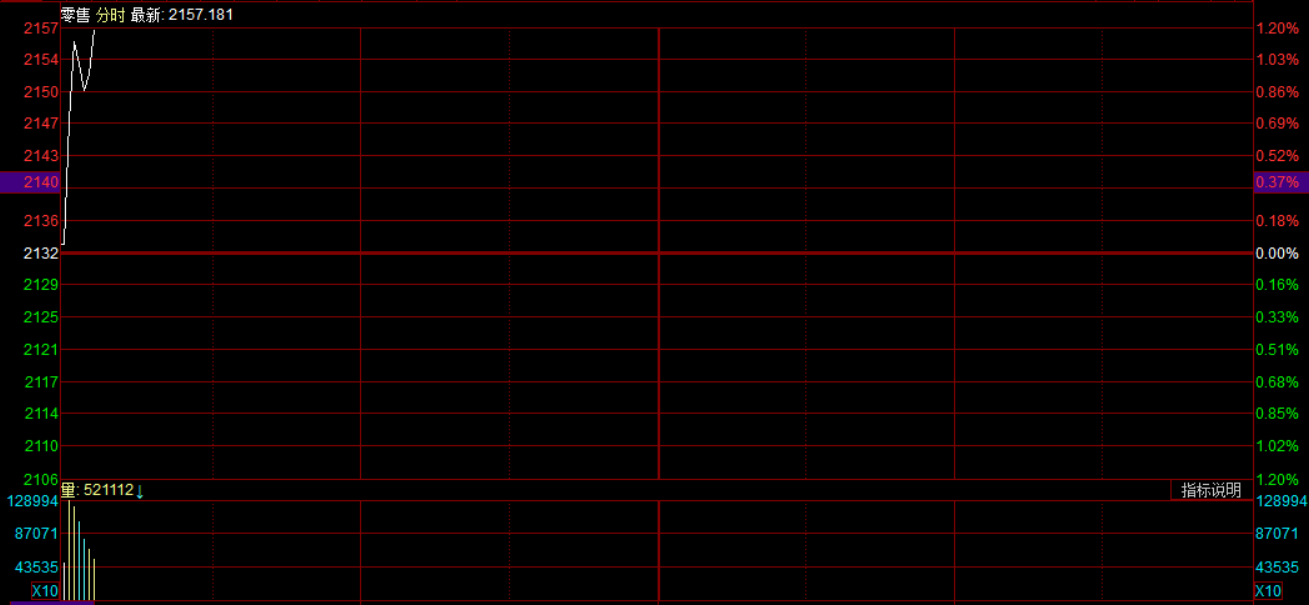
Group 1 - The retail sector experienced a significant surge, with Baida Group hitting the daily limit, and other companies like Maoye Commercial, Dongbai Group, and Yonghui Supermarket also seeing notable increases [2] - The A-share market opened lower, with the Shanghai Composite Index down 0.62%, the Shenzhen Component Index down 0.81%, and the ChiNext Index down 1.16% [5][6] - The coal futures contract saw a daily increase of 4.00%, currently priced at 1070.50 CNY per ton [4] Group 2 - The storage chip sector opened lower, with companies like Shannon Chip and Jiangbolong dropping over 8% and 6% respectively [3] - The Hong Kong stock market opened lower, with the Hang Seng Index down 1% and the Hang Seng Tech Index down 1.34%, affected by declines in major companies like JD Health and Baidu [10][11] - The controlled nuclear fusion sector saw multiple stocks open high, with companies like Xue Ren Group and Hualing Cable reaching their daily limit [4]






A股三大指数集体低开,这一板块多股高开
第一财经· 2025-12-15 01:50
Core Viewpoint - The retail sector has shown significant upward movement, with several companies experiencing notable stock price increases, indicating a positive trend in the market [3]. Retail Sector - The retail sector saw a sharp rise, with companies like Baida Group hitting the daily limit, and others such as Maoye Commercial, Dongbai Group, and Yonghui Supermarket also experiencing gains [3]. - The retail index recorded a 1.20% increase, reflecting overall positive sentiment in the sector [4]. Storage Chip Sector - The storage chip sector opened lower, with companies like Shannon Chip and Jiangbolong seeing declines of over 8% and 6% respectively, indicating potential challenges in this segment [5]. Coal and Nuclear Fusion Sectors - The main contract for coking coal surged by 4.00%, reaching 1070.50 CNY per ton, suggesting strong demand or supply constraints in the coal market [6]. - The nuclear fusion sector saw multiple stocks open high, with companies like Snowman Group and Huazhong Cable approaching their daily limits, indicating investor interest and optimism in this emerging technology [6]. Hong Kong Market - The Hong Kong stock market opened lower, with the Hang Seng Index down by 1% and the Hang Seng Tech Index down by 1.34%, reflecting broader market challenges [12]. - Notable declines were observed in major companies such as JD Health and Baidu, which fell by over 5% and 3% respectively, indicating a bearish sentiment in the tech sector [12].


10倍增长、全球最贵公司和近4亿用户:AI新时代的5个信号
Sou Hu Cai Jing· 2025-12-15 01:41
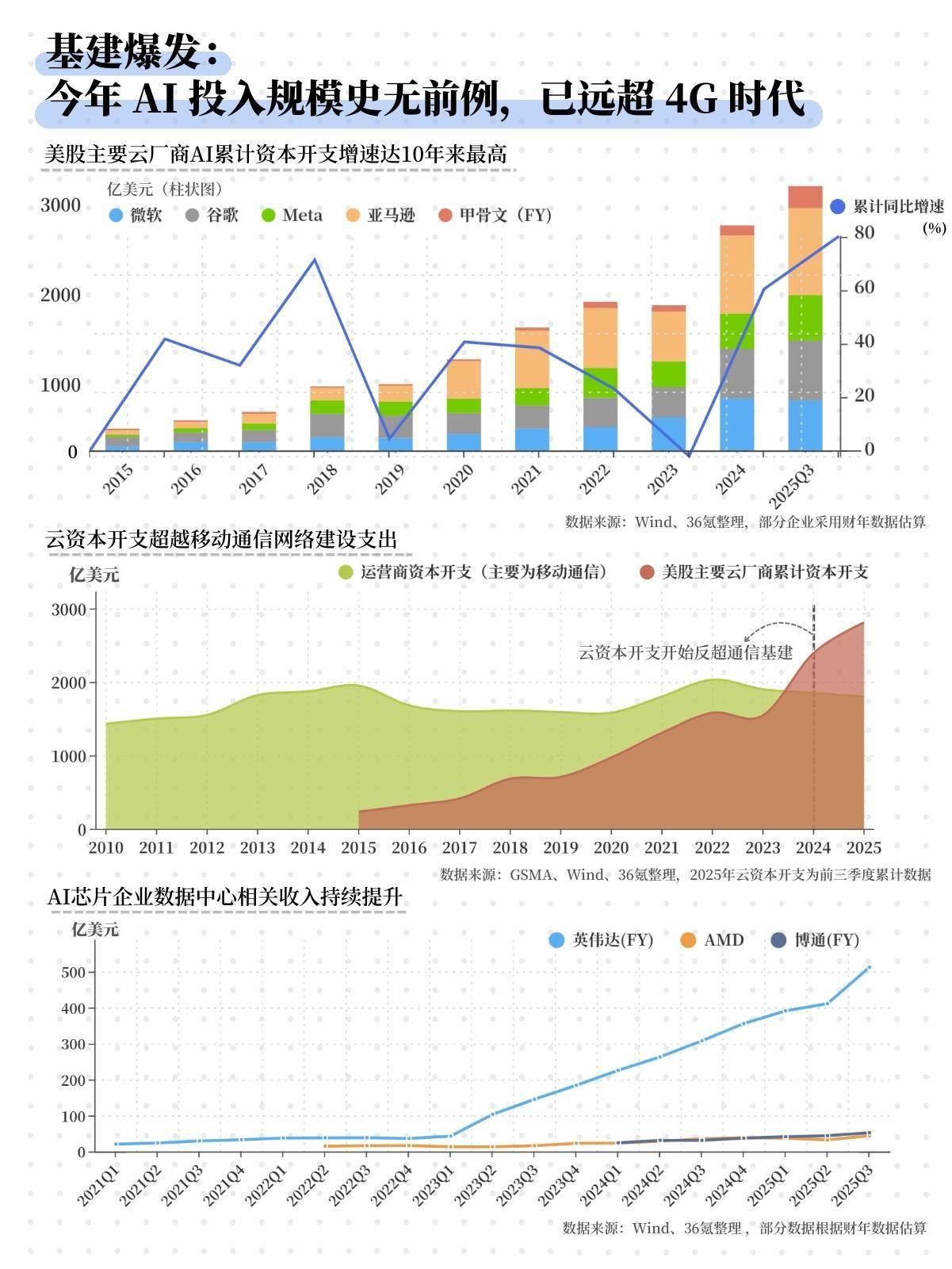
Core Insights - The AI progress in 2025 is characterized by a significant shift, indicating a transition from technology to a powerful force reshaping the global economy, similar to the internet and mobile internet eras [2][19] - Nvidia has become the world's first company to reach a market capitalization of $5 trillion, symbolizing a pivotal moment in the valuation of computing power as a strategic asset [4] - The global consumption of tokens has increased nearly tenfold in two years, with Baidu's AI search monthly active users reaching 382 million, indicating a shift in information access from human-driven to model-driven interactions [7] Industry Trends - AI infrastructure is experiencing unprecedented growth, with Microsoft, Amazon, and Google investing $200 billion over two years to expand computing power and data centers, marking the largest infrastructure project in digital economic history [10] - The Nasdaq Top 20 semiconductor companies are gaining weight, reflecting a shift in the global value chain from "connecting the internet" to "building intelligence" [10] - The AI search sector is rapidly evolving, with Baidu leading in monthly active users, as consumers increasingly prefer AI-driven search for making purchasing decisions [17] Financial Performance - The revenue growth rates for AI-related companies in the US show a significant upward trend, with projections indicating continued growth into 2025 [12] - The net profit growth rates for these companies are also expected to rise, reflecting the overall positive outlook for the AI sector [12] Application Development - The year 2025 marks the official start of the AI Agent era, with a notable increase in demand for large model tools and applications across various companies [14] - Major players like Microsoft and Google are actively developing AI agents, indicating a competitive landscape in AI application deployment [14][15]


滚动更新丨A股三大指数集体低开,可控核聚变板块多股高开
Di Yi Cai Jing· 2025-12-15 01:36
Market Overview - The A-share market opened lower with the Shanghai Composite Index down 0.62%, the Shenzhen Component down 0.81%, and the ChiNext Index down 1.16% [3][4] - The retail sector saw a significant rise, with Baida Group hitting the daily limit, and other companies like Maoye Commercial, Dongbai Group, and Yonghui Supermarket also experiencing gains [1] Sector Performance - The semiconductor, storage, lithium mining, and consumer electronics sectors faced notable declines, while sectors such as nuclear fusion, liquor, and military industry showed strength [4] - The storage chip sector opened lower, with companies like Shannon Chip and Jiangbolong dropping over 8% and 6% respectively [2] - The coal futures market saw a rise of 4.00%, with prices reported at 1070.50 CNY per ton [2] Individual Stock Movements - Moer Thread opened down over 6% after announcing plans to invest up to 7.5 billion CNY in principal-protected financial products, stating it would not affect ongoing fundraising projects [4] - Guoao Technology resumed trading with a nearly 1% drop, following an announcement of a change in its actual controller to Xu Yinghui [5] Hong Kong Market - The Hang Seng Index opened down 1%, with the Hang Seng Tech Index falling by 1.34%. Notable declines included JD Health down over 5% and Baidu down over 3% [7][8]
10倍增长、全球最贵公司和近4亿用户:AI新时代的5个信号丨36氪年终总结①
3 6 Ke· 2025-12-15 01:34
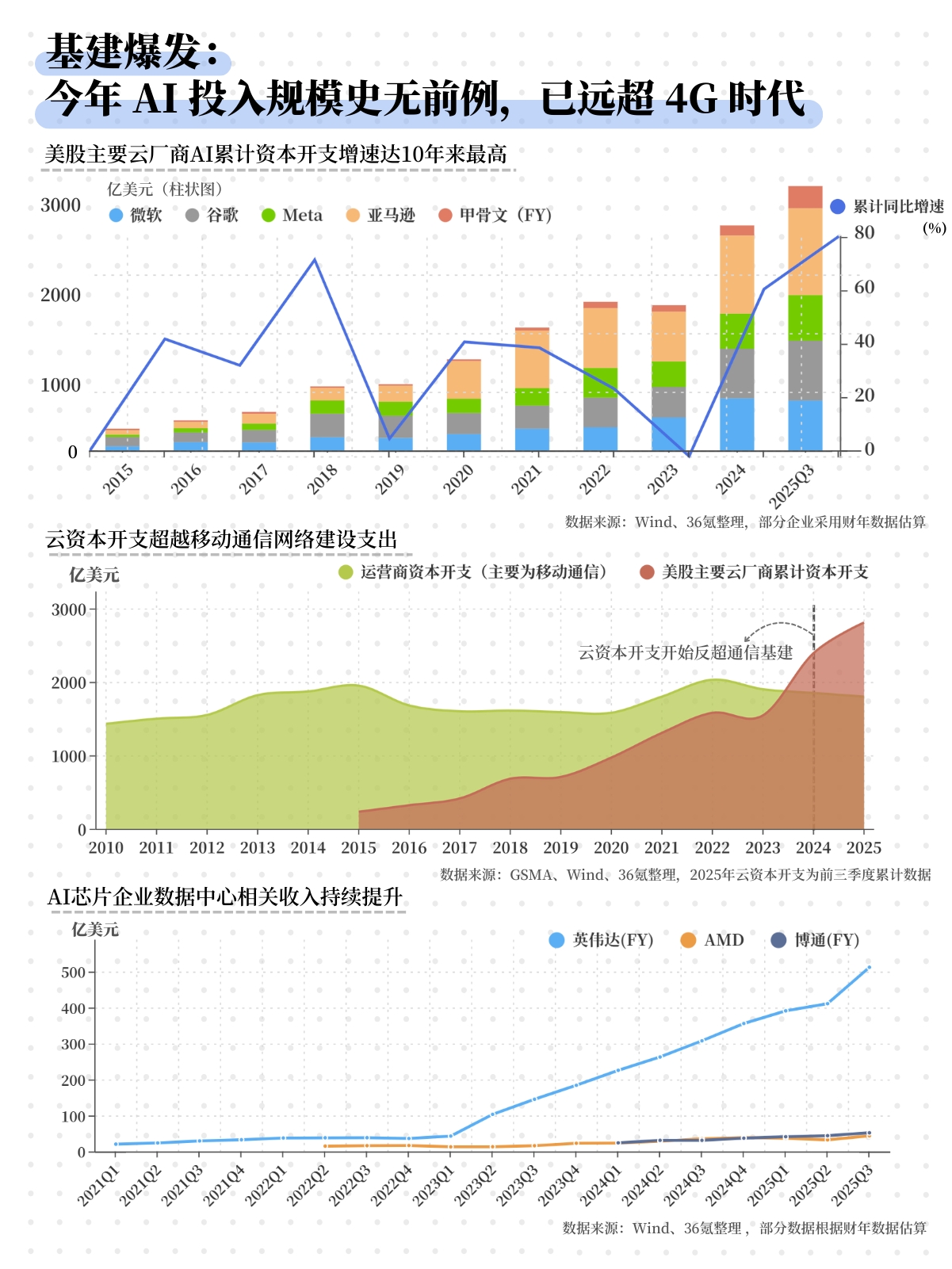
Core Insights - The AI progress in 2025 is characterized by a significant shift, indicating a transition from technology to a powerful force reshaping the global economy, similar to the internet and mobile internet eras [2] - Nvidia has become the world's first company to reach a market capitalization of $5 trillion, symbolizing a pivotal moment where computing power is recognized as a new strategic asset [4] - The global consumption of tokens has increased nearly tenfold in two years, with Baidu's AI search monthly active users reaching 382 million, indicating a shift in information access from humans to models [7] Industry Trends - AI infrastructure is experiencing unprecedented growth, with Microsoft, Amazon, and Google investing $200 billion over two years to expand computing power and data centers, marking the largest infrastructure project in digital economy history [10] - The Nasdaq Top 20 semiconductor companies are gaining weight, reflecting a shift in the global value chain from "connecting the internet" to "building intelligence" [10] - The AI search sector is rapidly evolving, with Baidu leading in monthly active users, and the coverage of rich media in search results reaching 70% [16] Financial Performance - The revenue growth rates for AI-related companies in the US show a significant increase, with projections indicating a strong upward trend from 2022 to 2025 [12] - The net profit growth rates for these companies are also expected to rise, highlighting the financial potential of the AI sector [12] Application Development - The year 2025 marks the official start of the AI Agent era, with a notable increase in demand for large model tools and applications across various companies [14] - The capabilities of large models are significantly improving, with various AI agents being developed and deployed by major tech companies [15] Conclusion - The changes observed in the AI landscape suggest that AI is no longer just a technological cycle but a structural turning point for the global economy, marking the beginning of a new era in 2025 [18]



梁军履新一年,昉擎科技半年融三轮超5亿人民币
暗涌Waves· 2025-12-15 01:04
Core Viewpoint - The article discusses the recent Pre-A round financing of "昉擎科技" (Fangqing Technology), a developer of AI chips and system architecture, highlighting the significant interest from both industrial and financial investors, and the innovative technology direction proposed by the new CEO, Liang Jun [2][3][5]. Financing and Investment - Fangqing Technology recently completed its Pre-A round financing, with over 500 million RMB raised, aimed at core technology development, productization, and market expansion [3][5]. - The company has attracted a prestigious lineup of investors, including major internet firms and top venture capital institutions, indicating strong market confidence [5][6]. Company Background and Leadership - Founded in late 2022 and based in Shanghai's free trade zone, Fangqing Technology appointed Liang Jun, a veteran in the chip industry, as CEO in August 2024 [3][4]. - Liang Jun's extensive experience in chip design, particularly with Huawei's Kirin SoC and Cambricon, positions him as a key asset for the company's strategic vision [4][5]. Technological Innovation - Fangqing Technology proposes a novel "context-aware" and "context-free" decoupled distributed computing architecture, which separates feed-forward networks and attention mechanisms to enhance computational efficiency [3][5][6]. - This architecture aims to liberate computing capabilities from a single SoC, allowing edge devices like smart glasses and headphones to function as independent processing nodes [6][17]. Market Context and Future Outlook - The article emphasizes the urgency for innovative solutions in AI computing, especially as 2025 is anticipated to be a pivotal year for AI applications [5][6]. - The shift from traditional transformer architectures to more efficient designs is seen as crucial, with Fangqing Technology's approach potentially redefining the AI hardware landscape [5][12]. Competitive Landscape - Liang Jun discusses the challenges faced by Chinese companies in the GPU market, particularly regarding supply chain constraints and the need for innovative designs that can compete globally [8][10]. - Fangqing's separation architecture is positioned as a unique solution that contrasts with existing models, aiming to enhance system scalability and reduce development costs [12][16]. Strategic Vision - The company aims to redefine the AI hardware system landscape, moving beyond being just a chip design firm to potentially becoming a platform for the next generation of AI hardware systems [6][19]. - Liang Jun's vision includes fostering a culture of innovation and technical excellence within the company, aiming for long-term success in the competitive tech market [20][21].

东吴基金刘元海:科技行情仍可期 当前或逢布局良机
Zhong Guo Zheng Quan Bao· 2025-12-15 00:29
Core Insights - Liu Yuanhai, the Chief Investment Officer of Dongwu Fund, has demonstrated impressive long-term performance in managing the Dongwu Mobile Internet Mixed Fund, with returns of 93.89%, 241.82%, and 335.16% over the past year, three years, and five years respectively, ranking 1 out of 1488 in its category [2] - Despite recent volatility in the technology sector, Liu remains optimistic about the technology market in 2026, viewing current market fluctuations as an opportunity for long-term investors [2][6] Investment Strategy - Liu's investment approach involves a dynamic strategy characterized by focusing on current market trends, monitoring underappreciated sectors, and preparing for future opportunities, ensuring the portfolio remains active and capable of upward movement [5] - The decision-making process within the Dongwu Fund emphasizes collective intelligence, with regular strategy meetings and discussions among team members to minimize individual biases and enhance investment accuracy [10][11] Market Analysis - Liu identifies the recent volatility in the technology sector as primarily driven by trading behaviors rather than fundamental issues, noting that high concentration in tech holdings among public funds does not necessarily indicate a market peak [6][7] - He conducted a thorough analysis of the "AI bubble" debate, concluding that current indicators do not suggest a typical bubble, as capital expenditure, revenue growth, and valuation levels remain healthy [7] Sector Focus - Liu continues to favor the computing power sector, particularly in light of increasing demand for AI applications, and anticipates a new market cycle driven by advancements in AI technology [8] - The smart automotive sector is also highlighted as a significant investment opportunity, with expectations for rapid growth in intelligent vehicle systems by 2026, despite short-term challenges [9] Team Dynamics - The Dongwu Fund's investment team, consisting of over 20 members, fosters a collaborative environment that encourages knowledge sharing and collective decision-making, contributing to the fund's strong performance [10][11] - The team has seen multiple high-performing equity products, with a significant number of funds ranking in the top 25% of their categories over the past year and two years, attributed to their effective research and investment strategies [11]
科技行情仍可期 当前或逢布局良机
Zhong Guo Zheng Quan Bao· 2025-12-14 20:19
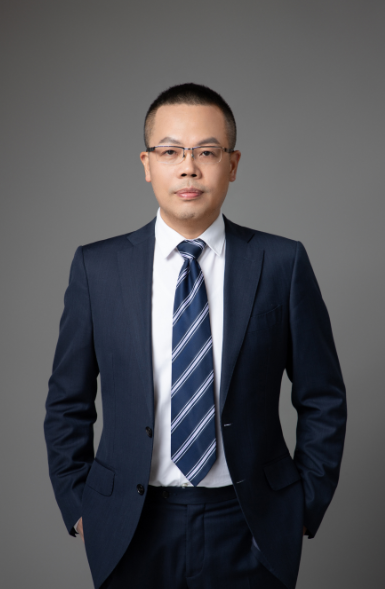
Core Viewpoint - Liu Yuanhai, the Chief Investment Officer of Dongwu Fund, remains optimistic about the technology sector in 2026 despite recent market volatility, viewing current fluctuations as a buying opportunity for long-term investors [1][6]. Investment Performance - As of September 30, 2025, the Dongwu Mobile Internet Mixed A fund managed by Liu achieved returns of 93.89% over the past year, 241.82% over three years, and 335.16% over five years, ranking 1 out of 1488 in its category for the past five years [1]. Market Analysis - Liu emphasizes that the current adjustment in the technology sector is a normal phenomenon, driven by profit-taking and portfolio rebalancing as the year-end approaches [3][4]. - The concentration of holdings in the technology sector, particularly in the electronics industry, has reached a historical high of 25%, raising concerns among investors; however, Liu argues that this does not necessarily indicate a downturn, as certain segments are expected to maintain high growth [4]. AI Bubble Discussion - Liu systematically analyzes the "AI bubble" from five dimensions: capital expenditure as a percentage of GDP, input-output ratio, revenue growth, valuation levels, and financing structure. He concludes that the current indicators do not suggest a typical bubble, with most metrics indicating a healthy state [5]. Future Outlook - Liu forecasts that the first quarter of 2026 may see an early spring rally, with significant investment opportunities in computing power and edge AI, particularly in areas like AR glasses and AI smartphones [6][7]. - The intelligent automotive sector is also highlighted as a promising investment area, with expectations of rapid development in smart vehicle technology by 2026 [7]. Team Dynamics - Dongwu Fund's investment team, consisting of over 20 members, emphasizes a collaborative approach to research and decision-making, which enhances the accuracy of investment strategies [8][9]. - The team conducts regular strategy meetings and discussions to ensure a collective understanding of market trends, which helps mitigate individual biases in investment decisions [8].
年终排名将揭晓 绩优基金“角力”AI重仓股
Shang Hai Zheng Quan Bao· 2025-12-14 19:45
Group 1 - The core viewpoint of the article highlights that over 50 funds have doubled their net value this year, with the leading fund achieving a return of 218%, primarily driven by heavy investments in artificial intelligence (AI) concept stocks [1][2] - As of December 12, among over 4,500 active equity funds, less than 100 failed to achieve positive returns, while 2,800 funds saw net value increases exceeding 20%, and over 1,100 funds had gains above 40% [2] - The top-performing funds are heavily invested in AI-related stocks, particularly those linked to computing power, which have shown remarkable performance this year [3] Group 2 - Individual stock performance is becoming a critical factor for fund rankings as many funds have similar holdings, making market style less impactful [4] - Notable net value increases were observed in several funds from December 5 to December 12, with the leading fund, Yongying Technology, rising by 6.01% and Huashang Balanced Growth increasing by 14.39% [4] - The stock price of Dekoli, heavily held by multiple funds, surged over 40% during the same period, indicating significant market interest [4][5] Group 3 - The stock price of Shijia Photon, another stock held by Huashang Balanced Growth, also saw a strong increase of over 35% from December 5 to December 12 [5] - There has been a notable shift in fund holdings, with increased allocations in sectors such as oil and gas, electronics, real estate, building materials, electric equipment, and new energy, while positions in pharmaceuticals and banking have decreased [5]


科技大佬为何难逃“币圈引力”?
Xin Lang Cai Jing· 2025-12-14 10:23
Group 1 - The core viewpoint of the article highlights the rising market value of Moole Thread, often referred to as the "Chinese version of Nvidia," which reached 383 billion yuan, a sixfold increase from its issuance price, amidst the growing interest in AI and computing power [1][13] - The article discusses the complex relationship between tech giants and the cryptocurrency market, illustrating how figures like Elon Musk and Sam Altman have engaged with virtual currencies, reflecting a broader trend of capital intertwining with AI and blockchain technologies [2][3] - The narrative emphasizes the dual strategies of tech leaders like Musk, who leverage their influence to manipulate cryptocurrency markets while maintaining significant holdings in Bitcoin, showcasing a blend of short-term trading and long-term investment approaches [5][6] Group 2 - The article outlines the motivations behind tech leaders' involvement in cryptocurrencies, suggesting that their engagement goes beyond mere profit, as seen in Musk's and Altman's ventures into the crypto space [3][4] - It highlights the energy-intensive nature of both AI and cryptocurrency mining, indicating that the infrastructure supporting these industries is closely linked, leading to a flow of capital and entrepreneurs across both sectors [9][11] - The piece notes the competitive landscape of the computing power sector, driven by the rapid evolution of technology and the need for differentiation, which may lead to a "Matthew effect" where larger players dominate the market [13]
