
房地产发展新模式

Search documents
3月楼市迎来“小阳春”,二季度核心城市有望持续发力
2 1 Shi Ji Jing Ji Bao Dao· 2025-04-01 13:17
在新房方面,3月克而瑞监测的30个城市成交规模为1270万平方米,因2月基数较低,成交环比大涨 85%,同比增长7%。受此带动,一季度30城新房成交累计同比增幅约一成。该机构认为,受供给放 量、房企营销力度增加等影响,新房市场迎来局部"小阳春"。 聚焦不同能级城市,一线城市新房市场回暖态势明显,市场韧性强于二三线城市。Wind数据显示,3月 一线城市商品房成交面积为266.96万平方米,环比增加近95%,同比增加18%。克而瑞分析认为,这主 要得益于新政持续刺激潜在需求释放,叠加适销对路楼盘入市,推动整体成交规模居阶段性高位。 具体到城市,据Wind数据,3月北京、上海、广州、深圳商品房(住宅)成交面积(北京和广州为网签 面积)分别约为59.3万平方米、115.0万平方米、62.7万平方米、和30.0万平方米,环比分别增长 120.0%、102.3%、72.9%和76.4%,同比分别增长48.4%、6.0%、16.0%和30.6%。 与之相对,克而瑞指出,二线城市和三四线城市"小阳春"成色相对一般,3月成交量与去年大致持平, 更多呈现局部复苏态势。从一季度来看,新房成交同比增长的城市,除了热点城市成都之外,更 ...
牵头住房城乡建设改革!李跃旗任浙江省建设厅厅长,此前为台州市委书记
2 1 Shi Ji Jing Ji Bao Dao· 2025-03-28 15:01
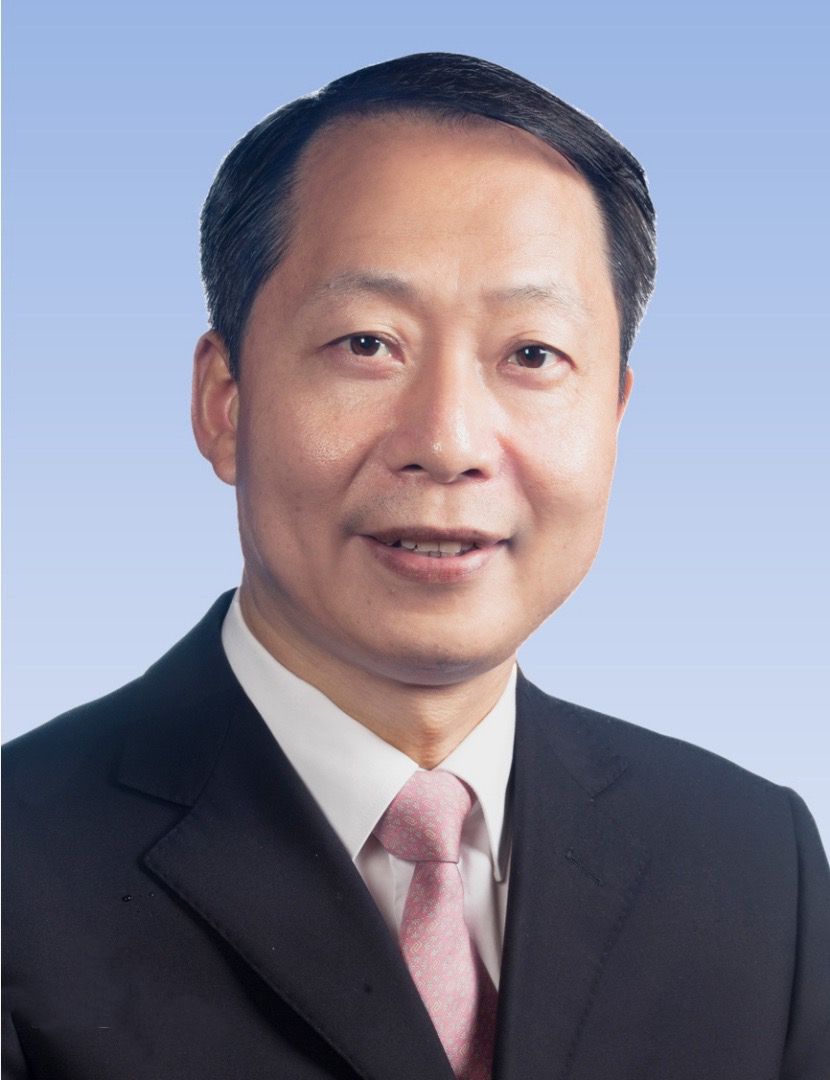
21世纪经济报道记者柳宁馨 实习生王梓欣 杭州报道 根据公开资料,李跃旗曾担任过共青团黄浦区委书记、区青联主席,黄浦区人民广场街道党工委书记,黄浦区委宣传 部副部长、区文明办主任,共青团上海市委副书记、市青联主席,青浦区委常委、副区长,金山区委副书记、副区 长、代理区长、区长、区委书记,杨浦区委书记等职。 3月28日上午,浙江省十四届人大常委会第十六次会议经审议表决,决定任命李跃旗为浙江省住房和城乡建设厅厅 长;免去应柏平的浙江省住房和城乡建设厅厅长职务。 (浙江省住房和城乡建设厅厅长李跃旗,图片来源于网络公开资料) 公开资料显示,李跃旗,男,1970年4月生,汉族,上海人,中共党员,1990年7月参加工作,在职研究生,工学博 士。 此前,李跃旗担任台州市委书记。今年2月18日,浙江省台州市人大常委会发布公告称,台州市六届人大代表周庆、 李跃旗、崔波已调离台州市。今年1月,此前担任台州市市长的沈铭权已任台州市委书记,李跃旗不再担任。 21世纪经济报道梳理发现,李跃旗此前长期在上海工作,后又主政台州。在他担任台州市委书记期间,曾多次调研台 州制造业发展,提出台州要打造国际影响力的"制造之都",同时,李跃旗也十分 ...

总结与展望 | 2025年一季度中国房地产行业总结与展望(上篇)
克而瑞地产研究· 2025-03-26 10:19
Policy, Industry, Financing - The central government has set the tone for stabilizing the real estate market and promoting the construction of quality housing, emphasizing a coordinated approach between supply and demand to facilitate transformation [2][4][5] - In 2025, the government work report included the goal of stabilizing both the real estate and stock markets, marking a shift towards a focus on building quality housing as part of industrial transformation [6][7] - Local governments have actively implemented 124 policies across 66 provinces and cities to support the central government's market stabilization efforts, focusing on quality housing construction and optimizing supply-side management [16][19] Financing - Guangdong has taken the lead in implementing special bonds for asset recovery, indicating progress in debt restructuring for real estate companies [3][5] - The financial environment for real estate is improving, with mechanisms for financing coordination being expanded to enhance efficiency [13][20] - The central bank and financial regulatory authorities are working to improve the real estate financial environment through innovative tools and mechanisms [13][20] Market Trends - The real estate market is showing signs of stabilization, with key indicators such as development investment and sales showing reduced year-on-year declines [31][35] - In the first two months of 2025, new residential sales in 40 monitored cities increased by 1.3% in area and 7.1% in value compared to the previous year, reflecting a positive trend [31][35] - The National Bureau of Statistics reported that the real estate sector has continued its stabilization trend since the fourth quarter of 2024, with a notable recovery in transaction volumes in major cities [31][36]

专题 | 2025年“两会”房地产相关政策解读
克而瑞地产研究· 2025-03-21 09:38
2025年强调在发展中化解风险,持续用力推动房地产市场止跌回稳 1、需求端:以增收提振消费能力、降低购房门槛和负担释放刚性与改善性住房潜力 2、需求端:加力"两旧一村"更新力度,以存量撬增量释放刚性和改善需求 3、供给端:控增量、盘存量,加大闲置土地和存量商品房收储力度 4、供给端:提高质量加大"好房子"开发、"白名单"实现房企"造血"良性循环 ◎ 文 / 杨科伟 研究视点 2025年房地产行业政策以 "需求提振+供给优化+金融协同" 为核心,通过因城施策调减限制、税费减免、信贷扩 张、保障房扩容、城中村改造、收储存量和推广"好房子"等举措,推动市场向"量稳价稳"实现止跌回稳,推进行业 从高杠杆扩张转向民生导向的高质量发展。 9·26一揽子政策强信心稳预期,2025年开局行业延续止跌回稳势头。房地产市场呈现"政策托底+市场自发修复"双 重特征,交易量价回稳、企业资金压力缓解、土地市场局部回暖等积极信号明显,但"核心城市局部修复、中小城 市深度调整"的结构性矛盾突出,二手房价下跌、新增需求疲软、政策效力减弱等消极因素叠加,市场仍处"L型"筑 底阶段,仍需要持续用力推动房地产市场止跌回稳。 在3月5日《政府工作报 ...

“好房子”简史
21世纪经济报道· 2025-03-19 23:43
Core Viewpoint - The concept of "good housing" has been officially recognized and included in the government work report for the first time, indicating a shift towards meeting the high-quality living needs of the public and promoting the construction of safe, comfortable, green, and smart homes [2][12][19]. Group 1: Background and Evolution of "Good Housing" - The term "good housing" was first mentioned by the Ministry of Housing and Urban-Rural Development in 2022, emphasizing the importance of providing quality housing for the public [7]. - The definition of "good housing" has evolved, with standards being established that include green, beautiful, healthy, and intelligent features [15][16]. - The construction of "good housing" is now a key focus for the Ministry, with multiple meetings highlighting its importance in urban planning and community development [9][10][11]. Group 2: Policy and Standard Development - The government is actively working on supportive measures for "good housing," with a focus on creating new standards and guidelines for residential projects [4][12]. - Recent revisions to the "Residential Project Specifications" include raising the minimum ceiling height to 3 meters, which is expected to enhance living conditions [25][27]. - The standards for "good housing" have been officially defined as safe, comfortable, green, and smart, which will apply to both commercial and affordable housing [19][21]. Group 3: Industry Implications and Opportunities - The emphasis on "good housing" is expected to create new opportunities for various industries, including furniture, appliances, and green technology, thereby stimulating economic growth [23][22]. - The construction of "good housing" is seen as a way to improve residents' sense of well-being and happiness, aligning with broader government initiatives to stabilize the real estate market [21][22]. - The ongoing development of standards and incentives for "good housing" is likely to lead to a more sustainable and high-quality real estate sector, benefiting companies that adapt to these new requirements [34][33].
房地产行业跟踪周报:持续推动房地产市场止跌回稳,成交逐步回暖
Soochow Securities· 2025-03-10 23:45
Investment Rating - The report maintains an "Accumulate" rating for the real estate industry [1] Core Views - The current policy environment recognizes the necessity of a stable and healthy real estate market for economic transformation, marking a potential turning point in the current cycle [6] - The report emphasizes the importance of various measures to stabilize the market, including reducing restrictive policies and enhancing housing supply [52][56] Summary by Sections 1. Sector Views - Real estate development is seen as crucial for economic stability, with recommendations for strong local state-owned enterprises and quality private companies such as China Resources Land, Poly Developments, and Binjiang Group [6] - In property management, companies with strong market expansion capabilities and service diversification are highlighted as having long-term investment value, recommending China Resources Vientiane Life and Greentown Service [6] - The second-hand housing market is recovering faster than new housing, with recommendations for leading real estate transaction platforms like Beike [7] 2. Real Estate Fundamentals and High-Frequency Data - New housing sales in 37 cities decreased by 30.5% week-on-week but increased by 11.4% year-on-year, with a total of 178 million square meters sold [13] - Second-hand housing sales in 16 cities decreased by 3.8% week-on-week but increased by 46.4% year-on-year, totaling 184.8 million square meters sold [18] - The inventory of new homes in 13 cities stands at 77.9 million square meters, with a de-stocking cycle of 16.5 months [22] 3. Market Review - The real estate sector's performance was -0.7% last week, ranking 28th among 29 sectors, while the CSI 300 and Wind All A indices rose by 1.4% and 2.4% respectively [42] 4. Industry Policy Tracking - The government is focused on stabilizing the real estate market through various measures, including promoting housing demand and reforming the development and financing systems [52][56]


2025政府工作报告:中国房地产四维解读 | 聚焦两会
清华金融评论· 2025-03-06 11:35
Core Viewpoint - The article provides an in-depth analysis of the real estate policies outlined in the government work report, emphasizing the importance of timely and effective policy implementation, market expectation management, revitalization of existing assets, and the establishment of a new real estate development model. Policy Implementation: Precision and Efficiency - The 2025 policy framework focuses on "grasping policy orientation and emphasizing timing and strength," aiming for a systematic approach to policy implementation [4][5] - Policies should be implemented as early as possible to mitigate risks and ensure effective execution from central design to local implementation [4][5] - Historical examples highlight the importance of timely policy responses to stabilize markets, contrasting the U.S. 2008 crisis response with Japan's slow reaction in the 1990s [5] Expectation Management: Key to Market Recovery - The report emphasizes the significance of shaping positive social expectations, indicating a shift in macroeconomic regulation from basic recovery to proactive expectation management [7][8] - Short-term recovery relies on asset price expectations, while long-term recovery focuses on macroeconomic and industry development expectations [7][8] - The report advocates for a combination of proactive fiscal and moderately loose monetary policies to enhance residents' income and employment expectations [8] Revitalization of Existing Assets: New Strategies - The report introduces a focus on controlling new real estate land supply and revitalizing existing assets, marking a transition from incremental to stock management in the real estate sector [9][10] - Flexibility in revitalizing existing land and assets is emphasized, with a focus on optimizing land use and enhancing funding support for acquisition projects [9][10] - The report highlights the importance of expanding the scope of special bonds and refinancing to support asset acquisition and alleviate financial pressures on participants [10] New Real Estate Model: Quality Upgrade and Urban Renewal - The report calls for the establishment of a new real estate development model that meets high-quality housing demands and enhances urban governance [12][13] - The focus on building "good houses" reflects the growing demand for quality housing, integrating hardware improvements with comprehensive service enhancements [13] - Urban renewal initiatives, including the transformation of urban villages and old residential areas, are identified as key strategies for improving urban infrastructure and governance [14]

房地产:政府工作报告点评:供需优化、存量盘活与新模式构建,助力楼市止跌回稳
Dongxing Securities· 2025-03-05 10:50
Investment Rating - The industry investment rating is "Positive" indicating an expected performance that is stronger than the market benchmark index by more than 5% [18]. Core Insights - The government work report emphasizes the need to stabilize the real estate market through various measures, including adjusting restrictive policies based on city-specific conditions, optimizing land use, and enhancing financing mechanisms [1][4]. - The report suggests that the combination of supply and demand optimization, revitalization of existing assets, and the establishment of new operational models will contribute to the recovery of the real estate market [1][4]. Demand Side Summary - The report highlights that city-specific policy adjustments and the ongoing renovation of urban villages and dilapidated housing will release both rigid and improved housing demand [2]. - It is anticipated that core cities, particularly first-tier and strong second-tier cities, may further relax household registration or home purchase restrictions, thereby stimulating demand [2]. Supply Side Summary - The report indicates that controlling land supply and optimizing land resource allocation will alleviate inventory pressure, while competition for quality land in core cities will intensify [3]. - The revitalization of existing land and properties is expected to ease cash flow pressures for real estate companies, benefiting local state-owned enterprises initially, and potentially extending to central and private enterprises [3]. Financing Side Summary - The expansion of the scope for re-loaning for affordable housing is expected to enhance the participation of policy banks, local governments, and state-owned enterprises, thereby improving the effectiveness of capital deployment [4]. - The ongoing implementation of the "white list" mechanism is likely to strengthen financing support for quality projects, which may alleviate cash flow risks for private enterprises facing short-term repayment pressures [4]. Investment Recommendations - The report suggests that the government's focus on the healthy development of the real estate market through various policy tools is likely to stabilize the market gradually [4]. - Short-term attention should be given to valuation recovery opportunities arising from policy easing, while long-term focus should be on leading companies with core city resources and real estate operational capabilities, such as Poly Developments, China Resources Land, and others [4].
快评|《政府工作报告》房地产相关九点解读
克而瑞地产研究· 2025-03-05 06:43
Core Viewpoint - The government work report emphasizes the dual focus on risk prevention and market stabilization in the real estate sector, aiming to promote demand and optimize supply while ensuring housing delivery and quality [3][4][5]. Group 1: Risk Prevention and Market Stabilization - The report identifies risk prevention as the primary task for the real estate sector, highlighting the need to manage risks associated with key enterprises and ensure no systemic risks arise [4][5]. - Local governments are encouraged to implement measures to stabilize the real estate market, with over 14 provinces already committing to "stop the decline and stabilize" the market [4][5]. - The report introduces the "Financial 16 Measures" to alleviate liquidity pressures on quality real estate companies, with a focus on ensuring housing delivery [4][5][11]. Group 2: Demand Side Measures - The report advocates for the reduction of restrictive measures tailored to local conditions, aiming to stimulate both rigid and improvement housing demand [6][8]. - Emphasis is placed on accelerating the renovation of urban villages and dilapidated housing, which is expected to enhance purchasing power and improve mortgage expectations [6][8]. - Various cities, including Jiangsu, Anhui, Guangdong, and Fujian, are already implementing urban village and dilapidated housing renovations to support market recovery [6][8]. Group 3: Supply Side Optimization - The report outlines a strategy to optimize new supply and revitalize existing inventory, focusing on controlling new land supply while enhancing urban renewal efforts [8][9]. - Local governments are granted greater autonomy in the acquisition of existing residential properties, with an emphasis on utilizing special bonds for land acquisition and inventory reduction [8][9]. - The government plans to issue 4.4 trillion yuan in special bonds to support investment in construction, land acquisition, and the purchase of existing properties [8][9][24]. Group 4: New Development Model - A new development model for the real estate sector is proposed, focusing on high-quality housing that meets the diverse needs of the population [13][15]. - The model emphasizes the importance of quality in development, with a shift from quantity-driven growth to a focus on sustainable and innovative practices [15][16]. - The report highlights the need for a balanced approach to land supply and housing demand, ensuring that housing quality aligns with the expectations of residents [13][15]. Group 5: Economic and Employment Goals - The government sets a GDP growth target of around 5% and aims to create over 12 million new urban jobs, linking economic stability to housing consumption [19][20]. - Policies are designed to enhance residents' income and employment, which are crucial for boosting housing demand and consumer confidence [19][20]. - The report emphasizes the importance of a coordinated policy approach to ensure effective implementation and positive market expectations [19][20].

中指丨从地方两会看2025年楼市政策方向
中国指数研究院· 2025-03-04 09:00
Investment Rating - The report indicates a positive outlook for the real estate industry, emphasizing the need for policies to stabilize the market and promote recovery in 2025 [2][9][25]. Core Insights - The primary focus for 2025 across various provinces is to stabilize the real estate market, with an emphasis on urban renewal, village reconstruction, and ensuring housing delivery [9][10][25]. - Most provinces have set GDP growth targets above 5% for 2025, maintaining similar targets to those of 2024, indicating a stable economic environment that could support real estate recovery [3][4][5]. - The report highlights the importance of "good housing" construction as a key task for 2025, aiming to meet the high-quality living demands of the population [16][19][25]. Summary by Sections Economic Growth Targets - Most provinces have set GDP growth targets at or above 5%, with notable performances from Jiangsu and Shandong at 5.8% and 5.7% respectively [3][4]. - Provinces like Hainan and Shanxi have set lower targets compared to their previous year's performance, indicating regional economic challenges [4][5]. Real Estate Policy Directions - The report outlines that 2025 will see a continuation of policies aimed at stabilizing the real estate market, with a focus on urban renewal and the reconstruction of dilapidated housing [9][10]. - Specific initiatives include the promotion of urban renewal projects, with 27 provinces emphasizing this in their government reports [10][11]. Housing Delivery and Quality - Ensuring housing delivery is a critical focus, with 23 provinces committing to measures that guarantee the completion of housing projects [14][15]. - The concept of "good housing" is being promoted, with various provinces outlining plans to enhance housing quality and meet diverse housing needs [16][19]. Land and Property Management - The report stresses the need to activate idle land and manage existing property effectively, with 18 provinces focusing on the utilization of idle land and 15 on the acquisition of existing properties [20][21]. - Financial mechanisms, including special bonds, are being utilized to support these initiatives, with significant amounts earmarked for land acquisition [20][21]. Demand Release Strategies - The report emphasizes the importance of releasing pent-up housing demand, with 14 provinces outlining strategies to stimulate both rigid and improvement housing needs [23][24]. - Policies such as lowering interest rates and taxes are being implemented to support housing demand and stabilize the market [23][24].