
创新驱动发展战略

Search documents
廊坊广电·关注丨【奋进“十四五”精彩新廊坊·权威发布】“十四五”时期我市科技创新能力显著增强
Xin Lang Cai Jing· 2025-12-27 11:30
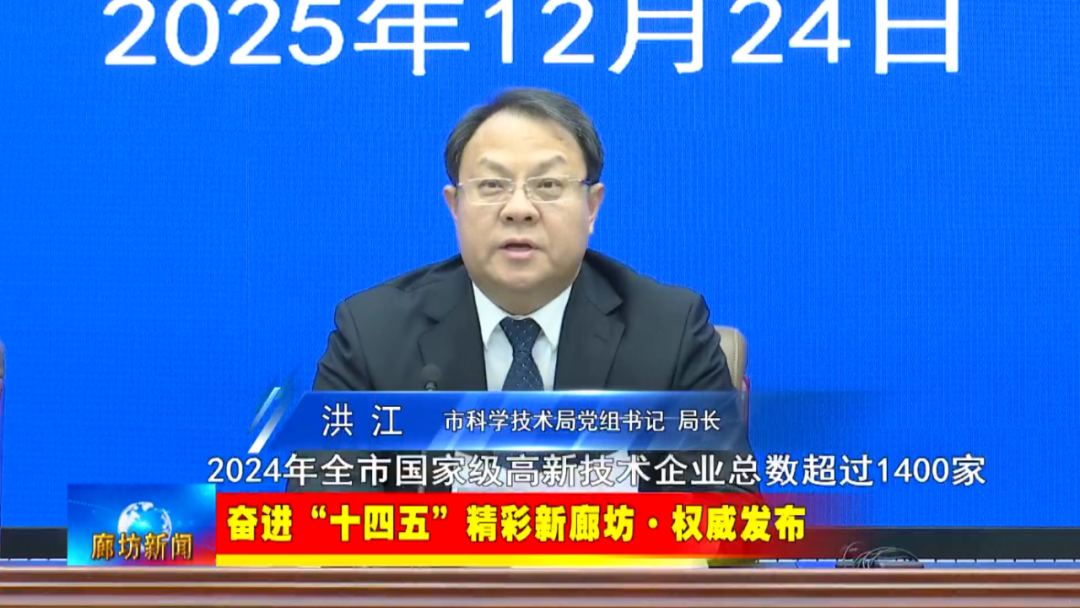
(来源:环京津新闻网) 日前,市政府新闻办公室举行"十四五"高质量发展成果廊坊答卷系列主题新闻发布会,市科学技术局负责人介绍,"十四五"时期,我市科技创新能力显著 增强,科技支撑引领经济社会发展的能力大幅提升。 发布会上,市科学技术局主要负责人从科技创新能力稳步提升、区域科技合作全面深化、科技支撑作用不断增强、创新创业环境持续优化四个方面进行发 布。 "十四五"时期,我市以科技创新引领新质生产力发展,不断释放创新潜能,县域创新领跑全省,创新主体量增质升。 市科学技术局党组书记、局长 洪江:市县域科技创新能力监测评价平均得分连续六年居全省首位,其中A类县7个,占比全省第一。2024年全市国家级高 新技术企业总数超过1400家,较"十三五"末增长超过50%,科技型中小企业突破万家,新增河北省科技骨干企业10家,总数居全省第2位。 我市还持续建强用好科技研发平台,全力推进科技创新与产业创新深度融合,为全市培育壮大战略性新兴产业、迭代升级传统优势产业、前瞻布局未来产 业提供强力支撑。 市科学技术局党组成员、副局长 周业飞:截至目前,重大科技成果转化项目已撬动我市企业新增研发投入7.08亿元,新增销售收入48.1亿元, ...

债券承销规模连续五年破万亿 中信建投证券多领域服务国家战略
Xin Hua Cai Jing· 2025-12-26 12:38
Core Insights - The bond underwriting business of CITIC Securities has shown strong momentum, with a cumulative underwriting scale exceeding 7.4 trillion yuan and over 18,500 bonds since 2021, ranking among the top two in the industry for five consecutive years [1] - The company has provided bond financing services to over 2,200 enterprises, covering various market entities including state-owned, private, and innovative companies [1] Group 1: Business Structure and Service Capability - CITIC Securities has demonstrated a multi-layered and comprehensive approach in serving the real economy and national strategies, with a cumulative underwriting scale of over 2.3 trillion yuan in the industrial bond sector, primarily funding strategic industries such as high-end manufacturing and green low-carbon technologies [2] - The company has ranked first in the market for asset securitization, with significant projects in renewable energy and infrastructure, including the first public REITs for central enterprises in the renewable energy sector [2] - In cross-border financing, CITIC Securities has underwritten over 700 offshore bonds, raising nearly 200 billion yuan, and has entered the top four among Chinese securities firms in Bloomberg's G3 currency underwriting rankings [2] Group 2: Focus on Innovation and Green Finance - CITIC Securities has increased its service efforts in the fields of technology innovation and green finance, leading the industry in bond underwriting for technology-themed bonds, with over 1,000 bonds and a scale exceeding 3.8 trillion yuan [3] - The company has also underwritten over 450 green-themed bonds, surpassing 2.3 trillion yuan, supporting projects in clean energy, marine economic protection, and low-carbon transitions in traditional industries [3] - The bond market has played a crucial role in expanding direct financing, optimizing financing structures, and reducing financing costs for the real economy, with CITIC Securities guiding funds towards national strategic priorities [3] Group 3: Future Outlook - The bond market is expected to further leverage its flexible terms and diverse varieties to inject more financial resources into the real economy as the construction of a financial power progresses [4]

徐鹏调研中船集团重庆地区单位
Xin Lang Cai Jing· 2025-12-23 08:46
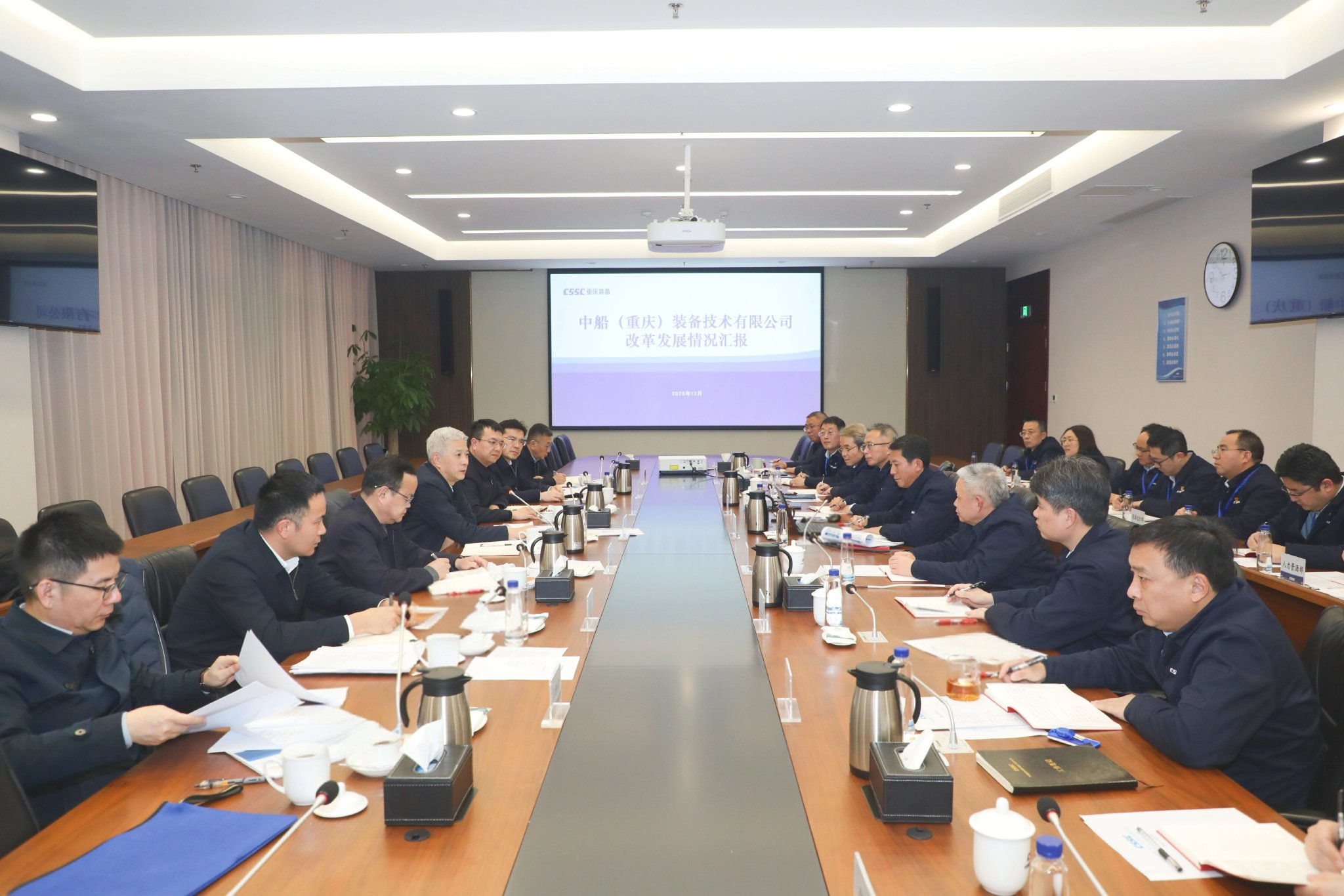
Core Viewpoint - The leadership of China Shipbuilding Group emphasizes the importance of aligning corporate strategies with national economic goals and enhancing sustainable development through innovation and reform [1][4]. Group 1: Strategic Planning and Development - The company is focused on implementing the spirit of the 20th Central Committee's Fourth Plenary Session and the Central Economic Work Conference, aiming for high-quality sustainable development [1][4]. - A strategic plan for the 14th Five-Year Plan and a work plan for 2026 are to be developed, with a long-term vision extending over the next decade [4][5]. Group 2: Innovation and Market Development - The company is committed to an innovation-driven development strategy, placing technological innovation at the core of its operations, guided by market demand [5]. - There is a strong emphasis on enhancing market awareness and customer engagement, with plans to increase market exploration and analysis [4][5]. Group 3: Talent and Organizational Development - The company aims to leverage its geographical advantages in Chongqing to attract high-quality talent and strengthen its workforce [5]. - There is a focus on deepening reforms and establishing a modern enterprise system with Chinese characteristics, alongside enhancing corporate governance and risk management [4][5]. Group 4: Party Leadership and Cultural Development - The company underscores the importance of integrating party leadership with business operations, promoting party-building efforts alongside corporate objectives [5]. - A commitment to improving employee engagement and cultural development is highlighted, aiming for shared growth and success [5].

一体推进教育科技人才发展 日前召开的中央经济工作会议列出了八项重点任务,为明年经济工作划出重点。其中,会议将“坚持创新驱动,加紧培育壮大新动能”作为第二项重点工作,凸显了科技创新的重要性
Jin Rong Shi Bao· 2025-12-23 03:30
日前召开的中央经济工作会议列出了八项重点任务,为明年经济工作划出重点。其中,会议将"坚持创 新驱动,加紧培育壮大新动能"作为第二项重点工作,凸显了科技创新的重要性。 兴业研究宏观市场部高级研究员宋彦辰认为,相比去年中央经济工作会议"以科技创新引领新质生产力 发展,建设现代化产业体系"的提法,此次会议更加强调新动能培育,且创新驱动的要求更为迫切,这 要求更快推动重点领域关键核心技术攻关,增加创新动能。 制定一体推进教育科技人才发展方案 对于当前的经济形势,会议指出,"我国经济发展中老问题、新挑战仍然不少,外部环境变化影响加 深"。 中国银河(601881)证券首席经济学家章俊分析认为,一方面,我国经济发展仍处于深度转型期,传统 经济增长模式难以为继,加紧培育壮大新动能是关键。回顾历史,科技创新是驱动全球经济增长、改变 全球竞争格局的重要驱动力。值此关键窗口期,坚持创新驱动发展战略、加强科技创新,仍是我国经济 发展的重中之重。另一方面,当前世界正处于百年未有之大变局,特别是科技竞争已成为大国博弈的核 心。通过加强科技创新抢占全球科技制高点,是我国应对全球政治经济不确定性的关键举措。 教育与人才方面,会议提出"制定 ...
白云区人民法院 多举措强化知识产权审判工作
Xin Lang Cai Jing· 2025-12-21 23:48
转自:贵州日报 本报讯 12月19日,贵阳市白云区人民法院召开知识产权审判工作新闻发布会。 (贵阳日报融媒体记者 章婧) (《白云区人民法院 多举措强化知识产权审判工作》由贵阳日报为您提供,转载请注明来源,未经书 面授权许可,不得转载或镜像。) 在审判能力建设方面,白云法院优选了一批政治素质高、业务能力强,兼具理工科背景与民商事审判经 验的法官,组建专业化审判团队,并配套专业审判辅助人员。在硬件配备与智慧建设方面,对审判法庭 进行针对性升级,配备了先进的电子证据展示、远程视频庭审等系统,全面应用"人民法院在线服务"平 台,以智慧法院建设提升审判效率,便利当事人诉讼。此外,审判团队系统还开展法律法规与审判实务 专项学习,并积极参与各类专业培训和研讨,不断提升履职能力。 白云法院坚持"保护知识产权就是保护创新"的理念,紧紧围绕"公正与效率"工作主题,坚持严格保护, 依法加大对关键核心技术、新兴产业等领域的司法保护力度,准确适用惩罚性赔偿,坚决遏制恶意侵 权;强化多元共治,深化与行政职能部门、行业协会、调解组织的协作,推动纠纷源头化解;延伸司法 服务,主动对接创新主体司法需求,通过"送法进企业"、典型案例发布等形式 ...
科技创新多项核心指标超额完成
Xin Lang Cai Jing· 2025-12-21 19:38
截至12月17日,海南州2025年新增高新技术企业2家,分别为青海莫热农业科技开发有限公司、青海省 海南天和路桥工程有限公司,指标完成率达200%,同步培育认定青海宗拉生态农业开发有限公司、青 海青海湖智农网络科技发展有限公司等科技型企业5家,全州已有高新技术企业9家、科技型企业37家, 形成"初创培育—成长加速—示范引领"的阶梯式培育体系。此外,自2022年海南州获国家批复同意建设 国家可持续发展议程创新示范区以来,科技成果转化成效十分显著,2025年全州技术合同登记额达 1045.46万元,同比增长68%,超年度指标58%,较示范区创建前增长19倍,四年累计完成技术合同交易 额2204.77万元,科技成果转化与市场应用的衔接效能充分释放。 海南州立足"生态立州、清洁能源强州、畜牧业稳州"战略定位,以"清洁能源+绿色算力"产业融合模式 为特色,构建"政产学研用"协同创新机制。通过与青海大学共建可持续发展研究院、汇聚院士专家智力 资源等举措,推动科技创新与特色产业发展深度融合,为示范区建设筑牢技术根基。科技创新与生态保 护、清洁能源、有机畜牧业等特色产业协同发展,形成独具海南特色的创新生态。 本报讯 (记者 ...
科技赋能强县域 智汇基层解难题?——甘肃省科学院博士后服务团赴平凉开展服务基层活动
Xin Lang Cai Jing· 2025-12-21 14:32
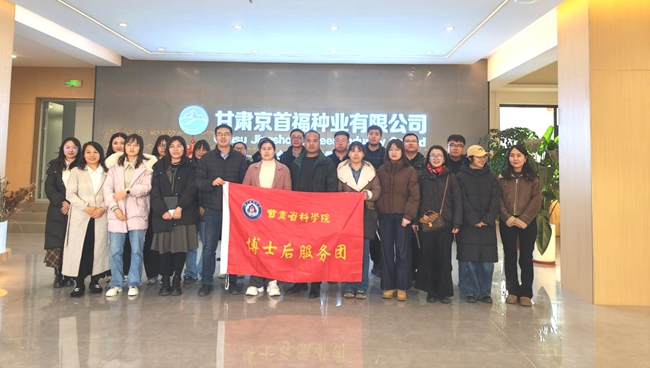
寒冬腊月,暖意涌动。为全面加快实施"四强"行动,充分发挥甘肃省科学院科技创新支撑作用,12月10 日—12月13日,甘肃省科学院组织"博士后服务团"赴平凉市、崆峒区、静宁县开展服务基层科技行活 动。 此次科技行成效显著,"精准对接、按需服务"的模式实现了"强科技"与"强县域"有机融合。服务团负责 人表示,科学院将以此次科技行为契机,进一步集聚科技人才力量,持续深化与基层企业的合作对接, 在提升研发能力、促进成果转化、服务地方发展方面勇担使命。未来,将继续组织高层次人才深入一 线,把实验室建在产业基地,把科研成果落到生产实处,以实际行动践行创新驱动发展战略,为甘肃科 技自立自强、县域经济高质量发展作出新的更大贡献。 责任编辑:李靓 作为全省人才工作重要践行者,甘肃省科学院始终将人才工作置于首位。服务团紧扣地方产业需求,先 后走进静宁县德美地缘、国草药业、京首福种业,平凉市红峰机械、国维亮维淀粉、仰韶生物科技集团 等企业,通过现场洽谈、技术研讨、实地勘查等形式,与企业技术人员面对面沟通,精准把握生产现状 与技术痛点。 "博士们从实验室走进生产一线,带来的不仅是专业技术,更是解决问题的新思路、新方法。"静宁县国 草 ...
做好科技金融大文章 人保财险为知识产权转化注入保险动能
Jin Rong Jie Zi Xun· 2025-12-19 03:14
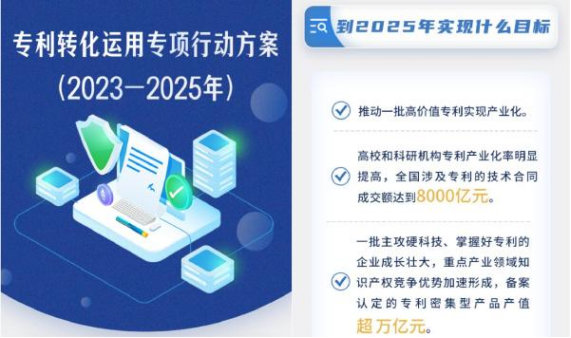
Core Viewpoint - The introduction of specialized insurance products by PICC Property and Casualty aims to support the commercialization of patents and mitigate risks associated with intellectual property, thereby fostering innovation and economic growth in line with national strategies [1][3][5]. Group 1: Insurance Products and Services - PICC Property and Casualty has launched the "Patent Implementation Failure Cost Loss Insurance" to address concerns about the commercialization of new materials and patents, allowing companies to proceed with confidence in mass production [1][3]. - The company has developed a comprehensive risk protection system covering the entire chain of intellectual property creation, utilization, and protection, with a focus on patent commercialization [1][3]. - New insurance products have been introduced in various cities, including "Patent Implementation Failure Cost Loss Insurance" and "Patent-Intensive Product Liability Insurance," tailored to the specific needs of enterprises based on extensive research [3][4]. Group 2: Support for Overseas Expansion - PICC Property and Casualty has created a "Going Global" insurance matrix, including the first national policies for overseas intellectual property rights protection, which cover legal fees, income loss, and liability risks [4]. - The company has launched insurance products aimed at addressing the challenges faced by Chinese enterprises in overseas intellectual property applications, enhancing their willingness to expand internationally [3][4]. Group 3: Innovation and Development - The company is actively building a new framework for intellectual property insurance development, with a focus on product innovation and collaboration with various stakeholders [5][7]. - As of November 2025, PICC Property and Casualty has provided over 190 billion yuan in risk protection for more than 60,000 intellectual property cases, demonstrating the effectiveness of its insurance offerings [7]. - The company aims to further enhance its intellectual property insurance products and services to support the creation, protection, and utilization of intellectual property, contributing to national technological self-reliance [7].
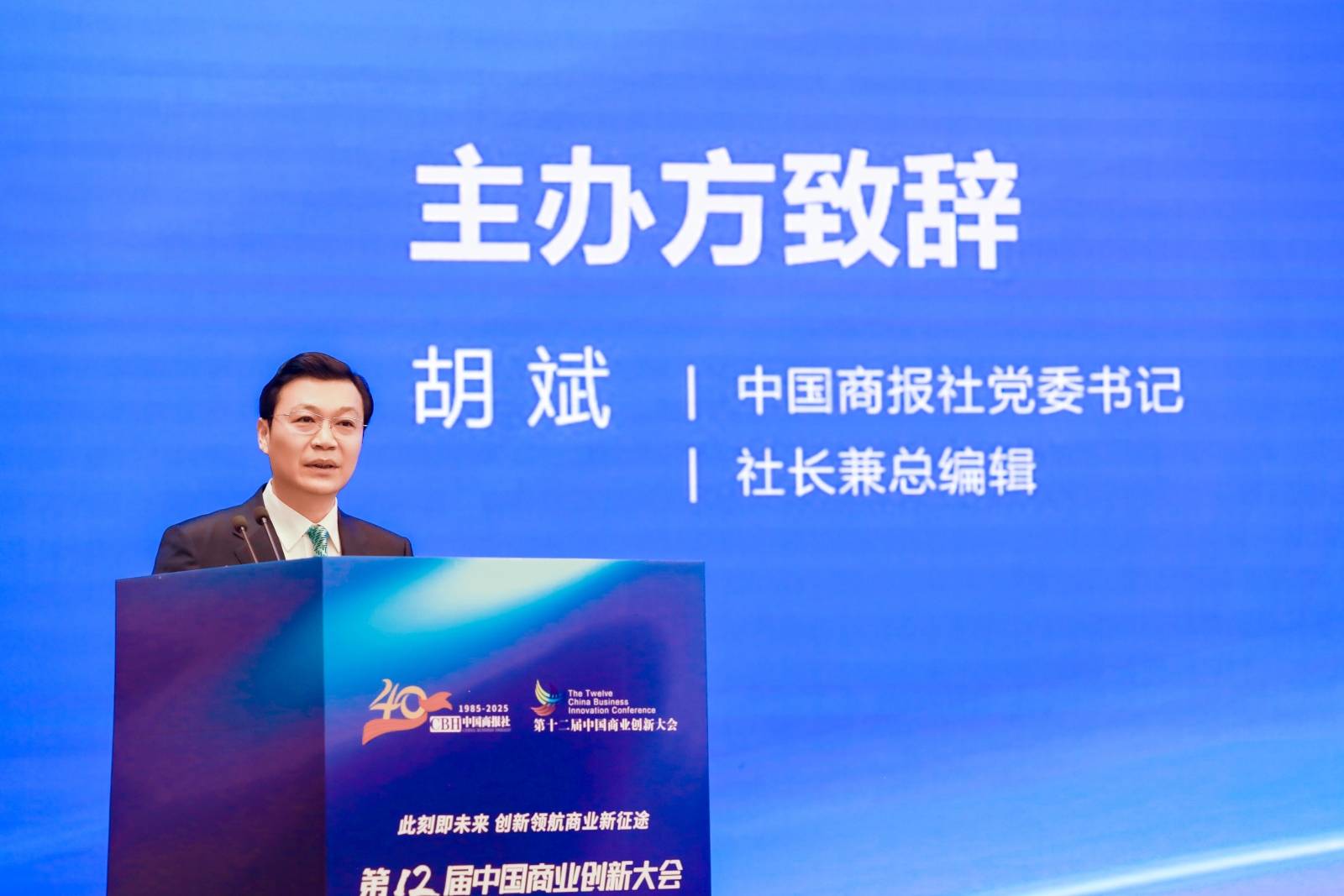
胡斌:商业兴则经济兴,创新强则产业强
Sou Hu Cai Jing· 2025-12-18 08:17
Group 1 - The core message of the conference emphasizes that innovation is essential for national progress and economic development, with the Chinese commercial sector undergoing a significant transformation that plays a crucial role in the new development pattern [2][3] - The 12th China Business Innovation Conference focuses on the theme "This Moment is the Future: Innovation Leading the New Journey of Business," highlighting the importance of integrating past practices with future development paths [3] - The conference aims to ignite the engine of industrial upgrading through deep policy interpretation, wisdom sharing from industry leaders, and practical insights from innovative cases, reinforcing the media's role in documenting and promoting business innovation [4] Group 2 - The current policies, such as the "Opinions on Accelerating the Construction of a National Unified Market" and the "Quality Strong Country Construction Outline," are continuously releasing dividends that support high-quality development in the commercial sector [2] - The integration of cutting-edge technologies like big data, artificial intelligence, and the Internet of Things with business scenarios is driving the rapid emergence of new business models such as live e-commerce and smart logistics [2] - The media organization, China Business News Agency, is committed to its mission of recording commercial changes, conveying industry voices, and promoting innovative development, serving as a bridge between the government, market, enterprises, and consumers [2]
1—9月威海规上工业利润率6.9%
Qi Lu Wan Bao· 2025-12-17 09:46
Core Viewpoint - Weihai City is implementing an innovation-driven development strategy, focusing on industrial innovation as the core engine for industrial upgrading, particularly in advanced manufacturing, to enhance the quality and stability of its industrial economy [1] Group 1: Industrial Innovation and Economic Performance - Weihai's industrial revenue profit margin reached 6.9% from January to September 2025, exceeding the provincial average by 3.8 percentage points, showcasing the strong support of innovation-driven development for high-quality industrial growth [1] Group 2: Enterprise Innovation System - The city is accelerating the establishment of an enterprise-led innovation system, with 9 national-level and 40 provincial-level technology innovation demonstration enterprises, and 144 provincial-level and 415 municipal-level "one enterprise, one technology" R&D centers [2] - During the 14th Five-Year Plan period, 1,021 provincial-level enterprise technology innovation projects were implemented, leading to significant breakthroughs in key technologies, such as high-strength carbon fiber production and autonomous control of core technologies in image sensors [2] Group 3: Innovation Support Platforms - Weihai has built 229 provincial-level and above technology innovation platforms in the industrial and information sectors, achieving full coverage of 10 key industrial chains [3] - The establishment of a pilot platform for carbon fiber and composite materials has been recognized as one of the first manufacturing pilot platforms in the province, facilitating the transition of cutting-edge technologies from laboratories to production lines [3] Group 4: Regional Innovation Ecosystem - The city is fostering a collaborative innovation ecosystem by integrating government, industry, academia, research, finance, and services, breaking down resource barriers to enhance the flow of innovation elements [4] - A specialized enterprise acceleration center has been established to provide comprehensive services from technology R&D to financing support, integrating over 60 professional institutions [4] Group 5: Future Directions - Weihai's industrial and information technology bureau plans to continue deepening the innovation-driven development strategy, optimizing the innovation ecosystem, and enhancing platform support to further elevate industrial innovation capabilities [5]