应急管理

Search documents
四创电子跌2.01%,成交额7093.80万元,主力资金净流出127.21万元
Xin Lang Cai Jing· 2025-09-26 02:24
Core Viewpoint - The stock of Sichuan Electronics has experienced fluctuations, with a year-to-date increase of 32.75% and a recent decline of 11.19% over the past 20 days [1][2]. Company Overview - Sichuan Electronics, established on August 18, 2000, and listed on May 10, 2004, is located in Hefei, Anhui Province. The company primarily engages in radar, smart industry, and energy sectors, including meteorological radar, air traffic control radar, and various related products [2]. - The revenue composition of Sichuan Electronics includes radar and related products (53.16%), public safety products (26.24%), power products (15.10%), mobile support equipment (4.68%), and others (0.83%) [2]. Financial Performance - For the first half of 2025, Sichuan Electronics reported a revenue of 677 million yuan, reflecting a year-on-year growth of 5.61%. However, the net profit attributable to shareholders was -43.43 million yuan, a decrease of 11.50% compared to the previous year [2]. - The company has distributed a total of 276 million yuan in dividends since its A-share listing, with 19.97 million yuan distributed over the past three years [3]. Shareholder Structure - As of June 30, 2025, the number of shareholders increased by 21.62% to 33,600, with an average of 8,015 shares held per shareholder, down by 17.78% [2]. - Notable institutional shareholders include Hong Kong Central Clearing Limited, which increased its holdings to 3.12 million shares, and new entrants such as Guotou Ruijin National Security Mixed A and Changcheng Jiujia Innovation Growth Mixed A [3].

“十四五”时期我国应急管理治理模式已向事前预防转型
Yang Guang Wang· 2025-09-25 03:48
Core Insights - The "14th Five-Year Plan" for emergency management in China has achieved its main indicators ahead of schedule, indicating a successful transition towards a proactive prevention model in emergency management [1][2] Group 1: Safety Production - The number of deaths from production safety accidents in 2024 has decreased by 28.4% compared to the end of the "13th Five-Year Plan" period, with major accidents dropping to single digits, a reduction of 43.8% [1] - The average number of people affected by natural disasters from 2021 to 2024 has decreased by 31.3%, while the number of deaths and missing persons due to disasters has dropped by 23%, and direct economic losses from disasters as a percentage of GDP have decreased by 34.3% compared to the "13th Five-Year Plan" period [1] Group 2: Disaster Prevention and Response - The emergency management approach has been enhanced in both concept and practice, with a shift towards proactive prevention [2] - Nine key projects have been implemented to improve natural disaster prevention capabilities, leading to significant advancements in disaster prevention levels across the country [2] - A three-year action plan has been initiated to address safety production issues, resulting in an 86% reduction in casualties from electric bicycle fire incidents after targeted rectification [2] - The national comprehensive fire rescue team has grown to nearly 220,000 personnel, and six national regional emergency rescue centers have been established, enhancing rescue capabilities under extreme conditions [2]
太极股份涨2.01%,成交额1.70亿元,主力资金净流入929.97万元
Xin Lang Zheng Quan· 2025-09-25 02:39
Core Viewpoint - Taiji Co., Ltd. has shown a significant increase in stock price and financial performance, indicating strong market interest and growth potential in the IT services sector [1][2]. Financial Performance - As of August 29, 2025, Taiji Co., Ltd. achieved a revenue of 3.782 billion yuan, representing a year-on-year growth of 44.69% [2]. - The net profit attributable to shareholders reached 9.6467 million yuan, marking a year-on-year increase of 106.07% [2]. - The company has distributed a total of 1.191 billion yuan in dividends since its A-share listing, with 284 million yuan distributed over the past three years [3]. Stock Market Activity - On September 25, 2025, Taiji's stock price rose by 2.01%, reaching 27.96 yuan per share, with a trading volume of 170 million yuan and a turnover rate of 0.99% [1]. - The total market capitalization of Taiji Co., Ltd. is 17.426 billion yuan [1]. - Year-to-date, the stock price has increased by 18.53%, with a 4.45% rise over the last five trading days [1]. Shareholder Information - As of August 29, 2025, the number of shareholders increased to 57,000, a rise of 2.40% from the previous period [2]. - The average number of circulating shares per shareholder is 10,893, which has decreased by 2.35% [2]. - The top ten circulating shareholders include Hong Kong Central Clearing Limited, which holds 10.2397 million shares, an increase of 2.3256 million shares from the previous period [3].

辰安科技涨2.10%,成交额3910.04万元,主力资金净流出220.56万元
Xin Lang Cai Jing· 2025-09-25 02:05
Company Overview - Changan Technology's stock price increased by 2.10% on September 25, reaching 22.87 CNY per share, with a total market capitalization of 5.32 billion CNY [1] - The company was established on November 21, 2005, and went public on July 26, 2016 [1] - Main business activities include the development, manufacturing, and sales of public safety emergency platform software and equipment, as well as coal quality detection and firefighting equipment [1] Financial Performance - For the first half of 2025, Changan Technology achieved operating revenue of 558 million CNY, representing a year-on-year growth of 27.99% [2] - The net profit attributable to the parent company was -73.62 million CNY, showing a year-on-year increase of 37.24% [2] - The company has distributed a total of 108 million CNY in dividends since its A-share listing, with no dividends paid in the last three years [3] Stock Market Activity - As of September 19, the number of shareholders was 13,400, a decrease of 0.22% from the previous period [2] - The average number of circulating shares per person increased by 0.22% to 17,333 shares [2] - Year-to-date, the stock price has risen by 15.56%, with a 6.32% increase over the last five trading days, but a decline of 5.92% over the last 20 days [1]

数说“十四五”成就丨筑牢“安全盾”!应急管理迈上新台阶
Xin Hua She· 2025-09-25 00:30
Core Insights - The article discusses the achievements of China's emergency management reforms during the "14th Five-Year Plan" period, highlighting significant improvements in safety production and disaster management. Group 1: Safety Production Achievements - The number of deaths from production safety accidents in 2024 is projected to decrease by 28.4% compared to the end of the "13th Five-Year Plan," with major accidents dropping to single digits, a 43.8% reduction [3][4] - A three-year action plan has been implemented to address fundamental issues in safety production, leading to an 86% reduction in casualties from electric bicycle fire incidents after targeted interventions [6][7] - A total of 64 major accident hazard identification standards have been established, with over 1.16 million hazards identified and a rectification rate of 98.4% [6] Group 2: Natural Disaster Management - From 2021 to 2024, the average number of people affected by natural disasters, the number of deaths and missing persons, and direct economic losses as a percentage of GDP have decreased by 31.3%, 23%, and 34.3% respectively compared to the "13th Five-Year Plan" period [4] - Key projects have been implemented to enhance natural disaster prevention capabilities, significantly improving the overall level of disaster management in the country [4] Group 3: Emergency Response Enhancements - A national emergency command headquarters has been established, ensuring 24-hour audio and video connectivity with provincial, municipal, and county emergency command centers, creating a coordinated emergency response system [9] - During the "14th Five-Year Plan" period, 85 national disaster emergency responses have been initiated, effectively addressing major disasters such as earthquakes and floods [9] Group 4: Capacity Building and Resource Allocation - The national comprehensive fire rescue team has grown to nearly 220,000 personnel, with the establishment of six regional emergency rescue centers and various specialized rescue teams [10][11] - Investment in emergency management has increased, with 3,538 new fire stations built, raising the total to 11,500, a 44% increase compared to the "13th Five-Year Plan" [11] - The central reserve of emergency materials has increased by 39.6% compared to the end of the "13th Five-Year Plan," achieving full coverage of emergency material reserves at provincial, municipal, and county levels [9][11]


筑牢全方位立体化多层次的安全防护网 坚决打赢防灾减灾救灾“主动仗”
Ren Min Ri Bao· 2025-09-24 23:23
Group 1 - The core viewpoint emphasizes the importance of public safety and the need to prioritize the protection of people's lives and property in the face of natural disasters and risks [1][2] - The article highlights the shift from traditional emergency response to proactive disaster prevention and control, advocating for a comprehensive safety net to ensure public safety [1][2] - It discusses the necessity of integrating various resources and enhancing grassroots capabilities to improve emergency management efficiency [4] Group 2 - The establishment of a new risk prevention mechanism at the national level is aimed at enhancing the government's ability to manage public safety and respond to emergencies [2][3] - The article outlines the importance of leveraging technology to create a smart emergency management model, utilizing modern information technologies for real-time monitoring and decision-making [3] - It stresses the significance of grassroots emergency management, advocating for a community-driven approach to identify risks and enhance disaster response capabilities [4]
坚决打赢防灾减灾救灾“主动仗”
Ren Min Ri Bao· 2025-09-24 23:22
Group 1 - The core viewpoint emphasizes the importance of public safety and the need to prioritize the protection of people's lives and property in the face of natural disasters and risks [1] - The article discusses the "two persistences and three transformations" concept proposed by Xi Jinping for disaster prevention and mitigation, highlighting the shift from reactive to proactive measures [1] - It notes the increasing frequency of geological disasters in China due to climate change and the inadequacies of traditional emergency response models [1] Group 2 - The article outlines the strategic arrangement of risk prevention and control at the national level, aiming to enhance the government's capacity to manage public safety and emergencies [2] - It mentions the issuance of the "National Emergency Response Plan" by the Central Committee and the State Council, which aims to establish a new risk prevention mechanism [2] - The plan includes integrating risk prevention into grassroots management systems and developing a comprehensive monitoring network for early warning [2] Group 3 - The article highlights the need for technological empowerment in emergency management, advocating for the use of modern information technologies such as IoT, big data, and AI [3] - It emphasizes the importance of creating an intelligent decision-making support system for disaster response, moving away from traditional methods reliant on human experience [3] - The integration of new technologies into key areas such as monitoring, risk assessment, and rescue operations is deemed essential for effective disaster management [3] Group 4 - The article stresses the significance of strengthening grassroots emergency management capabilities, as they directly impact disaster response efficiency [4] - It advocates for a proactive approach to risk identification and disaster prevention, emphasizing the need for community involvement and resource integration [4] - The role of social forces in disaster response is highlighted, with examples of community initiatives transforming into organized efforts for safety [4]
大力培育安全文化 筑牢应急管理人民防线
Yang Shi Wang· 2025-09-24 23:07
Core Viewpoint - The article emphasizes the importance of public participation in safety governance and the development of a safety culture during the "14th Five-Year Plan" period, highlighting the achievements in emergency management reforms and the active role of citizens in safety initiatives [1]. Group 1: Public Engagement in Safety - The Ministry of Emergency Management has focused on the theme "Everyone Talks Safety, Everyone Knows Emergency," conducting various safety education activities to enhance public awareness and participation in emergency management [1][3]. - In 2022, during a wildfire in Chongqing, citizens actively supported firefighters by delivering supplies, showcasing a strong community spirit in emergency situations [1]. Group 2: Safety Knowledge Promotion - The ministry has implemented extensive safety knowledge promotion through campaigns like "Safety Production Month" and "Disaster Prevention and Reduction Week," as well as organizing safety knowledge competitions and emergency drills [3]. - A notable incident in January involved a citizen effectively organizing a firefighting effort in the Qinling Mountains, demonstrating improved public emergency response capabilities [3]. Group 3: Reporting and Monitoring - The initiative encourages a "master of safety" spirit among the public, establishing channels for reporting safety hazards, resulting in 562,000 safety production reports in the previous year, with a verification rate of nearly 60% [3][4]. - A specific case in Shanxi highlighted the role of public reporting in uncovering serious safety violations in a coal mine, preventing potential disasters [4]. Group 4: Disaster Preparedness and Response - The ministry has focused on cultivating public disaster prevention and response capabilities, creating a five-tier disaster information network with over 1 million personnel nationwide [4]. - A case in Guangdong demonstrated the effectiveness of this network, where local officials successfully evacuated residents before a landslide occurred, preventing casualties [4].
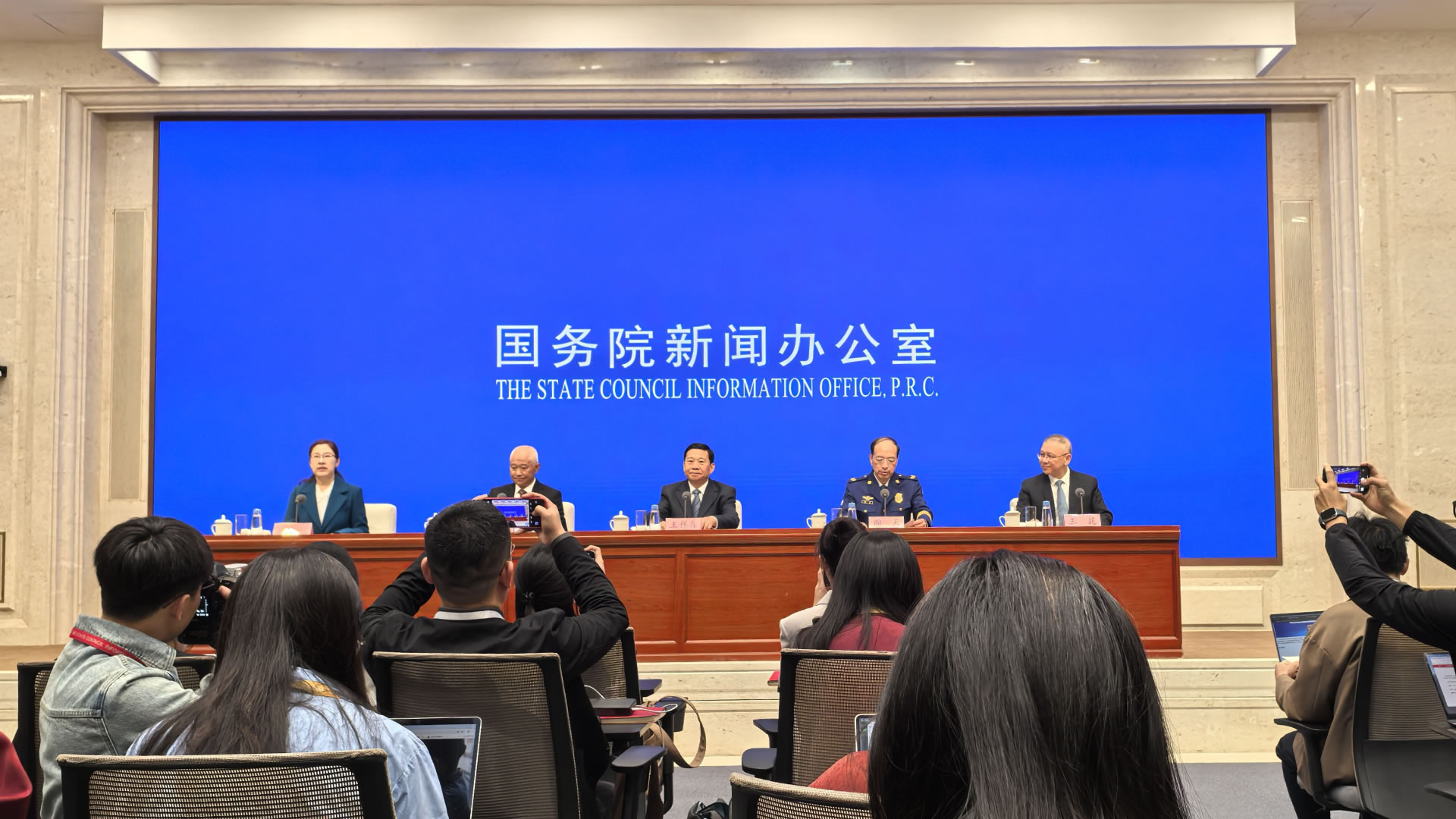
提高自然灾害防治能力 治理模式向事前预防转型 “十四五”应急管理主要指标提前完成(权威发布·高质量完成“十四五”规划)
Ren Min Ri Bao· 2025-09-24 23:05
Core Points - The "14th Five-Year Plan" for emergency management has achieved its main indicators ahead of schedule, marking a significant improvement in governance from reactive to proactive disaster prevention [1][2] Group 1: Emergency Management Achievements - The number of major accidents has decreased to single digits for the first time, with a 43.8% reduction compared to the end of the "13th Five-Year Plan" [2] - Natural disaster indicators have improved, with average annual disaster-affected population, fatalities, and direct economic losses as a percentage of GDP decreasing by 31.3%, 23%, and 34.3% respectively compared to the "13th Five-Year Plan" [2] - A total of 116 million major hazards have been identified and rectified, achieving a 98.4% rectification rate [2] Group 2: Infrastructure and Response Improvements - The establishment of a national emergency command headquarters has enabled 24-hour communication across various levels of emergency response [4] - The number of urban fire stations has increased by 44% compared to the "13th Five-Year Plan" [6][8] - The national comprehensive fire rescue team has grown to nearly 220,000 personnel, with significant increases in specialized rescue teams and equipment [7][8] Group 3: Risk Management and Prevention - A comprehensive risk survey has been conducted, with 7,081 mines surveyed and a major risk monitoring and early warning network established [3] - The emergency management system has implemented a rapid disaster relief fund allocation mechanism, improving the speed of aid to disaster-affected populations [5] - The number of monitoring stations has increased significantly, enhancing the early warning capabilities for natural disasters [4]
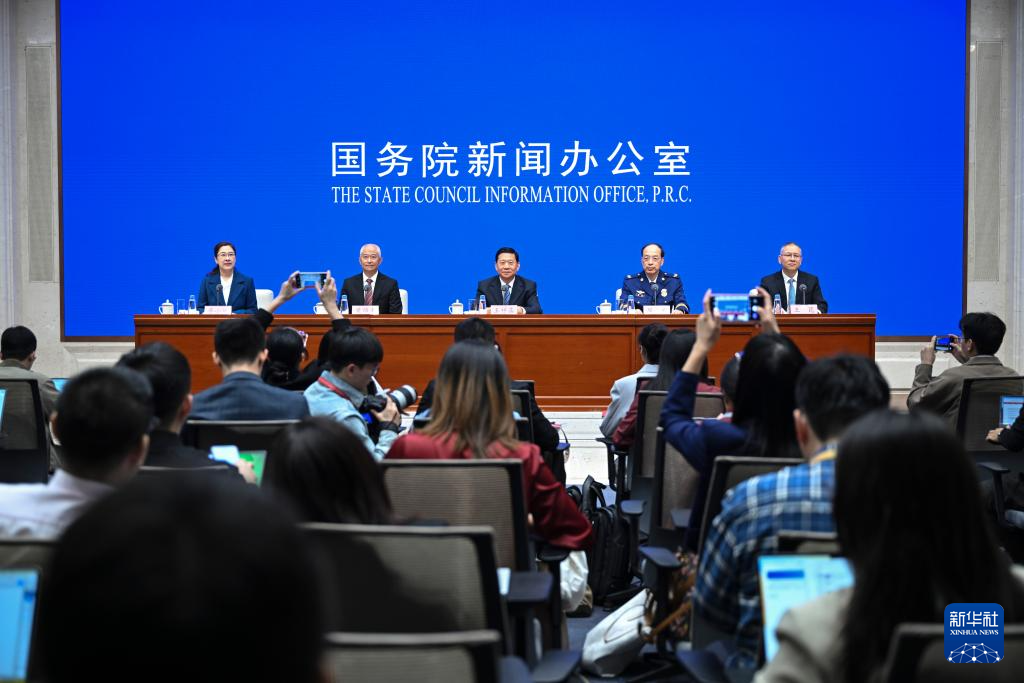
高质量完成“十四五”规划丨走好新时代中国特色应急管理之路——国新办发布会聚焦“十四五”时期应急管理改革发展成就
Xin Hua Wang· 2025-09-24 22:55
Core Viewpoint - The article highlights the achievements in emergency management reform and development during the "14th Five-Year Plan" period in China, emphasizing a shift towards proactive prevention and enhanced response capabilities in emergency management [1][3]. Group 1: Prevention and Safety Measures - The number of casualties from electric bicycle fire accidents has decreased by 86% after targeted rectification efforts [3]. - The central emergency rescue material reserves have increased by 39.6% compared to the end of the "13th Five-Year Plan," achieving full coverage of emergency material reserves at provincial, municipal, and county levels [3]. - Over 7,600 hazardous chemical enterprises, 3,300 coal mines, 3,800 industrial and trade enterprises, and 1,200 fireworks production enterprises have implemented online monitoring [3][4]. Group 2: Emergency Response Efficiency - A national emergency command headquarters has been established, maintaining 24-hour audio and video communication with emergency command centers at provincial, municipal, and county levels [5]. - During the "14th Five-Year Plan" period, 85 national disaster relief emergency responses have been initiated, effectively addressing major disasters such as the Sichuan Luding earthquake and severe floods in the Beijing-Tianjin-Hebei region [6]. Group 3: Team Capability Enhancement - As of August 2023, the number of emergency responses by the firefighting and rescue teams reached 10.27 million [8]. - A total of 3,538 new urban fire stations have been built, increasing the total to 11,500, a 44% increase compared to the "13th Five-Year Plan" [8]. - The national comprehensive firefighting and rescue team has grown to nearly 220,000 personnel, with the establishment of six national regional emergency rescue centers [8]. Group 4: Support and Guarantee Mechanisms - China has established the world's largest earthquake early warning system, covering over 90% of key hazardous areas with second-level alerts [9]. - A rapid disbursement mechanism for central disaster relief funds has been implemented to address urgent needs in disaster-stricken areas [9]. - The proportion of mandatory safety production standards has been increased to 90% through the revision of laws and regulations, enhancing safety levels [9].