数字化供应链

Search documents
申洲国际(2313.HK):抗周期能力的再审视 卓越品质锻造行业标杆
Ge Long Hui· 2025-08-28 02:53
Core Viewpoint - Shenzhou International is expected to experience a recovery in 2024, with a projected revenue increase of 14.8% compared to the previous year, despite facing challenges in 2023 [1] Group 1: Financial Performance - In 2024, the gross profit margin is anticipated to rebound to 28.1%, supported by effective cost control and a focus on leading downstream clients [1] - The company has demonstrated strong financial performance and cost management, which enhances profitability stability amid industry fluctuations [1] Group 2: Strategic Advantages - The company has established significant competitive barriers through vertical integration, covering the entire production chain from weaving to finished garments, resulting in a high fabric self-sufficiency rate and reduced delivery times [2] - Continuous technological innovation has allowed Shenzhou to maintain high gross profit margins, with high-tech products driving the overall gross margin recovery [2] - Deep partnerships with major clients such as Uniqlo, Nike, Adidas, and Puma have been cultivated, with these four clients contributing 80.75% of revenue in 2024, ensuring efficient capacity utilization [2] Group 3: Global Layout and Risk Mitigation - Shenzhou's production layout features a "China R&D + Southeast Asia manufacturing" model, reducing risks associated with international trade and leveraging lower labor costs in Southeast Asia [2] - By 2023, the proportion of production capacity in China decreased to 47%, while Vietnam's capacity increased to 27%, with a new base in Cambodia expected to add 10% capacity by 2025 [2] Group 4: Future Growth Drivers - The company is diversifying its client base, reducing reliance on major clients, with new customer revenue share expected to increase by 6.6 percentage points to 16.2% over three years [3] - The product structure is shifting towards high-value categories, with sports products sales increasing by 9.8% and leisure products by 27.1% in 2024, driven by innovative materials [3] - Digital supply chain improvements have enhanced operational efficiency by nearly 90%, with a focus on local sourcing strategies to shorten delivery times [3] Group 5: Earnings Forecast - Revenue projections for 2025, 2026, and 2027 are estimated at 31.227 billion, 34.131 billion, and 37.671 billion yuan respectively, with corresponding EPS of 4.45, 4.96, and 5.42 yuan [4]
申洲国际(02313):公司深度报告:抗周期能力的再审视,卓越品质锻造行业标杆
Huaxin Securities· 2025-08-27 09:28
Investment Rating - The report assigns a "Buy" investment rating for the company, marking it as the first recommendation [5]. Core Insights - The company is expected to experience a positive turning point in 2024, with a projected revenue increase of 14.8% compared to the previous year, driven by recovering domestic consumption and a rebound in orders from key international clients [5][16]. - The company's financial performance is robust, with a forecasted gross margin recovery to 28.1% in 2024, showcasing excellent cost control and risk management capabilities [5][21]. - The strategic advantages include vertical integration, technological innovation, deep client relationships, and a global production layout that mitigates risks [6][9][34]. Summary by Sections 1. Operational Resilience - Short-term recovery is confirmed, with a solid operational foundation as the company rebounds from a challenging 2023, where revenue was pressured by reduced orders from key clients [16]. - Financial performance remains stable, demonstrating strong risk resilience with a historical average ROE of 15.94% and a cash flow management ratio significantly above industry averages [21][25]. 2. Strategic Advantages - Vertical integration in production provides significant cost advantages and efficiency, with a high self-sufficiency rate in fabric production [26]. - Continuous technological innovation has led to high-margin products, with a total of 585 patents authorized by 2024, enhancing the company's competitive edge [30]. - The company maintains deep ties with major clients like Uniqlo, Nike, Adidas, and Puma, which collectively contribute approximately 80% of revenue, ensuring stable order flows [31][36]. - A global production strategy, characterized by a shift towards Southeast Asia, helps mitigate risks associated with international trade and labor costs [34]. 3. Future Growth Drivers - The client structure is diversifying, reducing dependency on major clients while increasing revenue from emerging brands [37]. - The digital supply chain initiatives have improved operational efficiency by nearly 90%, enhancing responsiveness and delivery capabilities [41]. - Governance stability, with significant ownership by the founding family and a highly experienced management team, supports long-term strategic consistency [45]. 4. Earnings Forecast - Revenue projections for 2025-2027 are estimated at 312.27 billion, 341.31 billion, and 376.71 billion respectively, with corresponding EPS of 4.45, 4.96, and 5.42 [9][53].
银川新华百货商业集团股份有限公司2025年半年度报告摘要
Shang Hai Zheng Quan Bao· 2025-08-21 20:21
Group 1 - The company reported a net profit attributable to shareholders of 86,008,122.91 yuan for the first half of 2025 and proposed a cash dividend of 1.00 yuan per 10 shares, totaling 22,563,128.00 yuan [5][4][1] - The total share capital for the dividend distribution is 225,631,280 shares, and the remaining undistributed profits will be carried forward to the next distribution [5][1][4] - The profit distribution plan will be submitted for approval at the company's fourth extraordinary general meeting of shareholders in 2025 [7][4][1] Group 2 - The company plans to establish a new company, Ningxia Xinmei Supply Chain Co., Ltd., with a registered capital of 30 million yuan, in collaboration with its wholly-owned subsidiary and an affiliate [14][15][13] - The investment breakdown includes 10.5 million yuan from the affiliate, 9.9 million yuan from the company, and 9.6 million yuan from the subsidiary, representing 35%, 33%, and 32% of the total investment, respectively [14][15][16] - This new company aims to enhance procurement and inventory management, reduce costs, and improve logistics efficiency [15][20][16] Group 3 - The company anticipates additional daily related transactions in 2025, with an estimated total of 29,763,000 yuan, primarily involving sales of goods to related parties [26][24][23] - The company has not engaged in related transactions with the affiliate in the past 12 months, ensuring no prior dependencies [15][20][14] - The pricing for transactions with related parties will be based on market prices and fair negotiation principles [33][34][20] Group 4 - The company will hold a performance briefing on September 2, 2025, to discuss its half-year results and address investor inquiries [39][40][38] - The meeting will be conducted online, allowing investors to submit questions in advance [41][39][40] - The company aims to provide a comprehensive understanding of its operational performance and financial status during this session [39][38][40]

孩子王(301078):点评报告:归母净利同增79%,多业务并行打造新增长极
ZHESHANG SECURITIES· 2025-08-21 09:24
Investment Rating - The investment rating for the company is "Buy" (maintained) [4] Core Views - The company has achieved a 79% year-on-year increase in net profit attributable to shareholders, driven by multiple business lines creating new growth drivers [1][2] - The company is accelerating the development of a franchise model in lower-tier markets, with over 140 selected franchise stores under construction or planning, aiming for 500 selected franchise stores by 2025 [2] - The company is a leader in the maternal and infant retail sector, with a unique large-store model and steady progress in franchise operations, leading to continuous market share growth [3][4] Financial Performance - In the first half of 2025, the company reported revenue of 4.9 billion yuan, a 9% year-on-year increase, and a net profit of 140 million yuan, a 79% increase [7] - The company expects revenues of 11.2 billion yuan, 15.1 billion yuan, and 19.7 billion yuan for 2025, 2026, and 2027 respectively, with year-on-year growth rates of 20%, 35%, and 30% [9] - The net profit attributable to shareholders is projected to be 350 million yuan, 560 million yuan, and 890 million yuan for the same years, with growth rates of 96%, 59%, and 58% respectively [9] Business Expansion - The company has over 1,300 stores nationwide, including 502 self-operated large stores and 61 franchise stores as of the first half of 2025 [7] - The first Ultra store opened in June 2025, integrating trendy IP, grain economy, and AI technology [7] - The company is enhancing its supply chain advantages through short-chain self-operated products, with differentiated supply chain revenue of 530 million yuan in the first half of 2025 [7] Profitability Metrics - The gross margin for the first half of 2025 was 27.7%, a decrease of 2 percentage points, while the net margin increased by 1 percentage point to 2.9% [7] - The company has a projected P/E ratio of 46, 29, and 18 for the years 2025, 2026, and 2027 respectively [9]
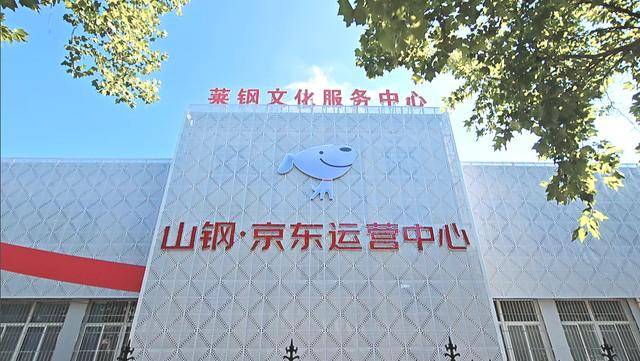
山钢·京东运营中心构建区域生态智慧生活圈
Sou Hu Cai Jing· 2025-08-21 03:03
Group 1 - The launch of the Shandong Steel and JD.com operation center marks a significant collaboration between Shandong Steel Group and JD.com, focusing on integrating new industries and innovative business models in the steel sector [1][3] - The partnership aims to combine local advantages with platform resources to create a new retail and procurement ecosystem, enhancing business model upgrades and industrial synergy [3][4] - The project encompasses a wide range of services including enterprise procurement, employee benefits, online commerce, JD.com delivery, and training, effectively linking to JD.com's industrial service platform to optimize production and reduce operational costs [3][4] Group 2 - The collaboration serves as a "value radiation source" that enhances corporate development and operational efficiency through JD.com's digital supply chain capabilities [4][6] - The implementation of a "one warehouse, one order" model allows for optimal supply-demand matching, improving procurement accuracy and inventory turnover, thus lowering operational costs [4][6] - JD.com's retail services provide tailored employee benefits and convenient daily life services, enhancing the quality of life for employees and local residents [4][5] Group 3 - The partnership is expected to inject vitality into the regional economy by improving industrial efficiency and upgrading living standards, creating a positive "butterfly effect" [6] - The synergy between industry and lifestyle is anticipated to drive high-quality regional economic development, showcasing the potential of collaborative growth between Shandong Steel and JD.com [6]


东方嘉盛:新华基金、申万宏源证券等多家机构于8月18日调研我司
Zheng Quan Zhi Xing· 2025-08-19 07:08
Core Viewpoint - The company is actively expanding its semiconductor and international logistics businesses, aiming to enhance service capabilities and optimize supply chain management while leveraging technological advancements for digital transformation [2][3][4][6]. Semiconductor Business - The company is expanding its customer base in the semiconductor sector and has established new partnerships with domestic and international semiconductor firms [2]. - It aims to provide rapid response services for lithography machine consignment and maintenance, focusing on integrated circuit manufacturing enterprises in the South China region [2]. - The company plans to enhance its supply chain management products and establish industry standards for consignment and maintenance services in the semiconductor equipment sector [2]. International Logistics - In the first half of 2025, the international logistics segment experienced a revenue increase of 329.56% year-on-year [2]. - The company is developing a comprehensive supply chain service network, integrating various transportation modes to improve logistics efficiency and resilience [2][3]. - Future plans include leveraging IoT and AI technologies to optimize logistics processes and enhance end-to-end service capabilities [2][4]. Global Expansion - The company is focusing on global expansion through strategic initiatives in regions such as the Belt and Road, Europe, Southeast Asia, and Central Asia [3]. - It aims to enhance its cross-border e-commerce capabilities and improve local operational efficiency to better serve international markets [3]. Digital Transformation - The company is investing in big data and AI to enhance logistics efficiency and service quality, with a focus on digital customs clearance services [4]. - Plans include increasing R&D investments in digital supply chain management to reduce costs and improve operational efficiency [4]. Self-built Warehousing Projects - The company is making progress in self-built warehousing projects in Chongqing and Kunming, which are expected to contribute positively to its performance [5]. - Ongoing projects in Shenzhen are aimed at serving the cross-border e-commerce and semiconductor industries [5]. Financial Performance - For the first half of 2025, the company reported a main revenue of 2.112 billion yuan, a year-on-year increase of 35.18%, while net profit decreased by 38.29% [6]. - The company attributes the disparity between revenue growth and net profit decline to non-recurring gains and seasonal factors in international logistics [6].

东方嘉盛: 2025年半年度报告
Zheng Quan Zhi Xing· 2025-08-15 16:24
Core Viewpoint - The report highlights the financial performance and strategic initiatives of Shenzhen Easttop Supply Chain Management Co., Ltd. for the first half of 2025, showcasing significant revenue growth driven by international logistics and digital supply chain services [1][2]. Company Overview and Financial Metrics - Company Name: Shenzhen Easttop Supply Chain Management Co., Ltd. - Stock Code: 002889 - Total Assets: CNY 5,061.15 million, an increase of 6.17% compared to the previous year [2]. - Revenue: CNY 2,109.08 million, a year-on-year increase of 35.23% [2][3]. - Net Profit Attributable to Shareholders: CNY 79.86 million, a decrease of 38.29% compared to the previous year [2][3]. Industry Environment Analysis - The cross-border e-commerce market in China reached approximately CNY 1.32 trillion in the first half of 2025, growing by 5.7% year-on-year [3]. - The global semiconductor market is projected to exceed USD 700.9 billion in 2025, with a year-on-year growth of 11.2% [3]. - China's integrated circuit exports increased by 20.3% to CNY 650.26 billion in the first half of 2025 [3]. Business Operations - The company operates as a leading integrated 4PL digital supply chain service provider, focusing on global consumer brands and major e-commerce platforms [4][5]. - The service model includes customized supply chain logistics services, integrating logistics, commerce, finance, and information flows [4]. - The company has established a robust international logistics network, offering door-to-door air, sea, and express freight services [5][6]. Financial Performance Analysis - Gross Profit: CNY 180.71 million, a decrease of 6.16% year-on-year [8]. - Operating Profit: CNY 100.72 million, down 37.23% from the previous year [8]. - Total Profit: CNY 101.95 million, a decline of 36.80% compared to the previous year [8]. Strategic Initiatives - The company is enhancing its digital capabilities through the application of IoT, AI, and big data technologies to improve supply chain transparency and efficiency [12][13]. - The establishment of high-standard overseas warehouses in key regions supports cross-border e-commerce and logistics operations [14][18]. - The company is actively pursuing partnerships with major international brands and e-commerce platforms to expand its service offerings [17][19].
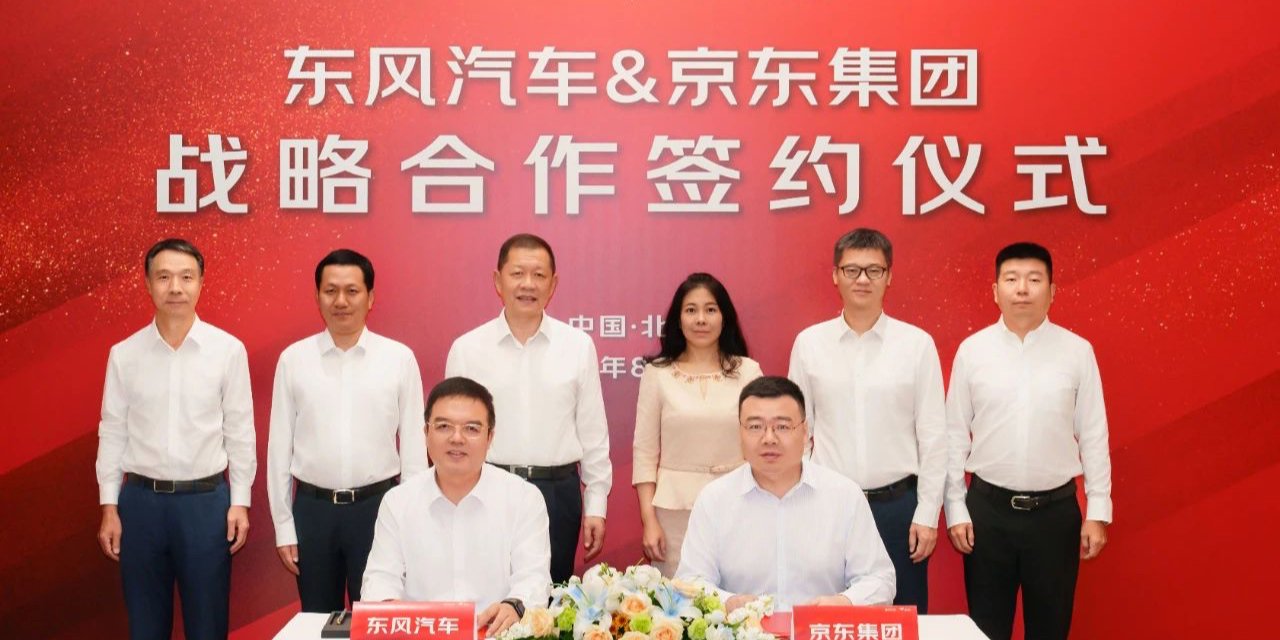
东风汽车与京东集团围绕整车营销与售后服务等展开合作
Jing Ji Guan Cha Wang· 2025-08-15 06:57
Core Viewpoint - Dongfeng Motor and JD Group have officially signed a strategic cooperation agreement to establish a comprehensive strategic partnership, focusing on leveraging JD's advantages in digital supply chain, platform ecosystem, and user services [2] Group 1: Strategic Cooperation - The strategic cooperation will focus on three core areas: vehicle marketing and after-sales service ecosystem, procurement and supply chain, and smart logistics [2] - The signing ceremony was attended by key executives, including Dongfeng Motor's Party Secretary and Chairman Yang Qing and JD Group's SEC Vice Chairman and CEO Xu Ran [2]

曾经爆火,如今暴雷!呷哺呷哺累计跌超92%
Shang Hai Zheng Quan Bao· 2025-08-04 07:32
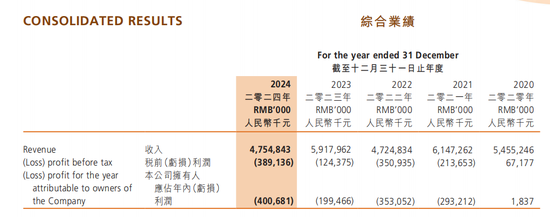
Core Viewpoint - The company, Xiaobai Xiaobai, anticipates a revenue decline of approximately 18.9% year-on-year for the first half of the year, with expected losses between RMB 0.8 billion and RMB 1.0 billion, representing a year-on-year decrease in losses of about 63.2% to 70.5% [1] Financial Performance - For the year ended December 31, 2024, the company reported a revenue of RMB 4.75 billion, down from RMB 5.92 billion in 2023 [2] - The company has been experiencing continuous losses since 2021, with net losses of RMB 293 million in 2021, RMB 353 million in 2022, RMB 199 million in 2023, and an expected loss of RMB 401 million in 2024, totaling approximately RMB 1.33 billion in cumulative losses [2] Market Reaction - Following the announcement, the company's stock price fell by 3.85% to HKD 0.75 per share, with a total market capitalization of HKD 8.15 billion [3][4] - Since the peak in January 2023, the stock has declined over 92%, leading to its classification as a "penny stock" [3] Company Background - Founded in 1998, Xiaobai Xiaobai transformed the Taiwanese hot pot concept into a rotating hot pot format and went public in 2014, becoming the first listed chain hot pot company [6] - The company has launched several brands, including "Cha Mi Cha" in 2015, "Cou Cou" in 2016, and "Chen Shao" in 2022, with over 95% of revenue coming from Xiaobai Xiaobai and Cou Cou brands [6]
2025年中国团餐行业研究报告
艾瑞咨询· 2025-08-04 00:04
Core Insights - The group meal industry is a crucial pillar of China's catering market, meeting the large-scale dining needs of enterprises, schools, and hospitals, directly impacting public service efficiency and food safety [1] - The industry is evolving towards digitalization, standardization, and centralization, driven by the integration of central kitchens, cold chain logistics, and digital management systems [1] - The social value of the group meal industry is increasingly recognized, contributing to rural revitalization efforts [1] Policy Drivers - The rural revitalization strategy encourages the integration of primary, secondary, and tertiary industries, allowing the group meal industry to penetrate lower-tier cities through government collaboration [4] - Recent policies from the State Council and the Ministry of Agriculture promote the development of rural industries, enhancing the value-added processing of agricultural products [5] Food Safety and Regulation - Food safety has become a critical public concern, with various policies aimed at enhancing the quality and safety of the food supply chain [7] - Digital tools are essential for establishing supply chain traceability systems, which can improve the competitive edge of leading group meal companies [7] Demand Factors - High food expenditure among Chinese residents supports a stable daily consumption base for group meals, particularly in schools and government institutions [12] - The online food delivery sector's growth is driving the group meal industry to upgrade its supply offerings [15] Supply Factors - The group meal industry is attracting capital investment, focusing on projects that integrate the three industries, digital supply chain construction, and cross-regional expansion [17] - The industry is entering a phase of standardization and informationization, with significant funding directed towards infrastructure and digital transformation [17] Technological Advancements - Leading social dining brands are leveraging digital technologies to enhance operational efficiency, which group meal companies can adopt to overcome data silos [20] Industry Evolution - The group meal industry has transitioned from the "big canteen" model to a multi-model approach, with a focus on standardization and professionalization [23] Market Size and Growth - The group meal market is projected to reach approximately 2.7 trillion yuan by 2024, with expectations to exceed 3.5 trillion yuan by 2026, indicating strong resilience compared to the overall catering market [29] Customer Segmentation - The primary customer segments for group meals include schools, hospitals, enterprises, and government institutions, each with distinct demand characteristics [32] - Schools account for about 52.7% of the revenue share in the group meal industry, with increasing market share expected from county-level primary and secondary schools [34] Operational Models - The group meal industry employs various operational models, including the contracted entry model, collective meal distribution model, and platform model, each with unique revenue structures and operational efficiencies [38][40][42][45] Profitability Challenges - The average profit margin for the top 100 group meal companies has decreased from 6.3% to 5.2%, indicating a shift towards a low-profit environment [47] - Increased competition and rising operational costs are contributing to the uncertainty in profit margins [47] Market Concentration - The concentration of the group meal market in China is relatively low compared to North America and Europe, presenting opportunities for leading companies to consolidate and enhance their market presence [59] Diverse Market Participants - The group meal industry is becoming increasingly diverse, with various players, including online food delivery platforms and chain restaurants, entering the market [62]