宠物经济

Search documents
乘风起势,“宠物经济”持续升温
Sou Hu Cai Jing· 2025-08-22 03:26
Core Insights - The pet economy is experiencing explosive growth, becoming a significant driver of consumption in the Zhenjiang Economic Development Zone [1] - By 2024, the number of pets in urban China is projected to reach 120 million, driven by changing consumer attitudes and market demand [1] Company Insights - Jiangsu Bernat Pure Pet Food Co., Ltd. specializes in high-end pet food and is recognized as a national high-tech enterprise, leading in functional pet food development [5] - Bernat Pure achieved a total output value of 225 million yuan last year and holds a strong position in the fresh high-end pet food market [6] - Aipet Group (Jiangsu) Technology Co., Ltd. launched several new pet medicines and health products, achieving sales exceeding 40 million yuan within six months [11] Industry Insights - The pet industry in Zhenjiang Economic Development Zone is robust, with notable companies like Bernat Pure and Aipet Group contributing to a complete industry chain including pet food, veterinary services, and pet boarding [12] - The region produces approximately 150,000 tons of pet feed annually, accounting for 30% of the province's output, establishing itself as a major pet food production area in Jiangsu [13] - Local enterprises are enhancing competitiveness through product innovation and collaboration with universities, focusing on personalized services to improve product quality and sales [13] - The local government is actively supporting the pet industry through tailored services and policy incentives, facilitating the growth of companies like Bernat Pure and Aipet Group [14]


源飞宠物跌2.01%,成交额2440.10万元,主力资金净流出53.03万元
Xin Lang Cai Jing· 2025-08-22 03:13
Group 1 - The core viewpoint of the news is that Yuanfei Pet's stock has experienced fluctuations, with a recent decline of 2.01% and a current price of 21.93 CNY per share, while the company has seen significant growth in its stock price this year [1][2] - Yuanfei Pet's stock price has increased by 39.84% year-to-date, with a 5.28% rise in the last five trading days, a 12.17% increase over the past 20 days, and a 22.91% rise in the last 60 days [2] - The company has appeared on the trading leaderboard three times this year, with the most recent instance on May 22, where it recorded a net buy of -1545.90 million CNY [2] Group 2 - Yuanfei Pet, established on September 27, 2004, is located in Pingyang County, Zhejiang Province, and was listed on August 18, 2022, focusing on pet supplies and snacks [2] - The company belongs to the light industry manufacturing sector, specifically in entertainment products, and is associated with concepts such as small-cap stocks, pet economy, and the Belt and Road Initiative [2] - As of March 31, the number of shareholders for Yuanfei Pet was 12,600, a decrease of 4.17%, with an average of 6,222 circulating shares per person, an increase of 4.35% [2]
百合股份跌2.13%,成交额1999.43万元,主力资金净流出133.14万元
Xin Lang Cai Jing· 2025-08-22 03:13
Group 1 - The core viewpoint of the news is that Baihe Co., Ltd. has experienced fluctuations in its stock price and trading activity, with a recent decline of 2.13% on August 22, 2023, and a total market capitalization of 2.759 billion yuan [1][2] - Baihe Co., Ltd. has seen a year-to-date stock price increase of 25.43%, with a recent 5-day increase of 1.58%, but a decline of 1.53% over the past 20 days and 1.03% over the past 60 days [2] - The company has appeared on the "Dragon and Tiger List" three times this year, with the most recent appearance on May 20, 2023, showing a net buy of -20.08 million yuan on that day [2] Group 2 - Baihe Co., Ltd. is located in Rongcheng City, Shandong Province, and was established on November 16, 2005, with its stock listed on January 25, 2022 [2] - The company's main business involves nutritional health food, and it belongs to the food and beverage industry, specifically in food processing and health products [2] - As of March 31, 2023, the number of shareholders for Baihe Co., Ltd. was 8,115, an increase of 8.47% from the previous period, while the average circulating shares per person decreased by 7.62% to 4,419 shares [2] - For the first quarter of 2023, Baihe Co., Ltd. achieved operating revenue of 207 million yuan, a year-on-year increase of 9.75%, and reported a net profit attributable to the parent company [2] - Since its A-share listing, Baihe Co., Ltd. has distributed a total of 164 million yuan in dividends, with 132 million yuan distributed over the past three years [2]

瑞普生物跌2.01%,成交额9328.16万元,主力资金净流出790.21万元
Xin Lang Cai Jing· 2025-08-22 03:12
Company Overview - Reap Bio is located in Tianjin Free Trade Zone and was established on August 2, 2001, with its listing date on September 17, 2010 [1] - The company specializes in veterinary biological products (animal vaccines) and chemical pharmaceuticals [1] Stock Performance - As of August 22, Reap Bio's stock price decreased by 2.01%, trading at 22.93 CNY per share, with a total market capitalization of 10.657 billion CNY [1] - Year-to-date, the stock price has increased by 26.85%, with a 0.66% rise over the last five trading days, a 4.61% increase over the last 20 days, and a 7.02% decline over the last 60 days [1] Financial Performance - For the period from January to March 2025, Reap Bio reported a revenue of 822 million CNY, representing a year-on-year growth of 54.09% [2] - The company has distributed a total of 1.371 billion CNY in dividends since its A-share listing, with 462 million CNY distributed over the last three years [2] Shareholder Information - As of August 8, the number of shareholders for Reap Bio was 27,000, with an average of 12,406 circulating shares per shareholder [2] - As of March 31, 2025, the fifth largest circulating shareholder is Harvest Agricultural Industry Stock A, holding 6.3889 million shares, an increase of 696,900 shares from the previous period [2] Market Activity - On August 22, the net outflow of main funds was 7.9021 million CNY, with large orders accounting for 15.94% of purchases and 21% of sales [1]

贝因美跌2.04%,成交额4.22亿元,主力资金净流出5091.65万元
Xin Lang Cai Jing· 2025-08-22 03:12
Group 1 - The core viewpoint of the news is that Beiningmei's stock has experienced fluctuations, with a notable increase of 70.78% year-to-date, despite a recent decline of 2.04% on August 22 [1] - As of August 22, Beiningmei's stock price was reported at 7.19 yuan per share, with a total market capitalization of 77.66 billion yuan [1] - The company has seen significant trading activity, with a net outflow of 50.92 million yuan in principal funds and a total trading volume of 422 million yuan on August 22 [1] Group 2 - For the year 2025, Beiningmei reported a revenue of 728 million yuan for the first quarter, reflecting a year-on-year growth of 1.01% [2] - The company has distributed a total of 9.61 billion yuan in dividends since its A-share listing, with no dividends paid in the last three years [2] - As of March 31, 2025, the number of shareholders increased to 113,300, while the average circulating shares per person decreased by 3.99% to 9,528 shares [2][3]

2025年中国宠物牵引绳行业发展背景、产业链图谱、市场规模、竞争格局及发展趋势研判:宠物主人更加关注产品的材质、功能和规格[图]
Chan Ye Xin Xi Wang· 2025-08-22 01:35
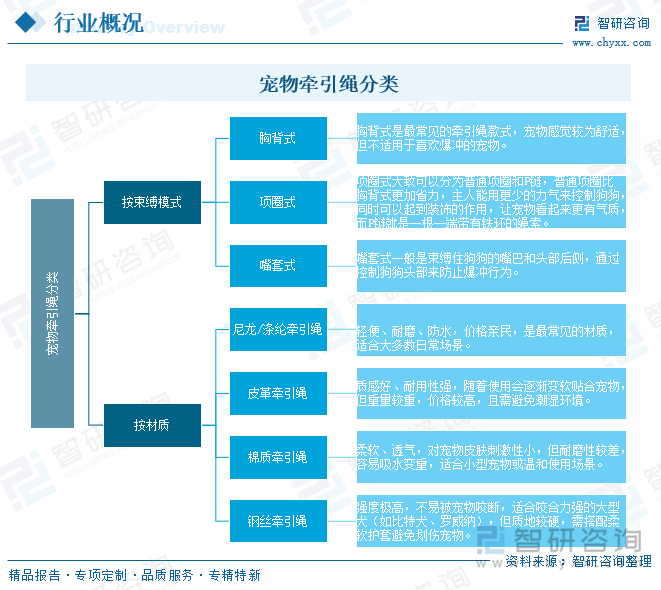
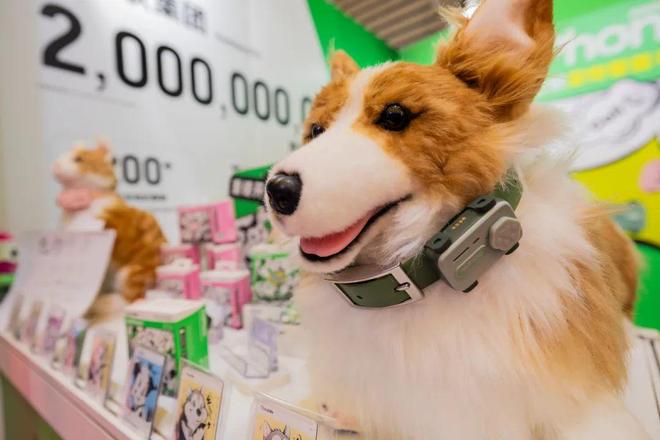
Overview - The pet leash market in China is rapidly growing, with a projected market size of 5.614 billion yuan in 2024, representing a year-on-year growth of 15.64%, with dog leashes accounting for over 90% of the market share [1][11] - Increased attention to pet safety and comfort is driving demand for higher quality leashes, leading companies to develop more personalized and user-friendly products [1][11] - The rise in regulations promoting responsible pet ownership is expected to further boost the demand for pet leashes [1][11] Development Background - The aging population in China is contributing to the rise in pet ownership, with the population aged 65 and above expected to reach 219.69 million in 2024, a year-on-year increase of 1.35% [4] - The increasing divorce rate and declining birth rate are leading to a rise in solitary individuals who seek companionship from pets, further fueling the pet economy [4] - Over 90% of pet owners consider their pets as family or friends, indicating a strong willingness to spend on pet-related products [4] Industry Chain - The upstream of the pet leash industry includes suppliers of raw materials such as nylon, silicone, and metal, as well as suppliers of plastic components and packaging materials [6] - The midstream involves the manufacturing of pet leashes, while the downstream consists of sales channels including pet specialty stores, veterinary clinics, supermarkets, and e-commerce platforms [6] Current Market Status - The pet leash market is experiencing robust growth driven by a large pet-owning population, with a market size of 5.614 billion yuan projected for 2024, reflecting a 15.64% increase [11] - The demand for leashes is expected to grow as pet owners become more attentive to their pets' safety and comfort [11] Competitive Landscape - The pet leash market in China is highly competitive, with numerous participants. The top 10 brands by usage rate include hipidog (20.5%), flexi (11.9%), and Hoopet (11.3%) [13] - Companies like Wenzhou Yuanfei Pet Toys Co., Ltd. and Nanjing hipidog Pet Products Co., Ltd. are key players in the industry, with Yuanfei's revenue from pet leashes reaching 456 million yuan in 2024 [15][17] Development Trends - Future trends in the pet leash market include the integration of wearable technology, such as GPS tracking and health monitoring sensors, into leashes [19] - There will be a focus on ergonomic designs to reduce hand fatigue for pet owners, as well as an increase in customized products tailored to different pet sizes and behaviors [19]
宠物经济逆势增长,撑起3000亿消费市场
Di Yi Cai Jing Zi Xun· 2025-08-21 15:46
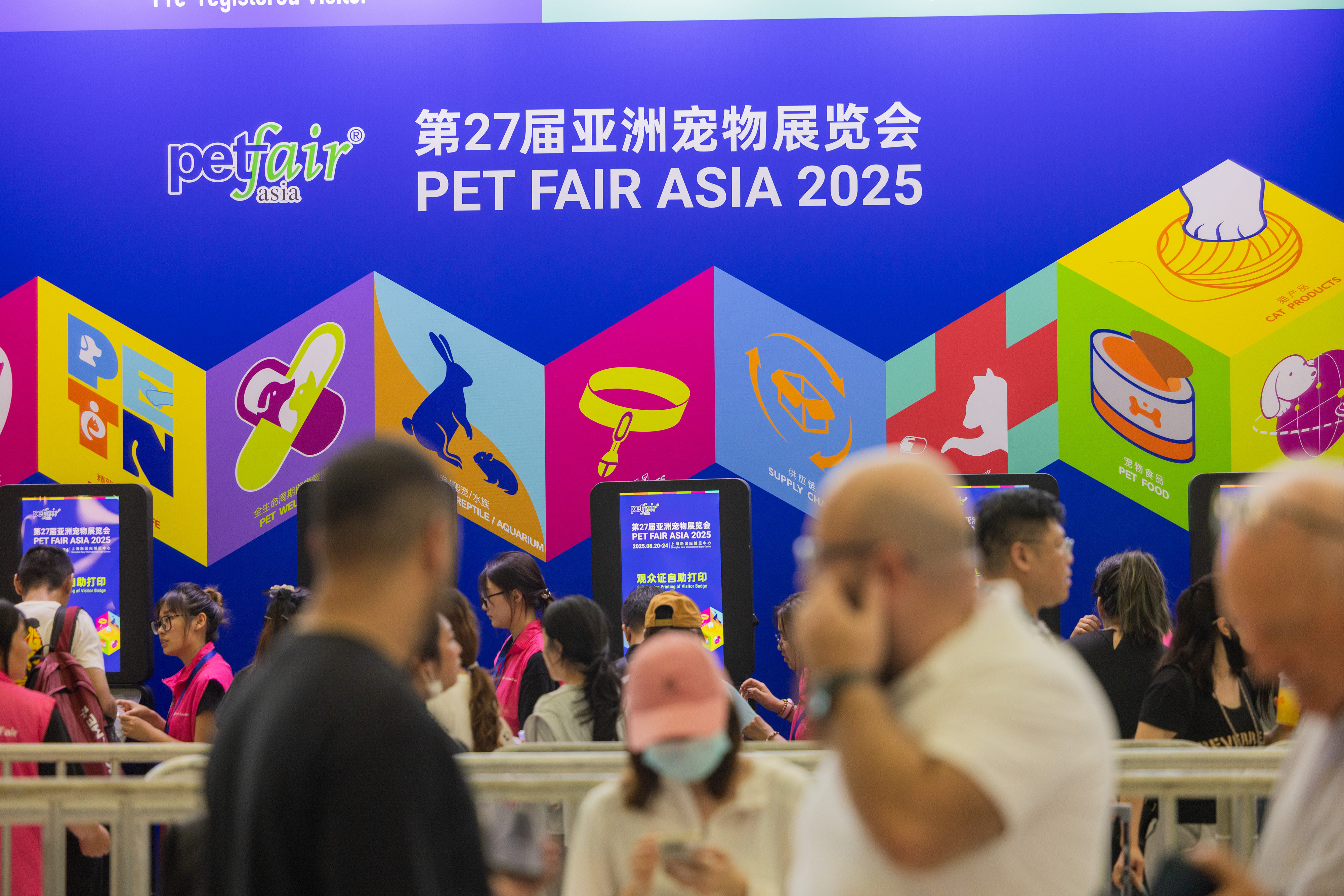
Core Insights - The pet economy is experiencing robust growth despite the global economic downturn, indicating a strong demand for pet-related products and services [2] - The Asia Pet Expo has reached a new scale with over 2,600 exhibitors and an expected attendance of over 510,000, showcasing the industry's expanding boundaries [2] New Entrants Targeting Demand Diversification - New entrants in the pet industry are focusing on differentiated consumer needs, with companies like PILTON reporting a 35% increase in sales year-over-year for their smart pet products [4][5] - The rise of small pets is notable, with over 17 million people in China owning exotic pets as of 2020, representing 25% of the overall pet ownership [5] - Wagoo, a new mobile pet grooming service, plans to triple its fleet of mobile grooming vehicles by the end of the year, addressing consumer pain points related to traditional grooming services [6] Traditional Manufacturers Maintaining Professionalism and Scale - Established manufacturers are facing increased competition but are leveraging their expertise and scale to maintain market presence, with companies like Qingdao Maierchi focusing solely on cat litter for over a decade [10] - The export market remains strong for companies like Pairfu, which has 70% of its business in exports, with the U.S. accounting for about 40% of export revenue [11] - The pet industry is projected to grow, with the urban pet consumption market expected to exceed 300 billion yuan in 2024, reflecting a 7.5% year-over-year increase [12]
宠物经济逆势增长,撑起3000亿消费市场
第一财经· 2025-08-21 15:34
Core Viewpoint - The pet economy is experiencing robust growth despite the global economic downturn, showcasing a strong demand for pet-related products and services, as evidenced by the record attendance and participation at the Asia Pet Expo [3][6]. Group 1: Market Trends - The Asia Pet Expo gathered over 2,600 exhibitors and is expected to attract more than 510,000 visitors, indicating a thriving market [3]. - The pet ownership demographic is shifting towards younger consumers, with over 70% of attendees at the expo being young pet owners [10]. - The trend of "new necessities" in pet care is emerging, with a focus on emotional well-being and smart pet products, as 61.5% of users are willing to pay for their pets' emotional health [10]. Group 2: New Entrants and Innovations - New entrants in the pet industry are targeting differentiated consumer needs, such as the rise of smart pet products like the intelligent bird cabin, which saw a 35% increase in sales compared to the previous year [6][10]. - Wagoo, a new mobile pet grooming service, plans to triple its fleet of mobile grooming vehicles by the end of the year, addressing consumer pain points related to traditional grooming services [7][8]. - Innovative products showcased at the expo include a mobile pet video recording device and smart pet care gadgets, reflecting the growing demand for technology in pet care [10][12]. Group 3: Traditional Manufacturers - Established manufacturers are facing increased competition but are leveraging their expertise and scale to maintain market presence, focusing on cost-effectiveness and quality [12][14]. - Companies like Qingdao Maierchi, specializing in cat litter, emphasize their long-standing experience and market stability despite challenges [14]. - The pet care market is projected to exceed 300 billion yuan in 2024, with significant growth in both dog and cat segments, indicating a strong consumer willingness to invest in high-quality pet products [16].
宠物撑起3000亿消费市场 新老入局者目标有何不同?
Di Yi Cai Jing· 2025-08-21 15:00
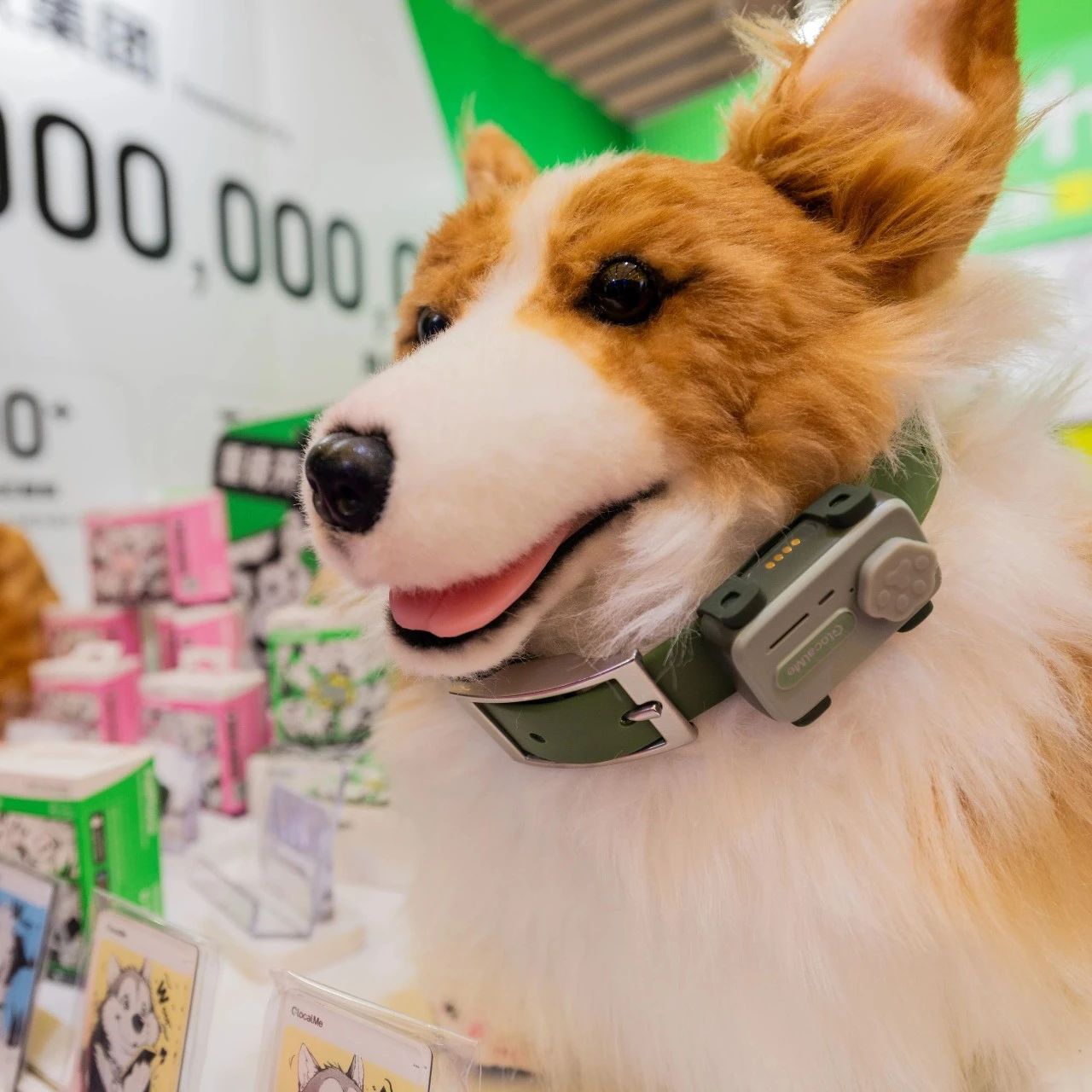
Core Insights - The pet economy is experiencing robust growth despite the global economic downturn, indicating a strong demand for pet-related products and services [1] - The Asia Pet Expo has reached a record scale with over 2,600 exhibitors and an expected attendance of over 510,000, showcasing the industry's expanding boundaries [1] - New entrants in the pet industry are focusing on differentiated consumer needs, particularly in the smart pet product segment, which is seeing significant sales growth [3][4] Industry Trends - The market for small pets is growing due to urban living constraints and safety concerns, with over 17 million people owning exotic pets in China, representing 25% of the total pet ownership [4] - Young consumers now make up over 70% of the pet ownership demographic, shifting the focus from basic care to more refined pet nurturing practices [7] - A report indicates that 61.5% of pet owners are willing to pay for their pets' emotional well-being, accelerating the adoption of smart pet products [7] New Entrants and Innovations - New companies like Wagoo are entering the market with mobile pet grooming services, aiming to address consumer pain points related to time and convenience [5] - The introduction of innovative products such as smart pet phones and cooking machines for pet food reflects the trend towards technology integration in pet care [7][8] - The demand for smart pet products is evident, with companies reporting significant pre-orders and high repurchase rates for new offerings [3][8] Traditional Manufacturers - Established manufacturers are facing increased competition but are leveraging their expertise and scale to maintain market presence [10] - Companies like Qingdao Maierchi focus on specific product categories, such as cat litter, to build a competitive edge through specialization [10] - Traditional players are adapting to market changes by exploring new sales channels and enhancing product offerings to meet evolving consumer preferences [11][12] Market Outlook - The pet consumption market in urban areas is projected to exceed 300 billion yuan by 2024, with a year-on-year growth of 7.5% [13] - The dog and cat consumption markets are expected to grow by 4.6% and 10.7%, respectively, indicating a strong consumer willingness to invest in high-quality pet products [13] - The pet product market remains fragmented, with no dominant brands, suggesting significant opportunities for growth and consolidation [13]
宠物撑起3000亿消费市场,新老入局者目标有何不同?
Di Yi Cai Jing· 2025-08-21 12:57
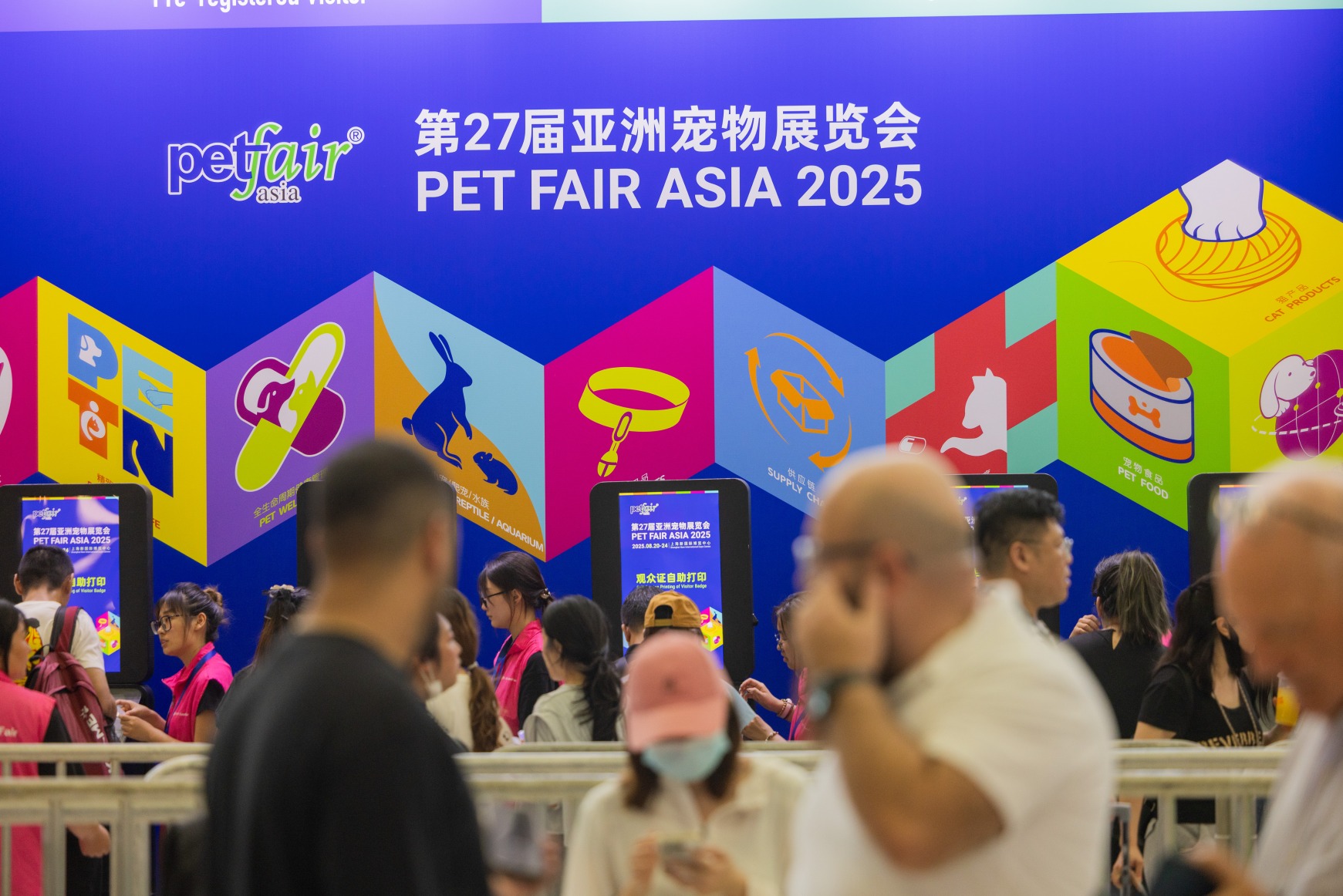
Industry Overview - The pet economy is experiencing robust growth despite the global economic downturn, indicating a strong demand for pet-related products and services [1] - The Asia Pet Expo has reached a new scale with over 2,600 exhibitors and an expected attendance of over 510,000, showcasing the industry's expanding boundaries [1] Market Trends - New entrants in the pet industry are focusing on differentiated consumer demands, with a notable increase in the market share of smart pet products, such as the smart pet cabin, which saw a 35% increase in sales year-over-year [3] - The trend of urban living space constraints and heightened safety concerns is driving the popularity of small pets, with over 17 million people in China owning exotic pets as of 2020, accounting for 25% of the total pet ownership [4] Consumer Behavior - Young consumers now represent over 70% of the pet ownership demographic, shifting the focus from merely feeding pets to enhancing their emotional well-being, with 61.5% willing to pay for their pets' emotional health [10] - The emergence of mobile pet grooming services reflects a shift in consumer preferences towards convenience and tailored services [7] Traditional Manufacturers - Established manufacturers are facing increased competition but are leveraging their expertise and scale to maintain market presence, focusing on cost-effectiveness and quality [12] - Companies like Qingdao Maierchi, which specializes in cat litter, have maintained stable revenue and profit through diversified market strategies despite challenges [12] - The pet care tools supplier, Pairif, is adapting to market changes by exploring new markets and adjusting product designs based on local demands [13] Market Projections - The urban pet consumption market is projected to exceed 300 billion yuan in 2024, with a year-on-year growth of 7.5%, indicating strong consumer purchasing power and a preference for high-quality products [15]