
生成式AI

Search documents
Visa高管:2026年将是“AI导购”元年
硬AI· 2025-12-13 12:45
Core Viewpoint - The article discusses the anticipated mainstream adoption of AI-assisted shopping by 2026, with a significant shift expected in consumer behavior towards interactive shopping experiences facilitated by AI platforms like ChatGPT [3][5]. Group 1: AI-Assisted Shopping - AI-assisted shopping is expected to transition from a niche experience to a common practice among consumers by 2026, with AI assistants playing a crucial role in shopping decisions [5][6]. - The evolution from "AI-assisted decision-making" to "agentic commerce," where AI robots handle payments and purchases autonomously, will take more time due to consumer reluctance to relinquish control over final transactions [6]. Group 2: Global Payment Giants - Global payment companies are rapidly positioning themselves to capitalize on the shift towards AI-assisted shopping, aiming to secure their place as consumers increasingly engage with chatbots [8]. - Visa is actively communicating with all major industry players, while Mastercard has partnered with Microsoft, and PayPal has signed an agreement with OpenAI to integrate its digital wallet into OpenAI's chatbot [8].



AI算力新十年:技术革新、生态协同与商业闭环,共探「下一个寒武纪」之路丨GAIR 2025
雷峰网· 2025-12-13 12:05
Core Viewpoint - The article discusses the evolution of computing power as a fundamental infrastructure and explores the necessary technological paths, ecological strategies, and business logic to navigate through cycles and occupy the top of the future value chain [1][3]. Group 1: Current State and Future of Computing Power - The GAIR 2025 conference focuses on the core of intelligent systems—computing power, examining its architecture, ecosystem, tools, and industrialization for the next decade [2]. - The conference features discussions on the current state and future of domestic computing power, emphasizing the need for a unified approach to overcome existing challenges [6][10]. Group 2: Key Insights from Experts - Tang Zhimin, a prominent figure in the microelectronics field, emphasizes the importance of software-defined computing power to break through chip technology barriers and highlights the critical role of software ecology in the computing chip industry [4][6][8]. - Liu Fangming discusses the challenges faced by domestic large models, advocating for a shift from "barbaric growth" to a more systematic and open ecosystem [10][12]. - Li Xingyu from Suiruan Technology points out that the domestic computing power industry is entering a phase of elimination, where software ecology will be a key determinant of success [14][16]. Group 3: Technological Innovations and Trends - Wang Hua from Moore Threads highlights the necessity of large-scale clusters for training large models, presenting data that shows significant reductions in training time with increased cluster size [19][21]. - Luo Yi from Yuntian Lifei predicts a pivotal shift in AI chip consumption from training to inference by 2025, driven by the explosive demand for inference capabilities [25][27]. - Zhao Zhanxiang from IO Capital discusses the need for diverse technological paths in the face of export controls, emphasizing the importance of system-level architecture and process innovation [30][32]. Group 4: Future Directions and Industry Consensus - The article concludes with a call for continued exploration and innovation in the computing power ecosystem, emphasizing the importance of collaboration among academia, industry, and investment sectors to shape the future landscape [35][39].

喝点VC|a16z专访百亿美金AI语音独角兽11Labs CEO :首要之务是深入行业内部,花时间理解他们的核心诉求与激励机制
Z Potentials· 2025-12-13 11:09
Core Insights - The discussion highlights ElevenLabs' rapid development in AI technologies, particularly in voice and music generation, emphasizing the importance of speed and quality in product delivery [3][6][21] - The company operates with a flat organizational structure, allowing team members to take on various roles and responsibilities, which fosters innovation and quick decision-making [7][14][15] - ElevenLabs has successfully transitioned from serving individual creators to targeting enterprise clients, adapting its sales strategy to combine engineering and traditional sales roles [21][25] Group 1: Product Development and Innovation - ElevenLabs began with a small infrastructure team and has grown to approximately 20 product teams, each consisting of 5 to 10 members, allowing for rapid product iteration and deployment [6][8] - The company prioritizes research and development while ensuring that product releases are not delayed, maintaining a balance between innovation and market needs [9][21] - ElevenLabs has developed a voice market platform with nearly 10,000 voice resources, returning $10 million to community members, showcasing its commitment to user engagement and resource sharing [17] Group 2: Organizational Structure and Talent Acquisition - The company employs a global talent acquisition strategy, moving beyond traditional recruitment methods to find top talent across various regions [11][12] - A flat organizational structure has been implemented, eliminating titles to promote equality and responsibility among team members, enhancing collaboration and communication [14][15] - ElevenLabs emphasizes the importance of integrating diverse backgrounds within teams, which has proven effective in fostering innovation and creativity [12][13] Group 3: Market Strategy and Client Engagement - The company has established partnerships with major record labels to integrate music resources into its AI models, ensuring mutual benefits and protecting the interests of all parties involved [18] - ElevenLabs focuses on understanding client needs and maintaining close collaboration to drive product development, which has been crucial in its transition to enterprise solutions [21][25] - The company has set clear boundaries between alpha and non-alpha product versions, allowing clients to choose their level of engagement with new features while ensuring stability and reliability [25][26]

盛希泰:中国不缺钱缺好资产,未来十年将迎黄金发展期|2025华夏机构投资者年会
Hua Xia Shi Bao· 2025-12-13 04:20
Core Insights - The forum emphasized the theme of "vitality and resilience, innovation and empowerment," aiming to address contemporary challenges and explore future pathways [2] - The founder of Hongtai Fund, Sheng Xitai, expressed optimism about China's development over the next decade, highlighting the importance of seizing opportunities amid industry transformations [2] - High-tech companies with genuine technological content are becoming the focal point for capital, indicating a market divide between quality assets and traditional industries [2][3] Industry Trends - The emergence of AI companies like DeepSeek has significantly reshaped market confidence in China's AI sector, alleviating previous concerns about the country's capabilities in generative AI [3] - Chinese industries are recognized for their competitive edge, with a notable ability to develop large model products at a cost of only 1% to 2% of what is typically required internationally [3] - The rapid rise of the robotics industry in China is attributed to 30 years of industrial accumulation, with Jiangsu province alone housing 100,000 supporting enterprises [4] Market Dynamics - China's industrial strength has garnered global attention, reflecting its undeniable manufacturing capabilities despite international uncertainties [4] - The share of Chinese industrial robots in the global market is reported to be between 60% and 70%, showcasing the country's leading manufacturing capacity and supply chain [4] - The ongoing implementation of China's "14th Five-Year" and "15th Five-Year" plans, along with the establishment of a unified national market, lays a solid foundation for long-term development [4]

激流时代 智变新章!2025中国科技风云榜正式启动
Sou Hu Cai Jing· 2025-12-13 02:18
Group 1 - The year 2025 is marked by rapid technological advancements and a significant transformation in various industries, particularly in the fields of storage chips and memory prices, which are experiencing tight supply and soaring costs [1] - The food delivery and instant retail sectors are undergoing major changes, with new players entering the market and engaging in a subsidy war exceeding 10 billion yuan, leading to a competitive landscape dominated by Meituan, Alibaba, and JD.com [1] - The competition in the e-commerce sector is shifting from being capital-driven to algorithm-driven and value-driven, emphasizing quality and service capabilities as key differentiators [1] Group 2 - The penetration rate of domestic new energy vehicles has surpassed 50% for the first time, indicating a significant transformation in the transportation sector [2] - Breakthroughs in humanoid and embodied robots, the clarity of 6G network architecture, and the redefinition of human-computer interaction through smart glasses are reshaping industry and future lifestyles [2] - China's technological strength is increasingly confident and pragmatic in participating in global competition, showcasing rapid advancements in cutting-edge technologies and the deep integration of the internet with the real economy [2]

巨亏120亿,阿尔特曼的“大而不能倒”还能演多久?
3 6 Ke· 2025-12-13 00:04
Core Viewpoint - OpenAI is facing significant challenges, including a quarterly loss of $12 billion and losing market share to competitors like Anthropic, raising concerns about its sustainability and the narrative of being "too big to fail" [1][34]. Group 1: Financial Performance and Market Position - OpenAI reported a staggering loss of $12 billion in the last quarter, which has raised alarms about its financial health and sustainability [34]. - The company has seen its share of the enterprise large language model (LLM) market drop from 50% to 25% within two years, while Anthropic has surged to a 32% market share [18][24]. - OpenAI's revenue projections show a rapid increase from $1 billion in 2023 to an expected $100 billion by 2029, but the feasibility of achieving such growth remains uncertain [30]. Group 2: Competitive Landscape - Google and DeepMind are identified as the most formidable competitors to OpenAI, with Google significantly improving its AI offerings and market position [9][10][14]. - Anthropic has become the leader in the enterprise AI market, with its model Claude rapidly gaining traction among developers, outperforming OpenAI's offerings [18][24]. - The competition is intensifying, with Google expected to further challenge OpenAI's market share by 2026 [17]. Group 3: Strategic Partnerships and Government Contracts - OpenAI has secured a $200 million contract with the U.S. Department of Defense, which is viewed as more valuable than its consumer subscription revenue, highlighting the importance of large contracts in the AI sector [24]. - The company is diversifying its revenue streams by exploring B2B opportunities, as reliance on consumer subscriptions may not be sustainable in the long term [25]. Group 4: Leadership and Governance Issues - Concerns have been raised about CEO Sam Altman's leadership style and transparency, with allegations of dishonesty affecting the board's confidence in his ability to lead [26][31]. - Internal conflicts within OpenAI's leadership have been documented, indicating potential governance issues that could impact the company's future [27][31].


入选InnoForce50!SandwichLab 公布Lexi增长引擎,为50万企业提供增长支持
Xin Lang Cai Jing· 2025-12-12 14:13
【北京·极客公园IF2026】 12月6日,在科技界备受瞩目的极客公园创新大会(GeekParkIF)主舞台上, SandwichLab 创始人兼CEO 郭振宇博士(Dr.Z) 受邀发表主题演讲,并正式公布了公司全新的AI策略 系统——Lexi增长引擎。与此同时,凭借在AI商业化领域的技术突破与全球影响力,SandwichLab 成功 入选极客公园2025 「InnoForce50」,与蚂蚁集团数字科技、Stripe、Kickstarter等国际领先科技企业并 列。 (SandwichLab 郭振宇博士极客公园创新大会演讲) 反共识判断:商业世界不缺流量,缺"真实信号" 在生成式AI大幅降低内容生产成本的当下,郭振宇博士在演讲中提出了一个犀利的"反共识"判断:企业 当前面临的真正挑战,不再是"没有流量",而是"信号淹没"。 郭振宇博士指出,随着AI内容的爆发式增长,市场噪音呈指数级上升。海量的数据并不等于真相,反 而在掩盖真实的需求信号。在这种环境下,传统的流量打法失效,企业迫切需要的不是生产更多内容, 而是一种更强的"去噪能力" 。 "我们不应让企业在噪音中迷失,"郭振宇博士强调,"AI的价值必须从制造信息 ...
中国在存储半导体领域提高存在感
36氪· 2025-12-12 13:51
Core Viewpoint - China's presence in the storage semiconductor sector is significantly increasing, with Yangtze Memory Technologies Co. (YMTC) achieving a global NAND market share exceeding 10% for the first time, driven by government support and technological advancements [4][5]. Group 1: NAND Market Developments - YMTC's NAND sales share reached 10% in Q1 2025 and increased to 13% in Q3 2025, closing in on Micron Technology, the fourth-largest player globally [5]. - The company aims to achieve a 15% market share by the end of 2026, with plans for factory investments around Wuhan, which could lead to a global supply share of approximately 20% [7]. - YMTC's technology has advanced to about 270 layers, comparable to Samsung Electronics, and it has adopted cost-reduction methods not yet utilized by competitors [5][4]. Group 2: DRAM Market Developments - Changxin Memory Technologies (CXMT) has expanded its market share in the DRAM sector to 8% in Q3 2025, up from 6% in the same period of 2024, positioning it as the fourth-largest globally [8]. - CXMT is focusing on increasing production of general-purpose products for PCs and smartphones, holding around 40% of the domestic market share in China [8]. Group 3: Competitive Landscape and Pricing - Chinese NAND products are approximately 10-20% cheaper than those from other countries, giving them a competitive edge [10]. - Despite the technological gap in high-bandwidth memory (HBM) where Chinese firms lag by about five years, the price advantage may lead to increased adoption of Chinese semiconductors by other countries [10][11]. - The U.S. government has restricted YMTC's access to design technology, impacting its ability to expand in markets outside China [10]. Group 4: Market Dynamics and Future Outlook - The smartphone market in China is projected to grow by 6% in 2024, reaching 286 million units, which could influence the sales of companies like Kioxia, as a significant portion of their sales is directed towards China [10]. - Concerns regarding quality and safety have led Japanese companies to be cautious in adopting Chinese storage semiconductors, although other sectors like solar panels and electric vehicles are seeing success due to competitive pricing [11].
德银深度报告:真假AI泡沫,究竟谁在裸泳?
Hua Er Jie Jian Wen· 2025-12-12 12:13
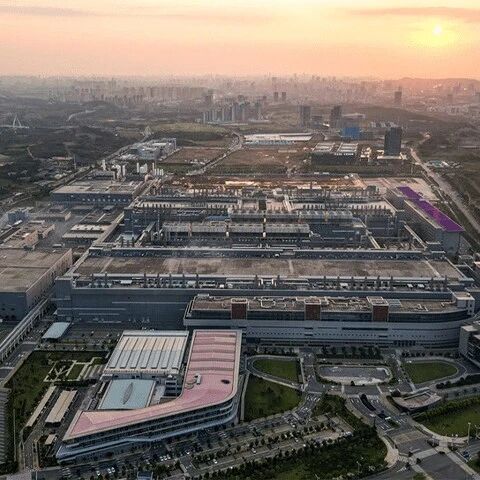
Core Viewpoint - The current AI boom is not a single bubble but consists of three distinct types: valuation bubble, investment bubble, and technology bubble [1][2]. Valuation Bubble: Identifying Real Risks - The Shiller Cyclically Adjusted Price/Earnings ratio has exceeded 40, nearing the 44 times level seen at the peak of the 2000 internet bubble, indicating potential market overheating [2]. - Despite high valuations, they are primarily driven by profit growth rather than speculation, with the S&P 500 index showing a 22.7% annual growth trend since October 2022 [4]. - Large tech stocks have a valuation premium of about 60%, supported by over 20% profit growth differences [6]. - Private companies exhibit significantly higher valuations, with OpenAI's revenue forecast leading to a price-to-sales ratio of 38 times, while public tech giants like Nvidia and Microsoft have more reasonable valuations of 22 times and 12 times, respectively [9]. Investment Bubble: Cash Flow Support vs. Debt Risks - Capital expenditures for major cloud service providers are projected to reach $500 billion by 2026, potentially totaling $4 trillion by 2030, which is unprecedented but still within reasonable limits [11]. - The annual growth rate of global tech capital expenditures has been 12.3% since 2013, indicating that current growth remains within this trend [13]. - Investment returns for large tech companies have been rising, driven by demand for cloud services and AI tools [14]. Technology Bubble: Usability and Scalability Concerns vs. Technological Progress and Demand Growth - Generative AI still faces challenges such as errors and hallucinations, making large-scale application difficult, and physical bottlenecks may soon hinder rapid expansion [16]. - Unlike the debt-driven internet bubble, current AI investments are primarily supported by free cash flow, with Google reporting an operating cash flow of $48 billion in Q3 [17]. - Demand for AI is growing, with Google processing 1.3 quadrillion tokens monthly, and less than 10% of U.S. businesses currently using AI, indicating significant growth potential [20]. - The launch of Gemini 3 by Google demonstrates ongoing advancements in AI capabilities, surpassing previous models in various tests [21]. - Cost reductions in AI models have been significant, with the cheapest large language models dropping in cost by 1000 times, driving consumption growth [24]. Potential Triggers for Bubble Burst - Recent complex agreements, such as OpenAI's $1.4 trillion computing purchase commitment, may introduce systemic risks due to valuation opacity [27]. - Even cash-rich cloud service providers are increasing debt issuance, with investment-grade bond issuance exceeding $35 billion in 2025, raising concerns about rising debt costs [30]. - The report highlights diminishing returns on scale, with training costs for AI models skyrocketing from $10 million to over $1 billion [32]. - Growing skepticism towards AI, particularly in developed markets, may lead to customer resistance and regulatory challenges [34]. - Energy supply may become a significant barrier to AI adoption, with electricity demand projected to quadruple by 2030 [37].



提示词一响,烂片登场,OpenAI谈下200+迪士尼顶级IP出场费
3 6 Ke· 2025-12-12 11:18
AI 版权战不再是想着怎么把 IP 彻底锁起来不让 AI 碰,而是要谈一个合适的出场费。你猜,朱迪、尼克还要多久就会飙脏话? 消息一出,网友直接炸锅。 未来三年,只要你是 Sora 用户,迪士尼这些顶级 IP 角色,都能随手捏。 迪士尼不但不找麻烦,反而选择亲自开闸放水。 事情是这样的。 迪士尼刚官宣,将向 OpenAI 投资 10 亿美元,并签下一份为期三年的合作协议,授权 Sora 使用旗下 IP,用于生成短视频内容。 一夜之间,OpenAI 直接拿到了 200 多个国际公认顶级IP的合法使用权。 包括迪士尼经典,米奇、米妮、灰姑娘、小美人鱼等。 很多人喜欢的皮克斯IP,比如《玩具总动员》、《头脑特工队》、《超能陆战队》。 当然,这次授权仅限动画或插画版本,不涉及任何真人演员的肖像与声音(毕竟,太难、太棘手)。 OpenAI 拿到了授权,还顺手收下 10 亿美元新投资。那么,迪士尼图啥呢? 首先,10 亿美元对于年营收 900 多亿美元的迪斯尼来说,不算啥。 其次,有了 OpenAI 的股份,迪士尼就能将这些角色带到 Z 世代和 Alpha 世代聚集的平台。 还有生产力工具。既然成了企业客户,迪斯尼的员工 ...

