
城乡融合发展

Search documents
从“城乡二元”到“和美乡村”:清远以“百千万工程”重塑粤北乡村版图
Nan Fang Nong Cun Bao· 2026-01-16 04:30
Core Viewpoint - Qingyuan is transforming its rural landscape through the "Hundred Million Project," focusing on agricultural modernization and urban-rural integration, showcasing significant progress in reducing the urban-rural divide and enhancing local economic development [13][24][115]. Economic Growth and Development - Over the past four years, Qingyuan's GDP has grown by 19.5%, with industrial added value increasing by an average of 7.5% annually and foreign trade growing by 10.5% annually [16][17]. - By 2024, the disposable income ratio between urban and rural residents in Qingyuan is expected to drop to 1.71, indicating a substantial narrowing of the urban-rural income gap [18]. - The five major agricultural industries in Qingyuan have seen an average annual growth of over 25%, with the total output value of these industries exceeding 100 billion yuan [19][32]. Agricultural Industry Development - Qingyuan has established five major agricultural industries: Qingyuan chicken, Yingde black tea, Xiniu bamboo shoots, Qingyuan fragrant rice, and Lianzhou vegetable heart, with a total industry chain value projected to reach 461.24 billion yuan by 2025 [32][33]. - The Qingyuan chicken industry ranks among the top in the nation for scale and system, while Yingde black tea has a regional brand value of 51.78 billion yuan, leading the national rankings for black tea [34][102]. Infrastructure and Public Services - Qingyuan is enhancing its infrastructure, with rural road coverage reaching 100% and significant improvements in transportation conditions [44]. - The city has created over 12,000 "beautiful villages," accounting for 86.23% of all villages, and is focusing on improving education, healthcare, and public services in rural areas [22][45]. Innovation and Reform - Qingyuan is recognized as a national model for urban-rural integration, with innovative policies facilitating population mobility and rural property rights [56][57]. - The city has implemented a comprehensive rural financial support system, helping approximately 20,000 agricultural entities secure around 2.8 billion yuan in financing [65][66]. Tourism and Cultural Integration - Qingyuan is promoting the integration of agriculture, culture, and tourism, with initiatives like the "Qingyuan Changlong + Beijiang Ecology" tourism brand and various new tourism activities [105][106]. - The city has successfully attracted visitors through sports events, with the Qingyuan Marathon expected to bring in 132,000 tourists and generate 120 million yuan in tourism revenue by 2025 [108][110].


从三群人,看福建农民如何念好“致富经”
Xin Lang Cai Jing· 2026-01-15 23:34
Core Viewpoint - The fundamental starting point and ultimate goal of rural revitalization is the improvement of living standards, as evidenced by the continuous growth in farmers' disposable income in Fujian province, which is projected to exceed 30,000 yuan for the first time in 2025 [1] Group 1: Economic Growth and Income - As of 2024, Fujian's farmers' per capita disposable income ranks sixth nationally, with a growth rate consistently surpassing that of urban residents for 14 consecutive years [1] - In the first three quarters of 2025, the per capita disposable income of farmers reached 22,245 yuan, marking a year-on-year increase of 5.9%, the highest growth rate among the seven provinces in East China [1] Group 2: Poverty Alleviation and Economic Models - The establishment of modern mushroom production bases in Tai Ning has positioned it as the largest grass mushroom production hub in the province, showcasing successful industrialization in agriculture [2] - The "leading enterprise + base + farmer" model has been implemented to support low-income groups in developing courtyard economies, integrating them into the grass mushroom industry chain [3] Group 3: Sustainable Development and Employment - Fujian has successfully eliminated absolute poverty, with all registered impoverished populations and villages having exited poverty, demonstrating effective poverty alleviation strategies [4] - The province allocated 2.06 billion yuan in funding to support production development for impoverished populations, emphasizing both immediate assistance and long-term capacity building [5] Group 4: New Farmers and Talent Development - The "New Farmers" initiative aims to cultivate a robust workforce in rural areas, with a target of adding over 60,000 new farmers annually by 2027 [9][10] - Various backgrounds, including returning migrant workers and young entrepreneurs, contribute to the new farmer matrix, becoming a vital force in rural revitalization [9] Group 5: Urban Integration and Employment - The integration of rural workers into urban settings has been facilitated by ensuring job availability and decent wages, with 90% of industrial enterprises located in urban areas of Dehua County [11][12] - The province has implemented policies to protect the rights of migrant workers, ensuring their access to housing and social services, which has led to increased satisfaction and stability among new urban residents [12][13]
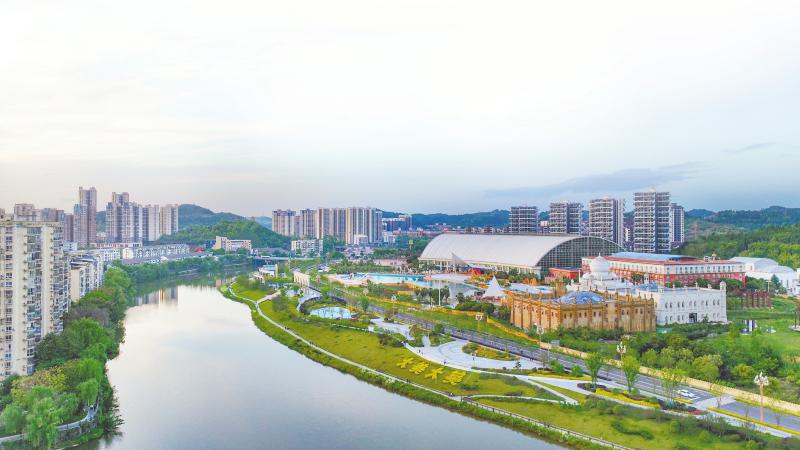
当好“桥头堡” 奋进新大英
Xin Lang Cai Jing· 2026-01-15 22:30
Core Viewpoint - The article outlines the development strategy of Daying County, emphasizing the dual focus on industrial strength and cultural tourism to establish itself as a model area for green oil, gas, and salt integration in the western region, as well as a nationally recognized tourist destination [2][3] Economic Development Goals - Daying aims to increase its economic output by over 10 billion, achieving significant progress in new industrialization, information technology, urbanization, and agricultural modernization, with industrial growth targets set for doubling [2] - The county plans to deepen the integration of cultural tourism and sports, enhancing the influence of its four cultural tourism brands, including "World Zhu Tong Well" and "China's Dead Sea Salt Health" [2] Infrastructure and Public Services - Basic living conditions in rural areas are expected to be established, with improvements in education, healthcare, and public services for the elderly and children, ensuring a better quality of life for residents [2] - Daying is committed to green transformation in economic and social development, promoting ecological priorities and sustainable living practices [2] Industrial Development Strategy - The county will focus on building a modern industrial system centered on oil and gas chemicals, supported by salt chemicals, new chemical materials, and intelligent manufacturing [3] - Daying plans to implement a "reduce oil, increase chemicals" strategy, encouraging the development of high-value products in the oil and gas sector and enhancing the salt chemical industry [3] Cultural Tourism Enhancement - The county aims to enhance its cultural tourism offerings by developing new tourism products and experiences, focusing on the four key cultural tourism brands [3] - Daying will support the transformation of the China Dead Sea scenic area from a leisure focus to a health and wellness destination, enriching the cultural tourism experience [3] Urban-Rural Integration - Daying will promote a new type of urban-rural relationship that encourages mutual growth and prosperity, focusing on coordinated development and the flow of resources between urban and rural areas [3] - The county plans to develop modern agriculture and improve rural living conditions, aiming for a vibrant rural economy [3] Social Welfare and Employment - The county will invest in public welfare and social services, addressing urgent needs and ensuring equitable access to development benefits for all residents [3] - Daying will focus on high-quality employment opportunities, supporting new job creation and enhancing income channels for residents [3]
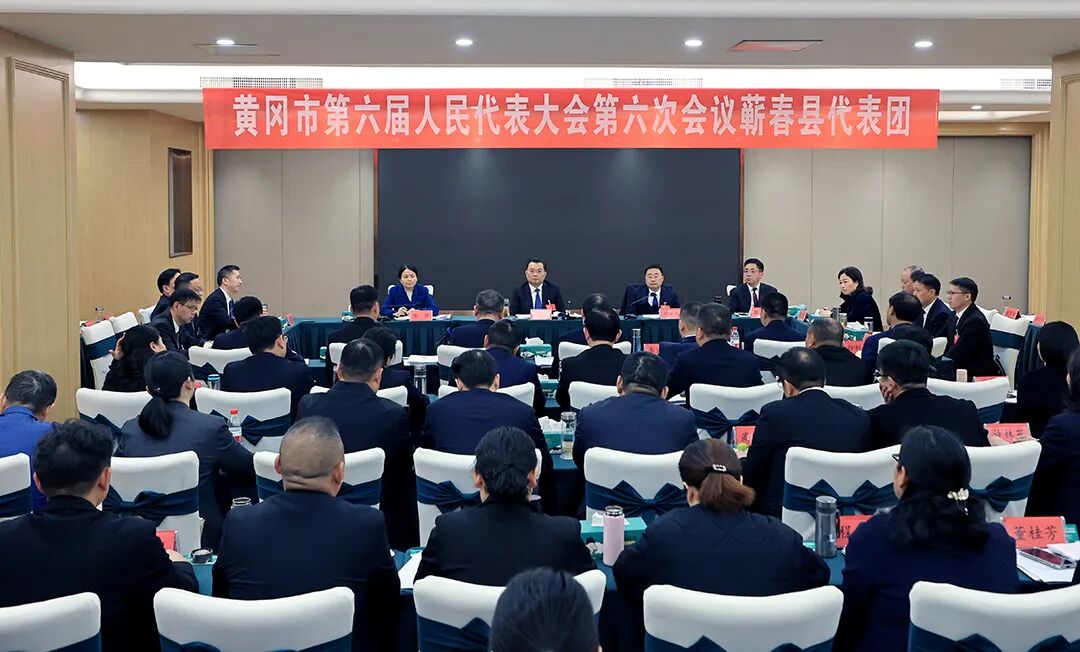
李军杰参加蕲春代表团审议
Xin Lang Cai Jing· 2026-01-15 13:17
Group 1 - The core viewpoint emphasizes the importance of implementing the development strategy of "relying on urban agglomerations and radiating the Dabie Mountains," focusing on urban-rural integration and comprehensive rural revitalization [1][3] - The city aims to enhance its position within the overall development framework by leveraging local resources such as traditional Chinese medicine culture, health products, and specialty agricultural products [3] - Key areas of focus include the establishment of significant projects in deep processing of traditional medicine, cultural tourism integration, modern logistics, and green building materials transformation [3] Group 2 - The strategy involves promoting new industrialization, information technology, urbanization, and agricultural modernization through interconnected development [3] - The city plans to strengthen urban-rural integration by extending infrastructure and public services to rural areas, creating a collaborative development community [3] - There is a strong emphasis on the role of supply chains, aiming to build regional logistics nodes to reduce circulation costs and facilitate the dual flow of local products and consumption [3][4] Group 3 - Leadership is encouraged to adopt a proactive approach in addressing challenges and ensuring the effective implementation of strategies [4] - A culture of entrepreneurship and ambition is to be fostered among officials and the public to achieve new accomplishments in the upcoming development phase [4]
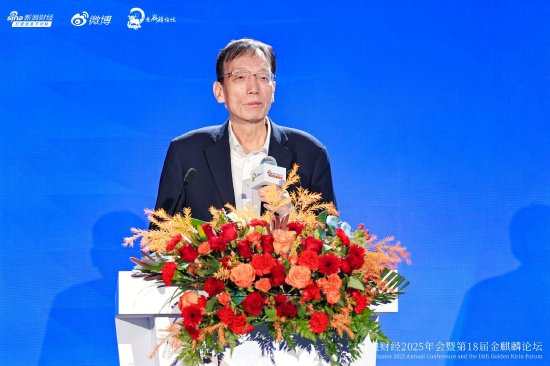
值得收藏!刘世锦在2025新浪金麒麟论坛演讲的PPT
Xin Lang Cai Jing· 2026-01-15 03:22
Core Viewpoint - The conference emphasizes the need to reshape the growth paradigm in China, transitioning from investment and export-driven growth to innovation and consumption-driven growth during the 14th Five-Year Plan period [5][54]. Consumption Structure - China is not yet a consumption powerhouse, with consumption accounting for about 20 percentage points less of GDP compared to the global average [9][55]. - Addressing this structural gap is essential for China to become a consumption-driven economy, which includes increasing both domestic and international consumption [11][58]. - The focus on consumption is shifting from investment as the primary driver of economic growth to consumption as the key factor [11][58]. Industrial Structure - The manufacturing sector's share of GDP may decline, but this does not indicate a lack of transformation; rather, it highlights the need for high-tech, knowledge-intensive service industries to support manufacturing upgrades [12][59]. - The complexity of industrial structure transformation is increasing, necessitating a fair competitive environment for businesses [15][61]. Foreign Trade - Despite a challenging international environment, China's exports have remained strong, reflecting improvements in technology and industrial competitiveness [16][63]. - A significant trade deficit indicates reduced domestic consumption, which is unsustainable in the long term; thus, a balanced import-export strategy is needed [16][65]. Financial Structure - The evolution of the financial system is accelerating, with a shift from traditional banking to capital markets, which will play a more significant role in supporting economic growth [22][70]. - The capital market should foster large, innovative enterprises and increase the participation of institutional investors to support social security systems [26][72]. Urban-Rural Structure - Urbanization is slowing as the population approaches 70%, leading to more internal migration within urban areas rather than from rural to urban [27][75]. - Addressing disparities in public services between urban and rural populations is crucial for achieving balanced development [31][79]. Income Distribution - To avoid the middle-income trap, China should aim to reduce the Gini coefficient to around 0.4, promoting a stable middle-income group that constitutes over half of the population [33][84]. - Policies should focus on increasing labor income's share of GDP and improving social security for low- and middle-income groups [37][86]. Macroeconomic Policy - While macroeconomic policies are currently focused on short-term stabilization, they cannot provide the foundational growth momentum needed for the economy [40][87]. - Structural reforms are essential to address deep-rooted issues, and reliance on macroeconomic policies should be carefully managed to avoid dependency [42][89].

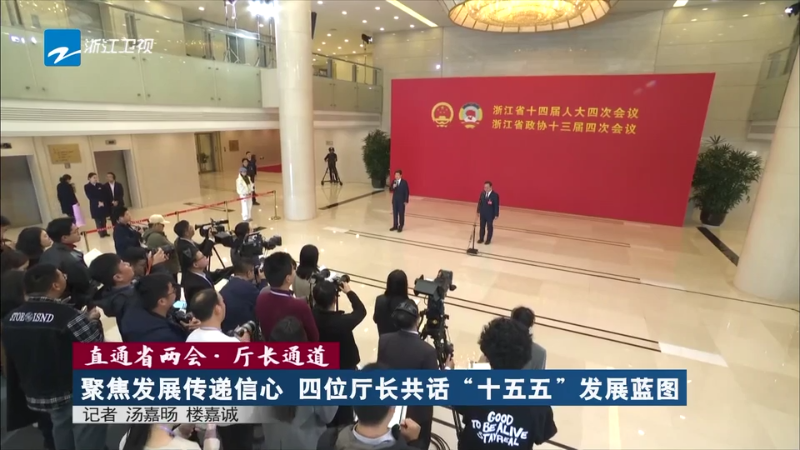
直通省两会 | 聚焦发展传递信心 四位厅长共话“十五五”发展蓝图
Xin Lang Cai Jing· 2026-01-14 14:09
今天,省两会开启"厅长通道",来自省经济和信息化厅、省司法厅、省农业农村厅、省商务厅的四位负责人,分 别围绕经济社会发展和百姓关注的热点问题,回答记者的提问。 首先走上厅长通道的是省经济和信息化厅厅长詹敏。他说,去年,我省大力推进科技创新和产业创新深度融合, 制造业单项冠军、专精特新重点"小巨人"总量居全国第一,全省新增高新技术企业6000家,创历史新高。 省经济和信息化厅厅长 詹敏:企业是我们"两新"深度融合的主体,所以我们要针对不同的产业、不同发展阶段的 企业,采取有针对性的举措。其中,高新技术企业力争在2026年再新增5000家。 今年是法治浙江建设20年,省司法厅厅长戴纪介绍,将总结好、提炼好、运用好20年来的宝贵经验,加快建设更 高水平法治浙江。 省司法厅厅长 戴纪:持续优化提升法治产品供给能力和支撑服务水平,持续打造各方面各领域法治化实践典范, 全力助推浙江"十五五"取得决定性进展。 省商务厅厅长 周向军:拓国际市场,就要继续深化"拓市场争订单"行动。要拓国内市场,继续举办"外贸优品中 华行"等出口转内销活动100场以上。 今天,省两会开启"厅长通道",来自省经济和信息化厅、省司法厅、省农业农村厅 ...
甘肃东乡县以生态搬迁为引擎,绘就城乡融合共富新图景
Zhong Guo Fa Zhan Wang· 2026-01-13 05:26
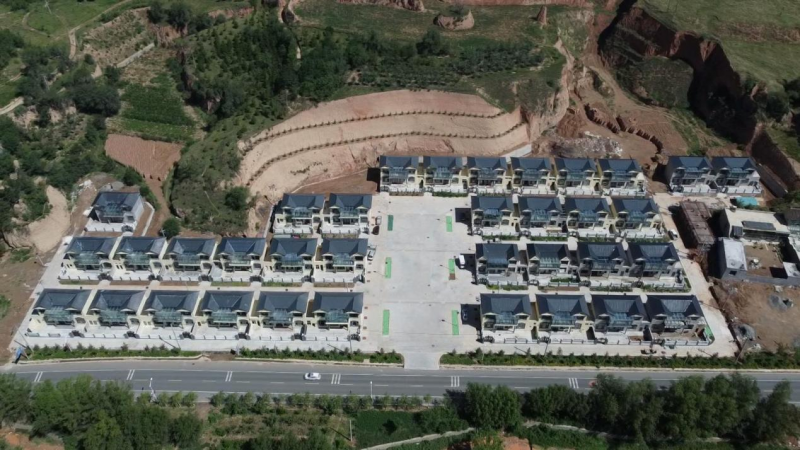
近年来,甘肃东乡县锚定城乡融合发展主线,以生态及地质灾害避险搬迁为关键契机,统筹推进集镇改造、住房 保障、扶持就业三大工程,打通城乡要素流动堵点,强化功能互补互促,让县域发展格局持续优化,一幅"城乡共 生、民生改善、共同富裕"的画卷正徐徐展开。 生态与民生相得益彰。宪法主题公园、凤凰公园等8处公园建成开放,沿洮河经济带14.63公里生态廊道串联起城 乡绿意,县城区绿地率达33.49%。27个省州县三级乡村建设示范村(其中省级19个)脱颖而出,"十改一拆三 建"人居环境提升工程深入推进,2211户厨房改造、19351户旱厕改造、5300户煤改电、5798户天然气接通,惠及 近10万群众。东乡至兰州定线客运、公交专线的开通,74辆运营车辆覆盖15个乡镇,让城乡公共服务更均等可 及。城南社区易地搬迁户马吾德说"以前住山里的土坯房,一到下雨天就怕塌,做饭烧煤又脏又呛,看病上学得走 好几里路。现在住上了砖瓦房,通了天然气,厨房厕所都改得干干净净,出门就能逛公园,这日子以前想都不敢 想!" 服务赋能优治理 融城生活更暖心 基建先行强根基 城乡联通焕新颜 基础设施是城乡融合的"硬支撑"。东乡县聚焦"污水处理、集镇改造、路网 ...
北京需要什么样的“青年乡村CEO”?
Xin Lang Cai Jing· 2026-01-13 04:21
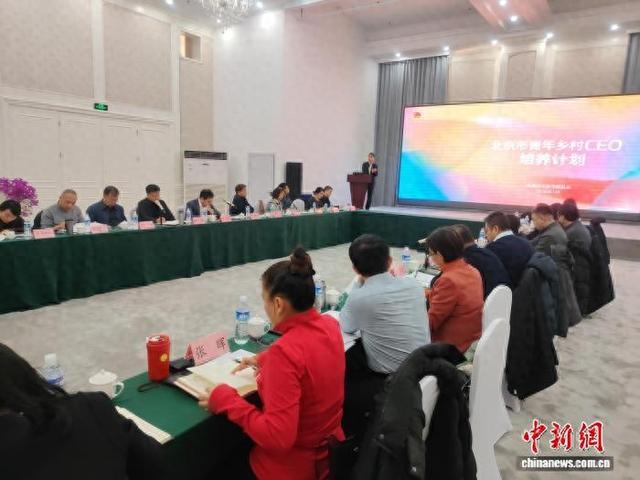
围绕近期发布的"北京市青年乡村CEO培养计划",北京市政协农业和农村委员会(以下简称"市政协农业 农村委")与共青团北京市委员会(以下简称"团市委")近日联合召开北京青年乡村CEO培养工作座谈会。 团市委、市团校有关负责人与政协委员、专家学者深入座谈交流,共同为北京青年乡村CEO培养工作献 计出力。 如何培养乡村CEO?聊政策、重实训、链资源 "本村的返乡青年是不容忽视的一支乡村建设力量,也是这项计划需要重视的培养对象。"北京市农村经 济研究中心副主任陈奕捷认为,"农二代""农三代"是学员中很有潜力的群体,他们如果在老家创业成 功,"留住人才"便不再是问题,"因为他们的家就在这里,没有人比他们更爱这片土地"。 "培训正式开始前,一定要研判:北京乡村到底需要什么样的青年CEO?"中国农业科学院乡村振兴学院 副院长王国刚建议,确定培训学员人选后,不仅要进一步明确学员个体需求,细化培训方案,也需研判 相关创业创新项目是否符合北京乡村发展方向,是否有助于补齐城乡融合发展短板。 北京青年 乡村CEO培养工作座谈会现场。 北京市政协供图 北京乡村需要什么样的CEO?懂技术、善经营、会管理 "北京市青年乡村CEO培养计划" ...
奋进“十五五”开局起好步|着力促进区域协调发展
Xin Lang Cai Jing· 2026-01-12 22:06
Core Viewpoint - The Heilongjiang Provincial Party Committee emphasizes the importance of promoting coordinated regional development as one of the eight key tasks for the province's economic work in 2026, focusing on urban-rural integration and regional collaboration [1] Group 1: Regional Cooperation - The province aims to enhance regional cooperation by aligning with major national strategies such as the coordinated development of Beijing-Tianjin-Hebei, Yangtze River Delta integration, and the Guangdong-Hong Kong-Macau Greater Bay Area [2] - There will be a focus on deepening cooperation in technology, industry, talent, market, culture, tourism, and sports with regions across the country, particularly between Harbin and Shenzhen [2] Group 2: Economic Layout Optimization - The development capacity of Harbin will be enhanced to better serve as a radiating hub for the province, with plans to build a modern, international urban circle [3] - The province will accelerate the construction of a core area for food security and modern agriculture, supporting the national important commodity grain production base [3] - Efforts will be made to transform resource-based cities into diversified economies, focusing on new energy, bio-manufacturing, and high-end equipment industries [3] - The province will also develop an open cooperation zone along the border, leveraging its unique geographical advantages to create an important platform for cooperation with Russia and Northeast Asia [3] Group 3: New Urbanization Promotion - The province will advance new urbanization through high-level planning, quality construction, and efficient governance, aiming to build a modern, people-oriented city [4] - There will be a focus on the urbanization of agricultural transfer populations and ensuring public services cover all permanent residents [4] - The integration of industry and city will be promoted, with an emphasis on new industrialization driving urbanization and creating a positive interaction between cities of different sizes [4]
【省发展改革委】陕西区域协同发展气象新
Shan Xi Ri Bao· 2026-01-11 22:47
Core Insights - The opening of the Xi'an Metro Line 15 and the Xiyan High-speed Railway marks significant advancements in transportation infrastructure in Shaanxi, enhancing connectivity and improving the quality of life for residents [1][2]. Transportation Development - The Xi'an Metro Line 15, referred to as a "livelihood line," is expected to reshape the transportation landscape in southern Xi'an, with nearly 100,000 passengers on its first day of operation [1]. - The Xiyan High-speed Railway connects Yan'an to the Guanzhong region, facilitating a one-hour commuting circle and promoting regional collaboration [2]. Regional Coordination and Urban-Rural Integration - Shaanxi is focusing on regional coordinated development and urban-rural integration as essential strategies for high-quality growth [3]. - The provincial government is enhancing the regional coordination mechanism, promoting innovation in Guanzhong, energy transformation in northern Shaanxi, and ecological upgrades in southern Shaanxi [4]. Economic Transformation in Northern Shaanxi - The Yulin Energy Revolution Innovation Demonstration Zone is leading the transformation with two major projects aimed at advancing the coal chemical industry towards high-end, diversified, and low-carbon development [5]. - Yulin has been approved to establish a national cold chain logistics base, further supporting its economic transformation [5]. County-Level Economic Growth - County-level economic policies are shifting from "low support" to "strong support," with 30 counties now exceeding an economic scale of 20 billion yuan, doubling the number from the previous five-year plan [6]. - The expected output value of leading industries in counties is projected to surpass 1.5 trillion yuan, indicating significant growth in local economies [6]. Strategic Development Goals - The provincial government aims to optimize the regional economic layout by implementing a strategy that emphasizes dual-polar growth, multi-point support, and coordinated development across three regions [6][7]. - The focus will be on enhancing the leading roles of Xi'an and Yulin, fostering a balanced urban-rural development model, and leveraging experiences from poverty alleviation initiatives to promote comprehensive rural revitalization [6][7].