数据驱动

Search documents
从小白到资深,品牌运营内容营销必需的核心技巧
Sou Hu Cai Jing· 2025-09-04 07:07
Core Insights - Content marketing is essential for brands to resonate with users, but many fail due to a lack of effective techniques. Mastering five core skills can transform content marketing into a growth driver for brands [1]. Group 1: Key Techniques - Precise Positioning: Effective content marketing requires understanding user needs rather than self-promotion. Brands should create user personas to identify target demographics and focus on unmet needs, such as the challenges faced by new mothers [3]. - Content Quality: High-quality content should be useful, interesting, and emotionally resonant. It should address real problems, engage with current trends, and reflect brand values, like the storytelling approach of Nongfu Spring [4]. - Channel Matching: The effectiveness of content is influenced by its alignment with the appropriate channels. Different platforms require tailored content formats, such as short videos for TikTok and in-depth articles for WeChat [5]. Group 2: Data and Iteration - Data-Driven Strategy: Content marketing should be treated as a scientific process, utilizing metrics like completion rates and interaction rates to refine strategies. A/B testing can help determine the most effective content approaches [6]. - Continuous Iteration: The ultimate goal of content marketing is to build a content asset library. Brands should create series content and repurpose existing materials while establishing a feedback loop to enhance future content creation [7]. Conclusion - The essence of content marketing lies in exchanging value for trust, which in turn drives user action. By mastering precise positioning, prioritizing quality, matching channels, leveraging data, and iterating continuously, brands can shift from self-centered promotion to becoming a user-centric flow engine [9].


从“盲目投放”到“精准触达”,媒介推广这么干!
Sou Hu Cai Jing· 2025-08-30 05:54
Core Insights - The article emphasizes the shift from traditional broad advertising strategies to precise targeting in media promotion, driven by advancements in data technology and user behavior analysis [1][10]. Group 1: User Profiling - The core of precise targeting lies in understanding the audience deeply, moving beyond basic demographics to include interests, consumption habits, and social behaviors [3]. - Companies can create dynamic user profiles by integrating multi-channel data, allowing them to identify their core audience and their specific needs [3]. Group 2: Channel Selection - Effective promotion requires matching the chosen channels with user habits and contexts, as different platforms attract distinct user demographics [4]. - Social media platforms like Douyin and Xiaohongshu are ideal for reaching younger audiences through engaging formats like short videos and live streams [4]. - Search engine marketing (SEM) and search engine optimization (SEO) are effective for industries where users actively seek information, such as education and healthcare [4]. Group 3: Content Customization - Content must be tailored to resonate with the identified audience, avoiding generic messaging [5]. - Personalized recommendations and scenario-based marketing can significantly enhance user engagement and conversion rates [5]. Group 4: Data-Driven Optimization - Continuous monitoring of key performance indicators (KPIs) is essential for optimizing promotional strategies [6]. - Techniques such as A/B testing and attribution analysis help identify the most effective advertising approaches and allocate resources efficiently [7]. Group 5: Case Study Insights - A case study of a new beauty brand illustrates the successful implementation of precise targeting strategies, resulting in a 200% increase in sales and a 35% rise in customer repurchase rates within three months [8][9]. Conclusion - The future of media promotion lies in precision, focusing on user-centric strategies that leverage deep understanding of user needs, appropriate channel selection, customized content, and ongoing data optimization [10].

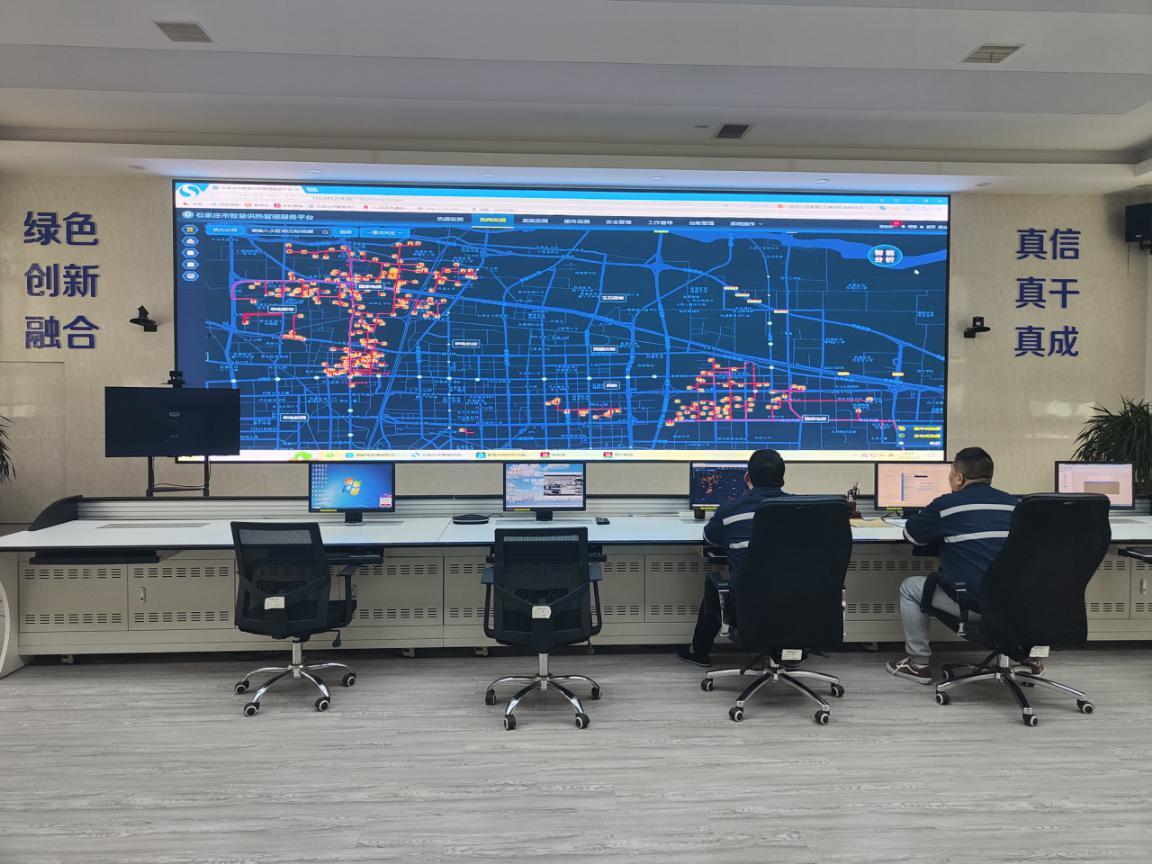
国家电投河北公司AI赋能供热数智化转型
Huan Qiu Wang· 2025-08-28 01:53
Core Viewpoint - The company has developed a smart heating system supported by cloud computing, big data, and artificial intelligence, addressing challenges in traditional heating methods and achieving the top comprehensive ranking among heating enterprises in Shijiazhuang for the 2024-2025 heating season [1] Group 1: Smart Control and Efficiency Improvement - The company has implemented a "smart heating system" since 2018, creating a three-tier intelligent control system covering "heat source - heat exchange station - heat user" [3] - The smart heating management platform allows for dynamic optimization of heat network resources, reducing the scheduling cycle from 2 hours to under 20 minutes [3] - Energy consumption has decreased, with a 1.1 watt/m² reduction in heat consumption compared to the previous heating season, and a continuous decline in single consumption indicators [3][4] Group 2: Safety and Risk Management - The company has integrated AI technology into heating dispatch, equipment operation, and pipeline inspection, enhancing safety management [5][7] - A smart management system monitors various risks in real-time, improving risk response speed by 80% and preventing losses of over 2 million yuan [7] - The response time for identifying and addressing hazards has been reduced from 2 hours to 10 minutes, ensuring stable heating for residents [8] Group 3: User Experience and Service Innovation - The company has deployed over 14,000 temperature collection devices for more than 300,000 households, allowing for precise control of indoor temperatures above 18°C [9] - A user digital profile system has been established to match service needs accurately, enhancing user satisfaction and reducing complaint rates [9][10] - The company has integrated multiple service channels, including smart customer service robots and mobile applications, achieving a 95% accuracy rate in responses [10]
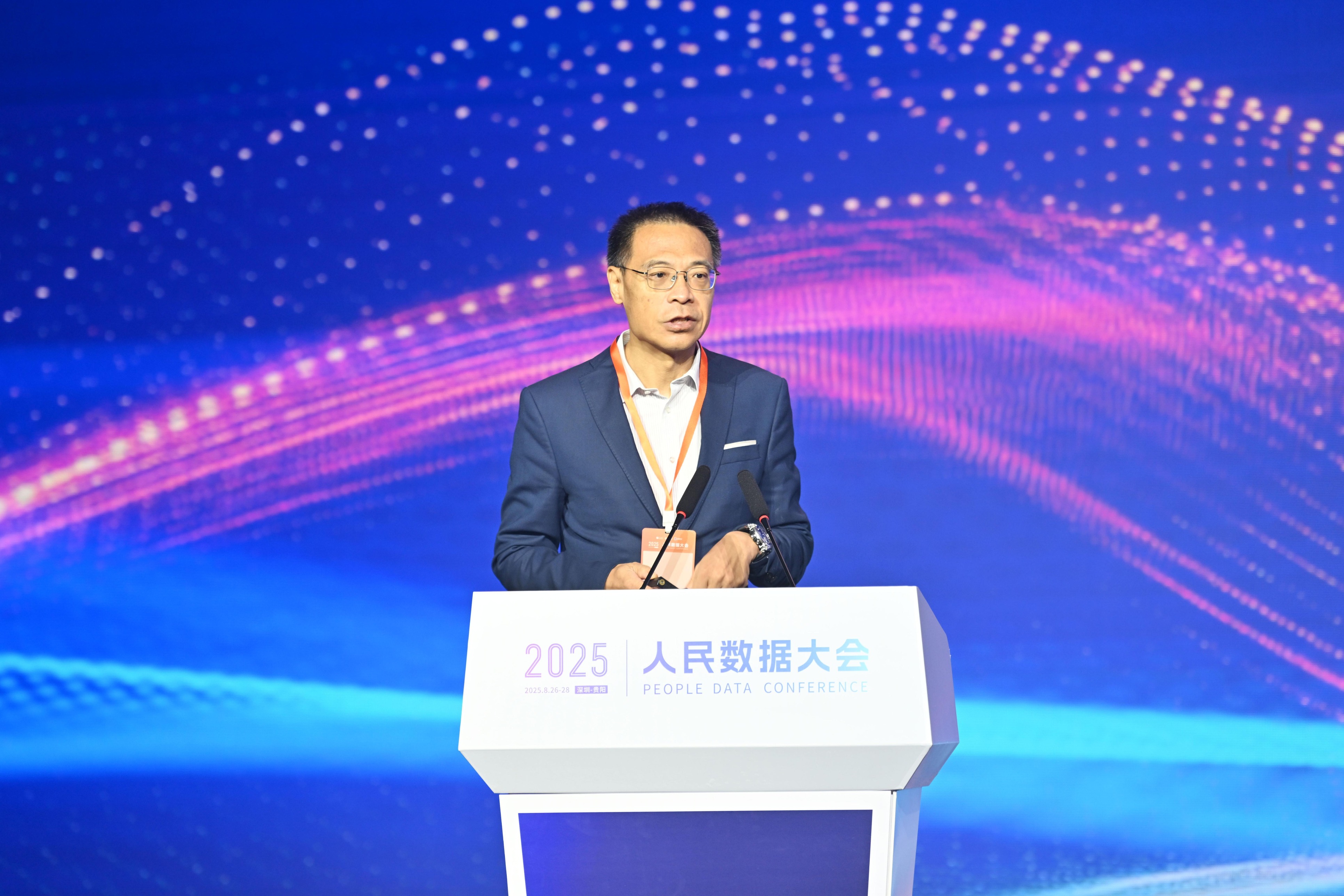
丁涛:聚焦业务场景 以数据驱动企业发展
Ren Min Wang· 2025-08-27 01:49
Core Insights - The rapid advancement of digital technology is driving the development of the data industry, with an increasing number of companies emerging to explore data value [1][3] - Data is becoming an essential internal demand for enterprises, necessitating a shift towards data-driven management to enhance the efficiency of industrial chains [3][4] - There is a growing consensus across various sectors on the importance of activating data value, with nearly 500 digital technology companies established by central enterprises and about 66% of industry leaders having purchased data [3][4] Group 1 - The National Energy Investment Group is leveraging data to empower the entire industrial chain, focusing on coal, electricity, transportation, and chemicals to achieve high-quality intelligent development [3][4] - The company is developing industry-specific large models, such as the "Qingyuan" model for the power generation sector, which covers critical business areas like safety, environmental protection, and equipment maintenance [4] - The group is also utilizing high-quality data to support typical applications, including coal quality testing, energy meteorology integration, and smart chemical processes, aiming to create a new blueprint for data application [4]
盈利!KeepCEO王宁:2026年AIARR有望突破2亿元
Qi Lu Wan Bao· 2025-08-26 10:20
Core Insights - Keep reported a revenue of 822 million RMB for the first half of 2025, with an adjusted net profit of 10.35 million RMB and a gross profit of 429 million RMB, resulting in a gross margin increase from 46.0% to 52.2% compared to the same period last year [1] - The average monthly active users and average monthly subscription members for the first half of 2025 were 22.49 million and 2.8 million respectively, with a membership penetration rate of 12.4%, up from 11.1% in 2024 [1] - The average revenue per monthly active user increased to 6.1 RMB in the first half of 2025, showing significant growth [1] Financial Performance - The company underwent a strategic transformation from a content-driven platform to an AI-enabled, data-driven fitness intelligence service in the first half of 2025 [1] - CEO Wang Ning explained that the revenue contraction was largely due to a strategic decision to optimize product categories and channels, focusing on high-potential categories like equipment, apparel, and wearables while reducing low-margin businesses [2] - As of July 2025, Keep's AI daily active users exceeded 150,000, with the AI diet tracking feature showing a 50% next-day retention rate and an overall app daily active user retention rate of 79% [2] Future Projections - The company anticipates that AI daily active users could reach over 1 million by the end of 2025, with AI revenue surpassing 1 million RMB to date [2] - Keep forecasts that AI Annual Recurring Revenue (AIARR) could exceed 200 million RMB in 2026 [2]
Keep CEO王宁:2026年AI年化收入有望突破2亿元
Xin Lang Ke Ji· 2025-08-26 03:01
Core Insights - Keep reported a revenue of 822 million RMB for the first half of 2025, with an adjusted net profit of 10.35 million RMB and a gross profit of 429 million RMB, resulting in a gross margin increase from 46.0% to 52.2% compared to the same period last year [1] - The average monthly active users and average monthly subscription members for the first half of 2025 were 22.49 million and 2.8 million respectively, with a membership penetration rate of 12.4%, up from 11.1% in 2024 [1] - The company is undergoing a strategic transformation from a content-driven platform to an AI-enabled, data-driven fitness intelligence service, with significant progress in deploying AI infrastructure and restructuring core tools into AI coaching services [1] Financial Performance - Revenue for the first half of 2025 was 822 million RMB, with a gross profit of 429 million RMB and a gross margin of 52.2% [1] - The adjusted net profit was 10.35 million RMB, indicating a focus on profitability despite revenue contraction [1] User Metrics - Average monthly active users reached 22.49 million, while average monthly subscription members were 2.8 million, reflecting a growing user base [1] - The average revenue per monthly active user increased to 6.1 RMB in the first half of 2025 [1] Strategic Initiatives - The CEO explained that revenue contraction was due to a strategic decision to optimize product categories and channels, focusing on high-potential categories like equipment, apparel, and wearables while reducing low-margin businesses [1] - The company views this strategic shift as a quality improvement phase, setting the stage for future growth [1] AI Development - As of July 2025, Keep's AI core daily active users exceeded 150,000, with a significant retention rate for the AI diet tracking feature [2] - The company anticipates that AI daily active users could exceed 1 million by the end of the year, with AI revenue already surpassing 1 million RMB [2] - Projections indicate that AI annual recurring revenue (ARR) could exceed 200 million RMB by 2026 [2]

Keep今年上半年实现盈利,CEO王宁:2026年AI ARR有望突破2亿元
IPO早知道· 2025-08-26 01:06
Core Viewpoint - Keep is transitioning from a content-driven platform to an AI-enabled, data-driven smart fitness service, aiming for significant growth in user engagement and revenue through strategic optimization and AI integration [2][3]. Financial Performance - In the first half of 2025, Keep reported revenue of 822 million RMB, with an adjusted net profit of 10.35 million RMB and a gross profit of 429 million RMB, resulting in a gross margin increase from 46.0% to 52.2% compared to the same period last year [2]. - The company is experiencing a revenue contraction due to a strategic decision to optimize its product categories and focus on higher-margin businesses, particularly moving away from low-margin operations [2]. Strategic Developments - Keep has successfully deployed an AI infrastructure to restructure its core tools and functionalities into AI coaching services, marking a significant step in its strategic transformation [2]. - As of July 2025, Keep's AI core daily active users exceeded 150,000, with expectations to reach over 1 million by the end of the year [3]. - The AI dietary recording feature has shown strong user retention, with a next-day retention rate of 50% and an overall app daily active user retention rate of 79% [3]. Future Projections - Keep anticipates that its AI annual recurring revenue (ARR) could exceed 200 million RMB by 2026, indicating strong growth potential in its AI-driven services [3].

盈利!Keep CEO王宁:2026年AI ARR有望突破2亿元
Sou Hu Cai Jing· 2025-08-25 14:13
Core Insights - Keep reported a revenue of 822 million RMB for the first half of 2025, with an adjusted net profit of 10.35 million RMB and a gross profit of 429 million RMB, resulting in a gross margin increase from 46.0% to 52.2% compared to the same period last year [1] - The average monthly active users and average monthly subscription members reached 22.49 million and 2.8 million respectively, with a membership penetration rate of 12.4%, up from 11.1% in 2024 [1] - The company is undergoing a strategic transformation from a content-driven platform to an AI-enabled, data-driven fitness intelligence service, with significant progress in deploying AI infrastructure [1] Revenue and Strategic Changes - The revenue contraction is attributed to a strategic decision to optimize product categories and channels, focusing on high-potential categories like equipment, apparel, and wearables while reducing low-margin businesses [2] - CEO Wang Ning described this as a quality-driven adjustment, positioning it as a foundation for future growth [2] AI Development and User Engagement - As of July 2025, KeepAI had over 150,000 daily active users, with the AI diet tracking feature showing strong retention, covering one-third of AI conversation users and achieving a next-day retention rate of 50% [2] - The daily active users for KeepAI are projected to reach over 1 million by the end of the year, with current AI revenue exceeding 1 million RMB and a forecasted annual recurring revenue (ARR) of over 200 million RMB by 2026 [2]
企业手握竞争力“法宝”闯出市场新蓝海 纺织行业向“数据驱动”转型“加速跑”
Yang Shi Wang· 2025-08-19 07:24
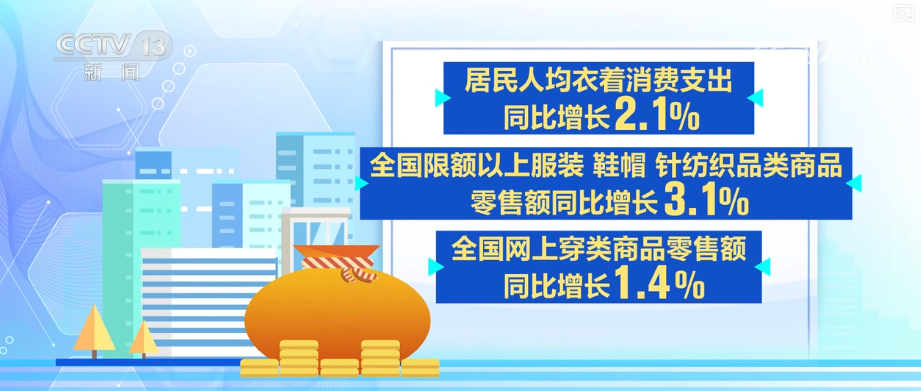
Group 1 - The textile industry in China is experiencing steady production growth, a continuous recovery in consumption, and resilient exports driven by digitalization by the first half of 2025 [2] - The industrial added value of large-scale textile enterprises increased by 3.1% year-on-year, while per capita clothing consumption expenditure rose by 2.1% [3] - Fixed asset investments in the textile, apparel, and chemical fiber industries grew by 15.1%, 27%, and 10.6% respectively [5] Group 2 - The apparel industry is undergoing rapid upgrades in response to changing consumer shopping habits, with functional clothing becoming a key consideration [7] - New product designs such as modular clothing and "three-in-one" jackets are emerging as competitive advantages for garment manufacturers [11] - Sales of functional clothing exceeded half of total sales in the first half of 2025, reflecting a shift from seasonal production to demand-driven sales [13] Group 3 - The upgrade in market demand is driving industry innovation, which in turn supports stable growth in domestic consumption [18] - The textile industry is transitioning from experience-driven to data-driven operations, with new materials and products continuously emerging [19] - The application of new technologies like 3D virtual sampling is revolutionizing traditional garment development processes [20] Group 4 - The key process CNC rate in major textile enterprises reached 63.7%, and the digital design tool penetration rate was 82.3% [23] - The industry is facing challenges such as an incomplete standard system and insufficient green development [25][27] - The green low-carbon development has become a consensus in the industry, with a focus on sustainable materials and green production processes [29][31] Group 5 - The textile industry is pushing for a comprehensive green transformation across the entire supply chain, from sustainable raw materials to biodegradable packaging [31] - The integration of textile technology with emerging technologies is seen as a crucial pathway for industry transformation [33] - The industry is working on establishing a more advanced and international standard system to enhance competitiveness [36]
2025年中国食品零售行业数字化研究报告
艾瑞咨询· 2025-08-17 00:04
Core Insights - The food retail industry is experiencing a shift towards digitalization, driven by the inefficiencies and high losses of traditional retail formats, leading to a focus on specialized food categories and accelerating the chain process in food retail [1][6][9] - The overall digitalization level in the food retail sector is low, and the increase in chain rates will promote digital transformation, focusing on efficiency upgrades and experience reconstruction [1][9] - The digital reconstruction of the food retail industry is based on the concept of "people-goods-scene," with the cash register system serving as a key data touchpoint, alongside supply chain management and omnichannel operation systems [1][12] Digitalization Demand Background - The food retail industry has a low level of digitalization, primarily characterized by decentralized community stores and family-run shops, but is entering an accelerated phase of digital transformation due to the rise of new business formats [9] - Digitalization can integrate the supply chain, optimize procurement costs, and enhance management efficiency while reducing inventory waste [9] - The transformation will focus on improving supply chain management efficiency and reconstructing consumer experience through omnichannel operations [9] Evolution of Food Retail Formats - The transition from traditional supermarkets to specialized new formats is accelerating, with the emergence of brand snack chains, community fresh supermarkets, and other vertical formats [6] - Focusing on specific categories allows startups to quickly establish brand recognition and reduce SKU complexity, leading to lower operational costs [6] - New formats optimize supply chain efficiency by reducing intermediaries and adopting direct sourcing methods [6] Digitalization Framework - The core of food retail digitalization lies in reconstructing the collaborative relationship between people, goods, and scenes [12] - The digitalization of "people" focuses on consumer-centric omnichannel systems, while "goods" emphasizes transparent and controllable supply chain management [12] - The cash register system acts as a critical data hub, forming a "iron triangle" with supply chain management and omnichannel operation systems [12] Cash Register System Insights - The cash register system enhances operational efficiency through integrated payment, inventory management, and dynamic promotions, serving as a data hub for the food retail industry [19] - Different food categories require tailored cash register systems to meet their unique sales and promotional needs [19] - The competitive landscape shows that LeMon holds a leading market share of 38.9%, with a CR3 of 82.0% in the food retail cash register system market [21] Supply Chain Management System Insights - The supply chain management (SCM) system connects production and sales, maintaining supplier relationships and managing logistics [26] - It enhances efficiency through demand forecasting, cost control via supplier collaboration, and risk mitigation through real-time tracking [26] - The competitive landscape includes traditional ERP, comprehensive supply chain, and retail digitalization vendors, each with distinct strategies [29] Omnichannel Operation System Insights - The omnichannel operation system integrates online and offline data flows, creating a unified customer experience and enhancing marketing strategies [33] - It focuses on data accumulation, customer engagement, and operational analysis to drive business decisions [33] - The competitive landscape includes traditional ERP, marketing cloud vendors, and retail digitalization firms, all aiming to optimize their offerings [35] Future Market Outlook - The food retail market is substantial, with the GMV expected to exceed 7 trillion yuan in 2024 and grow to 8.7 trillion yuan by 2029 [38] - Growth drivers include the expansion of lower-tier markets and the rise of instant retail models, emphasizing the importance of digitalization as a competitive factor [38] - Companies that can leverage digitalization will have significant growth opportunities in the evolving market landscape [38] Digitalization Trends - The food retail digitalization vendors are building a technology ecosystem based on cloud-native architecture, data-driven approaches, and intelligent applications [45] - The integration of AI technologies into supply chain management and user operations is expected to enhance decision-making and operational efficiency [45]