
消费金融

Search documents
国务院常务会议提出“增强供需适配性”,提振消费释放新信号
Xin Jing Bao· 2025-11-19 10:58
Core Insights - The State Council's recent meeting emphasized enhancing the adaptability of supply and demand to stimulate consumption, signaling a strategic shift towards innovation and technology integration in key industries [1][2][3] Group 1: Supply and Demand Adaptability - The concept of supply and demand adaptability aims to improve the match between supply and demand, addressing issues of excess low-end supply and insufficient high-quality supply, thereby facilitating economic circulation and unlocking consumption potential [2][3] - The meeting outlined key paths to solve supply-demand adaptability, including accelerating the application of new technologies and models, focusing on developing new products and value-added services in key industries, and expanding new consumption increments [1][3] Group 2: Consumer Trends and Market Dynamics - There is a notable shift in consumer behavior from quantity to quality, with increasing demand for diversified, personalized, and high-quality products, indicating a need for industry and consumption upgrades to create a virtuous cycle between supply and demand [2][4] - The meeting highlighted the importance of fostering new consumption scenarios and business models, enhancing consumer financial products and services, and creating a favorable consumption environment [3][4] Group 3: Policy and Structural Reforms - The government is implementing policies to boost consumption, including promoting income growth and reducing burdens on residents, which are expected to enhance consumer confidence and spending [4][5] - Experts suggest that the potential of a large-scale market as a "demand engine" relies on effectively addressing the issue of "income-supported consumption demand," advocating for reforms in income distribution to strengthen the middle-income group [5]
多部门印发实施方案 支持北京提振和扩大消费 积极开展汽车贷款业务 引导社会资本加大对服务消费重点领域投资
Zhong Guo Zheng Quan Bao· 2025-11-19 00:14
Core Insights - The People's Bank of China Beijing Branch, along with 12 other departments, issued an implementation plan to support the expansion of consumption in Beijing, aiming to enhance financial services in the consumption sector by 2030 [1][2] Group 1: Financial Support for Consumption - The implementation plan emphasizes the need for quality enterprises in the consumption industry to finance through public offerings and "New Third Board" listings [1] - It aims to increase the loan balance for sectors such as accommodation, catering, cultural tourism, education, and elderly services, while enhancing the quality and efficiency of personal consumption financial services [1] - The plan sets a goal to establish a diversified consumption financial service system to support Beijing's development as an international consumption center [1] Group 2: Credit Support and Financial Products - The plan calls for increased credit support for consumer goods, particularly in the automotive sector, by optimizing loan issuance ratios, terms, and interest rates [2] - Financial institutions are encouraged to innovate financial products tailored to various car purchasing scenarios, including first-time purchases and trade-ins, with a focus on electric vehicles [2] - There is a push for financial institutions to meet consumer demand in areas like home appliances, green smart home renovations, and electronics through various promotional activities [2] Group 3: Equity Financing and Investment - The plan supports equity financing for quality enterprises in the consumption industry through public listings and private equity investments [2] - It encourages social capital to invest in key service consumption areas, utilizing "long-term capital" and "patient capital" to meet the financing needs of long-cycle consumption industries [2] - The role of private equity and venture capital funds is highlighted to increase investments in seed and early-stage enterprises [2]
加快服务消费扩容提质
Sou Hu Cai Jing· 2025-11-18 23:09
Core Insights - The service consumption market in China is expanding steadily, with a projected annual growth rate of 9.6% from 2020 to 2024, driven by policies aimed at boosting consumption and domestic demand [1][2][3] Group 1: Importance of Expanding Service Consumption - Service consumption is crucial for improving livelihoods and represents a significant direction for consumption transformation and upgrading [2][3] - The shift from goods to service consumption is evident, with service consumption emphasizing emotional and experiential satisfaction, which supports continuous upgrades and repeat purchases [2][3] - By 2024, the proportion of per capita service consumption expenditure is expected to reach 46.1% of total per capita consumption expenditure, indicating a growing role of service consumption in driving economic growth [2][3] Group 2: Employment and Quality of Life - Expanding service consumption is essential for stabilizing employment and improving living standards, as the service sector is labor-intensive and can create numerous job opportunities [3][4] - The growth in service consumption reflects a shift from material to spiritual consumption, enhancing overall well-being and quality of life for residents [3][4] - The number of domestic tourists is projected to increase from 3.262 billion in 2013 to 5.615 billion by 2024, showcasing the booming tourism market and its potential for consumption [3][4] Group 3: Economic Foundations for Service Consumption - China's stable economic growth provides a solid foundation for expanding service consumption, with the service sector becoming the largest industry in the national economy [4][5] - By 2024, the service sector's contribution to GDP is expected to reach 56.7%, indicating significant room for growth compared to developed countries where this figure is typically between 70% and 80% [4][5] - Rising income levels, with per capita GDP projected to reach 95,749 yuan in 2024, will further drive service consumption growth [4][5] Group 4: Demographic Changes and Market Potential - By the end of 2024, China's population is expected to reach 1.408 billion, with a notable increase in the elderly population, creating new demands for services such as home care and health management [5][6] - The urbanization rate is projected to reach 67% by 2024, providing additional opportunities for service consumption growth as more rural residents transition to urban living [5][6] Group 5: Policy Measures and Support for Service Consumption - The Chinese government has implemented various policies to support the expansion of service consumption, including the issuance of guidelines for high-quality service consumption development [6][7] - Recent measures include optimizing service supply and enhancing consumer capacity through targeted policies and local initiatives [6][7] Group 6: Digital Services and New Consumption Trends - The digital economy is transforming service consumption, with digital technologies driving innovation in service delivery and creating new consumption scenarios [11][12] - By 2024, the scale of digital consumption is expected to reach 23.8 trillion yuan, accounting for 44.2% of total consumption [11][12] - The emergence of new consumer groups with a preference for personalized and experiential services is further stimulating the growth of digital service consumption [12][13] Group 7: Financial Support for Service Consumption - Financial institutions are increasingly focusing on supporting service consumption through tailored financial products and services [17][18] - The People's Bank of China has established a 500 billion yuan fund to guide financial institutions in increasing credit to key service sectors [18][19] - The introduction of consumer finance services has been shown to significantly boost consumer spending, with estimates indicating a 16% to 30% increase in spending among borrowers [19][20]
北京提振扩大消费迎政策利好 支持产业链优质企业上市融资
Zheng Quan Shi Bao· 2025-11-18 22:26
Core Insights - The People's Bank of China and 12 other departments have issued a plan to enhance and expand consumption in Beijing, aiming to establish a diversified consumer finance service system by 2030, which will support the city's development as an international consumption center [1][2] Group 1: Consumer Finance Support - The plan emphasizes increasing credit support for commodity consumption, particularly benefiting large purchases like automobiles and home appliances, with measures such as reasonable loan issuance ratios, terms, and interest rates [1] - For automotive consumption, the policy includes waiving penalties for early loan settlements during trade-in processes and encourages financial institutions to innovate products for various purchasing scenarios, especially for new energy vehicles [1] - In the home appliance and smart home sectors, consumers will benefit from favorable rates on consumer loans and credit card installments, with financial institutions participating in promotional activities to reduce costs for consumers [1] Group 2: Cultural, Tourism, and Sports Consumption - The plan supports financial institutions in developing innovative financial products around cultural, tourism, and sports consumption, leveraging Beijing's "Double Olympic City" advantage [2] - It encourages diverse promotional activities such as discounts, credit card point redemptions, and cash-back offers in collaboration with restaurants and tourism businesses [2] - The establishment of unique cultural tourism and dining districts in key areas of the city is also supported to enhance consumer experiences [2] Group 3: Employment and Entrepreneurship Support - The plan aims to bolster employment as a foundation for consumption growth by providing interest subsidies for first-time loans to small and micro enterprises, particularly those with strong employment capabilities [2] - It includes the implementation of guaranteed loans for entrepreneurship and seeks to secure central government funding to support eligible individuals and businesses [2] Group 4: Financial Supply-Side Reform - The plan outlines a multi-faceted financing system combining credit, bonds, and equity to support the consumer industry [3] - It encourages quality enterprises in the consumption industry to raise funds through public listings and private equity investments, particularly targeting seed and early-stage companies [3] - Financial institutions are urged to collaborate with social and live e-commerce platforms to meet the financing needs of merchants and consumers [3]
消费金融正当时 激活古城新脉动
Sou Hu Cai Jing· 2025-11-18 13:17
Group 1: Economic and Financial Initiatives - The article highlights the importance of consumer spending as a key driver for economic growth and a long-term strategy for transforming economic development in Shaoxing [1][6] - Construction Bank's Shaoxing branch has established a comprehensive consumer finance infrastructure, integrating credit and payment services into various consumption scenarios to stimulate market potential [1][6] - The bank has actively participated in local government initiatives, such as the "old-for-new" consumption policy, which has led to the opening of over 200 accounts for national subsidy funds, amounting to over 1 billion yuan [6] Group 2: Support for Local Businesses - The bank has provided financial support to local food enterprises, such as Zhejiang Fengxi Food Co., which received a "Double Guarantee Loan" to expand its production capacity [2][3] - Construction Bank has also assisted agricultural businesses by offering credit loans based on stable orders and good credit records, addressing the lack of collateral issues faced by farmers [3][4] - The bank's initiatives have helped local farmers and businesses increase their market reach and sales, contributing to rural revitalization efforts [4][5] Group 3: Consumer Engagement and Community Activities - The bank has launched various consumer engagement activities, including issuing government consumption vouchers that have significantly boosted local business traffic and sales [10][12] - The "Jianhang Life" app has been instrumental in facilitating consumer interactions and promoting local businesses, leading to a notable increase in customer footfall [10][12] - The bank has organized events to promote local agricultural products, enhancing the visibility and sales of local farmers' goods [4][12] Group 4: Financial Services for Specific Demographics - The bank has developed specialized financial services for the elderly, including personal pension accounts and customized insurance products, to meet the unique needs of this demographic [7][9] - Construction Bank has also focused on enhancing financial literacy among consumers, providing education on financial safety and fraud prevention during community events [9][10] - The establishment of a dedicated financial service network for the elderly reflects the bank's commitment to supporting this growing segment of the population [7][9]

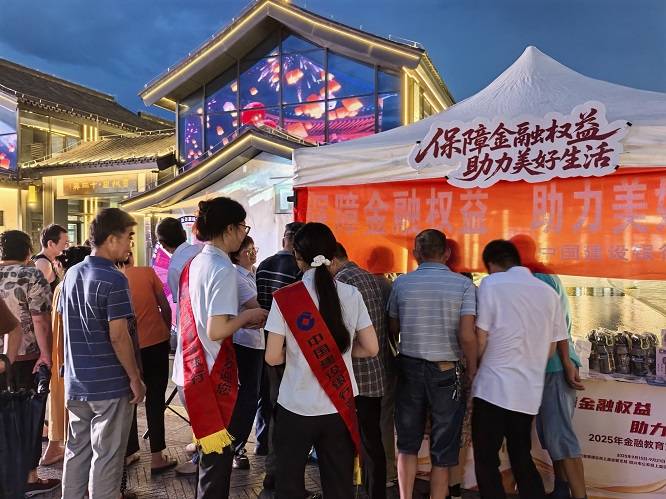
行业观察 | 以小切口撬动大增长,万亿消费新蓝海中的建行实践
Sou Hu Cai Jing· 2025-11-18 11:44
Group 1 - The core viewpoint of the articles emphasizes the transformation of consumer behavior in China, shifting from demand-driven to supply-driven innovation, highlighting the importance of emotional consumption in driving market growth [3][4][11] - The latest data indicates that China's total retail sales of consumer goods reached 36.59 trillion yuan in the first three quarters of this year, with a year-on-year growth of 4.5%, and the annual total is expected to exceed 50 trillion yuan [2][3] - The concept of "emotional consumption" is emerging as a significant trend, with younger generations (post-90s and post-00s) leading this shift towards experiences that provide emotional satisfaction [5][6][11] Group 2 - China Construction Bank (CCB) is actively participating in the "expanding domestic demand and promoting consumption" initiative by providing tailored financial services to stimulate consumption growth [4][10][11] - CCB has introduced various financial products, such as "homestay loans" and "agricultural commercial loans," to support local businesses and enhance their operational capabilities [10][11] - The bank's innovative approach includes the "Financial Deputy Village Head" mechanism, which connects villagers with financial services, demonstrating a commitment to community development [10][11] Group 3 - The "Su Xin Consumption" platform in Jiangsu province exemplifies CCB's efforts to facilitate consumer access to subsidies and streamline the purchasing process, enhancing the overall consumer experience [12][14][15] - By integrating multiple payment methods and subsidy channels, the platform has significantly improved user convenience and engagement, leading to increased consumer spending [14][15] - CCB's initiatives have resulted in substantial economic impacts, with Jiangsu province's retail sales reaching 34,788.3 billion yuan in the first three quarters, reflecting a year-on-year growth of 4.2% [16][18] Group 4 - CCB's focus on creating a sustainable value ecosystem through its platforms allows for better engagement with diverse consumer needs, positioning the bank as a key player in the financial landscape [18][23] - The bank's commitment to enhancing consumer experiences and supporting local businesses has led to significant growth in personal consumption loans, with a balance of 6,527 billion yuan and an increase of nearly 1,250 billion yuan this year [22][24] - The collaborative model involving government, banks, and businesses has effectively activated consumer spending, demonstrating the multiplier effect of policy initiatives [16][23]


刚刚!利好,来了!
中国基金报· 2025-11-18 11:12
Core Viewpoint - The article discusses the implementation plan by the People's Bank of China and 12 other departments to boost and expand consumption in Beijing, aiming for significant improvements in financial services for various sectors by 2030 [1][18]. Group 1: Overall Goals - The plan aims to enhance financial service levels in Beijing's consumption sectors, including accommodation, dining, cultural tourism, education, and elder care, with a focus on increasing loan balances and credit investments [2][19]. Group 2: Financial Support for Key Areas - Increased credit support for consumer goods, particularly in automotive loans, with measures to reduce penalties for early loan settlements during trade-ins [3][20]. - Enhanced financial backing for the purchase of new energy vehicles and other consumer goods, encouraging financial institutions to participate in promotional activities [4][5][20]. - Promotion of cultural, tourism, and sports consumption by leveraging Beijing's status as a cultural center, with innovative financing models for events and activities [6][20]. - Development of financial services for the accommodation and dining sectors, supporting the creation of unique cultural and culinary brands [7][21]. - Support for the growth of domestic services like housekeeping and elder care, with financial solutions tailored to meet the needs of service providers [8][22]. Group 3: Infrastructure and Employment Support - Support for the construction of consumer infrastructure and trade circulation systems, optimizing financial products for major projects [9][22]. - Continued financial support for small and micro enterprises in Beijing, including interest subsidies for first-time loans [11][24]. - Initiatives to enhance financial services for the elderly, including specialized banking products and payment solutions [12][24]. - Improvement of services for foreign visitors, focusing on payment solutions in key commercial areas [13][24]. Group 4: Financial Institution Engagement - Encouragement for financial institutions to provide differentiated and convenient services in the consumer sector, enhancing risk management capabilities [14][25]. - Support for bond market financing for cultural, tourism, and educational enterprises, promoting the issuance of bonds to enhance funding [15][26]. - Promotion of equity financing for quality enterprises in the consumer industry through various market mechanisms [16][26]. Group 5: Policy Coordination and Consumer Environment - Strengthening monetary policy to incentivize financial institutions to increase credit in key consumption sectors [27][30]. - Implementation of fiscal policies to lower consumer credit costs and support service sector financing [27][30]. - Development of insurance products tailored to the needs of the elderly and other specific groups, enhancing financial security [28][30]. - Continuous improvement of the payment environment to facilitate consumption, including the promotion of digital currency [29][30]. Group 6: Organizational Support - Emphasis on coordination among financial departments and other relevant authorities to ensure effective implementation of the consumption support plan [30][31]. - Encouragement for financial institutions to promote their consumption-related policies and products to increase awareness and access [32][31].

新华财经晚报:日本新米交易价格再创新高 每60公斤糙米比9月上涨163日元
Xin Hua Cai Jing· 2025-11-18 09:56
·外交部发言人毛宁11月18日表示,中日关系出现目前局面,根源在于日本首相高市早苗公然发表涉台 错误言论,粗暴干涉中国内政。日方必须立即收回错误言论,深刻反省,改弦更张,给中国人民一个明 确的交代。 【重点关注】 ·国家发展改革委:渝黔等5项电力互济工程获核准总投资达244亿元 ·北京:加大对汽车特别是新能源汽车消费的金融支持力度 ·外交部:日方必须立即收回错误言论,给中国人民一个明确的交代 ·日本新米交易价格再创新高每60公斤糙米比9月上涨163日元 【国内要闻】 ·记者11月18日从国家邮政局获悉,前10个月,我国邮政行业寄递业务量累计完成1772.5亿件,同比增长 14%。其中,快递业务量累计完成1626.8亿件,同比增长16.1%。 ·中国工商银行土耳其人民币清算行11月17日在伊斯坦布尔举行开业仪式,标志着土耳其人民币清算行 业务正式启动。此举将助力双边经贸与金融协作升级,促进两国贸易投资便利化。 ·外交部亚洲司司长刘劲松18日上午在北京同日本外务省亚洲大洋洲局局长金井正彰举行磋商。外交部 发言人毛宁在当日例行记者会上介绍有关情况。毛宁表示,在磋商中,中方就日本首相高市早苗涉华错 误言论再次向日方提 ...
央行北京分行等12部门,最新发布!
券商中国· 2025-11-18 08:28
Core Viewpoint - The article outlines a comprehensive plan to enhance financial support for consumption in Beijing, aiming to boost various sectors such as accommodation, dining, cultural tourism, education, and elder care, in alignment with national policies and local government directives [1][2]. Group 1: Overall Goals - The plan aims to improve financial service levels in Beijing's consumption sector by 2030, with a focus on increasing loan balances and credit investments in key areas like accommodation, dining, and elder care [2]. Group 2: Financial Support for Key Areas - Increased credit support for goods consumption, particularly in automotive loans, with incentives for purchasing new and electric vehicles [3]. - Promotion of cultural and sports consumption through innovative financing models and increased credit investment in cultural events and tourism [4]. - Expansion of financial services in the accommodation and dining sectors, supporting local brands and themed events [5]. - Development of financial services for domestic help and elder care, aiming to reduce entry costs for service workers [6]. Group 3: Enhancing Services for Key Groups - Support for employment and income growth through reduced financing costs for small and micro enterprises [6]. - Optimization of financial services for the elderly, including tailored financial products and payment conveniences [7]. - Improvement of consumption services for foreign visitors, enhancing payment options and user experience [8]. Group 4: Enhancing Financial Institution Services - Financial institutions are encouraged to provide differentiated and convenient services, focusing on credit products for service consumption [9]. - Support for bond market financing for cultural, tourism, and educational sectors to enhance credit supply [10]. - Promotion of equity financing for quality enterprises in the consumption industry [10]. Group 5: Policy Coordination and Support - Strengthening monetary policy to encourage financial institutions to increase credit in key consumption sectors [10]. - Implementation of fiscal policies to lower consumer credit costs and support small enterprises [10]. - Development of insurance products tailored to the needs of the elderly and low-income groups [11]. Group 6: Strengthening Basic Financial Services - Continuous improvement of the payment environment to stimulate consumption, including the promotion of digital currency [12]. - Establishment of a rapid dispute resolution mechanism for financial consumer rights protection [13]. Group 7: Organizational Support - Enhanced coordination among financial departments and relevant government agencies to support consumption initiatives [14]. - Promotion of financial policies and products to ensure timely access to information and services for consumers and businesses [14].
建设银行青岛市分行:创造服务价值激活高质量发展新动能
Xin Lang Cai Jing· 2025-11-18 02:23
Core Viewpoint - The financial industry is tasked with a new historical mission to support high-quality development, focusing on enhancing financing accessibility and improving financial product services by 2027 [1] Group 1: Financial Industry Development - The State Council has issued guidelines for the financial sector to achieve significant results in five key areas by 2027, including improving financing accessibility and enhancing the inclusiveness of financial services [1] - Financial institutions are increasingly adopting a "value creation" approach to support high-quality development, integrating their growth with national strategic goals [2] Group 2: Inclusive Finance - The Qingdao branch of the Construction Bank emphasizes serving small and micro enterprises as a core aspect of inclusive finance, utilizing digital technology to enhance credit services [3] - The "Jianhang Huidongni" platform has been developed to provide a comprehensive digital inclusive finance model, streamlining the loan process and addressing the "first loan difficulty" for small businesses [3] - As of August this year, the inclusive finance loan balance at the Qingdao branch reached 35 billion yuan, with an increase of 3.05 billion yuan since the beginning of the year [4] Group 3: Pension Finance - The Qingdao branch is actively implementing national pension finance strategies, focusing on building a comprehensive pension service system to support the aging population [5] - The bank has introduced the "Anxiang" series of financial products designed for the elderly, emphasizing stability and low volatility to alleviate economic burdens [5][6] Group 4: Consumer Finance - The bank is responding to the trend of consumption upgrades by offering diverse and personalized consumer credit products to stimulate market potential [7] - In August, a new fiscal subsidy policy for personal consumer loans was launched, aimed at reducing financing costs for residents and enhancing consumption [8] - The bank has implemented a new online service for personal loans, providing 24/7 access and streamlining the application process for various consumer credit products [8] Group 5: Future Outlook - The Qingdao branch plans to continue its focus on inclusive finance, pension finance, and consumer finance, aiming to enhance service quality and contribute to the development of a modern socialist metropolis [9]