
制度型开放

Search documents
19条举措扩大服务消费,加强财政金融支持
Di Yi Cai Jing· 2025-09-16 11:17
Core Viewpoint - The Chinese government is implementing strong policy support to expand service consumption as a key strategy for boosting domestic demand, with specific measures outlined in the recent policy document [2][3]. Group 1: Policy Measures - The policy document includes 19 specific measures across five areas to enhance service consumption, focusing on financial support, quality service supply, and stimulating new consumption growth [2][3]. - Financial institutions are encouraged to increase credit allocation for service consumption, utilizing various funding channels such as central budget investments and local government bonds [2][6]. Group 2: Service Consumption Growth - Service consumption has become a significant aspect of domestic demand expansion, with service retail sales growing by 5.1% year-on-year from January to August, outpacing the growth of goods retail sales [3]. - The government aims to cultivate new consumption formats and scenarios, promoting innovative service consumption experiences and supporting the development of new consumption leaders [3][4]. Group 3: Supply Optimization - The policy emphasizes the need to open up sectors like telecommunications, healthcare, and education to enhance service supply, attracting foreign investment and private capital [4][8]. - Since 2015, China has expanded its pilot programs for service industry openness, with new cities added to the list of trial areas [4]. Group 4: Financial Support - The People's Bank of China has established a 500 billion yuan fund to support service consumption and elderly care, aiming to enhance the quality of service supply in sectors like hospitality, tourism, and education [7]. - The policy encourages financial institutions to develop tailored financial products for service consumption businesses, addressing their unique financing needs [6][7].
全力冲刺全岛封关运作!海南自贸港政策加紧落地→
Sou Hu Cai Jing· 2025-09-16 10:06
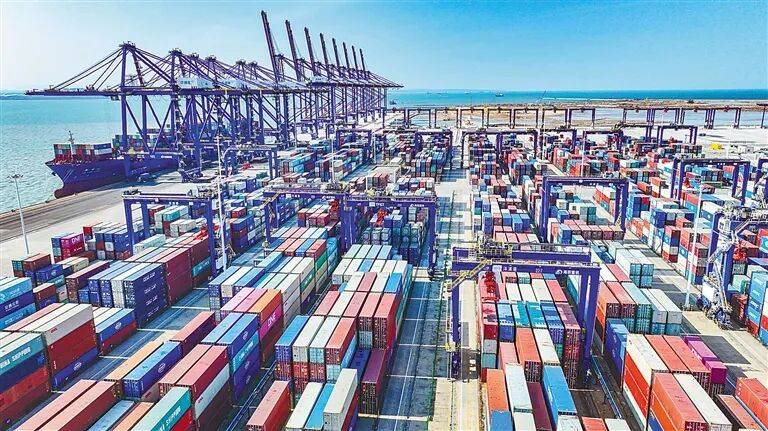
Group 1 - Hainan Free Trade Port is entering the final stage of its full island closure operation, set to officially launch on December 18 this year [1] - The implementation of the free trade port policies is accelerating across various regions and industries in Hainan, with significant progress observed [1] - The Yangpu International Container Terminal is experiencing increased activity, with a focus on container handling and maintenance services [1] Group 2 - The successful completion of the first bonded maintenance service for imported cold chain container parts marks an expansion of Hainan's bonded maintenance policy [2] - The demand for maintenance and inspection services is growing as Yangpu Port enhances its international hub functions and foreign trade routes [2] - Since the release of the Hainan Free Trade Port construction plan in June 2020, various liberalization measures have been implemented, laying a solid foundation for the full closure operation [2] Group 3 - A new special vehicle modification company in Hainan is leveraging the duty-free policy to capture the automotive modification market [3] - The processing and value-added domestic sales duty-free policy will be further optimized post-closure, reducing production costs for enterprises [3] - The attractive policy package includes zero tariffs and tax incentives, encouraging more companies to invest in Hainan [3] Group 4 - A promotional event for private enterprises to participate in the Hainan Free Trade Port construction attracted over 100 companies, resulting in 42 signed projects across various sectors [6] - The Hainan Free Trade Port is seen as a crucial platform for international business, with companies like New Hope Group planning to utilize its financial policies [6] - The arrival of the "Lighthouse Star" cruise ship at Sanya marks a significant milestone in the port's operations, showcasing streamlined customs processes [6] Group 5 - The full island closure operation signifies a new phase in the construction of Hainan Free Trade Port, with a focus on policy implementation and attracting quality investments [6]

高培勇:发展服务贸易的着重点着力点是大力营造一流营商环境
Sou Hu Cai Jing· 2025-09-16 05:58
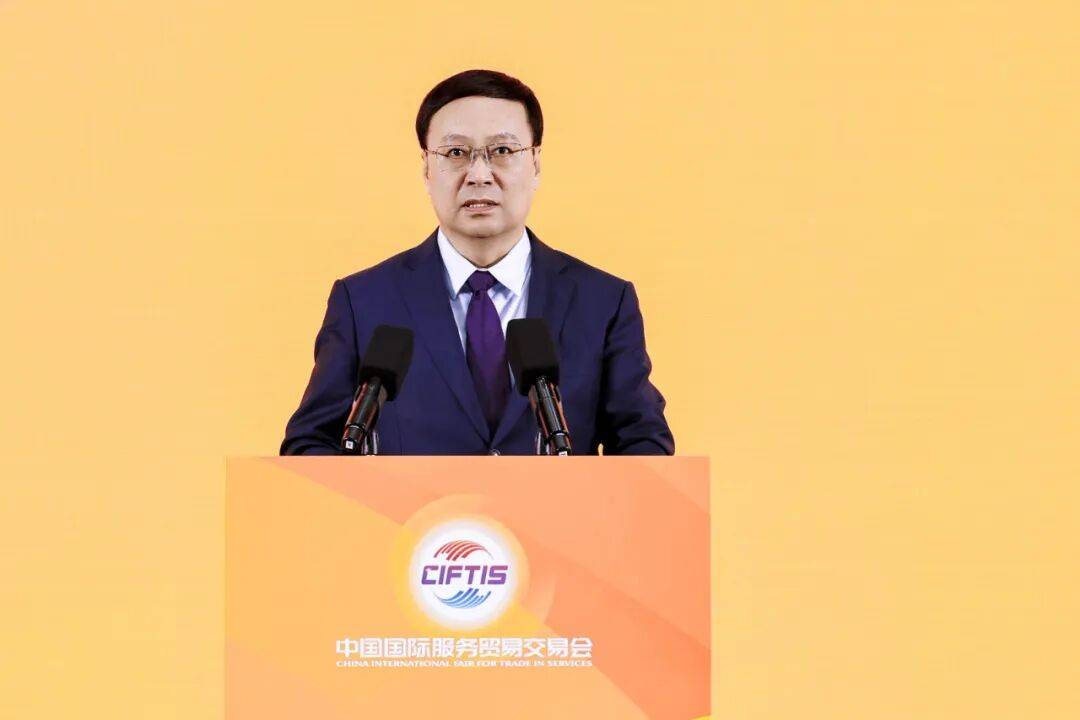
Core Viewpoint - The development of service trade in China is crucial for economic growth and requires a focus on creating a first-class business environment [1][3]. Group 1: Importance of Service Trade - Service trade is an essential engine for driving China's economic growth, indicating that economic development cannot be separated from the support of service trade [1][3]. - The current stage of China's economic development necessitates a push for institutional openness to promote service trade [1][3]. Group 2: Creating a First-Class Business Environment - The emphasis on creating a first-class business environment aligns with the goal of establishing a high-level socialist market economy [3][4]. - The creation of a first-class business environment is linked to internationalization and institutional openness, requiring alignment with international practices and standards [3][4]. Group 3: Specific Measures for Institutional Openness - The establishment of a first-class business environment should reference international best practices and standards [4]. - Key areas for improvement include property rights protection, industrial subsidies, environmental standards, labor protection, government procurement, e-commerce, and finance [4]. - The evaluation of the business environment should be guided by the satisfaction of various business entities, ensuring their voices and opinions are heard [4].
自贸试验区引外资 政策打好“提前量”
Sou Hu Cai Jing· 2025-09-16 03:21
Core Viewpoint - The Beijing Free Trade Zone is implementing innovative policies to attract foreign investment and align with international trade standards, focusing on sectors like information technology, health, and digital economy [1][2]. Group 1: Policy Innovations - The Beijing Free Trade Zone has introduced over 30 pilot measures to facilitate trade, including expedited customs processes and relaxed regulations for certain goods [2]. - Specific measures include allowing temporary importation of goods, rapid customs clearance for air freight within 6 hours, and leniency in origin certificate errors [2]. Group 2: Foreign Investment and Business Development - The zone has enabled foreign investment in advanced sectors such as stem cell research and gene diagnostics, as per a notification from the Ministry of Commerce and the National Health Commission [2]. - The establishment of the first foreign-owned securities firm and increased investment from global hedge funds indicate a positive response to the new policies [3]. Group 3: Economic Impact - The actual foreign investment in the Beijing Free Trade Zone has increased from less than 10% to nearly 30% of the city's total since its inception [3]. - A joint meeting mechanism for the Beijing-Tianjin-Hebei Free Trade Zone has been established, promoting policy sharing and streamlined government services [3].
经济学家黄奇帆包头开讲:以新质生产力重塑中国区域经济新版图
Sou Hu Cai Jing· 2025-09-15 05:47
Core Viewpoint - The "2025 Entrepreneurial Conference" in Baotou emphasizes the importance of "new quality productivity" as a key principle for modern development in China, aiming to reshape the regional economic landscape and invigorate old industrial bases [1][3]. Group 1: New Quality Productivity - Huang Qifan highlights that "new quality productivity" is not about eliminating the traditional but rather revitalizing it at a higher dimension, thus transforming the concept of "high-quality development" into a tangible path for progress [3]. - The integration of "new quality productivity" with Baotou's industrial strengths positions the city as a strategic pivot rather than just a resource supplier, creating a powerful magnet for capital, technology, and talent [5]. Group 2: Systemic Restructuring - Huang uses the metaphor of "chemical bonds" to describe the explosive potential of resource restructuring across industrial, capital, and supply chains, indicating that those who achieve systematic restructuring first will gain an advantage in the new international division of labor [4]. - The conference serves as a platform for real-time interaction among government, enterprises, finance, and academia, fostering a collaborative environment for policy and market signals [7]. Group 3: Open Narrative and Regional Development - Huang suggests that inland cities can become hubs of institutional openness by identifying the right regulatory interfaces, transforming geographical disadvantages into strategic advantages [6]. - The event illustrates the potential for the central and western regions of China to engage in a new open economic framework, promoting a dual circulation model that connects land and sea [6]. Group 4: Ecological Consensus - The conference promotes a shared understanding between effective markets and proactive government, emphasizing the importance of co-building standards, sharing data, and co-developing scenarios to enhance innovation vitality in China [7]. - Huang's visit to Baotou symbolizes a convergence of tradition and modernity, showcasing how continuous ideological liberation and activation of resources can turn old industrial areas into new growth poles for the Chinese economy [7].

开放江苏,为何活力十足?| 活力中国调研行
Sou Hu Cai Jing· 2025-09-15 04:42
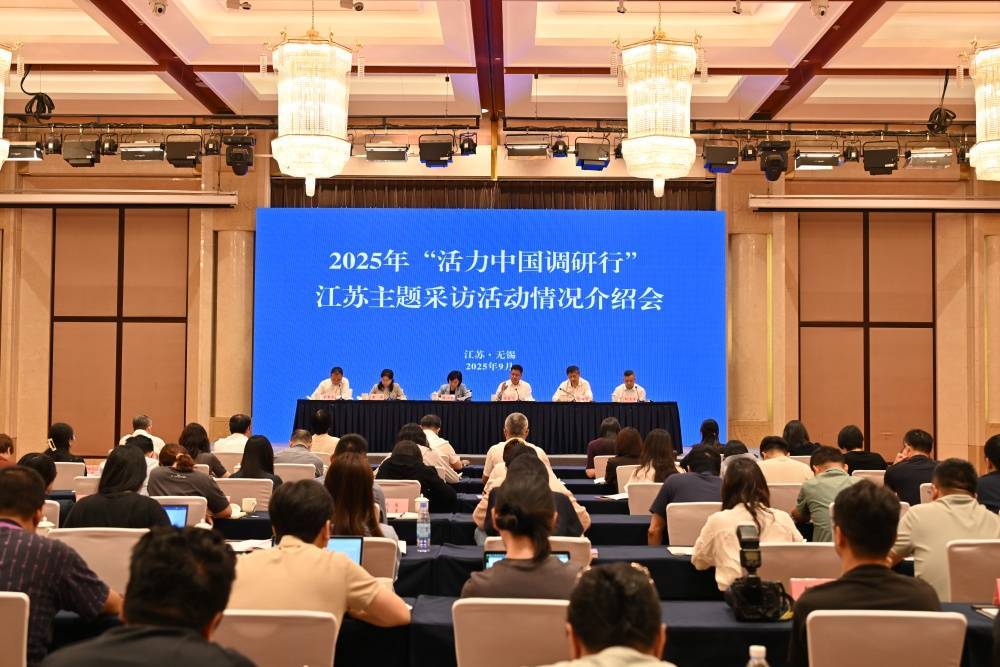
Core Insights - Jiangsu province is positioned as a leading area for China's opening-up, with foreign trade reaching a historical high of 5.62 trillion yuan in 2024, marking a 22-year consecutive second place nationally [3] - The province has maintained the top position in actual foreign investment, with 19.05 billion USD in 2024, contributing to 16.2% of the national total [3] Group 1: Economic Growth and Trade - Jiangsu's foreign trade has seen a significant increase, with exports to emerging markets accounting for 59.9% in the first seven months of the year, up 12.6 percentage points from 2020 [4] - The province's exports of electromechanical products are projected to reach 68.7% in 2024, a 1.9 percentage point increase from 2020 [4] - The "江苏优品行全球" initiative aims to enhance trade structures while expanding into new markets [4] Group 2: Foreign Investment and Business Environment - Jiangsu has attracted 37.58 billion USD in manufacturing foreign investment from 2021 to 2024, representing 36.2% of the province's total foreign investment [6] - The province has implemented policies to encourage foreign enterprises to reinvest profits, maintaining the highest reinvestment scale in the country for six consecutive years [6][7] - The establishment of foreign headquarters and R&D centers has been prioritized, with 431 foreign R&D centers approved, the highest in the nation [7] Group 3: Open Economy and Innovation - Jiangsu is advancing a high-quality open economy through innovative reforms and the establishment of free trade zones, contributing to 10% of the province's foreign trade and actual foreign investment [8] - The province has launched over 450 institutional innovation outcomes, with 30 being replicated nationwide [8] - Policies supporting cross-border data flow and digital trade development have been introduced, enhancing the province's competitive edge [9]
2025服贸会观察:中国服务贸易如何突围?
Xin Lang Cai Jing· 2025-09-15 00:04
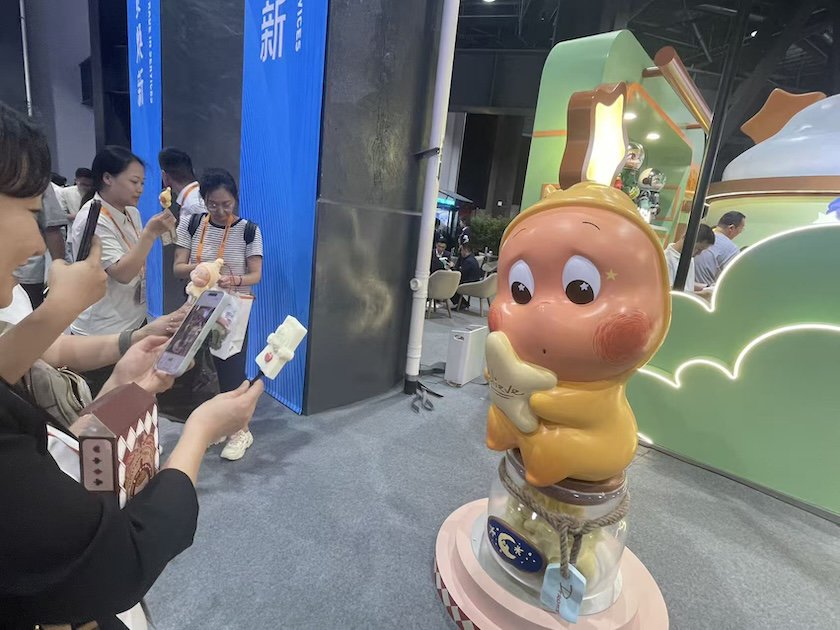
Group 1: Company Overview - Pop Mart has emerged as a global leader in cultural consumption, showcasing its trendy IP products at the 2025 China International Fair for Trade in Services [1] - The company has opened 571 stores across 18 countries as of June 30, with a revenue of 138.8 billion yuan, representing a year-on-year growth of 204.4%, and an adjusted net profit of 47.1 billion yuan, up 362.8% [1] - Pop Mart's success highlights the potential of emotional value consumption as a new service consumption model, providing a paradigm for China's service consumption to expand internationally [1] Group 2: Industry Trends - The global service trade is becoming a new engine for trade growth, with an expected export of 8.9 trillion USD in 2024, marking a 9.9% increase and contributing 60% to global trade growth [3] - China, while the second-largest service trade country, faces a significant service trade deficit due to structural weaknesses in its tertiary industry, necessitating a shift towards high-value-added services [3] - The rise of Southeast Asian countries as key markets for Chinese service trade is evident, with increasing demand for infrastructure, digital economy, and e-commerce solutions [7][8] Group 3: Technological Advancements - Companies like Beijing Hangjing Innovation Technology are breaking into high-value service areas traditionally dominated by Western firms, showcasing advancements in technology and R&D capabilities [4][6] - Hangjing's FWH-3000 heavy-lift drone exemplifies the shift towards self-sufficient supply chains, with the company achieving full control over its production and service processes [6] Group 4: Policy and Environment - Experts emphasize the importance of creating a first-class business environment to foster high-quality development in service trade, aligning with international standards and promoting market-oriented reforms [10] - The China International Fair for Trade in Services serves as a platform for showcasing the potential of service trade, attracting participation from numerous countries and international organizations [10]

海南自贸港:加紧政策落地,冲刺封关运作
Xin Hua Cai Jing· 2025-09-14 23:31
Group 1 - Hainan Free Trade Port (FTP) is entering the final stage of its full island closure operation, set to officially launch on December 18 this year [1] - The successful completion of the first bonded maintenance service for imported cold chain container parts marks an expansion of the bonded maintenance policy to the cold chain sector, enhancing international competitiveness for local companies [1] - Since the release of the overall plan for Hainan FTP in June 2020, various policies promoting trade and investment liberalization have been implemented, laying a solid foundation for the full island closure operation [1] Group 2 - As of June this year, Hainan FTP has imported "zero tariff" goods worth 24.16 billion yuan and exempted 4.68 billion yuan in taxes, with the processing and value-added policy expanding to the entire FTP area [2] - The first registered special vehicle modification company in Hainan is leveraging the zero tariff policy to capture the automotive modification market, with plans to expand into recreational and business vehicle modifications [2] - The processing and value-added policy will be optimized post-closure, reducing production costs and stimulating innovation in high-end manufacturing and specialty processing [2] Group 3 - Various tax incentives and liberalization measures are attracting more enterprises to establish a presence in Hainan, with over 100 private enterprises participating in a recent promotional event [3] - New Hope Group plans to utilize Hainan FTP's financial policies to enhance global fund management efficiency and risk control [3] - Infrastructure development is progressing alongside policy implementation, with smart inspection equipment being installed to facilitate "seamless customs clearance" in the future [3] Group 4 - The arrival of the "Lighthouse Star" cruise ship at Sanya marks a significant milestone for the international cruise port, with streamlined inspection processes ensuring smooth passenger clearance [4] Group 5 - The full island closure operation signifies a new phase in Hainan FTP construction, with local authorities focusing on policy implementation to convert benefits into corporate gains and attract quality investments [5]



中国经济体制改革研究会原会长彭森:以高水平市场化改革破局 为中国式现代化注入新动力
Zhong Guo Jin Rong Xin Xi Wang· 2025-09-14 05:56
Core Viewpoint - The 22nd China Reform Forum emphasizes the need for comprehensive deepening of reforms to promote high-quality development during the "14th Five-Year Plan" period, highlighting the importance of market-oriented reforms and a people-centered approach [1][2]. Summary by Sections Reform Experience - The necessity of liberating thoughts and being pragmatic is emphasized as a prerequisite for reform, with the 20th Central Committee's proposal for "three further liberations" guiding the reform path [2]. - Development is deemed the "hard truth," with the core of reform focused on eliminating institutional barriers to productivity, measuring success by its impact on development [2]. - A steadfast commitment to market-oriented reforms is crucial, with recent central government directives underscoring the urgency of deepening market reforms and expanding pilot programs for market-oriented resource allocation [2]. - A gradual reform approach is advocated, recognizing the complexity of China's national conditions, and encouraging localized differentiated explorations to gather valuable experiences for nationwide reforms [2]. People-Centered Approach - The importance of a people-centered approach is reiterated, stating that reforms must respond to the people's aspirations for a better life, as the public is both the creator and beneficiary of history [3]. - The current year is critical for concluding the "14th Five-Year Plan" and preparing for the "15th Five-Year Plan," amidst a complex external environment and significant domestic challenges [3]. - A call for reformers to remain true to their mission and push for substantial breakthroughs in areas such as market-oriented resource allocation, property rights reform, and fair competition systems is made, aiming to inject sustained institutional momentum into Chinese modernization [3].

让数据跨境流动更加便捷安全高效
Guang Xi Ri Bao· 2025-09-14 02:17
Core Insights - The implementation of the "Negative List" for data exit management in Guangxi aims to facilitate cross-border data flow, contributing an estimated $11 trillion to global GDP by the end of 2025 [1][10] - The list specifically targets four industries: geographic information and meteorological data services, enterprise credit information services, cross-border e-commerce live streaming, and overseas audio-visual production and dissemination [1][6] Group 1: Data Management and Compliance - The "Negative List" provides a clear framework for data management, defining which data is considered important and ensuring that routine business data is not overly restricted [4][8] - The list allows for a significant increase in the volume of personal information that can be exported, particularly in the overseas audio-visual production sector, raising the limit from 1 million to over 2 million individuals [4][9] - The principle of "non-prohibition is permission" expands the scope for data exit, allowing companies to provide data abroad without prior approval as long as it is not on the negative list [5][10] Group 2: Industry Development and Opportunities - The new regulations are expected to enhance the competitiveness of Guangxi's cross-border e-commerce sector, addressing long-standing uncertainties regarding data compliance and export [2][3] - The implementation of the "Negative List" is seen as a significant step in promoting cross-border business activities, enabling companies to explore new markets and partnerships, particularly in ASEAN countries [7][10] - The policy changes are anticipated to create new business opportunities for companies in cross-border e-commerce, data analysis, and credit information services, facilitating a more integrated approach to international trade [9][10] Group 3: Infrastructure and Future Prospects - Guangxi is investing in digital infrastructure, including a "data highway" to enhance connectivity with ASEAN nations, which will support the efficient flow of data across borders [11][12] - The establishment of international data centers and cross-border data flow testing zones is part of Guangxi's strategy to build a robust framework for data exchange and cooperation with ASEAN countries [12]