
制度型开放

Search documents
新华全媒+·活力中国调研行|上海:多措并举不断提高对外开放水平
Sou Hu Cai Jing· 2025-09-13 08:43
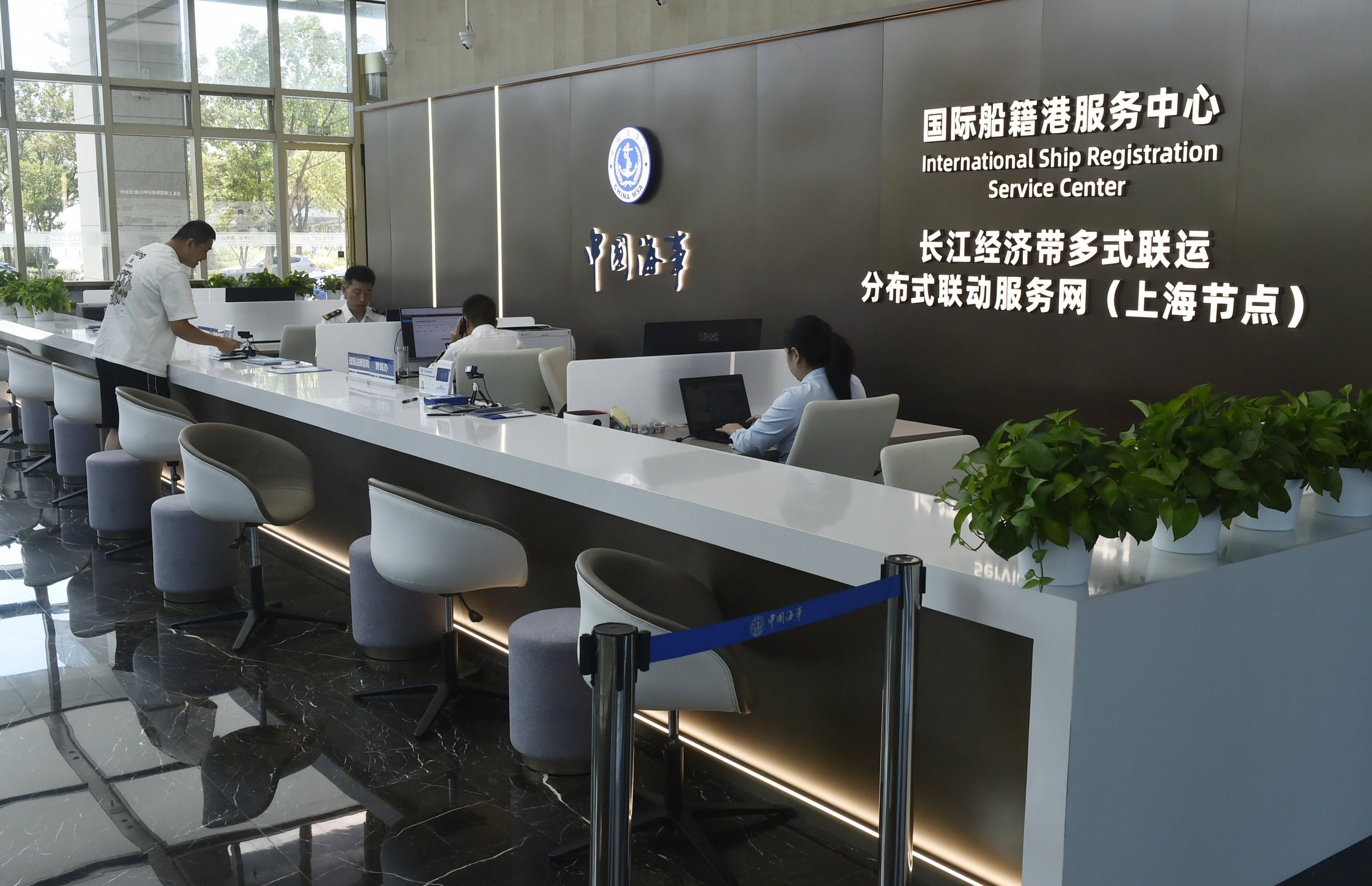
Group 1 - Shanghai has leveraged the construction of the Pudong leading area to enhance its role as a comprehensive pilot platform for reform and opening-up, particularly through the Free Trade Zone and Lingang New Area [1] - The city has intensified its efforts in attracting foreign investment, optimizing the business environment, supporting enterprises going abroad, and providing financial assistance, resulting in significant achievements [1] - Shanghai's experience has contributed to the steady expansion of institutional opening-up in China, showcasing a series of landmark and leading innovative outcomes [1] Group 2 - The International Shipping Service Center in the Lingang New Area is a key facility for enhancing international maritime services [4] - The Shanghai Futures Exchange has been a focal point for research and development in financial services, as highlighted by the "Vibrant China Research Tour" [6][19] - The Shanghai International Reinsurance Registration Trading Center plays a crucial role in the reinsurance market, indicating the city's growing importance in global finance [22]

服贸会|投资北京的“服务包”和独角兽
Zhong Guo Jing Ying Bao· 2025-09-12 16:45
Group 1 - Beijing has announced 140 investment cooperation projects with a total investment amount of 139.75 billion yuan, focusing on new generation information technology and healthcare sectors [1] - The service trade has become a key pillar of global trade and a new engine for economic growth, with Beijing's service trade value reaching 932.49 billion yuan, accounting for 22% of the city's GDP [2] - In 2024, Beijing's service trade total is projected to be 130 billion USD, representing one-eighth of China's service trade, with a growth rate of 14.4% [3] Group 2 - The Beijing government has established eight guiding funds with a total scale of 100 billion yuan, focusing on high-tech industries such as artificial intelligence and advanced manufacturing [4] - Beijing has the highest concentration of technology innovation resources in the country, with 35 "Double First Class" universities and 145 national key laboratories [5] - The total scale of managed funds by Beijing's state-owned capital management is approximately 180 billion yuan, with a focus on new generation information technology and healthcare [6] Group 3 - Beijing has implemented over 1,700 reform measures to optimize the business environment, including a unified policy service platform and a "service package" mechanism for enterprises [7] - The global life sciences company Danaher has benefited from a specialized "service package" in Beijing, facilitating rapid project implementation [7] - Beijing Zhiyu Huazhang Technology Co., Ltd., an AI unicorn, has developed intelligent government services and collaborated on cultural tourism projects [8]
厦门稳步推进制度型开放
Ren Min Ri Bao· 2025-09-12 15:36
Group 1 - The core viewpoint of the articles highlights the significant growth and international expansion of the lithium battery export industry in Xiamen, with a focus on innovative measures and regulatory improvements to facilitate trade [1][2][3] Group 2 - Xiamen has exported over 2,500 containerized lithium battery energy storage systems in 2023, contributing to a total export value of 87.229 billion yuan for lithium batteries, a year-on-year increase of 19.01% [1] - The city has become one of the largest export ports for lithium battery products in China, with over 90% of the province's lithium battery exports passing through Xiamen [1][2] - The introduction of the "Guidelines for the Safe Maritime Transport of Containerized Lithium Battery Energy Storage Systems" has addressed key logistical challenges, enhancing export efficiency for new energy enterprises [2] Group 3 - Xiamen Free Trade Zone has implemented 632 innovative measures since its establishment, with 153 being national firsts, showcasing the region's commitment to regulatory innovation [3] - The city has established a comprehensive dispute resolution system for international commercial and maritime issues, having processed over 3,300 cases with a total value exceeding 46 billion yuan [6] Group 4 - Xiamen is actively promoting international standards in various industries, with 24 registered international standard experts and 53 international standards being developed or revised [5] - The city has created a favorable environment for foreign talent, with over 60,000 international professionals residing in Xiamen, facilitated by streamlined work and residence permit processes [4]
服贸会 投资北京的“服务包”和独角兽
Zhong Guo Jing Ying Bao· 2025-09-12 15:01
Group 1 - The core message of the news highlights Beijing's strategic initiatives to enhance its service trade sector, with a focus on attracting investment and fostering innovation in key industries such as information technology and healthcare [1][2][3]. - Beijing has announced 140 investment cooperation projects with a total investment amount of 139.75 billion yuan, alongside 20 "Artificial Intelligence+" application scenarios to facilitate the transformation of technological achievements [1]. - The city's GDP is projected to reach 4.98 trillion yuan in 2024, with service trade contributing 932.49 billion yuan, accounting for approximately 22% of the total GDP [2]. Group 2 - The global service trade is expected to reach 8.7 trillion USD in 2024, growing at a rate of 9%, significantly outpacing the overall global trade growth of 3.7% [3]. - China's service trade total is projected to be 1 trillion USD in 2024, representing one-eighth of the global total, with a growth rate of 14.4% [3]. - Beijing's service trade is anticipated to reach 130 billion USD in 2024, making up 16.4% of the city's total trade, indicating substantial growth potential compared to global averages [3]. Group 3 - Beijing has established eight government-guided funds with a total scale of 100 billion yuan, focusing on high-tech industries and frontier technologies, which have led to significant investments and the emergence of numerous unicorn companies [4]. - As of August 2025, these funds have invested 25.6 billion yuan and attracted 86.7 billion yuan in social capital, demonstrating a multiplier effect of 4.08 times [4]. - The city has developed three trillion-yuan industry clusters in information technology, technology services, and healthcare, along with seven billion-yuan industry clusters in intelligent manufacturing [4][5]. Group 4 - Beijing is recognized as a national financial management center and the first city in China to have a healthcare industry exceeding one trillion yuan, as well as being a leader in artificial intelligence [6]. - The city has implemented over 1,700 reform measures to optimize the business environment, including a unified policy service platform and a "service package" mechanism for enterprises [6]. - The presence of major global companies, such as Danaher, highlights the attractiveness of Beijing's supportive policies for innovation and the availability of top-tier talent and research institutions [6][7].
厦门稳步推进制度型开放(奋勇争先,决战决胜“十四五”)
Ren Min Ri Bao· 2025-09-12 11:42
Core Insights - The article highlights the significant growth in lithium battery exports from Fujian Province, particularly through Xiamen Port, with a total export value of 87.229 billion yuan in the first eight months of the year, representing a year-on-year increase of 19.01% [1] - Xiamen has implemented innovative measures to enhance international trade, particularly in the shipping of containerized lithium battery energy storage systems, addressing previous logistical challenges [1][2] - The city has become a leading export hub for lithium battery products in China, with over 2,500 energy storage containers exported this year alone [1][2] Industry Developments - Xiamen has introduced a "Guideline for the Safe Maritime Transport of Containerized Lithium Battery Energy Storage Systems," which has improved the efficiency of maritime exports for new energy companies [2] - The Xiamen Free Trade Zone has launched a total of 632 innovative measures since its establishment, with 153 being national firsts, indicating a strong commitment to regulatory innovation [3] - The city is actively promoting international standards in various sectors, with 24 registered international standard experts and 53 international standards being developed or revised [5] Talent and Workforce - Xiamen has created a favorable environment for international talent, with over 60,000 international professionals currently residing in the city, facilitated by reforms in work and residence permit processes [4] - The city has implemented a technical skills evaluation mechanism for foreign personnel, enhancing the ease of living and working for expatriates [4] Standards and Regulations - Xiamen has made strides in aligning local standards with international benchmarks, exemplified by the approval of two testing method standards for electrical relays by the International Electrotechnical Commission [5] - The establishment of an integrated dispute resolution system for international commercial and maritime issues has been initiated, with over 3,300 cases processed, amounting to over 46 billion yuan in claims [5]
北京发布近1400亿元招商项目,涉及AI、医药健康等领域
2 1 Shi Ji Jing Ji Bao Dao· 2025-09-12 04:22
Group 1 - Beijing will comprehensively deepen the construction of the "Two Zones" and implement the service industry expansion plan 3.0, aiming to attract more foreign investment [1] - A total of 140 investment cooperation projects were announced with an investment amount of 139.75 billion yuan, showcasing cooperation opportunities and policy benefits [1] - The event is part of the 2025 China International Service Trade Fair and aims to release global cooperation opportunities and pragmatic measures [1] Group 2 - Beijing possesses top-tier innovation resources, leading in the number of universities, research institutes, and researchers, with R&D intensity ranking among the top in the country for eight consecutive years [2] - The city is home to over 2,400 artificial intelligence companies, with a core industry scale of nearly 350 billion yuan, accounting for about half of the national total [2] - Beijing is accelerating the establishment of an internationally influential robotics innovation hub and aims to become a global benchmark city for the robotics industry [2]
去年北京海淀实际利用外资超17亿美元 连续7年居全市首位
Zhong Guo Xin Wen Wang· 2025-09-12 02:19
Core Viewpoint - Haidian District in Beijing has achieved significant economic milestones, being the first district in China to surpass a GDP of 1 trillion yuan, and it continues to lead in economic output and foreign investment utilization in the city [1][2]. Group 1: Economic Performance - Haidian District's GDP has consistently ranked first in Beijing, with an actual foreign investment utilization of 1.766 billion USD in 2024, maintaining its top position for seven consecutive years [1]. - The district has accumulated 2,982 new projects under the "Two Zones" initiative, with 2,097 projects successfully launched, leading the city in both foreign investment project entries and exits [2]. Group 2: Institutional and Policy Innovations - Haidian District has made breakthroughs in institutional openness, implementing 24 reform measures in the Zhongguancun area, with 21 measures being promoted nationwide or citywide [2]. - The district has developed 98 cases of institutional innovation, with 4 cases replicated nationally and 9 cases replicated citywide [2]. Group 3: Intellectual Property Developments - Haidian District has issued the first patent licensing intellectual property securitization products in the city, raising 1.334 billion yuan for enterprises through five issuances [3]. - The total amount of technology contract registrations increased from 204 billion yuan in 2020 to 380.69 billion yuan in 2024, marking an 86.6% growth [3]. Group 4: Innovation and Service Infrastructure - The Zhongguancun Comprehensive Bonded Zone is being developed as an innovative strategic hub, featuring a smart regulatory model and a fully released 120,000 square meter industrial space for businesses [4]. - A one-stop service platform is being established to provide integrated services such as policy consultation, financing connections, and technology export for enterprises [4].
北京面向全球招商 项目总额近1400亿元
Zhong Guo Xin Wen Wang· 2025-09-12 02:14
中新社北京9月11日电 (记者 吕少威)"北京日"暨投资北京大会11日在北京首钢园举行。活动中,北 京发布140个招商合作项目,招商总额达1397.5亿元人民币。 此次招商项目涉及新一代信息技术、医药健康等领域,包括昌平生命谷国际精准医学产业园招商项 目、怀柔科学城产业转化示范区招商项目等。朝阳区、丰台区、昌平区、北京经济技术开发区推出20 个"人工智能+"应用场景,助力科技成果转化落地。 世界投资促进机构协会总干事伊斯梅尔·艾沙欣在活动上致辞指出,当前,全球各地都在寻找经济 增长的新路径,投资者也在寻找可靠的合作伙伴。北京凸显了如何通过改革赋能、产业与创新融合,以 及与全球投资者合作共赢,来创造一个充满机遇和韧性的环境。 北京市政府党组成员唐文弘表示,北京将稳步扩大制度型开放,发展更高层次开放型经济。同时, 将持续优化营商环境,为企业提供高效优质服务,面向中小微企业开放更多应用场景,支持外资企业、 民营企业公平参与市场竞争。 区域推介环节,北京市朝阳区、海淀区、石景山区、通州区分别围绕商务、绿色金融改革实践、中 关村科学城科技创新生态和独角兽企业培育、数字经济融合发展进行主题推介,为资本与产业对接搭建 桥梁 ...
聚焦“两区”建设 打造高水平开放新高地
Bei Jing Ri Bao Ke Hu Duan· 2025-09-12 00:12
Core Viewpoint - Chaoyang District has positioned itself as a significant window for the capital's opening-up, focusing on high-standard implementation of the "Two Zones" initiative since 2020, leading to enhanced investment openness, trade facilitation, and innovative open models [1][4][5]. Investment and Economic Development - Over the past five years, Chaoyang District has implemented over 150 pilot reform policies, resulting in 109 innovative projects and 87 institutional innovations, with 15 measures replicated nationwide [4][5]. - The district has attracted major projects such as Alibaba's Beijing headquarters and the Beijing International Big Data Exchange, with a total of 4,473 projects recorded and 2,644 implemented [4][5]. Financial and Trade Openness - Chaoyang has deepened financial sector openness, establishing the first foreign-funded securities company in China, Standard Chartered Securities, and leading in the number of approved telecom business types [5][12]. - The district has completed a cross-border trade digitalization pilot with Singapore, enhancing trade facilitation and establishing a service center for port collaboration [5][6]. Cross-Border Flow and Data Management - The district has initiated comprehensive reforms for cross-border capital flow, becoming a leader in international payment services and cross-border investment facilitation [5][6]. - It has established data flow service centers and implemented the first personal information export standard contract in the country, enhancing data management capabilities [6][10]. Industry Innovation and Technology - Chaoyang has developed 20 specialized industrial parks focusing on sectors like AI, digital healthcare, and the metaverse, with over 1,400 companies in the metaverse industry cluster [8][9]. - The district has launched the first digital healthcare park in the city, housing over 240 enterprises in AI and new drug development [9]. International Cooperation and Investment Attraction - Since 2021, Chaoyang has established 2,398 new foreign enterprises, accounting for 28.4% of the city's total, with actual foreign investment reaching $17.4 billion [11][12]. - The district has expanded its international investment network, engaging with countries like the UK and Germany to foster cooperation in various industries [13][14]. Service and Infrastructure Enhancement - Chaoyang has improved its international service capabilities, establishing a friendly consumption environment for foreign visitors and enhancing payment services [17][18]. - The district has launched initiatives to optimize living conditions for expatriates, including the distribution of a foreigner handbook and the establishment of international talent apartments [19][20].

在更广领域更深层次开展首创性、集成式探索 厦门稳步推进制度型开放(奋勇争先,决战决胜“十四五”)
Ren Min Ri Bao· 2025-09-11 22:09
Core Viewpoint - The article highlights the significant growth and international expansion of the lithium battery export industry in Xiamen, Fujian Province, driven by innovative policies and guidelines that enhance the efficiency and safety of maritime transport for energy storage systems [1][2]. Group 1: Industry Growth and Export Performance - Xiamen Haichen Energy Technology Co., Ltd. has exported over 2,500 containerized lithium battery energy storage systems this year [1] - Fujian Province's total lithium battery export value reached 87.229 billion yuan, marking a year-on-year increase of 19.01%, with over 90% of these exports passing through Xiamen Port [1] - Xiamen has become one of the largest export ports for lithium battery products in China [2] Group 2: Policy Innovations and Regulatory Framework - Xiamen has released the "Guidelines for Maritime Safety Transport of Containerized Lithium Battery Energy Storage Systems," addressing challenges in shipping and port operations [1] - The city has implemented 29 innovative measures and experiences that have been promoted by the National Development and Reform Commission [1] - Since its establishment, the Xiamen Free Trade Zone has introduced a total of 632 innovative measures, with 153 being national firsts [3] Group 3: International Standards and Quality Alignment - Xiamen Hongfa Electric Co., Ltd. led the drafting of two international standards for electrical relays, which were approved by the International Electrotechnical Commission [5] - The city encourages enterprises to participate in the formulation and revision of international standards, with 24 registered international standard experts involved in 53 standards [5] - Xiamen has established a comprehensive dispute resolution system for international commercial and maritime issues, handling over 3,300 cases with a total value exceeding 46 billion yuan [5]