多边主义

Search documents
中国—东盟自贸区迈入3.0时代,意味着什么?
Huan Qiu Wang· 2025-10-28 12:25
Core Points - The signing of the China-ASEAN Free Trade Area 3.0 upgrade protocol marks a significant enhancement in economic cooperation between China and ASEAN, providing new momentum and confidence for regional economic development [1][2][3] Group 1: Economic Cooperation - The 3.0 upgrade protocol was signed on October 28, 2023, during the 47th ASEAN Summit in Malaysia, with leaders from both sides witnessing the event [2] - The China-ASEAN Free Trade Area is the first free trade zone established by both parties, with its construction starting in 2002 and the first version completed in 2010 [2][4] - The protocol aims to deepen cooperation in nine major areas, including digital economy, green economy, and supply chain connectivity, reflecting a shift from tariff concessions to rule-building [4][5] Group 2: Impact on Businesses - The protocol provides clear development guidance for enterprises in sectors such as digital economy and green economy, allowing them to focus on business development without external disruptions [3][5] - It is expected to create new opportunities for Malaysian companies, particularly in digital economy collaborations with Chinese firms, facilitating access to advanced technologies [5][6] - The emphasis on high-quality development and innovation-driven growth in China is likely to enhance the competitiveness and stability of investments in emerging sectors [6][7] Group 3: Regional Integration - The signing of the protocol is seen as a strong demonstration of support for multilateralism and free trade, countering rising protectionism and unilateralism [2][3] - The cooperation between China and ASEAN is viewed as a model for regional integration, with potential benefits for both parties in terms of economic growth and stability [3][7] - The protocol is expected to facilitate deeper economic integration and trade liberalization, enhancing the flow of products, investments, and personnel within the region [5][6]
李强会见欧洲理事会主席
Yang Guang Wang· 2025-10-28 12:00
Core Points - Current China-Europe relations face both opportunities and challenges, requiring a solid foundation of political mutual trust and practical implementation of consensus [1] - China expresses willingness to expand cooperation and create new growth points while addressing existing issues in economic and trade cooperation through dialogue and mutual understanding [1] - The EU is open to maintaining high-level exchanges and enhancing dialogue across various fields to promote practical cooperation and address global challenges [1]
【解局】中国—东盟自贸区迈入3.0时代,意味着什么?
Huan Qiu Wang· 2025-10-28 11:45
Core Points - The signing of the China-ASEAN Free Trade Area 3.0 Upgrade Protocol marks a significant enhancement in economic cooperation between China and ASEAN, providing new momentum and confidence for regional economic development [1][2][3] Group 1: Economic Cooperation - The protocol reflects a commitment to multilateralism and free trade, demonstrating a united front against unilateralism and protectionism [2][3] - The China-ASEAN Free Trade Area is the first free trade area established by both parties, with its construction starting in 2002 and evolving through various phases, culminating in the 3.0 version [1][3] Group 2: Areas of Focus - The 3.0 Upgrade Protocol covers nine major areas, adding five new fields: digital economy, green economy, supply chain connectivity, competition and consumer protection, and support for small and medium-sized enterprises [3][4] - The shift from a "tariff concession" model to a "rule-building" approach is a key highlight of the 3.0 version, promoting investment and trade facilitation in emerging sectors [4][6] Group 3: Market Impact - The bilateral trade volume has surged from $235.5 billion in 2010 to nearly $1 trillion last year, indicating the significant market potential of the China-ASEAN Free Trade Area, which encompasses over 2 billion people [5][6] - The protocol is expected to create new opportunities for Malaysian enterprises, particularly in the digital economy and supply chain connectivity, allowing for advanced technology collaboration [4][5]
中国—东盟自贸区3.0版升级议定书签订
Shang Wu Bu Wang Zhan· 2025-10-28 09:30
Core Points - The signing of the China-ASEAN Free Trade Area 3.0 upgrade protocol marks a significant achievement in the implementation of important consensus reached during the 30th anniversary summit of China-ASEAN dialogue relations [2][4] - The protocol aims to enhance regional economic integration and cooperation in emerging fields such as digital economy, green economy, and supply chain connectivity [3][6] Group 1: Importance of the Protocol - The protocol signifies strong support for multilateralism and free trade amidst challenges to the international economic system, providing confidence and momentum for regional and global economic growth [2] - It establishes a new milestone for deeper regional economic integration, expanding cooperation beyond traditional trade and investment to include digital, green, and supply chain sectors [3] - The protocol will strengthen the China-ASEAN community of shared destiny, promoting a more open and inclusive regional market [3] Group 2: Background and Negotiation Process - The China-ASEAN Free Trade Area is the first free trade agreement established by both parties, with the initial agreement announced in 2002 and the first version completed in 2010 [4] - The 3.0 version negotiations began in November 2022 and concluded after nearly two years of discussions, culminating in the signing on October 28, 2025 [4][5] Group 3: Key Features of the Protocol - The protocol introduces five new areas of cooperation: digital economy, green economy, supply chain connectivity, competition and consumer protection, and support for small and medium enterprises [6][7] - It enhances the level of openness in trade, services, and investment, establishing a systematic cooperation framework for both traditional and emerging sectors [7] - The protocol promotes inclusive development by ensuring fair competition, consumer protection, and support for small and medium enterprises [7] Group 4: Main Content of the Protocol - The protocol covers nine major areas, including customs procedures, trade facilitation, and new fields like digital and green economies [8] - In the digital economy, it establishes a high-level rule system and cooperation arrangements, including customs duty exemptions on electronic transmissions and enhanced data protection [9] - The green economy section defines key areas for cooperation, aiming to eliminate trade barriers related to environmental standards and promote sustainable development [9] - The supply chain connectivity chapter aims to enhance the resilience and connectivity of regional supply chains through digital technology and infrastructure improvements [10] - The protocol also includes provisions for standards and technical regulations, health measures, and economic and technical cooperation to support inclusive regional development [11][12] Group 5: Implementation of the Protocol - Following the signing, both parties will undertake domestic approval processes to ensure the protocol's early implementation [13]
中国—东盟自贸区3.0版升级议定书签署 双方自贸合作向更深层次迈进
Yang Shi Wang· 2025-10-28 06:26
Core Viewpoint - The signing of the China-ASEAN Free Trade Area 3.0 upgrade protocol in Kuala Lumpur marks a significant step towards deeper economic integration and cooperation between China and ASEAN countries, focusing on new areas such as digital economy and green economy [1][3]. Group 1: Agreement Details - The 3.0 upgrade protocol covers nine major areas, adding five new fields: digital economy, green economy, supply chain connectivity, competition and consumer protection, and support for small and medium enterprises [1]. - The protocol aims to enhance fair competition, protect consumer rights, support the development of small and medium enterprises, and improve compliance capabilities of underdeveloped countries, promoting inclusive regional economic development [1]. Group 2: Historical Context - The China-ASEAN Free Trade Area is the first free trade area established through negotiations, initiated in 2002, with the 1.0 version completed in 2010 and the 2.0 version fully implemented in 2019 [5]. - Negotiations for the 3.0 version began in 2022 and were completed in May of this year [5]. Group 3: Multilateralism and Trade - The signing of the protocol demonstrates a commitment to multilateralism and free trade, serving as an important example for resisting unilateralism and protectionism while addressing international economic and trade challenges [3]. - It signifies a deeper level of cooperation in the free trade partnership, contributing to the construction of an open, inclusive, and rules-based regional integrated market [3].

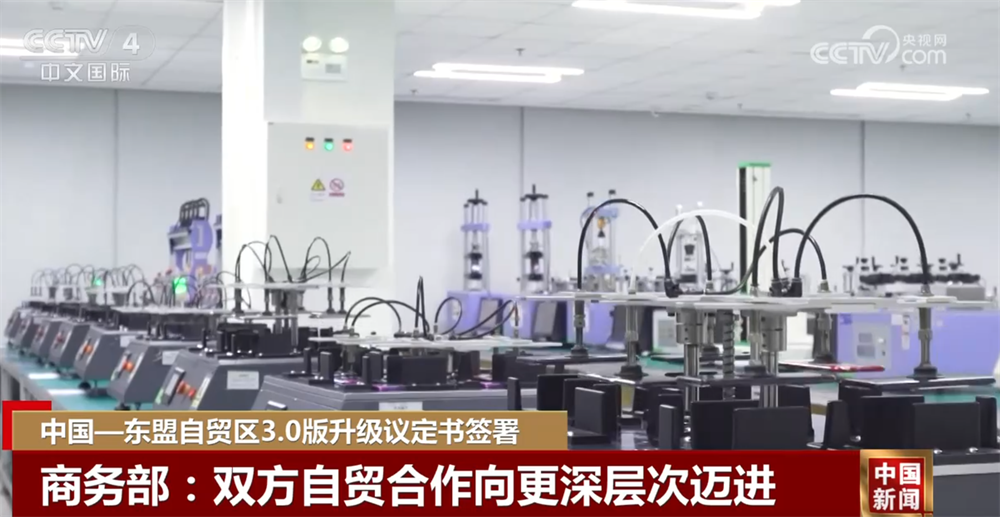
中国与东盟签署自贸区3.0版升级议定书
中国能源报· 2025-10-28 03:53
Core Viewpoint - The signing of the China-ASEAN Free Trade Area 3.0 upgrade protocol marks a significant achievement in implementing the consensus reached during the 30th anniversary summit of China-ASEAN dialogue relations, reflecting a commitment to multilateralism and free trade [2][3]. Group 1 - The protocol was signed on October 28 in Kuala Lumpur, Malaysia, by Chinese Commerce Minister Wang Wentao and Malaysian Minister Zafrul, witnessed by leaders including Chinese Premier Li Qiang and Malaysian Prime Minister Anwar [2]. - The upgrade of the China-ASEAN Free Trade Area 3.0 demonstrates a strong determination to build an open, inclusive, and rules-based regional integrated market, enhancing cooperation opportunities for businesses in both regions and globally [2][3]. - The 3.0 version upgrade encompasses nine areas, including digital economy, green economy, supply chain connectivity, standards and technical regulations, sanitary measures, customs procedures, competition and consumer protection, small and medium enterprises, and economic and technological cooperation [3]. Group 2 - The construction of the China-ASEAN Free Trade Area began in 2002, with the 1.0 version completed in 2010 and the 2.0 version in 2015; the 3.0 version negotiations are set to be completed by May 2025 [3]. - Following the signing of the protocol, both parties will undertake their respective domestic approval processes to ensure the protocol's early implementation [3].

商务部:中国-东盟自贸区3.0版升级议定书主要有三个突出特点
Xin Lang Cai Jing· 2025-10-28 02:53
Core Points - The signing of the China-ASEAN Free Trade Area 3.0 Upgrade Protocol marks a significant achievement in trade relations and is a response to the challenges faced by the international trade system [2][3] Group 1: Importance of the Protocol - The protocol signifies the commitment of China and ASEAN to multilateralism and free trade amidst rising protectionism and unilateral trade measures [2] - It establishes a new milestone for deeper regional economic integration, expanding cooperation into emerging fields such as digital and green economies [3] - The protocol supports the construction of a China-ASEAN community with a shared future, enhancing economic cooperation and promoting a resilient regional supply chain [3] Group 2: Background and Negotiation Process - The China-ASEAN Free Trade Area is the first free trade agreement established by both parties, with the initial agreement announced in 2002 [4] - The 3.0 version negotiations began in November 2022 and involved nine formal rounds and over 120 working group meetings [4][5] - The trade volume between China and ASEAN reached $982.3 billion in 2024, a 17-fold increase since the establishment of the free trade area [4] Group 3: Key Features of the Protocol - The protocol aims to promote open, mutually beneficial, and inclusive cooperation, adapting to new trends in international trade [6] - It expands into five new areas: digital economy, green economy, supply chain connectivity, competition and consumer protection, and support for small and medium-sized enterprises [7] - The protocol enhances the level of openness and establishes a systematic cooperation framework for both traditional and emerging fields [7] Group 4: Main Content of the Protocol - The protocol includes nine major areas of upgrade, covering both existing fields and new areas with significant cooperation potential [8] - In the digital economy, it establishes a high-level rule system and cooperation arrangements, including customs duty exemptions on electronic transmissions [9] - The green economy section defines key areas for cooperation, including green trade and sustainable finance, while committing to not use environmental standards as trade barriers [9] - The supply chain section introduces a dedicated chapter for cooperation, enhancing regional supply chain resilience and connectivity [10] - The protocol also addresses standards and technical regulations, health measures, customs procedures, competition, consumer protection, and support for small and medium-sized enterprises [11][12][13]
商务部国际司负责人解读中国—东盟自贸区3.0版升级议定书
Bei Jing Ri Bao Ke Hu Duan· 2025-10-28 02:37
Group 1 - The signing of the China-ASEAN Free Trade Area 3.0 upgrade protocol is a significant achievement marking the commitment to multilateralism and free trade amidst global economic challenges [2][3] - The protocol aims to deepen regional economic integration by expanding cooperation into emerging fields such as digital economy, green economy, and supply chain connectivity [3][6] - The protocol supports the construction of a China-ASEAN community of shared future, enhancing economic cooperation and promoting a resilient regional supply chain system [3][4] Group 2 - The China-ASEAN Free Trade Area has evolved through multiple phases since its inception in 2002, with the 3.0 version negotiations officially starting in November 2022 [4][5] - The trade volume between China and ASEAN reached $982.3 billion in 2024, a 17-fold increase since the establishment of the free trade area [4] - The protocol includes nine major areas of upgrade, incorporating both traditional trade facilitation and new emerging sectors [8][9] Group 3 - The protocol introduces new fields such as digital economy, green economy, and consumer protection, reflecting a commitment to leading international rule-making [7][8] - It establishes a comprehensive framework for cooperation in the digital economy, including measures for data flow, cybersecurity, and digital infrastructure [8][9] - The green economy section outlines commitments to sustainable practices and the elimination of trade barriers related to environmental standards [9][10] Group 4 - The protocol enhances customs procedures and trade facilitation through digital technologies, aiming to streamline processes and reduce costs for businesses [11][12] - It establishes a competitive and consumer protection framework, enhancing rights for consumers and ensuring fair competition among businesses [12][13] - The protocol includes measures to support small and medium enterprises, promoting their participation in international trade and enhancing their competitiveness [13][14]
中经评论:泛化“国家安全”撑不起欧洲经济
Jing Ji Ri Bao· 2025-10-28 00:08
Group 1 - The EU's recent actions to broaden the concept of "national security" through various policy tools are unlikely to boost the current weak economic situation and may exacerbate internal imbalances and weaken innovation vitality [1][2] - The establishment of a "trade bottleneck" database by the EU aims to counteract "economic coercion" faced by member states, reflecting the impact of U.S. tariffs and unilateral protectionist actions on global supply chains [1][2] - The Netherlands' recent takeover of the Chinese company Nexperia highlights the EU's anxiety and its struggle in key technology sectors, leading to supply chain disruptions, particularly in the automotive chip sector [1][2] Group 2 - The EU's push for "absolute security" is a response to multiple crises, including the Eurozone crisis, refugee influx, Brexit, the pandemic, and the Ukraine crisis, which have hindered economic growth and competitiveness in digital and green energy sectors [2][3] - Internal divisions among EU member states regarding "de-risking" measures and industrial subsidies are causing inefficiencies and rising costs, further complicating the EU's economic security strategy [2][3] Group 3 - The key issue facing the EU economy is a decline in competitiveness rather than security shortcomings, with insufficient investment in research and innovation leading to commercialization challenges and a sluggish digital transformation [3][4] - The EU's focus on "security-first" resource allocation may undermine long-term growth potential by diverting funds from education and research, which are crucial for sustained competitiveness [3][4] Group 4 - To genuinely maintain security, the EU should return to multilateralism and cooperation, precisely defining security boundaries and reforming the single market to encourage innovation without distorting competition through subsidies [4] - The EU must seek diversified cooperation and avoid the pitfalls of a zero-sum mindset, balancing security and efficiency to navigate out of its current economic challenges [4]
泛化“国家安全”撑不起欧洲经济
Sou Hu Cai Jing· 2025-10-27 22:59
Group 1 - The EU's recent actions to broaden the concept of "national security" through various policy tools are unlikely to boost the current weak economic situation and may exacerbate internal imbalances and weaken innovation [2][3] - The establishment of a "trade bottleneck" database by the EU aims to counteract "economic coercion" faced by member states, reflecting the impact of US tariffs and unilateral protectionist measures on global supply chains [2][3] - The Netherlands' recent takeover of the Chinese company Nexperia highlights the EU's anxiety regarding its technological capabilities, leading to supply chain disruptions in critical sectors like automotive chips [2][3] Group 2 - The EU's push for "absolute security" is a response to multiple crises, including the Eurozone crisis, refugee influx, Brexit, the pandemic, and the Ukraine crisis, which have hindered economic growth and competitiveness in key areas [3][4] - Internal divisions among EU member states regarding "de-risking" measures and industrial subsidies are creating a vicious cycle of inefficiency and rising costs, further complicating the EU's economic security strategy [3][4] Group 3 - The EU's key issue lies in declining competitiveness rather than security shortcomings, with insufficient investment in research and innovation leading to challenges in digitalization and commercialization [4] - The EU's "Critical Raw Materials Act" aims for 40% of strategic materials to be processed within the EU by 2030, but high domestic extraction costs and strict environmental standards may hinder progress [4] - The EU's focus on "security-first" resource allocation is diverting funds from long-term investments in education and research, undermining future growth potential [4] Group 4 - To genuinely maintain security, the EU should return to multilateralism and cooperation, precisely defining security boundaries and avoiding irrational expansions [5] - Reforming the single market is essential for enhancing competitiveness, encouraging innovation, and breaking down internal regulatory barriers [5] - The EU must seek diversified cooperation and move away from zero-sum thinking to balance security and efficiency, which is crucial for overcoming current economic challenges [5]