财务造假

Search documents
恒大前行政总裁夏海钧,被曝藏身美国加州而非加拿大!妻子在美持有资产达1.7亿元,12岁儿子就读于加州一所私立学校
Mei Ri Jing Ji Xin Wen· 2025-08-16 02:05
Core Viewpoint - China Evergrande Group is set to lose its listing status starting August 25, as legal proceedings against its founder Xu Jiayin and other executives continue amid ongoing liquidation efforts [1][3]. Group 1: Legal Proceedings and Financial Claims - The Hong Kong High Court issued a liquidation order for China Evergrande 18 months ago, appointing liquidators to recover debts owed to overseas creditors [3]. - Liquidators are pursuing claims against seven defendants, including Xu Jiayin and former CEO Xia Haijun, for approximately $6 billion (around 43 billion RMB) in dividends and compensation received from 2017 to 2020 [3]. - The liquidators have also obtained injunctions to restrict the defendants from disposing of or reducing their global assets valued at 60 billion HKD (approximately 55 billion RMB) [3]. Group 2: Allegations of Financial Misconduct - The liquidators allege that the defendants violated their responsibilities by approving financial statements that misrepresented the company's financial health during 2018 to 2020 [3]. - Evergrande's financial fraud has been confirmed, with the company inflating revenue and profits through premature revenue recognition [3]. Group 3: Asset Concealment and Legal Developments - Xia Haijun is accused of failing to disclose overseas assets, with evidence suggesting his wife holds assets worth $24 million (approximately 170 million RMB) in the U.S. [1][10]. - The court believes Xia Haijun is the actual controller of these assets, which include multiple properties and vehicles in California [10][12]. - The Hong Kong High Court has approved a temporary injunction against Xia Haijun's wife's assets, requiring her to appear in court for hearings [16].


中介追讨“造假帮凶”,泽达易盛案39被告遭3.72亿天价索赔
2 1 Shi Ji Jing Ji Bao Dao· 2025-08-15 14:11
Core Viewpoint - The case of Zeda Yisheng's financial fraud has led to a significant legal development where three intermediary institutions are suing 39 accomplices for a total of 372 million yuan, marking a complete accountability loop in China's capital market [1][4]. Group 1: Legal Developments - The three intermediary institutions, Dongxing Securities, Tianjian Accounting Firm, and Kangda Law Firm, have filed lawsuits against 39 defendants, including 37 companies and 2 individuals, for their alleged involvement in Zeda Yisheng's financial fraud [1][4]. - The lawsuit represents the first instance in China where intermediaries can seek compensation from third parties after making advance payments to investors [1][5]. - Legal experts suggest that if the intermediaries win, it could set a significant precedent for similar cases, establishing a standard for accountability in financial fraud [2][5]. Group 2: Financial Details - The total amount being claimed in the lawsuits is 372 million yuan, with Dongxing Securities seeking 215 million yuan, Tianjian Accounting Firm 123 million yuan, and Kangda Law Firm 33.49 million yuan [4]. - The intermediaries had previously compensated investors approximately 388 million yuan, which included a punitive commitment of 105 million yuan from Dongxing Securities [3][6]. Group 3: Challenges and Evidence - The success of the intermediaries' lawsuits hinges on their ability to provide evidence of the defendants' subjective fault and the direct causal relationship between their actions and the damages incurred [1][6]. - Key evidence required includes abnormal transaction records, communication documents, and proof of financial flows that indicate complicity in the fraud [6][7]. - Experts believe that the third parties may only bear partial responsibility due to the intermediaries' own faults and the need for shared accountability among all parties involved [6][7]. Group 4: Market Implications - The case has prompted a reevaluation of how to effectively hold "fraud accomplices" accountable, suggesting a multi-faceted governance system that includes civil compensation, administrative regulation, and criminal liability [2][8]. - Recommendations for enhancing the willingness of intermediaries to make advance payments include establishing specialized liability insurance for false statements and simplifying the judicial recovery process [2][9]. - The case signals a shift from punishing the end parties (listed companies/intermediaries) to targeting the source of fraud (third-party accomplices), potentially reshaping market behavior and compliance awareness [5][7].

恒大前行政总裁夏海钧,被曝藏身美国加州,妻子在美持有资产达1.7亿元
Mei Ri Jing Ji Xin Wen· 2025-08-15 12:07
Core Viewpoint - China Evergrande (03333.HK) is set to lose its listing status starting August 25, with ongoing litigation against its founder Xu Jiayin and other former executives regarding asset disclosures and financial mismanagement [1][3]. Group 1: Legal Proceedings and Financial Claims - The Hong Kong High Court issued a winding-up order for China Evergrande 18 months ago, appointing liquidators to recover debts owed to overseas creditors [3]. - Liquidators are pursuing claims against Xu Jiayin, his ex-wife Ding Yumei, former CEO Xia Haijun, and five other defendants for approximately $6 billion (around 43 billion RMB) in dividends and compensation received from 2017 to 2020 [3]. - The liquidators have also obtained injunctions to restrict the defendants from disposing of or reducing their global assets valued at 60 billion HKD (approximately 55 billion RMB) [3]. Group 2: Financial Mismanagement Allegations - The liquidators allege that the defendants violated their duties by approving financial statements for the years 2018 to 2020, which were later found to be fraudulent [3]. - Evergrande's financial misconduct involved premature revenue recognition, leading to inflated income and profits for 2019 and 2020 [3]. Group 3: Asset Disclosure Issues - Xia Haijun has been uncooperative in disclosing overseas assets, with evidence suggesting his wife holds assets worth $24 million (approximately 170 million RMB) in the U.S. [1][15]. - The court believes Xia Haijun is the actual controller of these assets, despite being registered under his wife's name [14][15]. - The liquidators have successfully added Xia Haijun's wife as a defendant in the case [20].
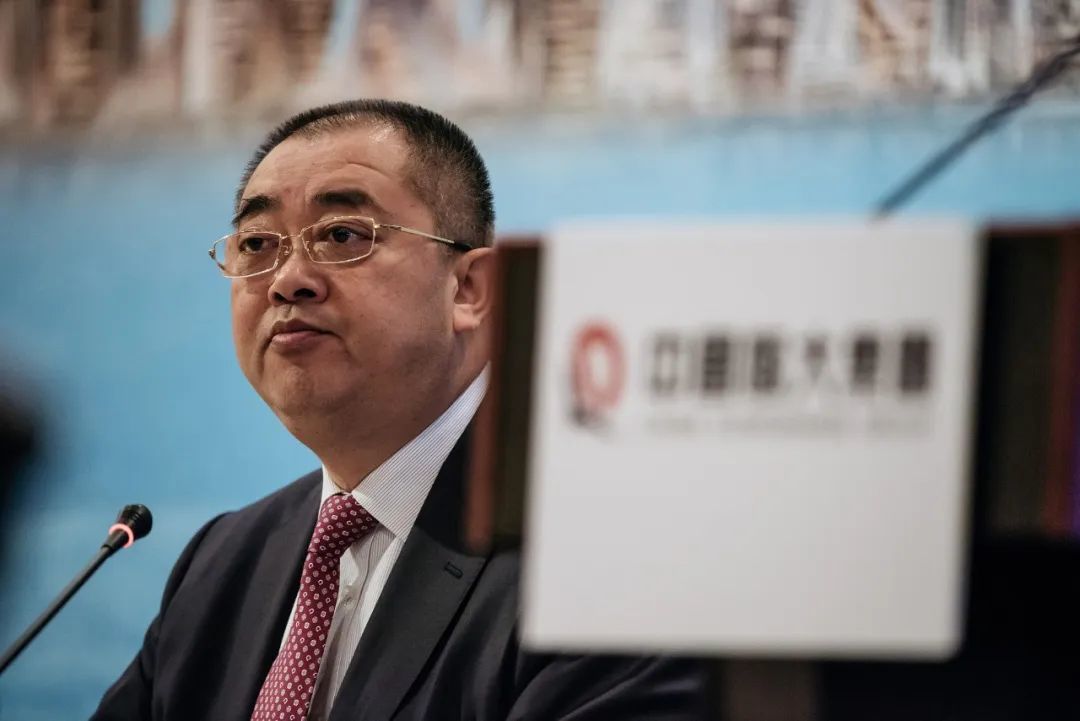
恒大前行政总裁夏海钧,被曝藏身美国加州而非加拿大!他妻子在美持有资产达1.7亿元,其12岁儿子就读于加州一所私立学校
Mei Ri Jing Ji Xin Wen· 2025-08-15 11:34
Core Points - China Evergrande (03333.HK) is set to lose its listing status starting August 25, with ongoing lawsuits against founder Xu Jiayin and other executives [1][2] - The Hong Kong High Court has revealed that former CEO Xia Haijun is not cooperating in disclosing overseas assets, with his wife holding assets worth $24 million [1][11] - The liquidators are pursuing claims against seven defendants for approximately $6 billion in dividends and compensation received from 2017 to 2020 [2][12] Group 1 - The Hong Kong High Court issued a winding-up order for China Evergrande 18 months ago, appointing liquidators to recover debts for overseas creditors [2] - Liquidators have filed lawsuits against Xu Jiayin, his ex-wife Ding Yumei, Xia Haijun, and related companies, seeking to reclaim $6 billion in dividends and compensation [2][12] - The liquidators have also obtained injunctions to restrict the defendants from disposing of or reducing their global assets valued at HKD 60 billion [2] Group 2 - Xia Haijun has been reported missing, and the China Securities Regulatory Commission has initiated procedures to handle his case due to inability to contact him [9][10] - Evidence suggests that Xia Haijun is the actual controller of assets held by his wife, who has significant holdings in California [11][13] - The court has approved adding Xia Haijun's wife as a defendant in the ongoing legal proceedings [18]
泽达易盛财务造假案未了 东兴证券天健等发起追偿诉讼
Zhong Guo Jing Ji Wang· 2025-08-15 05:52
Core Viewpoint - The company, 格尔软件, is involved in multiple lawsuits related to claims for compensation from various parties, including accounting and legal firms, following the fraudulent activities of a related company, 泽达易盛, which faced severe penalties from regulatory authorities [1][3]. Group 1: Lawsuit Details - The company received notifications regarding three lawsuits filed by 天健会计, 东兴证券, and 康达律所, which are seeking compensation related to the fraudulent activities of 泽达易盛 [1][2]. - The total amount claimed in the lawsuits includes approximately 123.46 million yuan for案件一, 215.33 million yuan for案件二, and 33.49 million yuan for案件三, summing up to a total of approximately 372.28 million yuan [3]. - The company is one of 39 defendants in these lawsuits, which have not yet gone to trial, and the impact on the company's profits remains uncertain [3]. Group 2: Background on 泽达易盛 - 泽达易盛 was penalized by the China Securities Regulatory Commission (CSRC) for fraudulent issuance and violations of information disclosure, leading to investor lawsuits against the company and its intermediaries [1][3]. - The CSRC has categorized 泽达易盛's case as a significant example of investor protection, highlighting the serious nature of the fraud and the subsequent administrative penalties imposed [3]. - 泽达易盛 was delisted from the Shanghai Stock Exchange on July 7, 2023, following these violations [4].

田野股份自曝财务造假背后:新式茶饮红利消退业绩“断崖” 私募基金陷关联交易接盘疑云
Xin Lang Zheng Quan· 2025-08-15 02:45
Core Viewpoint - Tianye Co., Ltd. is embroiled in a financial fraud scandal involving inflated revenues, manipulated costs, and misrepresented asset values, leading to significant financial restatements and potential delisting risks [1][2][3] Financial Performance - In 2024, Tianye's total profit was revised down from 34.08 million to 14.21 million, a decrease of approximately 58.3%, while net profit attributable to shareholders fell by 66.2% from 28.59 million to 9.65 million [2] - Revenue increased slightly by 7.3% compared to 2023, but net profit saw a dramatic decline of 71.5%, marking the lowest point since 2012 [2] - The company's revenue from core juice products accounted for 74.3% and 90.9% of total revenue in 2023 and 2024, respectively, but faced significant price pressures and declining margins [4][5] Client Dependency and Market Challenges - Major clients in the new-style tea beverage sector, such as Nayuki Tea and Tea Baidao, accounted for 82.9% of procurement, contributing significantly to revenue [2] - The competitive landscape has intensified, with major clients experiencing substantial losses, leading to reduced orders from Tianye [3][4] - The average price of mango juice dropped from 10,200 CNY/ton to 8,800 CNY/ton, while unit costs increased by 2%, resulting in a significant decline in gross margins [4][5] Governance and Investment Issues - Tianye established a private equity fund with Fangfu Venture Capital, but the fund's investment progress has raised concerns, with no direct project investments reported [6][7] - The fund's intended investment projects have been delayed, and there are questions regarding the legitimacy of certain transactions, including a questionable acquisition of shares in an unrelated biotech company [8][9] - Tianye has urged Fangfu to fulfill its capital contribution obligations by August 31, 2025, or risk exiting the fund [9]
60家上市公司集体暴雷!证监会连坐罚单首现,造假供应商被罚700万
Sou Hu Cai Jing· 2025-08-15 00:03
Core Viewpoint - The A-share market is experiencing a regulatory storm in 2025, highlighted by a series of violations by listed companies, notably the significant stock price drop of Hengxin Oriental, which reflects deep-seated financial issues and a loss of investor confidence [1] Group 1: Hengxin Oriental's Stock Price Collapse - Hengxin Oriental's stock opened down 17% on August 13, 2025, and further declined to 18.7%, resulting in a market value loss of 786 million yuan in a single day [1] - The company reported a cumulative net profit loss of 2.074 billion yuan from 2020 to 2024, with a 15% year-on-year revenue decline in Q1 2025 and an 11% increase in losses [1] - Financial discrepancies were revealed in the 2022 annual report, with revenue adjusted down from 492 million yuan to 310 million yuan, a reduction of 37% [1] Group 2: Broader Regulatory Actions - ST Gaohong was penalized for fabricating 19.8 billion yuan in revenue and fraudulently raising 1.25 billion yuan, leading to a 1.6 million yuan fine and a forced delisting process [3] - The regulatory crackdown has extended to the pharmaceutical sector, with five executives from Baiyunshan under investigation for inflating drug procurement prices and corruption [3] - Over 60 listed companies have been investigated for violations, with significant penalties imposed on executives, including ST Suwu, which inflated revenue by 1.98 billion yuan over four years [5][6] Group 3: Market Impact and Investor Reactions - The stock price of Jihua Group fell to the limit down after being formally investigated for information disclosure violations, indicating market skepticism despite the company's claims of normal operations [5] - By August 2025, 55 listed companies had been investigated for information disclosure violations, with penalties totaling 110.6 million yuan for nine companies and 58 executives [6] - Legal avenues for compensation have opened for investors who purchased shares during specific periods, with over 2,000 shareholders of Hengxin Oriental submitting trading records for claims [9]
“全链条追责”形成闭环!泽达易盛案三中介赔付5亿后起诉39名被告追偿3.7亿
Zhong Guo Jing Ying Bao· 2025-08-14 09:35
Core Viewpoint - The lawsuit against 39 defendants, including Geer Software, seeks to recover 372 million yuan due to their alleged collusion in financial fraud with ZeDa YiSheng, a company that has already faced penalties for fraudulent issuance [1][3][4]. Group 1: Legal Proceedings and Financial Implications - Geer Software and 38 other defendants are being sued by three intermediary institutions for a total of 372 million yuan, which includes compensation for investor losses and penalties paid to the regulatory authority [1][3]. - The three intermediary institutions, Tianjian Accounting Firm, Dongxing Securities, and Kangda Law Firm, are pursuing claims of 127.46 million yuan, 215 million yuan, and 33 million yuan respectively [3]. - The lawsuit is part of a broader trend where third-party entities that assist in financial fraud are being held accountable, marking a shift towards comprehensive liability in capital market fraud cases [2][5]. Group 2: Regulatory Context and Market Impact - The China Securities Regulatory Commission (CSRC) has noted a new trend in financial fraud involving third-party collusion, which disrupts market order and necessitates strict enforcement [2][5]. - The CSRC has previously penalized ZeDa YiSheng for fraudulent activities, and the ongoing lawsuits aim to extend accountability to all parties involved in the fraud ecosystem [6][11]. - Experts suggest that this legal action could deter future collusion in financial fraud by increasing the costs associated with such activities, thereby promoting a more responsible market environment [7][10]. Group 3: Implications for Intermediaries and Third Parties - The lawsuit emphasizes the need for intermediaries to conduct thorough due diligence and shift from mere formal reviews to substantive risk assessments [7][8]. - Legal experts argue that third parties who knowingly assist in financial fraud pose a greater risk to the capital market than intermediaries who may act out of negligence [8][11]. - The outcome of this lawsuit could set a precedent for how third-party involvement in financial fraud is treated legally, potentially leading to stricter enforcement and accountability measures [10][11].
配合造假的第三方,正浮出水面
Jin Rong Shi Bao· 2025-08-14 01:46
Group 1 - The core viewpoint of the articles highlights the increasing scrutiny and regulatory actions against third-party entities involved in financial fraud alongside listed companies in China's capital market [1][4][5] - The China Securities Regulatory Commission (CSRC) has signaled a clear intention to crack down on systemic fraud and the complicity of third parties, marking a new trend in financial misconduct [1][2] - In 2024, the CSRC has already identified multiple listed companies that engaged in financial fraud with the assistance of third parties, indicating a growing concern over the integrity of the market [1][2] Group 2 - The recognition of third-party complicity in financial fraud is not a new phenomenon, with a significant number of companies and third parties involved in such activities from 2019 to 2023 [2][3] - The complexity and hidden nature of these fraudulent schemes, often involving multiple entities, make detection and regulatory enforcement challenging [2][3] - The involvement of various stakeholders, including intermediaries, financial institutions, and suppliers, complicates the governance and accountability of fraudulent activities [3][4] Group 3 - The regulatory framework is evolving to address the issue of third-party complicity in financial fraud, with new guidelines and legal provisions being established [5][6] - The CSRC is working towards a comprehensive punitive system that includes civil, administrative, and criminal liabilities for third parties involved in financial fraud [6][7] - Recent legal updates have clarified the responsibilities and potential penalties for third parties, enhancing the enforcement capabilities of regulatory bodies [5][6] Group 4 - Future regulatory efforts will focus on improving evidence collection and legal interpretations to effectively combat third-party complicity in financial fraud [8][9] - There is a call for a more integrated approach among various regulatory and enforcement agencies to enhance the detection and prosecution of financial fraud [9] - The use of advanced data analysis techniques is suggested to monitor irregularities in financial reporting and identify potential fraud more effectively [9]


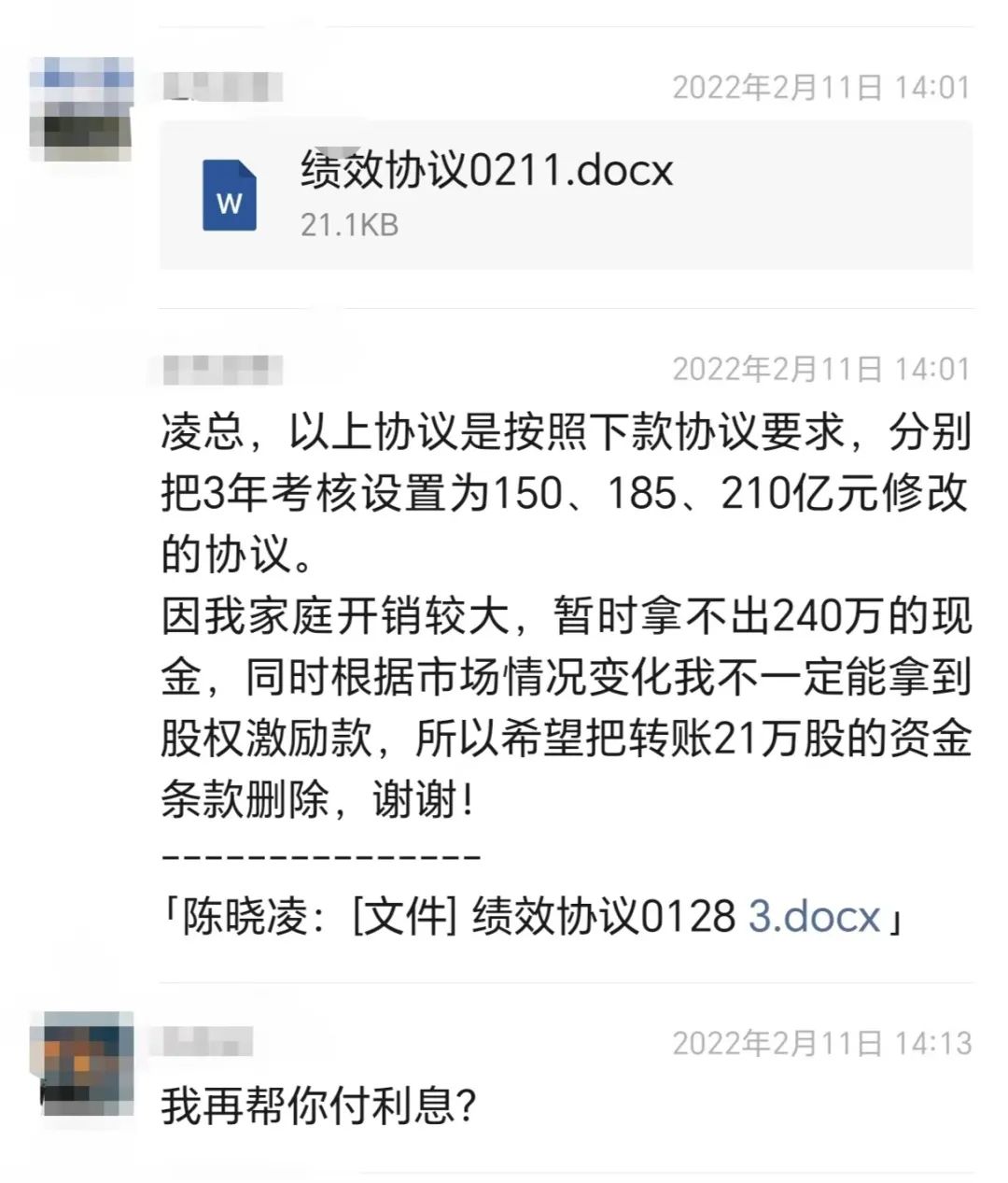
公司造假?董秘敲诈?安靠智电“吹哨人”疑案始末
Feng Huang Wang Cai Jing· 2025-08-13 16:16
Core Viewpoint - The ongoing legal dispute between Ankao Zhidian and its former secretary Huang Jiegen has reached a significant milestone with Huang being convicted of extortion, which he plans to appeal. The case highlights the complexities surrounding allegations of financial misconduct and the challenges of corporate governance in the Chinese market [1][2][3]. Group 1: Background of the Case - The conflict began in August 2022 when Huang questioned the authenticity of Ankao Zhidian's financial reports and refused to sign them, leading to accusations of extortion during negotiations for performance-based stock rewards [1][6][12]. - Huang's allegations of financial fraud were based on discrepancies in the company's reported profits, which he believed were inflated through premature revenue recognition [13][15][16]. Group 2: Legal Proceedings - Huang was arrested on July 28, 2023, during a court hearing related to his administrative lawsuit against the regulatory bodies for not investigating the alleged financial fraud [2][3]. - The court's ruling on August 11, 2023, found Huang guilty of extortion, with the sentence expected to be severe, although details remain undisclosed as he intends to appeal [1][4]. Group 3: Financial Allegations - Huang reported that Ankao Zhidian had inflated its profits by 44% in the 2021 semi-annual report and by 64.5% in the annual report, primarily through the early recognition of revenue from a project that had not yet generated actual income [15][16]. - The company’s financial performance has deteriorated significantly, with its stock price dropping by 60% since its peak in November 2021, reflecting a loss of investor confidence [24]. Group 4: Company and Industry Impact - Ankao Zhidian, which specializes in cable connection systems and gas-insulated transmission systems, has faced severe scrutiny and regulatory actions due to the allegations of financial misconduct [12][16]. - The ongoing legal battle and the company's declining stock performance have led to a significant reduction in institutional investor holdings, from 15.3% to 2.1%, indicating a loss of market trust [24].