
AI大模型

Search documents
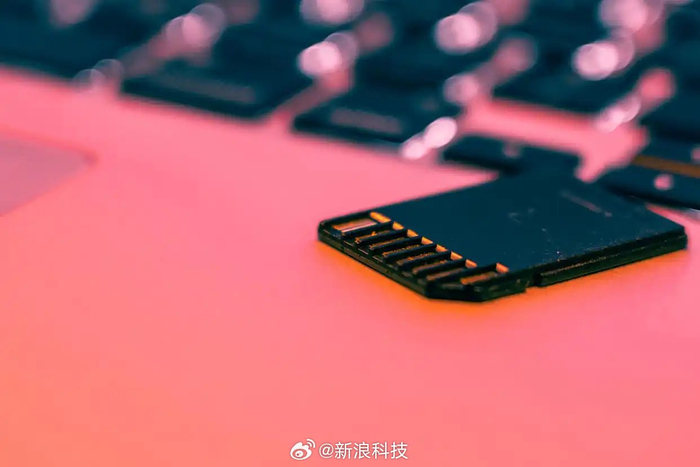
存储芯片掀涨价风暴 传多家手机厂商暂停采购
Ju Chao Zi Xun· 2025-11-15 02:54
Core Viewpoint - The ongoing surge in storage chip prices, driven by increased demand from data centers due to the AI model wave, is causing major smartphone manufacturers to delay their procurement plans for storage chips, with inventory levels critically low [1][4]. Group 1: Impact on Smartphone Manufacturers - Major smartphone manufacturers like Xiaomi, OPPO, and vivo are facing inventory levels below two months, with some DRAM stocks even less than three weeks, leading to tough decisions on whether to accept price increases of nearly 50% from suppliers [1][4]. - The price increase in storage chips is expected to directly impact the retail prices of mid to high-end smartphones, with price hikes ranging from 100 to 500 yuan due to rising storage costs [5][6]. - Industry experts predict that the severity of the current memory price increase exceeds expectations, resulting in a "price storm" that will ultimately affect consumers [5][6]. Group 2: Supply Chain Dynamics - The supply side is tightening, with major manufacturers like Samsung halting DDR5 DRAM contract quotes and reducing NAND flash supply to drive prices up [4]. - Samsung has lowered its NAND wafer production target for this year from 5.07 million to approximately 4.72 million units, while SK Hynix has reduced its target from 2.01 million to about 1.8 million units, a decrease of around 10% [4]. - Panic buying has begun among North American tech companies, with some suppliers already having their NAND supply for next year fully booked [4]. Group 3: Broader Industry Implications - The cost of storage chips, which is the second-largest expense in smartphones after processors, typically accounts for 10% to 30% of the total device cost, significantly influencing retail pricing [5]. - TSMC has notified key clients like Apple that prices for advanced chips below 5nm will increase by 8% to 10% starting in 2026, compounding the cost pressures on flagship models [5]. - The current memory shortage is described as the most severe in 30 years, with predictions of a 50% increase in NAND prices and potential doubling of DDR5 prices [6].



国产超节点扎堆发布背后
Jing Ji Guan Cha Wang· 2025-11-14 14:10
Core Insights - The AI computing power market is increasingly focused on "SuperNode" technology, with multiple companies showcasing their solutions at various conferences throughout 2023 [2][3] - The emergence of SuperNodes is driven by the need to overcome bottlenecks in training large AI models, particularly the "communication wall" that arises during parallel computing [4][9] - Domestic companies are adopting SuperNode technology as a practical solution to enhance overall computing power, compensating for limitations in single-chip performance [10][12] Group 1: SuperNode Technology - SuperNode refers to a high-density computing solution that integrates multiple AI chips within a single cabinet, allowing them to function as a unified system [6][7] - The design of SuperNodes involves two main approaches: Scale-Up, which increases resources within a single cabinet, and Scale-Out, which connects multiple cabinets [5][8] - The numbers associated with SuperNodes (e.g., "384", "640") indicate the number of AI training chips integrated within a single system, serving as a key metric for performance and density [7][8] Group 2: Industry Competition - Companies like Huawei and Inspur are positioning their SuperNode products as superior to NVIDIA's offerings, with Huawei claiming its Atlas 950 will outperform NVIDIA's NVL144 in multiple performance metrics [10][11] - The competitive landscape is marked by aggressive parameter comparisons, with domestic firms striving to achieve higher integration density within their SuperNode solutions [12][14] - The engineering challenges of integrating numerous high-power chips into a single cabinet necessitate advanced cooling and power supply technologies [12][14] Group 3: Market Demand and Challenges - The primary demand for AI computing power is expected to come from large internet companies and state-led cloud services, which have the infrastructure to support high-end computing needs [19][20] - Despite the strong demand, there are concerns about the sustainability of investments in AI computing infrastructure, particularly regarding the potential for overbuilding [20][22] - The software ecosystem remains a significant challenge for domestic manufacturers, as effective software solutions are crucial for the successful deployment of high-density computing systems [18][22]




Rokid联合BOLON发布BOLON AI 智能眼镜,售价2199元
Bei Jing Shang Bao· 2025-11-14 12:40
Core Viewpoint - Rokid and BOLON have launched new smart eyewear products, showcasing innovations in functionality, fashion integration, and ecosystem development in the wearable technology sector [1] Product Details - Rokid's national trend series "Wind, Forest, Fire, Mountain" includes four versions, with three prices announced: 5688 yuan, 5858 yuan, and 4599 yuan for the Forest, Fire, and Mountain series respectively [1] - BOLON's AI smart glasses feature the Qualcomm AR1 processor, compatibility with multiple mainstream AI models, a 12-megapixel camera from Sony, and dual-directional speakers. The initial release includes sunglasses and optical glasses in Geek Gray and Radiant Black, priced at 2199 yuan [1]
手机厂商暂缓采购存储芯片,DRAM库存低于三周
Xin Lang Ke Ji· 2025-11-14 12:36
Core Viewpoint - Multiple smartphone manufacturers have paused their procurement of storage chips due to soaring prices, with some facing DRAM inventory levels below three weeks, while the demand from data centers driven by AI models is pushing prices higher [1][2]. Group 1: Market Dynamics - Smartphone manufacturers like Xiaomi, OPPO, and vivo are experiencing low inventory levels, with DRAM stocks generally under two months and some below three weeks [1]. - The price increase for storage chips is driven by a surge in demand from data centers, which are willing to pay over 30% more than smartphone manufacturers for the same products [1][2]. - Major storage manufacturers, including Samsung and SK Hynix, have reduced their NAND flash supply in the second half of the year to drive prices up [1][2]. Group 2: Production Adjustments - Samsung has lowered its NAND wafer production target for the year from 5.07 million to 4.72 million, while Kioxia and SK Hynix have also reduced their production targets [2]. - The shift towards quad-level cell (QLC) technology due to AI demand is contributing to the decline in NAND flash production [2]. - Panic buying among North American tech companies has led to some suppliers having their NAND supply for next year fully booked [2]. Group 3: Impact on Smartphone Industry - The rising prices of storage chips are causing uncertainty among smartphone manufacturers regarding whether to reduce specifications or increase prices [3]. - Companies like SMIC have reported cautious procurement behavior in the mobile and networking sectors due to supply shortages and price hikes [3]. - The current inventory levels of major manufacturers are nearing depletion, indicating limited room for price reductions [3]. Group 4: Future Outlook - Even if manufacturers choose to increase production, it will take one to two years to meet current market demand [4]. - The prevailing strategy among major manufacturers is to reduce production to maximize profits, suggesting that storage chip prices may continue to rise in the first half of next year [5].
长春高新拟港股上市 中国证监会要求补充说明募集资金用途等
Zhi Tong Cai Jing· 2025-11-14 12:16
Core Viewpoint - The China Securities Regulatory Commission (CSRC) has published supplementary material requirements for overseas listing applications, specifically addressing the case of Changchun High-tech (000661) and its fundraising and AI-related business details [1][2]. Group 1: Regulatory Requirements - CSRC has requested Changchun High-tech to clarify the use of raised funds and the specifics of its AI large model business [1][2] - The company must provide a legal opinion regarding the ownership structure of its controlling shareholder, Jilin Province Xinzhen Fund Partnership, and whether any legal restrictions on shareholding exist [1][2] - The company is required to explain the potential impact of its controlling shareholder's equity pledge on the control of the issuer and compliance with relevant regulations [1][2] Group 2: Business Operations - Changchun High-tech is described as an innovation-driven pharmaceutical group with a comprehensive product portfolio covering therapeutic biological agents, chemical drugs, vaccines, and traditional Chinese medicine [2] - The company is one of the few domestic pharmaceutical enterprises capable of achieving full industry chain capabilities in research and development, production, and commercialization across all major drug registration types in China [2] - The company has established a strong and diversified product portfolio in various therapeutic areas, including endocrine and metabolic diseases, women's health, immune and respiratory diseases, tumors, vaccines, and traditional Chinese medicine [2]

新股消息 | 长春高新(000661.SZ)拟港股上市 中国证监会要求补充说明募集资金用途等
Zhi Tong Cai Jing· 2025-11-14 12:12
Core Viewpoint - Changchun High-tech (000661.SZ) is required by the China Securities Regulatory Commission (CSRC) to provide additional explanations regarding the use of raised funds and specific details about its AI large model business as part of its application for listing on the Hong Kong Stock Exchange [1] Group 1: Regulatory Requirements - The CSRC has requested Changchun High-tech to clarify the penetration situation of its controlling shareholder, Jilin Province Xinzhen Fund Partnership, and whether there are any legal restrictions on shareholding [2] - The company must explain the potential impact of its controlling shareholder's equity pledge on the control of the issuer before and after the listing [2] - The CSRC requires a detailed explanation of the company's business related to AI large models, including application scenarios and specific functions [3] Group 2: Fundraising and Business Operations - Changchun High-tech is asked to provide a detailed account of the intended use of the funds raised from the listing [4] - The company must confirm the legality and compliance of its establishment and previous equity changes, focusing on significant aspects [5] - The company operates in various fields, including therapeutic biopharmaceuticals, chemical drugs, vaccines, and traditional Chinese medicine, and is one of the few domestic pharmaceutical companies with full industry chain capabilities in these drug types [5]
新股消息 | 长春高新拟港股上市 中国证监会要求补充说明募集资金用途等
Zhi Tong Cai Jing· 2025-11-14 12:05
Core Viewpoint - The China Securities Regulatory Commission (CSRC) has published supplementary material requirements for 10 companies, including Changchun High-tech (000661.SZ), which is seeking to list on the Hong Kong Stock Exchange. The CSRC has requested additional information regarding the company's fundraising purposes and its involvement in AI large models [1][2]. Group 1: Regulatory Requirements - The CSRC has requested Changchun High-tech to clarify the ownership structure of its controlling shareholder, Jilin Province Xinzhen Fund Partnership, and whether there are any legal restrictions on shareholding [1]. - The company must provide details on the potential impact of share pledges by its controlling shareholder on the control of the issuer, including the reasons for stock pledges and the repayment capabilities of relevant parties [1]. - The CSRC has asked for a detailed explanation of the company's business related to AI large models, including application scenarios and specific functionalities [1]. Group 2: Fundraising and Business Operations - Changchun High-tech is required to provide a detailed account of the intended use of the funds raised from the listing [2]. - The company must confirm the legality and compliance of its establishment and any changes in shareholding, focusing on significant aspects [3]. - The company needs to elaborate on its subsidiaries' business operations, including internet information services, clinical trial services, and whether they have obtained necessary qualifications and licenses [3]. Group 3: Company Overview - Changchun High-tech is an innovation-driven pharmaceutical group with a comprehensive portfolio covering therapeutic biological agents, chemical drugs, vaccines, and traditional Chinese medicine [3]. - The company is one of the few domestic pharmaceutical enterprises capable of achieving full industry chain capabilities in research and development, production, and commercialization across all major drug registration types in China [3]. - It has established a strong and diversified product portfolio in areas such as endocrine and metabolic diseases, women's health, immune and respiratory diseases, tumors, vaccines, and traditional Chinese medicine [3].
【独家】多家手机厂商暂缓采购存储芯片,部分厂商库存不足三周
Xin Lang Cai Jing· 2025-11-14 11:49
Core Viewpoint - The surge in upstream storage chip prices has led several smartphone manufacturers, including Xiaomi, OPPO, and vivo, to pause their procurement for the current quarter, as they face significant price increases of nearly 50% from suppliers like Micron, Samsung, and SK Hynix [1][5]. Group 1: Market Dynamics - The demand for storage chips has surged due to the AI model wave, with data centers willing to pay over 30% more than smartphone manufacturers for the same products [1]. - Major storage manufacturers, including Samsung and SK Hynix, have reduced their NAND flash supply in the second half of the year to drive up prices [1][2]. - Samsung has lowered its NAND wafer production target for the year from 5.07 million to 4.72 million, a decrease of about 7% [2]. Group 2: Pricing Trends - The price of DDR5 DRAM surged by 25% within a week after Samsung paused its contract pricing for October [1]. - SanDisk raised its NAND flash contract prices by 50% in November, prompting other major manufacturers to follow suit [4]. - The cost of storage chips typically accounts for 10%-30% of a smartphone's total cost, with high-end models seeing costs exceed 20% [5]. Group 3: Supply Chain Implications - Smartphone manufacturers are currently cautious in their procurement strategies due to rising costs, with many projects being halted due to high storage chip prices [5]. - Semiconductor companies like SMIC have delayed shipments of mobile products due to supply shortages and price increases [5]. - The current inventory levels of major manufacturers are nearing depletion, limiting their ability to lower prices [5]. Group 4: Future Outlook - Even if manufacturers choose to increase production, it will take one to two years to meet current market demand [6]. - The ongoing AI demand may have speculative elements, and true demand levels may not be clear until next year [6]. - It is anticipated that storage chip prices will continue to rise in the first half of next year due to reduced production by major suppliers [6].

11月14日和顺石油(603353)涨停分析:华为超充布局、治理优化、行业需求驱动
Sou Hu Cai Jing· 2025-11-14 07:25
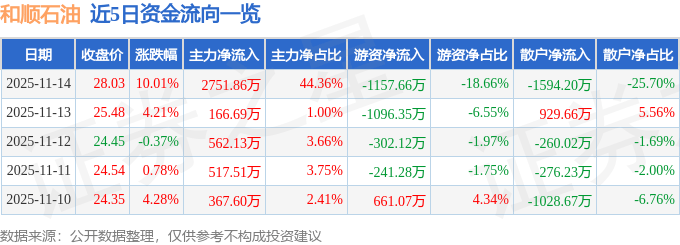
Core Viewpoint - The stock of Heshun Petroleum reached a closing price of 28.03 yuan on November 14, with a significant increase of 10.01% due to various positive factors including advancements in its new energy strategy and improved corporate governance [1][2]. Company Developments - Heshun Petroleum is accelerating its new energy strategy by fully equipping existing and planned charging stations with Huawei's liquid-cooled ultra-fast charging equipment, aiming to operate six ultra-fast charging stations by the end of 2024, aligning with the trends in the electric vehicle industry [1]. - The company has optimized its governance structure by abolishing the supervisory board and revising 21 internal regulations to establish a modern management system, resulting in a significant decrease in management and financial expenses, and a year-on-year increase of 237.32% in net cash flow from operating activities [1]. - The introduction of AI models to optimize procurement and inventory decisions has enhanced the company's core competitiveness through digital transformation [1]. Industry Context - The oil and petrochemical sector is experiencing increased activity due to rising heating demand from the cold winter and an uptick in liquefied natural gas prices, benefiting companies within this industry [1]. - On the same day, the petrochemical concept sector saw a slight increase of 0.61% [4]. Market Activity - On November 14, the net inflow of main funds into Heshun Petroleum was 27.52 million yuan, accounting for 44.36% of the total transaction volume, while retail investors showed a net outflow of 15.94 million yuan, representing 25.7% of the total [1][2].

港股互联网板块调整,恒生科技ETF(513130)交投活跃
Xin Lang Ji Jin· 2025-11-14 07:02
Core Insights - The Hong Kong technology sector experienced a significant decline, but strong earnings reports from leading internet and semiconductor companies, along with the launch of a new AI model development project, have attracted investor interest in related ETFs [1][2] Group 1: Market Performance - The Hang Seng Technology ETF (513130) saw a trading volume exceeding 3.3 billion yuan as of midday, indicating strong interest from investors during the sector's pullback [1] - The Hang Seng Technology Index's latest PE ratio is 23.09, which is below the historical average, suggesting that the sector may be at an attractive price point for investment [1] Group 2: Company Developments - A leading internet company reported double-digit growth across its core business in Q3 2025, surpassing market expectations and validating the positive cycle of AI investment and high-quality growth [1] - Another major semiconductor foundry reported record high revenue and capacity in Q3 2025, indicating robust operational performance [1] - A different internet leader has initiated a new AI model project aimed at creating a personal AI assistant to compete with ChatGPT, which is significant for the development of AI models in China [1] Group 3: ETF Characteristics - The Hang Seng Technology ETF (513130) has over 435.65 billion yuan in assets and an average daily trading volume of 5.2 billion yuan this year, highlighting its large scale and favorable liquidity [1] - The ETF is recognized as a key tool for investors looking to gain exposure to the Hong Kong technology sector, with its top five holdings including Alibaba, SMIC, Tencent, Meituan, and NetEase [1]