硬科技

Search documents
硬科技持续领跑,众凌科技完成超4亿元新融资|21投融资周报
2 1 Shi Ji Jing Ji Bao Dao· 2025-11-11 05:55
Core Insights - The technology and manufacturing sectors are leading in both the number of cases and funding scale, with significant activity in integrated circuits, high-end manufacturing, artificial intelligence, and commercial aerospace [1][2]. Group 1: Financing Trends - The week saw a total of 52 financing events in the domestic primary market, with 33 disclosing amounts totaling approximately 53.19 billion RMB [2]. - The advanced manufacturing sector led with 14 financing events, raising about 18.57 billion RMB, followed by the biomedicine sector with 9 events totaling around 15.68 billion RMB, and artificial intelligence with 6 events raising approximately 6.44 billion RMB [3]. Group 2: Regional Financing Activity - The financing activities were primarily concentrated in Zhejiang Province, Shanghai, and Jiangsu Province, with 11, 9, and 8 financing events respectively [4]. Group 3: Active Investment Institutions - Notable active investment institutions included Yuanhe Origin, Cornerstone Venture Capital, and Zhongke Chuangxing, each completing 2 financing events, mainly in the technology and manufacturing sectors as well as healthcare [5]. Group 4: Notable Company Financing - Chip manufacturer Hangzhou Chip Zhengwei completed several hundred million RMB in Series A financing [27]. - Semiconductor company Chichip Semiconductor secured nearly 200 million RMB in Series A financing [52]. - Agile Medical completed several hundred million RMB in Series B financing, focusing on surgical robots [13]. - Micro Tao Biotechnology raised over 100 million RMB in angel round financing, specializing in cell therapy [16]. - Maimed Medical secured 100 million RMB in A+ round financing, focusing on innovative medical devices [18].

全球活跃的投资人齐聚无锡
FOFWEEKLY· 2025-11-11 05:40
Core Viewpoint - The article emphasizes the renewed interest of foreign capital in the Chinese market, highlighting a strategic shift as international investors express optimism about China's economic growth and investment opportunities [4][10][19]. Group 1: Foreign Capital Interest - Foreign capital is increasingly focusing on strategic investments in China, with many international institutions raising their growth forecasts for the Chinese economy [4][10]. - The "2025 IPEM Private Equity and Industry Conference" in Wuxi attracted over 200 international GP and LP institutions, indicating a strong interest in global private equity trends and cross-border cooperation [4][10]. Group 2: Wuxi's Investment Ecosystem - Wuxi has become a hub for global capital, with significant contributions from technology and innovation, evidenced by a technology progress contribution rate exceeding 69% and a total market value of technology companies ranking sixth nationally [8][9]. - The city hosts 7,200 foreign enterprises, with imports and exports accounting for nearly 60% of the total trade, showcasing its robust international trade environment [8][9]. Group 3: Market Recovery and Investment Trends - 2023 is identified as a pivotal year for foreign capital re-entering China, driven by policy incentives and breakthroughs in local technological innovation [12][14]. - The venture capital landscape is showing signs of recovery, with a 40.3% month-on-month increase in LP investment activity in September, reaching the highest level of the year [16]. Group 4: Domestic VC Strategies - Domestic venture capital firms are actively preparing for the influx of global capital, with early-stage investment institutions particularly vibrant, indicating a return to high-frequency investment patterns reminiscent of a decade ago [16][17]. - The collaboration between dollar VC and state-owned capital is anticipated to be a significant trend in the next decade, particularly in the Yangtze River Delta region, which is experiencing heightened entrepreneurial activity [17]. Group 5: Future Outlook - The article concludes that the growth opportunities driven by China's new productive forces are becoming increasingly significant, with foreign capital transitioning from a wait-and-see approach to tentative re-engagement [19][20].

从北斗应用到零碳园区:解码湖南金融赋能新质生产力的实践样本
Zhong Guo Jin Rong Xin Xi Wang· 2025-11-11 03:21
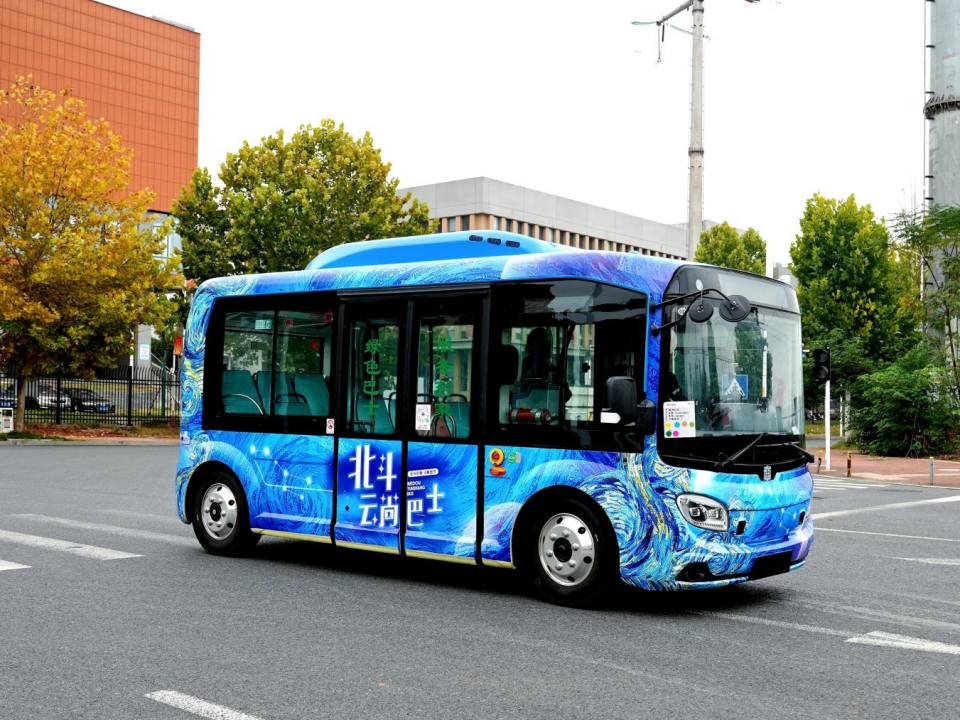
Group 1: Financial Empowerment in Technological Innovation - Hunan's financial system is increasingly acting as a "strategic partner" in supporting technological innovation and industrial upgrades through a service ecosystem tailored to these needs [1][2] - Agricultural Bank of China in Zhuzhou completed a credit approval of 1.97 billion yuan in just 20 days during the initial phase of the Beidou Industrial Park, marking a historical high for the bank [2] - China Railway Construction Heavy Industry Group received 3.88 billion yuan in loans from the National Development Bank to tackle key technologies in high-end tunnel boring machines (TBM), maintaining a leading market share in China [5] Group 2: Innovations in Transportation and Energy - The North Cloud Bus developed by CRRC Times Electric Co., Ltd. utilizes the Beidou system for real-time positioning and intelligent scheduling, showcasing significant technological advantages [4] - Hunan's financial institutions are supporting projects like the Dazeh Lake low-carbon demonstration park, which aims to create a clean energy system through geothermal energy [7][9] - Hunan Junxin Environmental Protection Co., Ltd. has built a leading environmental park with support from China Merchants Bank, processing nearly 10,000 tons of waste daily and achieving significant carbon reduction [10] Group 3: Support for Traditional Industries and Sustainable Development - The Chang-Zhu-Tan logistics hub project is a key national initiative aimed at transforming traditional logistics into a smart and low-carbon model, with a credit line of 1.45 billion yuan from the Bank of Communications [11] - Long-term partnerships between banks and companies, such as the 20-year collaboration between Changsha Bank and Salted Snack Manufacturer, illustrate the role of financial support in transitioning from traditional to smart manufacturing [13] - Hunan Liyu Environmental Energy Co., Ltd. has received 576 million yuan in loans since 2019, enabling it to provide approximately 11.9 billion kWh of green electricity annually and expand into international markets [10]
香港理工大学郑子剑:期望风投伙伴为“硬科技”落地赋能
2 1 Shi Ji Jing Ji Bao Dao· 2025-11-10 13:36
Core Viewpoint - The article emphasizes the importance of transforming "hard technology" projects from laboratory research into marketable products, particularly in the context of the Guangdong-Hong Kong-Macao Greater Bay Area's rapid innovation and technology development [1]. Group 1: Hard Technology Development - "Hard technology" startups are often led by university professors and researchers who possess advanced technology but generally lack market experience and operational capabilities [1][2]. - Ideal venture capital firms should assist these teams in building commercially viable organizations and connecting with industry chains and government resources to create a dual-driven model of "technology + market" [1][8]. Group 2: Government Support and Initiatives - The Hong Kong government has established various initiatives to support the commercialization of research outcomes, including the "Industry-Academia-Research 1+" program, which can provide up to HKD 100 million in funding for university startups [4][5]. - The government has also set up platforms like the Hong Kong Science Park to incubate startups and provide smaller-scale funding for projects [4][5]. Group 3: Research Achievements and Market Impact - Recent research achievements include flexible battery projects aimed at enhancing the flexibility of lithium batteries for wearable technology and robotics, and a composite fluid project that could make batteries lighter and more efficient, potentially increasing vehicle range and device usage time [3][4]. - Successful implementation of these projects could significantly impact various industries reliant on battery technology, leading to reduced electricity costs and battery prices for consumers [3]. Group 4: Talent and Resource Integration - There is a need for diverse talent to facilitate the commercialization of research, including not only researchers but also operational personnel who can navigate market dynamics [6]. - Hong Kong's universities have advantages in attracting research talent, but there is a shortage of operational talent in hard technology, which could be addressed by leveraging the engineering talent pool from mainland China [6]. Group 5: Venture Capital and Startup Support - Venture capital partners should not only provide funding but also support in talent acquisition and industry resource integration to help hard technology startups overcome challenges in commercialization [8]. - The article suggests that Hong Kong's venture capital ecosystem is still developing compared to mainland cities like Shenzhen and Beijing, indicating a need for enhanced collaboration and policy development to better support hard technology projects [8].
沪指放量上涨0.5%,A500ETF易方达(159361)、沪深300ETF易方达(510310)助力布局A股核心资产
Sou Hu Cai Jing· 2025-11-10 10:55
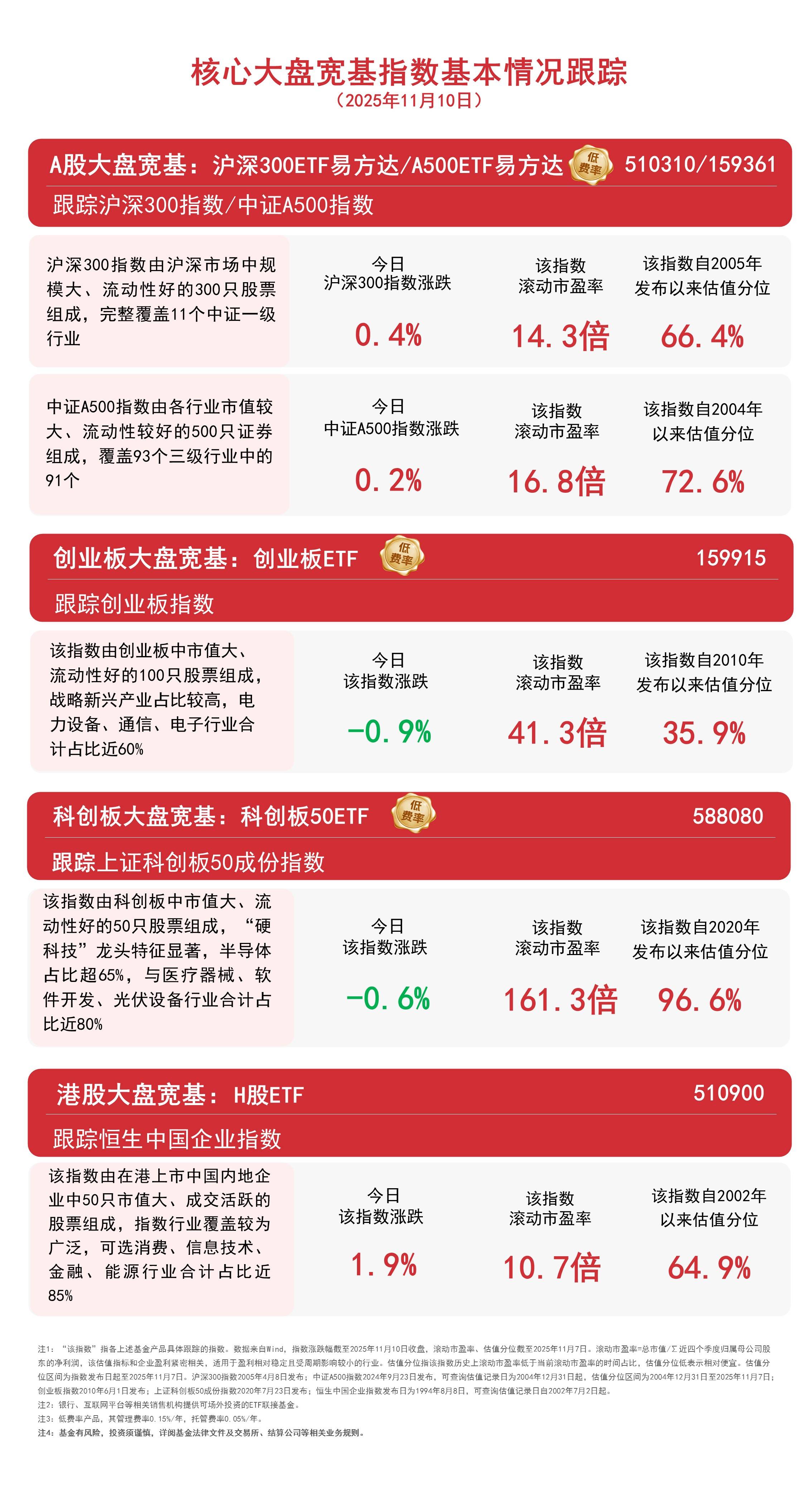
Group 1 - The Shanghai Composite Index increased by 0.5%, with a total market turnover of approximately 2.2 trillion yuan, which is over 170 billion yuan higher than the previous trading day [1] - More than 3,300 stocks rose, with sectors such as liquor, tourism and hotels, beauty care, retail, cultivated diamonds, non-ferrous metals, silicon energy, and phosphate chemicals leading the gains [1] - The Hong Kong stock market showed strong performance, led by consumer stocks, with retail, tourism, innovative pharmaceuticals, and oil and petrochemicals sectors strengthening [1] Group 2 - The CSI A500 Index rose by 0.2%, the CSI 300 Index increased by 0.4%, while the ChiNext Index and the STAR Market 50 Index fell by 0.9% and 0.6% respectively [1] - The Hang Seng China Enterprises Index increased by 1.9% [1] Group 3 - The ChiNext ETF tracks the ChiNext Index, consisting of 100 stocks with high market capitalization and liquidity, with a significant proportion in strategic emerging industries, particularly in equipment manufacturing, communications, and electronics, which together account for nearly 60% [2] - The STAR Market 50 ETF tracks the STAR Market 50 Index, composed of 50 stocks with high market capitalization and liquidity, prominently featuring "hard technology" leaders, with semiconductors accounting for over 65%, and combined with medical devices and software development, these sectors make up nearly 80% [2]
资本正在疯抢的“青年生产力”,谁才有机会穿越长周期?
创业邦· 2025-11-10 10:34
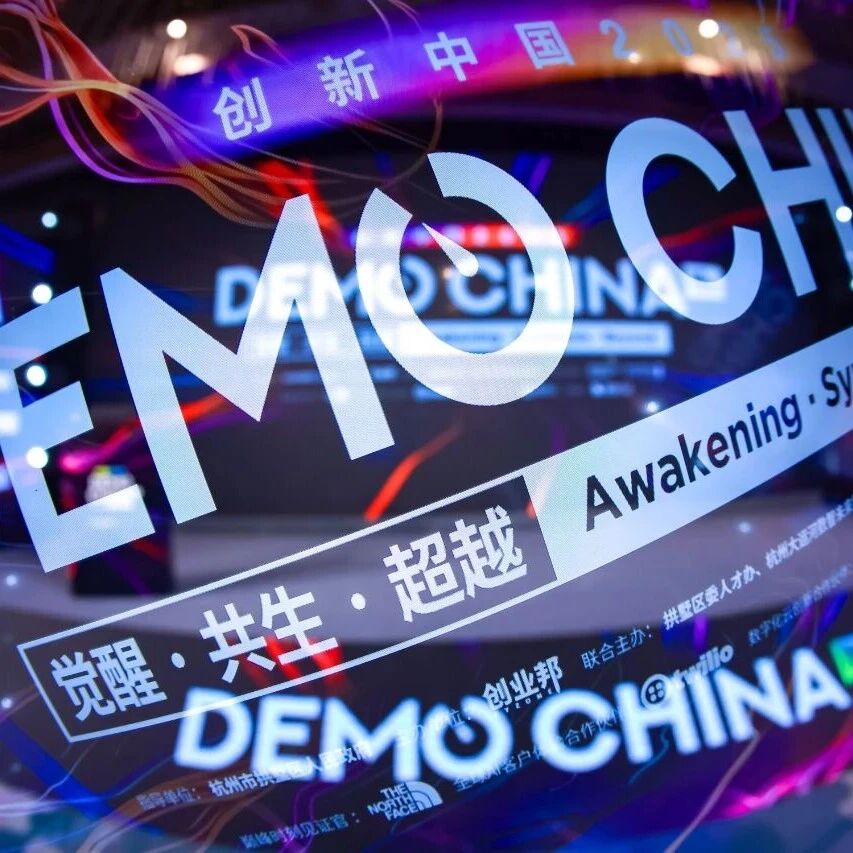
最近一年,在观察过数十 家硬科技创业公司的 CEO、CTO 之后, 创业邦的记者和编辑们得出了一 条核心结论: 他们的年纪越来越小,95后和00后正在以不可思议的速度给科技圈带来更多惊喜。 这批年轻的创业者,一部分拥有顶尖名校的理工科背景,带着实验室的技术成果和超越同龄人的认知 视野,一头扎进AI、具身智能、低空经济等前沿领域。早期投资人也敏锐地捕捉到这股"青年生产 力",不惜重金跑到世界各地的大学实验室里"围追堵截"式投资。 然而,对于更多"看起来很普通"的青年创业者而言,现实远非坦途。艰难的融资、漫长的技术验证、 以及穿越动辄8-10年低谷周期的定力,都是巨大的挑战。在世界青年日(International Youth Day)的背景下,我们关注的不仅是那些光芒万丈的"少年天才",更应关注这股在不确定性中坚持、 在质疑声中成长的青年创新群像。 DEMO CHINA,作为中国创投界的年度盛会,走过19个年头,始终坚信创业的酷与价值。它搭建的 舞台,正是为了让那些自信、张扬、狂热追梦的年轻野心家们,能被真正看到、理解,并得到支持。 前不久在杭州举办的本届DEMO CHINA,传递出一个清晰的信号:中国创投界正 ...
杉域资本:2025《新能源GP图谱》发布
FOFWEEKLY· 2025-11-10 10:06
Core Insights - The article emphasizes the significant growth and investment opportunities in the domestic renewable energy sector driven by geopolitical changes and energy security strategies, with a focus on achieving carbon neutrality and developing a new energy system [4][5]. Financing Overview - In 2024, the renewable energy sector saw 562 financing events, with early-stage financing (seed to A-round) accounting for nearly 70%, indicating a strong focus on technological leadership [6]. - The distribution of financing events shows a concentration in coastal economically developed regions, with Guangdong leading at 96 events, followed by Jiangsu at 93 events [9]. Regional Analysis - The renewable energy sector's development relies heavily on regional policy support, industrial chain economics, and professional talent resources, with the Yangtze River Delta and Pearl River Delta regions being key hubs [9]. Investment Focus - Investment is shifting towards hard technology, with significant capital directed at raw materials and key technologies (314 events), followed by energy storage (132 events) and hydrogen energy (82 events) [10]. - The focus on energy storage reflects the need for solutions to grid integration and peak shaving capabilities as installed capacity of wind and solar energy increases [10]. GP Selection and Background - A total of 1699 investment institutions were screened, resulting in 28 GP candidates with significant activity in the renewable energy sector [14][19]. - Most GPs in the renewable energy sector are backed by private capital, with a notable presence of industry-related shareholders [17][18]. Investment Stage Preference - The selected GPs predominantly focus on early-stage projects, with a significant portion of their investments in seed and A-round financing [24]. Performance Metrics - Key performance indicators for GPs include lead investment rates, independent investment rates, and the number of IPOs, which reflect their project selection and exit success [27][29][36]. Conclusion - The report aims to assist limited partners (LPs) in identifying active GPs in the renewable energy sector and provides comparative data to evaluate potential investment partners [41].

视频丨运动会国内首次!电光水雾“点燃”主火炬塔
Yang Shi Xin Wen Ke Hu Duan· 2025-11-09 23:49
Core Points - The opening ceremony of the 15th National Games featured a "water stage" and a simulated "tech flame" instead of real fire, showcasing advancements in technology and a commitment to low-carbon principles [3] Group 1 - The main torch was ignited using a photovoltaic power generation system, marking the first time green electricity was used to light the Olympic flame [3] - The event utilized a mist system and precise control to create a realistic and dreamlike visual effect, enhancing the overall experience for the audience [3] - The ceremony highlighted China's technological capabilities and innovation in sustainable practices within the sports industry [3]
4000亿消费电子龙头,获220多家机构调研
Zhong Guo Zheng Quan Bao - Zhong Zheng Wang· 2025-11-09 10:41
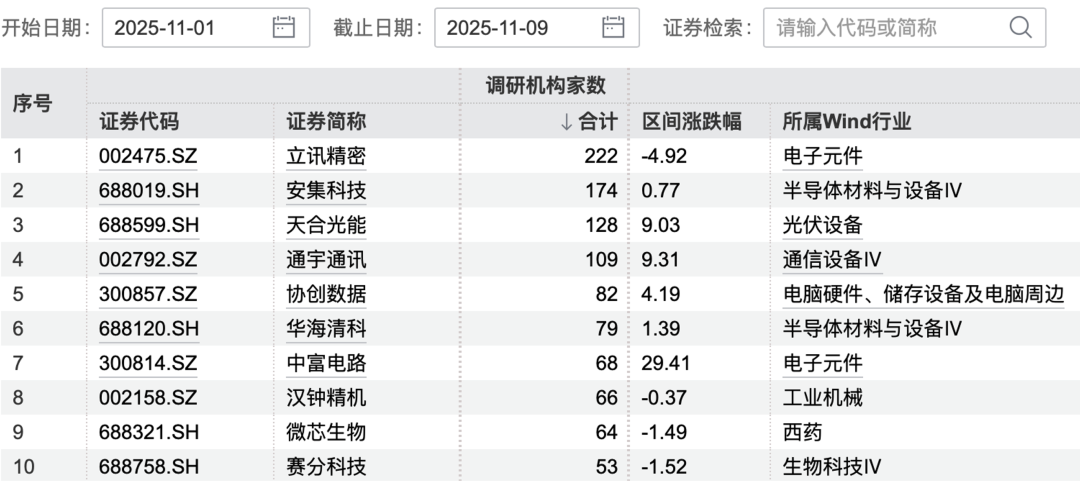
Core Insights - Over 400 A-share listed companies have been investigated by institutions since November, with Luxshare Precision receiving the most attention from over 200 institutions [1] - The focus of institutional research is on "hard technology" sectors such as electronic components and integrated circuits [1] - Companies are increasingly being asked about their future R&D directions and strategies to maintain competitive advantages in the evolving tech landscape [2][3] Group 1: Company Research Highlights - Luxshare Precision has been the most investigated company, with 222 institutions participating, despite a price drop of 4.92% [1] - Tongyu Communication is preparing for the transition from 5G to 6G, focusing on satellite internet as a core infrastructure and has made advancements in multi-beam communication and microwave technologies [3] - HNA Holding plans to optimize its fleet structure during the 14th Five-Year Plan period to enhance operational efficiency [5] Group 2: Industry Trends and Focus Areas - The technology sector, particularly in electronic components and integrated circuits, remains a focal point for institutional research, indicating a sustained interest in tech investments [6] - Investment opportunities are suggested in advanced semiconductor manufacturing, new energy systems, quantum technology, and AI-related fields [6] - The application side of technology is seen as a key area for structural growth, with high demand in sectors like robotics, consumer electronics, and power management chips [6]

一周概念股:硬科技企业扎堆上市 智能手机市场分化复苏
Ju Chao Zi Xun· 2025-11-09 05:59
AI Chip Competition - AMD has received export permission for its Instinct MI308 AI chip to China, positioning it as a competitor to NVIDIA's H20 AI chip, while NVIDIA faces restrictions on its B30A chip exports to China [2][3] - NVIDIA's CEO Jensen Huang stated that "China will win the AI race," highlighting the challenges faced by U.S. chip companies in balancing market access and export strategies [2][4] - AMD's cautious approach regarding the MI308 chip revenue reflects ongoing uncertainties in the Chinese market, contrasting with NVIDIA's struggles to sell its latest chips [3][4] Capital Market Trends - A surge in listings for hard tech companies has been observed, with several firms focusing on AI, autonomous driving, and advanced electronic materials going public in A-shares and Hong Kong [2][5] - Daming Electronics successfully listed on the Shanghai Stock Exchange, with its stock price soaring 413.5% on the first day, indicating strong market enthusiasm for tech-focused companies [5] - In Hong Kong, Pony.ai's IPO is set to be the largest in the global autonomous driving sector for 2025, while other companies like WeRide faced challenges with their stock performance post-IPO [6][5] Smartphone Market Dynamics - The global smartphone market is experiencing a mild recovery, with a 4% year-on-year increase in shipments, while the Chinese market shows a slight decline due to weak demand [8][11] - Samsung leads the global market with a 19% share, benefiting from strong sales of its Galaxy S25 series, while Apple and Xiaomi follow closely [8][11] - The high-end smartphone segment is growing rapidly, with Apple capturing 28% of the premium market in India, which has become the third-largest market for iPhones [16]