长期主义

Search documents
段永平最新出手了!
Sou Hu Cai Jing· 2025-08-08 05:16
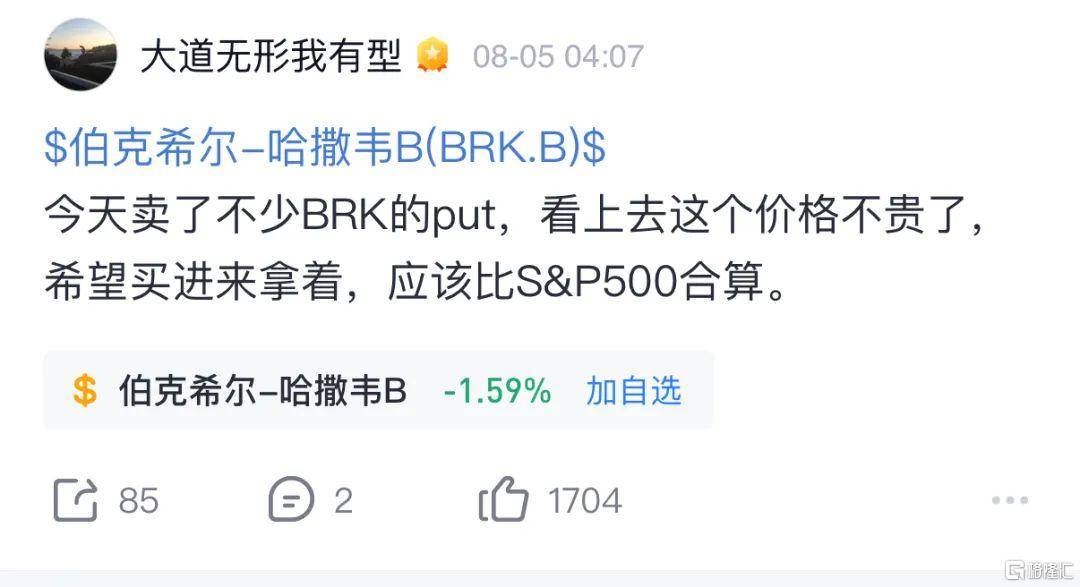
Core Viewpoint - The article discusses the recent investment activities of investor Duan Yongping, particularly his strategy of selling put options on Berkshire Hathaway amid a decline in its stock price following Warren Buffett's announcement to step down as CEO. Group 1: Investment Strategy - Duan Yongping has been actively selling put options, indicating an expectation that the stock price will either rise or not decline further [3][8]. - He sold a significant amount of put options for Berkshire Hathaway, suggesting that he believes the current price is attractive compared to the S&P 500 [1][5]. Group 2: Berkshire Hathaway's Performance - Berkshire Hathaway's stock price fell from a record high of $812,900 per share on May 2 to $685,200 on August 4, marking a 15% decline over three months [4][5]. - The company's Q2 2025 financial results showed total revenue of $92.515 billion, a slight decrease of 1.2% from $93.653 billion in Q2 2024, and a net profit of $12.37 billion, down 59% year-over-year [5][6]. Group 3: Market Context - The decline in Berkshire Hathaway's stock price is attributed to both Buffett's impending retirement and disappointing quarterly earnings, which were impacted by losses in its insurance business and a $3.8 billion impairment on Kraft Heinz [5][7]. - Despite the overall bullish trend in the U.S. stock market, Berkshire has been a net seller of stocks for 11 consecutive quarters and did not repurchase any shares in the first half of the year [5]. Group 4: Duan Yongping's Broader Investment Activities - Duan Yongping has made multiple investments this year, including a $2.9 billion purchase of shares in five companies during a market downturn in early April [10][11]. - Since April 7, notable stock price increases have been observed: Nvidia up 92%, TSMC up 66%, Google up 35%, Apple up 17%, and Tencent up 15% [15][16]. Group 5: Investment Philosophy - Duan Yongping emphasizes a long-term investment philosophy focused on value investing, advocating for investments in companies with strong business models and avoiding leverage and speculation [18][19][20].




立天地间 扬浩然气
Ren Min Ri Bao· 2025-08-08 02:55
Group 1 - The core message emphasizes the enduring spirit and resilience of the Chinese nation, highlighting historical figures who faced death with courage and defiance [1][2] - The article reflects on the importance of a strong national spirit, which has been a key factor in the survival and progress of the Chinese civilization through various challenges [1][3] - It discusses the evolution of this spirit from historical sacrifices to modern aspirations, showcasing how it continues to inspire the nation in contemporary times [2][3] Group 2 - The narrative illustrates how the spirit of sacrifice and determination has been a driving force behind significant advancements in China, from industrialization to technological achievements [2] - It highlights the collective mindset of the Chinese people, who remain steadfast in their ideals and ambitions, regardless of the circumstances they face [2][3] - The article concludes with a call to uphold and pass on this spirit to future generations, ensuring the continuity of national pride and progress [3]
段永平的投资哲学:从商业本质到人生智慧的深度解码
Sou Hu Cai Jing· 2025-08-08 02:53
Core Insights - The essence of investing is understanding that buying stocks equates to buying companies and their future cash flows [3][4][17] - Value investing is often misunderstood, with few grasping its true essence [3][17] Group 1: Investment Philosophy - The fundamental value of a company lies in its cash flow rather than profits, as demonstrated by the investment in NetEase, where a low market cap contrasted with high cash reserves [3][4] - Valuation is viewed as an art rather than a precise calculation, with a focus on qualitative assessments rather than strict financial models [4][17] - Market fluctuations are seen as opportunities rather than risks, with a strategy of buying during downturns exemplified by the investment in Tencent [5][17] Group 2: Dynamic Competitive Advantages - The concept of a "moat" is redefined as a dynamic capability to withstand competition, rather than static financial metrics [6][17] - Unique geographical advantages and proprietary formulas create irreplaceable barriers, as seen in the case of Moutai and Yunnan Baiyao [6][17] - Network effects in ecosystems, such as Apple's iOS and Tencent's WeChat, enhance value as user bases grow, leading to increased switching costs [7][17] Group 3: Cultural and Philosophical Insights - Corporate culture is emphasized as a crucial element of competitive advantage, with a focus on values that prioritize customer needs [8][17] - Awareness of one's own limitations is vital, as illustrated by the decision to avoid banking stocks due to a lack of understanding [9][17] - A contrarian approach to investing, such as increasing positions during market declines, is highlighted as a strategy to navigate market volatility [10][17] Group 4: Long-Term Investment Strategies - A long-term perspective is essential, with patience allowing for the benefits of compounding to materialize, as evidenced by the long-term holdings in Apple and Moutai [11][17] - The importance of understanding the fundamental value of companies remains constant, even amidst technological changes like AI [13][17] - Practical application of options strategies, such as selling put options, demonstrates a flexible approach to managing investment costs and risks [14][17] Group 5: Value Creation - The ultimate goal of investing is to create value rather than merely distribute it, with a focus on solving real problems for consumers [15][17] - The insights from the investment philosophy extend beyond finance, offering a broader perspective on life and decision-making [17]

年费十几万,年轻人走进禅修班
吴晓波频道· 2025-08-08 00:29
Core Viewpoint - The article discusses the growing demand for Zen meditation and traditional Chinese culture classes as a response to increasing mental and emotional stress in modern society, highlighting a significant market opportunity in this sector [6][16][32]. Group 1: Market Overview - The Zen meditation market is projected to grow from 500 billion in 2019 to 900 billion by 2024, indicating a robust expansion in consumer interest [6]. - The audience for Zen meditation classes can be categorized into three groups: those seeking anxiety relief, individuals looking for religious wisdom, and those pursuing spiritual knowledge [14][16]. - The demand for these classes is driven by rising psychological pressures, with a reported 38.7% of professionals experiencing daily overtime, leading to increased anxiety and health issues [19][16]. Group 2: Consumer Insights - Entrepreneurs like Zhang Li and Kong Rui have invested significantly in Zen meditation, with Zhang spending over 400,000 yuan since 2011 and Kong investing 120,000 yuan for a year-long program [3][10]. - Participants often report transformative experiences, gaining a sense of freedom, happiness, and security through Zen practices [11][12]. - The demographic of participants is shifting towards younger individuals, particularly those aged 19-30, who are increasingly engaging with traditional culture [39]. Group 3: Industry Challenges - Recent regulatory changes have raised concerns about the commercialization of Zen practices, with new guidelines prohibiting commercial operations related to meditation activities [35][36]. - The market has faced a downturn, with estimates suggesting a potential 50% decline in participation due to stricter regulations and rising costs [38]. - The industry is adapting by diversifying offerings and targeting younger audiences, including international school students, to sustain growth [38][39]. Group 4: Cultural Significance - The integration of Zen practices into modern life reflects a deeper cultural connection, as traditional Chinese philosophies provide unique value that typical commercial knowledge products may not offer [21][22]. - Participants often form new social networks that enhance their sense of community and support, akin to the social capital developed in traditional MBA programs [22][23][26]. - The long-term commitment to learning and personal development through Zen practices is seen as a pathway to achieving a more meaningful and balanced life [29][30].

破局行业寒冬 引发深度变革——一则汽车品牌招商政策视频备受热议为哪般?
Zhong Jin Zai Xian· 2025-08-07 06:38
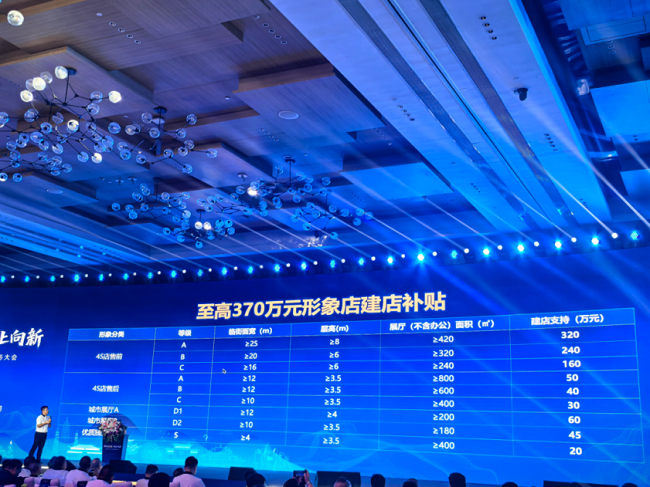
Core Insights - The Chinese automotive distribution industry is facing an unprecedented systemic crisis characterized by store oversupply, irrational price competition, and zero profit margins [1] - A recently exposed招商政策 video from Beijing Automotive Manufacturing Plant signals a potential transformation in the industry, addressing core pain points of dealers and highlighting the urgent need for a fundamental solution [1][2] Group 1: Current Challenges - Dealers are experiencing multiple pressures including liquidity issues, high operating costs, significant inventory pressure, and a sluggish market, leading to a continuous "network withdrawal tide" [2] - The structural crisis is weakening channel resilience and threatening the sustainable development of the entire industry [2] Group 2: Innovative Subsidy Policy - Beijing Automotive Manufacturing Plant has introduced a high-subsidy招商政策, offering up to 3.7 million yuan for store establishment, allowing dealers in low-cost areas to potentially acquire a store for free [2] - The policy also includes a two-year total of 360,000 yuan in employee salary subsidies, significantly alleviating cash flow and labor cost burdens for dealers [2] Group 3: Company Background and Strategic Support - Beijing Automotive Manufacturing Plant, established in 1951, has a rich history and strategic resources, including a 15.2 billion yuan investment in its Qingdao headquarters [3] - The company is now a key part of the world-renowned Weiqiao Group's new energy vehicle sector, focusing on lightweight, green, and intelligent automotive solutions [5] Group 4: Long-term Cooperation Mechanism - The policy framework of Beijing Automotive Manufacturing Plant extends beyond simple subsidies, incorporating multi-dimensional cooperation mechanisms to ensure long-term profitability for dealers [6] - The company has formed an industrial supply ecosystem with banks to provide diverse financing products and services, further easing financial pressures on dealers [6] Group 5: Future Strategic Outlook - With the support of Weiqiao Group, Beijing Automotive Manufacturing Plant aims to enhance its support in various areas, creating a win-win ecosystem with dealers and deepening connections with channels and users [9] - The independent brand "Ruisen Automotive" will focus on the core MPV business, aiming to redefine the MPV market and strengthen the breaking effect in the industry [9][12]
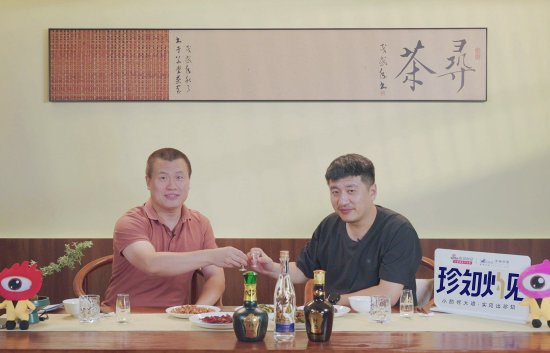
贵州珍酒独家赞助《珍知灼见》对话张雪峰:教育、慈善与长期主义的共鸣
Xin Lang Cai Jing· 2025-08-07 02:24
Core Insights - The article highlights the importance of quality and long-term commitment in both the education and liquor industries, exemplified by Zhang Xuefeng's approach to education and Guizhou Zhenjiu's business philosophy [1][3][4]. Group 1: Zhang Xuefeng's Educational Philosophy - Zhang Xuefeng, founder of Fengxue Weilai, emphasizes a quality-first approach in the college application consulting industry, having spent six years gathering information before gaining fame in 2016 [3]. - He rejected short-term profit opportunities to build a robust educational research system and provide personalized services to students and their families [3]. - Zhang's commitment to quality aligns with Guizhou Zhenjiu's "long-termism" brand value, focusing on traditional brewing methods while expanding production capacity [3]. Group 2: Guizhou Zhenjiu's Commitment to Quality - Guizhou Zhenjiu is set to produce 44,000 tons of liquor in 2024 and has a storage capacity of 100,000 tons, positioning itself among the top three liquor companies in Guizhou [3]. - The company launched a new strategic product, "Da Zhen·Zhenjiu," which emphasizes high quality, innovative packaging, and environmental considerations, catering to consumer demands for quality and value [4]. Group 3: Social Responsibility Initiatives - Zhang Xuefeng initiated the "Zhang Xuefeng Warm Wind Scholarship" project, donating at least 1 million yuan annually to support education [6]. - Guizhou Zhenjiu has established a national public welfare platform, raising over 5 million yuan for educational support and other charitable activities since its 50th anniversary [8]. - The company has contributed over 45 million yuan to various charitable causes since 2020, demonstrating a strong commitment to social responsibility [8]. Group 4: Program Impact and Reach - The program "Zhenzhi Zhuojian" has featured prominent guests and has garnered over 220 million views and 970 million topic reads, indicating significant public interest [9].
“长期主义”就是“戏比天大”
Ren Min Ri Bao· 2025-08-06 22:49
Group 1 - The journey from the stage play "The Stage" to the film adaptation has spanned 10 years, emphasizing the importance of continuous improvement and audience engagement in performances [1] - Good comedy is rooted in meaningful stories that resonate with the audience, rather than being overtly didactic [1][2] - The cultural depth of comedy is essential, with respect for traditions and details being crucial for creating authentic comedic conflict [2] Group 2 - The transition between various artistic forms, such as film, television, and stage, highlights the unique strengths of each medium while maintaining the core essence of the performance [3] - The concept of "long-termism" in the arts reflects a commitment to quality and tradition, with a focus on meticulous crafting of performances [3] - The importance of audience perception is emphasized, with performers needing to be attuned to audience reactions to refine their craft [2][3]
入驻京东,宜家中国继续全渠道创新的“打怪升级”
Xin Lang Cai Jing· 2025-08-05 04:12
Core Insights - The core viewpoint of the articles emphasizes that IKEA China is adapting to market changes by creating pathways for consumers to achieve a better life, focusing on a multi-channel strategy to meet the evolving shopping habits of younger consumers [1][15]. Group 1: Market Changes and Consumer Behavior - The shopping habits of young consumers in China have shifted significantly, with a preference for online shopping over traditional store visits, leading to a shorter decision-making process [1][2]. - Social media platforms like Xiaohongshu and Douyin are increasingly used by consumers to gather home decor inspiration and make purchases, reflecting a change in lifestyle and shopping behavior [1][2]. Group 2: IKEA's Strategic Response - IKEA China has introduced the "Growth+" strategy in 2023, focusing on adapting to consumer demands and establishing an organic multi-channel ecosystem [2][10]. - The online business of IKEA China has reached approximately 25% of its total sales, indicating a significant shift towards digital channels [2][5]. Group 3: Multi-Channel Strategy and Innovations - IKEA has expanded its online presence by launching a flagship store on JD.com, which helps reduce customer acquisition costs and meets the demand for one-stop home shopping [5][7]. - The integration of logistics and digital capabilities from JD.com enhances IKEA's service delivery and allows for better consumer reach [5][7]. Group 4: Long-Term Vision and Brand Positioning - The "Growth+" strategy is a long-term approach that positions IKEA as not just a furniture provider but as a lifestyle inspiration expert, focusing on personalized services across various consumer touchpoints [10][12]. - IKEA plans to invest 6.3 billion RMB in the Chinese market over three years, highlighting its commitment to long-term growth and adaptation to local consumer needs [10][14]. Group 5: Competitive Landscape and Future Outlook - The competition in the Chinese home furnishing market is fundamentally about interpreting lifestyle proposals, with brands that effectively address consumer value demands likely to establish competitive advantages [15]. - IKEA's collaboration with JD.com is seen as a strategic move to adapt to local market dynamics and explore new growth opportunities within its multi-channel framework [15].


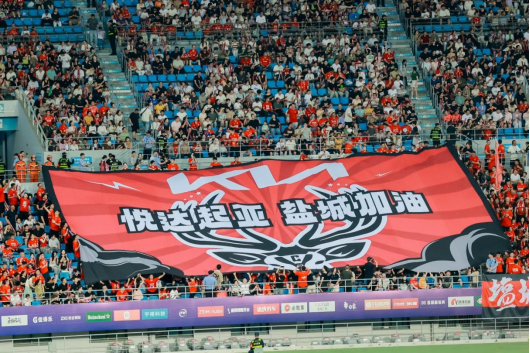
盐城5球大胜常州,悦达起亚燃情助威点燃赛场激情
Qi Lu Wan Bao· 2025-08-05 03:22
Group 1: Match Summary - Yancheng team achieved a decisive victory over Changzhou team with a score of 5:0 in the Jiangsu Provincial Urban Football League [1] - Despite not scoring, Changzhou team displayed commendable fighting spirit and received applause from the audience for their efforts [3] - The match highlighted the camaraderie between the teams, with players showing respect to fans and exchanging gratitude [5] Group 2: Sponsorship and Community Engagement - Yueda Kia, the main sponsor of Yancheng team, actively promotes football culture and social responsibility, providing free transportation for away fans and inviting special needs children to watch the match [6] - Kia, the parent company of Yueda Kia, has a strong presence in global sports sponsorship, partnering with FIFA and other major sports events, enhancing the visibility of the Jiangsu Urban Football League [8] - Since its establishment in Yancheng, Kia has sold over 6.5 million vehicles and contributed significantly to the local economy, with a sales revenue exceeding 645 billion [12]
厨卫行业将步入“步梯式”增长时代?看“厨电三杰”华帝如何穿越周期
Xin Lang Zheng Quan· 2025-08-04 01:15
Core Insights - The global economic landscape is undergoing significant changes, with challenges such as de-globalization, industrial decoupling, and increasing trade barriers impacting various industries, including the kitchen and bathroom sector [1] - The kitchen and bathroom industry is expected to see a retail sales growth of 3.9% year-on-year in the first half of 2025, indicating a shift from rapid growth to a more gradual "stair-step" growth model [1] - Long-termism is emerging as a key consensus among leading companies across industries, with firms like Huawei and BYD exemplifying this approach through sustained investment in foundational research and technology [1] Company Focus - Vatti, a leading high-end kitchen appliance brand in China, has embedded "long-termism" into its development strategy, emphasizing user needs, innovation, and differentiated value [1] - Over the past 33 years, Vatti has focused on research and innovation, achieving 4,416 patent technologies by the end of 2024, which strengthens its long-term development foundation [4] - Vatti has pioneered safety innovations in kitchen appliances, such as the ion flame-out protection technology, and has improved energy efficiency with its energy-efficient combustion technology, achieving a thermal efficiency of 84% [4] Product Innovation - Vatti has developed 543 patented technologies under its "Good Cleaning" strategy, creating a three-tier "clean" system that enhances kitchen experience by making cleaning easier and integrating appliances into home spaces [5] - The company launched the "Beauty Skin" water heater in 2025, utilizing self-developed high-activity water technology to provide deep cleaning and hydration, marking a significant advancement in the water heater industry [6] Market Positioning - Vatti has established a strong presence in the high-end kitchen appliance market, capturing nearly 45% of the online market share for range hoods in China from January to April 2025 [9] - The company has positioned itself as a high-end smart kitchen appliance brand, launching innovative products like the voice-controlled range hood and award-winning cooking stoves, enhancing its premium image [9] - Vatti actively engages younger consumers through modern marketing strategies, including collaborations with popular media and cultural events, to promote a new Chinese culinary lifestyle [12][11] Financial Performance - Vatti achieved growth in both revenue and net profit in 2024, contributing to the upward momentum of the kitchen appliance industry as it transitions into a "stair-step" growth phase [12]