
食品安全

Search documents
蔗糖可乐救不了肥胖的美国人
Hu Xiu· 2025-07-21 07:19
Core Viewpoint - Trump's announcement to negotiate with Coca-Cola to replace high fructose corn syrup with cane sugar in the U.S. soda formula is seen as politically motivated rather than a personal preference for soda [1][4]. Group 1: Economic Factors - High fructose corn syrup (HFCS) is widely used in the U.S. due to its cost advantage, stemming from protective tariffs on imported sugars and agricultural subsidies [2][3]. - Corn is the most subsidized crop in the U.S., accounting for about 30% of annual agricultural subsidies, which contributes to the low price of corn syrup [3]. - The political implications of Trump's proposal may involve interests of sugar industry supporters, such as the Van Hollen family in Florida, who are significant players in the sugar market [2][4]. Group 2: Health Concerns - The health debate surrounding corn syrup is significant, with figures like Robert F. Kennedy Jr. advocating against its use due to its association with rising obesity rates since the 1970s [5][10]. - Scientific studies present mixed conclusions on whether corn syrup is worse than cane sugar, with some suggesting fructose may increase the risk of metabolic syndrome and non-alcoholic fatty liver disease [5][6]. - Public perception of corn syrup has been negatively impacted by marketing efforts from traditional sugar producers, leading to a general distrust in food safety [7][9]. Group 3: Societal Implications - The ongoing debate between corn syrup and cane sugar reflects broader societal issues, including the affordability of healthy food options versus cheaper, high-sugar, high-fat foods [11][12]. - The obesity epidemic in the U.S. is exacerbated by economic factors, with lower-income individuals facing higher obesity rates due to limited access to healthier food choices [11][12]. - Technological solutions, such as GLP-1 medications for weight loss, are not universally accessible, particularly for lower-income populations, highlighting the intersection of health and socio-economic issues [12].



农产品溯源系统让农产品供应链更可靠
Sou Hu Cai Jing· 2025-07-21 06:32
Core Viewpoint - The reliability of the agricultural product supply chain has become a focal point due to frequent food safety issues and increasing consumer health awareness, with traceability systems leveraging technology to reconstruct trust in the supply chain and establish a "digital defense" for food safety [1] Group 1: Traceability System - The traceability system transitions from "vague tracking" to "precise transparency," addressing challenges in traditional supply chains where information is fragmented, making quality tracing difficult [4] - Technologies such as IoT, blockchain, and big data are integrated to create immutable "digital records" that ensure transparency from "farm to table," allowing consumers to access detailed growth information through product QR codes [4][8] - The system enables every participant in the supply chain to become a "responsible party" for quality safety [4] Group 2: Core Values of Traceability System - The traceability system safeguards food safety by enabling rapid identification of problem areas, such as tracing contaminated products back to specific planting locations and practices [7] - It enhances supply chain efficiency and reduces loss costs, with companies implementing traceability systems reportedly reducing loss rates by 15%-20% [10] - The system boosts brand competitiveness by meeting consumer demand for visible safety, with some brands experiencing a 30% increase in product premium rates due to enhanced transparency [10] Group 3: Technological Empowerment - IoT devices, such as soil sensors and cameras, collect real-time environmental data to ensure the authenticity of information [12] - Blockchain technology prevents data tampering, creating a trustworthy traceability network [12] - Big data analysis identifies potential risks in the supply chain, supporting quality control decisions [12] Group 4: Future Outlook - The traceability system promotes sustainable agricultural development by allowing precise adjustments to planting strategies and supporting government policy formulation based on traceability data [12] - Consumers can choose low-carbon products through carbon footprint tracking, contributing to carbon neutrality goals [12] - The integration of technology in agriculture addresses trust issues in the supply chain, leading to a safer, more efficient, and sustainable agricultural ecosystem [12]

老乡鸡四年五闯IPO "家族企业"近3年共收13项行政处罚
Zhong Guo Jing Ji Wang· 2025-07-20 23:22
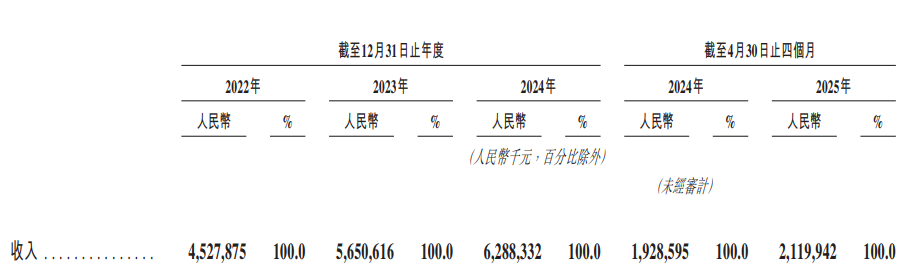
Core Viewpoint - LXJ International Holdings Limited, the parent company of Anhui Laoxiangji Catering Co., Ltd. (referred to as "Laoxiangji"), has filed a prospectus for an IPO on the Hong Kong Stock Exchange, following previous unsuccessful attempts to list on the A-share market. The company has experienced a slowdown in revenue and net profit growth in recent years, raising concerns about its financial health and operational challenges [1][11]. Financial Performance - Laoxiangji's revenue from 2022 to 2024 was reported at RMB 45.28 billion, RMB 56.51 billion, and RMB 62.88 billion, with year-on-year growth rates of 58.38%, 24.80%, and 11.27% respectively [4][5]. - The net profit for the same period was RMB 2.52 billion, RMB 3.75 billion, and RMB 4.09 billion, with year-on-year growth rates of 86.67%, 48.81%, and 9.07% respectively [5][6]. - In the first four months of 2025, revenue and net profit growth further slowed to 9.9% and 7.3% respectively [6]. Profitability Metrics - The gross profit margins for Laoxiangji from 2022 to 2024 were 20.3%, 23.3%, and 22.8%, which are significantly lower than competitors such as Xiaocaiyuan and Green Tea Group, whose margins were 66.14%-68.49% and 63.70%-68.92% respectively [2][9]. - The proportion of raw materials and consumables to revenue increased from 37.0% in 2022 to 42.7% in the first four months of 2025, indicating rising costs impacting profitability [8]. Corporate Structure and Control - Laoxiangji is a family-owned business, with the founding family holding 92.02% of the voting rights. The key stakeholders include Shu Xiaolong (70.78%), Shu Wen (15.02%), and Dong Xue (6.22%) [12][11]. - The company has made multiple attempts to go public, with three A-share applications submitted between 2022 and 2023, ultimately withdrawing due to regulatory challenges and timing issues [11]. Regulatory and Compliance Issues - Laoxiangji has faced multiple administrative penalties related to food safety, with 13 incidents reported from 2022 to 2024, resulting in fines and warnings [2][13]. - Specific violations included using expired ingredients and failing to meet hygiene standards, which have raised concerns about the company's operational practices [13][14].
湖南桃源两企业用走私冻鸭生产酱板鸭!网店回应在售产品详情
Nan Fang Du Shi Bao· 2025-07-20 13:12
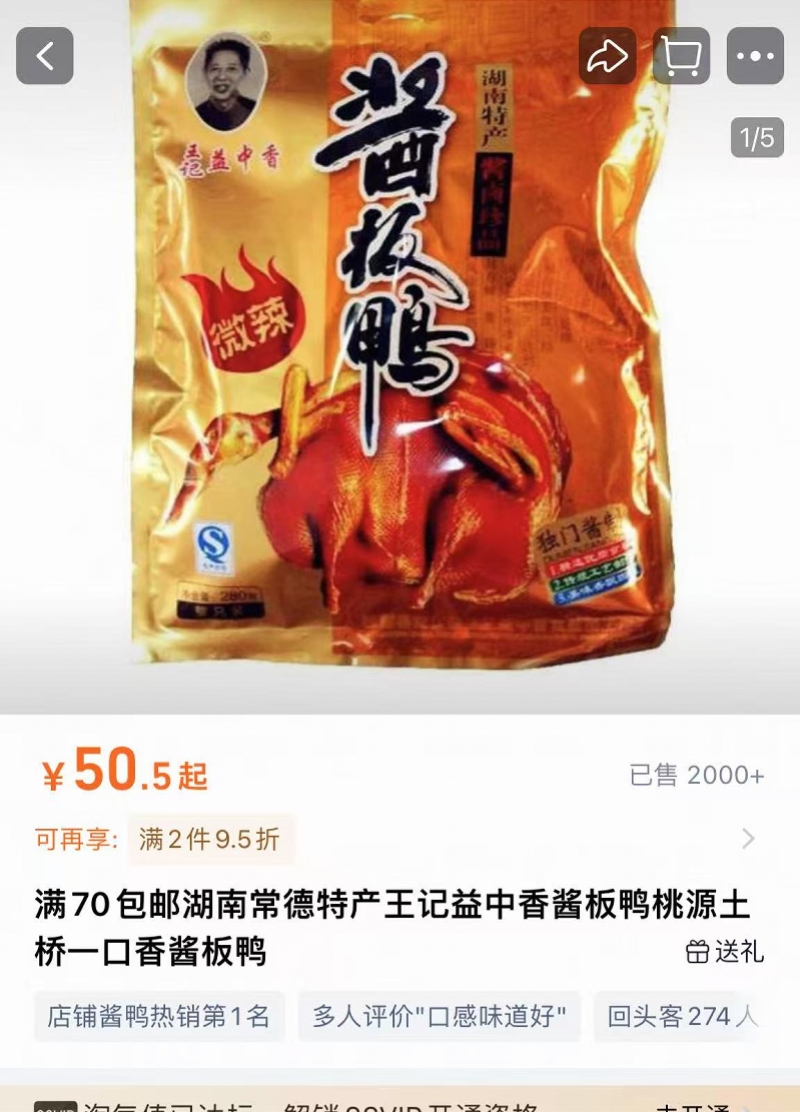
近日,湖南常德市桃源县两家公司的法定代表人、原法定代表人,因多次购入和使用走私越南冻鸭作为原料生产 酱板鸭被判刑,引发关注。当地通报称,两人被法院一审判处有期徒刑并处罚金。2023年至今累计对两家企业产 品抽检16批次,均为合格。7月20日,南都记者注意到,两家公司有关网店的多款酱板鸭产品在售。 有关网店在售产品。 南都记者注意到,近日,有网友发布了湖南常德市武陵区人民法院的一份刑事判决书,引发热议。判决书中,包 括湖南金信源食品有限公司、桃源县王记益中香食品加工厂等多家企业法定代表人,因犯生产、销售不符合安全 标准的食品罪被判刑。 桃源县市场监督管理局称,自2023年案发以来,该局将涉事企业及酱板鸭行业风险等级动态调整为高风险,纳入 县级重点监管名录,增加日常检查频次深度,实施专项抽检及"回头看"。2023年至今,累计对两家企业产品抽检 16批次,抽检结果均为合格。 2025年7月18日,该局已组织执法人员再次赶赴现场核查,未发现不符合要求的原材料,生产条件符合规范。后续 将根据司法判决对涉事企业和相关负责人作出相应处罚。 7月20日,南都记者注意到,涉案企业"湖南金信源食品有限公司"生产的酱板鸭仍在电商平 ...
甘肃通报幼儿园血铅异常调查结果
证券时报· 2025-07-20 11:46
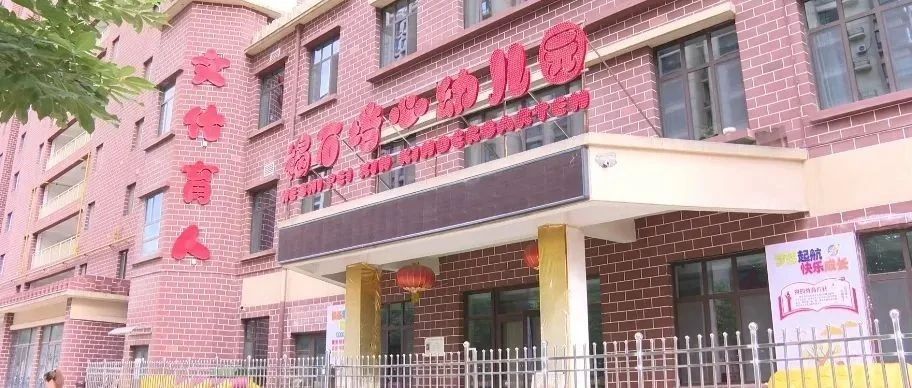
今天(7月20日),甘肃省委省政府调查组发布关于天水市麦积区褐石培心幼儿园幼儿血铅异常问题 调查处置情况的通报。 全文如下: 7月12日,甘肃省成立省委省政府调查组,提级调查天水市麦积区褐石培心幼儿园幼儿血铅异常问题。调 查组由省委省政府主要负责同志为组长,省纪委监委、省教育厅、省公安厅、省生态环境厅、省卫生健康 委、省市场监管局等部门参加,并请生态环境部、国家卫生健康委等部委专家参与。国务院食安办派出工 作组指导督办。现将调查处置情况通报如下。 一、关于案件侦办情况 经公安机关查明,天水市麦积区褐石培心幼儿园厨师贺某霞先后于2024年4月23日、2025年2月20日两次 通过网购平台,以6.12元/100g的价格购买黄色颜料1200g、以6.12元/100g的价格购买红色颜料1000g、 以6.88元/100g的价格购买绿色颜料900g。厨师牛某元、文某芳在上述颜料外包装明确标识"不可食用"的 情况下,将颜料掺入面粉用于制作玉米卷肠包、三色红枣发糕,从2024年5月至案发,平均每月6次向幼 儿和教职员工提供食用。2025年7月1日,公安机关进入幼儿园调查,厨师贺某霞、安某玲为逃避责任, 将剩余颜料藏匿。7月 ...

甘肃省卫健委主任、天水市委书记、天水市市长等10人被立案问责!甘肃通报褐石培心幼儿园幼儿血铅异常问题调查处置情况
中国基金报· 2025-07-20 11:43
Core Viewpoint - The investigation into the abnormal blood lead levels among children at the Keshan Peixin Kindergarten in Tianshui City, Gansu Province, revealed serious food safety violations, including the use of toxic non-food-grade pigments in food preparation, leading to significant health risks for children and staff [1][2][5]. Group 1: Case Investigation - The kindergarten's chef purchased non-food-grade pigments online, which contained extremely high lead levels, and used them in food served to children, resulting in lead concentrations in food samples far exceeding safety limits [2][12]. - The principal of the kindergarten, in collaboration with investors, directed the use of these pigments to enhance food appearance, despite knowing the risks involved [3][5]. - Six individuals involved in the food preparation process have been arrested for producing toxic and harmful food [4][5]. Group 2: Environmental Pollution Investigation - Investigations into the surrounding environment of the kindergarten showed no lead contamination in air, water, or soil, indicating that the source of lead exposure was not environmental but rather from the food served [6][7][8]. - Samples collected from nearby facilities also confirmed that they did not contribute to lead pollution, as they complied with environmental quality standards [9][10]. Group 3: Blood Lead Testing and Data Integrity - A total of 267 blood samples from children and staff were tested, revealing multiple cases of abnormal lead levels, with some results later found to have been altered, indicating serious lapses in medical oversight [14][15]. - The Gansu Provincial Center for Disease Control and Prevention's blood lead testing was compromised due to improper sample handling, leading to inaccurate results [15][16]. Group 4: Accountability and Consequences - Investigations have led to the accountability of 17 individuals, including officials from the Tianshui City Education Bureau and the Gansu Provincial Center for Disease Control, for negligence and corruption related to the incident [18][19][20]. - The provincial government has committed to a thorough investigation and strict measures to prevent future occurrences, emphasizing a zero-tolerance policy towards violations in food safety and public health [25]. Group 5: Medical Treatment and Follow-Up - All affected children and staff have undergone blood lead testing, with a significant number showing elevated lead levels, prompting immediate medical intervention [22][23]. - Treatment protocols have been established, and a substantial number of patients have already been discharged after successful treatment, with ongoing monitoring and support for their recovery [24].

甘肃最新通报!6人被批捕 ,17人被立案审查调查
券商中国· 2025-07-20 11:40
Core Viewpoint - The investigation into the abnormal blood lead levels among children at the Keshan Peixin Kindergarten in Tianshui City, Gansu Province, revealed serious food safety violations, including the use of toxic non-food-grade pigments in food preparation, leading to significant health risks for children and staff [1][4][22]. Investigation Findings - A special investigation team was established by the Gansu Provincial Government to address the blood lead issue, involving multiple departments and experts from national agencies [1]. - The investigation uncovered that the kindergarten's chefs purchased non-food-grade pigments online and used them in food preparation, resulting in lead levels in food items far exceeding safety standards [2][3][11]. - Specific lead concentrations found in the food included 1340 mg/kg in corn rolls and 1052 mg/kg in three-color red date cakes, both of which are significantly above the national safety limit of 0.5 mg/kg [2][11]. Environmental Impact Assessment - Environmental assessments around the kindergarten showed no lead contamination in air, water, or soil, indicating that the source of lead exposure was primarily from the food served at the kindergarten [5][6][8]. - The investigation included sampling from nearby areas, including a lead-zinc transfer station, which also showed lead levels within acceptable limits [7][8]. Legal and Regulatory Actions - Six individuals, including the kindergarten's principal and chefs, were arrested for their involvement in the production of toxic food [4][16]. - The investigation revealed systemic failures in oversight by local education and market regulation authorities, leading to multiple disciplinary actions against officials for neglecting their duties [17][18][22]. Health Monitoring and Response - Blood lead testing was conducted for all children and staff at the kindergarten, revealing that 247 out of 251 children had abnormal lead levels [19][21]. - A coordinated medical response was initiated, involving national and provincial health experts to ensure proper treatment and monitoring of affected individuals [20][21]. Future Preventive Measures - The Gansu Provincial Government has committed to enhancing food safety oversight in schools and kindergartens, implementing stricter regulations to prevent similar incidents in the future [22].

甘肃通报:褐石培心幼儿园餐食铅含量严重超标 6人被批捕 17人被立案审查调查
第一财经· 2025-07-20 11:32
Core Viewpoint - The investigation into the abnormal blood lead levels among children at the Gansu Province's Maiji District Banshi Peixin Kindergarten revealed serious food safety violations, including the use of toxic non-food-grade pigments in food preparation, leading to significant health risks for the children involved [1][2][3]. Group 1: Case Investigation - The kindergarten's chef purchased non-food-grade pigments online, with lead content in the pigments significantly exceeding safety standards, leading to food items served to children containing lead levels as high as 1340 mg/kg [2][3]. - The kindergarten's principal directed the use of these pigments to enhance food appearance, despite knowing the risks, resulting in multiple children exhibiting abnormal blood lead levels [3][5]. - Six individuals, including the principal and chefs, have been arrested for their involvement in producing toxic food [4][5]. Group 2: Environmental Pollution Investigation - Environmental tests around the kindergarten showed no lead contamination in air, water, or soil, indicating that the source of lead exposure was not from the surrounding environment [6][7][8]. - Historical analysis of the area confirmed that prior land use did not involve lead-related activities, further supporting the conclusion that the kindergarten's practices were the primary cause of lead exposure [7][9]. Group 3: Blood Lead Testing and Data Integrity - A total of 267 blood samples from children and staff were tested, revealing multiple instances of abnormal lead levels, with some results later modified, raising concerns about the integrity of the testing process [14][16]. - The Gansu Provincial Center for Disease Control's testing procedures were found to be flawed, leading to inaccurate results due to improper sample handling [16]. Group 4: Accountability and Consequences - Investigations have led to 17 individuals being subjected to disciplinary actions, including officials from the local education and health departments for negligence and corruption related to the kindergarten's operations [19][20]. - The provincial government has committed to a thorough investigation and accountability measures against all involved parties, emphasizing a zero-tolerance policy towards such violations [24]. Group 5: Medical Response and Treatment - All children and staff at the kindergarten underwent blood lead testing, with a significant number showing elevated levels, prompting immediate medical intervention [21][22]. - A coordinated medical response has been established, with treatment protocols in place for affected individuals, and ongoing monitoring to ensure recovery and health management [23].

甘肃通报:褐石培心幼儿园餐食铅含量严重超标,6人被批捕,17人被立案审查调查
21世纪经济报道· 2025-07-20 11:28
甘肃省委省政府调查组关于天水市麦积区褐石培心幼儿园幼儿血铅异常问题调查处置情况的通 报 7月12日,甘肃省成立省委省政府调查组,提级调查天水市麦积区褐石培心幼儿园幼儿血铅异 常问题。调查组由省委省政府主要负责同志为组长,省纪委监委、省教育厅、省公安厅、省生 态环境厅、省卫生健康委、省市场监管局等部门参加,并请生态环境部、国家卫生健康委等部 委专家参与。国务院食安办派出工作组指导督办。现将调查处置情况通报如下。 一、关于案件侦办情况 幼儿园餐食铅含量严重超标 经公安机关查明,天水市麦积区褐石培心幼儿园厨师贺某霞先后于2024年4月23日、2025年2 月20日两次通过网购平台,以6.12元/100g的价格购买黄色颜料1200g、以6.12元/100g的价格 购买红色颜料1000g、以6.88元/100g的价格购买绿色颜料900g。厨师牛某元、文某芳在上述颜 料外包装明确标识"不可食用"的情况下,将颜料掺入面粉用于制作玉米卷肠包、三色红枣发 糕,从2024年5月至案发,平均每月6次向幼儿和教职员工提供食用。2025年7月1日,公安机 关进入幼儿园调查,厨师贺某霞、安某玲为逃避责任,将剩余颜料藏匿。7月3日,公安机 ...
打破“信息黑箱” 践行多方共治 美团多举措守护舌尖安全
Zhong Guo Jing Ji Wang· 2025-07-19 07:30
Core Viewpoint - Meituan Waimai is focusing on food safety innovation through transparency, empowerment, and co-governance, aiming to enhance food safety management for merchants and engage in multi-party collaboration [1][4]. Group 1: Food Safety Strategy - Meituan Waimai has established a "transparent, empowering, and co-governing" approach as the core philosophy for food safety, leveraging data, AI algorithms, and situational understanding [2][4]. - The initiative "Mingchu Liangzao" (Clear Kitchen) was launched to break the "information black box," with a live streaming system for merchant kitchens implemented since September 2018 [2][3]. - A total of 50 million yuan in hardware subsidies has been allocated to encourage small merchants to showcase their kitchens, with nearly 1,000 merchants already receiving support [2]. Group 2: Merchant Empowerment - The "Raccoon Kitchen" business was incubated to explore reliable takeaway infrastructure for the restaurant industry, ensuring full traceability and transparency in food processing [3]. - Meituan Waimai aims to help over 10,000 restaurant merchants upgrade their quality through 1,200 "Raccoon Kitchens" over the next three years [3]. - By the end of 2024, Meituan plans to establish over 10,000 satellite stores focused on takeaway services, with "Mingchu Liangzao" as a fundamental infrastructure [3]. Group 3: Collaborative Safety Initiatives - Meituan is conducting "Anxin 365" food safety public training in collaboration with regulatory authorities to enhance food safety awareness among restaurant staff [3]. - The company has initiated regular inspections across the country, having conducted checks on over 200,000 merchants since 2025 to verify the authenticity of store addresses and hygiene conditions [4]. - Meituan emphasizes the need for multi-party collaboration and continuous investment in food safety as a systematic project [4].
