
下行风险

Search documents
为什么基金一跌就慌?有可能是你没搞懂这个指标!
私募排排网· 2026-03-30 09:11
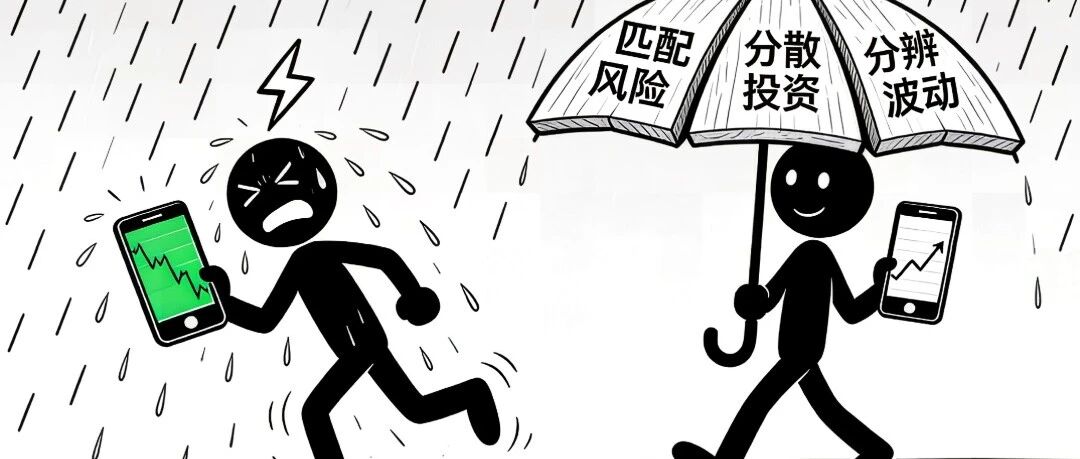
Core Viewpoint - The article emphasizes the importance of understanding downside risk in investment, distinguishing it from maximum drawdown, and highlights how many investors fail to consider potential future declines, leading to significant losses [4][6][10]. Group 1: Understanding Downside Risk - Downside risk is not the same as maximum drawdown; the former focuses on future potential declines while the latter is based on historical data [6][9]. - Maximum drawdown reflects past performance, indicating the largest drop from peak to trough, serving as a retrospective measure [6][8]. - Downside risk assesses the likelihood and extent of future declines in fund value under adverse market conditions, providing a forward-looking risk profile [6][9]. Group 2: Factors Influencing Downside Risk - The concentration of assets and industries in a fund can elevate downside risk; funds heavily invested in popular growth sectors may lack diversification, increasing vulnerability during market corrections [12]. - The risk management approach of fund managers plays a crucial role; aggressive managers may face larger losses in downturns, while defensive managers can mitigate risks by adjusting positions and avoiding overvalued assets [13]. - Market conditions, such as high valuations and investor euphoria, can raise the downside risk for equity funds, especially if leverage is employed, amplifying potential losses [14]. Group 3: Strategies to Manage Downside Risk - Investors should align their portfolios with their risk tolerance, opting for less volatile assets if they cannot withstand significant drawdowns [19]. - Diversification across different asset types and styles can help hedge against specific risks, reducing the impact of downturns in any single sector [20]. - Distinguishing between normal market fluctuations and significant structural issues is essential; temporary declines may not warrant panic, but persistent underperformance or changes in fund management style should prompt a reassessment of holdings [21]. Conclusion - Understanding and managing downside risk is integral to successful fund investment; it is not about avoiding all volatility but rather controlling risk within acceptable limits to ensure long-term success [23][24].

美联储官员米兰:与一周前相比,目前下行风险更大。
Sou Hu Cai Jing· 2025-10-15 14:08
Core Viewpoint - The Federal Reserve official Milan indicates that the current downside risks have increased compared to a week ago [1] Group 1 - The assessment of economic conditions has shifted, highlighting greater concerns about potential downturns [1]
日本财务省大臣加藤胜信(Kato):七国集团(G7)需要对下行风险未雨绸缪。
news flash· 2025-07-18 14:07
Group 1 - The core viewpoint emphasizes that the G7 needs to prepare for potential downside risks in the global economy [1]
欧洲央行首席经济学家连恩:如果我们观察到下行风险出现实质性变化,可能需要采取货币政策应对措施。
news flash· 2025-06-24 14:10
Core Viewpoint - The Chief Economist of the European Central Bank, Philip Lane, indicated that if there is a substantial change in observed downside risks, monetary policy measures may need to be implemented [1] Group 1 - The European Central Bank is closely monitoring economic conditions for any significant changes in downside risks [1] - Potential adjustments to monetary policy are being considered in response to evolving economic indicators [1]
标普:以色列与伊朗冲突的急剧升级增加了下行风险,可能对海湾合作委员会成员国的主权构成压力,包括阿联酋。
news flash· 2025-06-17 20:12
Core Viewpoint - The escalation of conflict between Israel and Iran has significantly increased downside risks, potentially putting pressure on the sovereignty of Gulf Cooperation Council (GCC) member states, including the UAE [1] Group 1 - The conflict's intensification is highlighted as a major concern for regional stability [1] - The potential impact on the sovereignty of GCC countries, particularly the UAE, is emphasized [1]
日本央行会议纪要:一名委员表示,日本央行在考虑下一次加息时机时需要特别谨慎,因美国政策引发的下行风险已迅速加剧。
news flash· 2025-05-07 23:59
Core Insights - The Bank of Japan (BOJ) is considering the timing of its next interest rate hike with particular caution due to rapidly increasing downside risks stemming from U.S. policies [1] Group 1 - A BOJ committee member emphasized the need for careful consideration regarding the timing of the next interest rate increase [1] - The committee member highlighted that the risks associated with U.S. policy changes have escalated quickly [1]