中风

Search documents
3两白酒“堵死”脑血管 男子聚餐后突发脑卒中
Xin Lang Cai Jing· 2026-02-08 22:43
Core Viewpoint - The article highlights the significant health risks associated with excessive alcohol consumption during the upcoming Spring Festival, particularly the increased likelihood of stroke due to festive gatherings and poor lifestyle choices [1][4]. Group 1: Incident Overview - A 50-year-old man, Mr. Cheng, experienced acute ischemic stroke after consuming approximately 3 liang (about 0.15 liters) of liquor during a family gathering [2]. - Initial symptoms included slurred speech and left-side paralysis, which progressed rapidly, leading to emergency medical intervention [2][3]. Group 2: Emergency Response - The hospital's stroke team activated a green channel for emergency treatment, performing an intervention to remove the blood clot from the right middle cerebral artery [3]. - The procedure was successful, restoring blood flow and allowing Mr. Cheng to regain consciousness and motor function within hours [3]. Group 3: Health Recommendations - Medical professionals advise avoiding high-fat, high-salt foods and excessive alcohol consumption during the festive season to prevent increased cholesterol and triglyceride levels, which can lead to arterial blockages [4]. - Regular monitoring and adherence to medication for individuals with hypertension, diabetes, and other risk factors are crucial, along with immediate action if stroke symptoms appear [4].
错把“耳石症”当中风,一招复位搞定眩晕
Xin Lang Cai Jing· 2026-01-11 18:12
Core Viewpoint - The article discusses the common condition known as Benign Paroxysmal Positional Vertigo (BPPV), often mistaken for a stroke, highlighting its symptoms, causes, and treatment options [2][3]. Summary by Sections Symptoms and Diagnosis - Patients may experience sudden dizziness when changing head positions, often leading to concerns about serious conditions like stroke. A case study illustrates a patient who, after ruling out central nervous system issues, was diagnosed with BPPV [2]. - BPPV is characterized by brief episodes of vertigo triggered by specific head movements, lasting from a few seconds to a minute, and may be accompanied by nausea but not hearing loss [3][7]. Causes and Risk Factors - The condition is primarily caused by the displacement of calcium carbonate crystals (otoliths) in the inner ear, which disrupts balance perception [3]. - Age is a significant risk factor, with incidence increasing after 40 years, and women are 1.5 to 2 times more likely to be affected than men due to hormonal changes and bone metabolism issues [4]. - Lifestyle factors such as sleep deprivation, anxiety, and depression can also contribute to the risk of otolith displacement [4][5]. Treatment and Management - Diagnosis typically involves positional tests, and treatment may include specific maneuvers to reposition the displaced otoliths, which can lead to significant symptom relief [2]. - While BPPV is generally benign, it can severely impact daily life and may require medical intervention for recurrent cases [7].
身体3个部位发麻,可能是脑梗信号
Huan Qiu Shi Bao· 2025-07-03 03:45
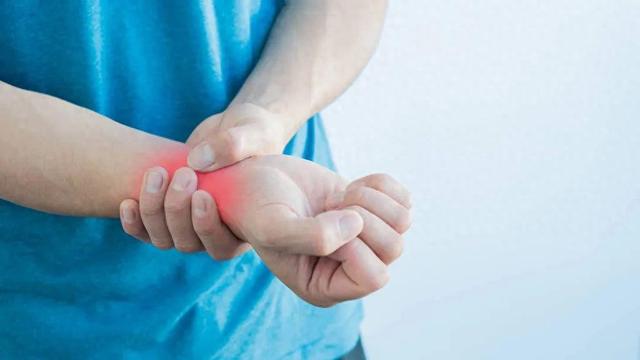
Core Viewpoint - The article discusses the symptoms of numbness that may indicate the early signs of a stroke, emphasizing the importance of recognizing these symptoms for timely medical intervention [1][3]. Group 1: Symptoms of Stroke - Numbness in three specific areas—tongue, face, and one-sided limbs—should raise concerns about the risk of stroke [3][5][6]. - Tongue numbness can affect speech and swallowing, indicating potential brain blood supply issues [5]. - Facial numbness may lead to asymmetrical facial expressions, signaling possible nerve damage due to insufficient blood flow [5]. - One-sided limb numbness is a common precursor to stroke, often indicating that one side of the brain is affected [6]. Group 2: Characteristics of Numbness Related to Stroke - Numbness from cerebrovascular diseases typically occurs suddenly without warning, and may happen during rest or physical activity [6][7]. - It is often unilateral, affecting one side of the body, and can progress from transient to persistent numbness as blood supply issues worsen [6]. - Unlike numbness caused by other conditions, such as cervical or lumbar spine issues, stroke-related numbness does not improve with position changes [7]. Group 3: Accompanying Symptoms - Stroke-related numbness is often accompanied by weakness, dizziness, headaches, vision problems, and memory decline [8]. - Other alarming signs include sudden dizziness, vomiting, tinnitus, and instability while standing [8]. Group 4: Risk Factors for Stroke - Stroke risk factors include both uncontrollable factors (age, gender, genetic background) and controllable factors (hypertension, diabetes, high cholesterol, smoking, and poor lifestyle choices) [9]. - Sedentary behavior can increase blood viscosity and lead to plaque formation in blood vessels, heightening stroke risk [10]. - High salt and oil intake can elevate blood pressure and cholesterol levels, contributing to vascular damage [12]. - Emotional fluctuations and severe snoring during sleep can also increase the likelihood of stroke by affecting blood pressure and oxygen levels [14][16]. Group 5: Recommendations for Prevention - It is advised to take breaks from sitting every hour to promote blood circulation [11]. - Daily salt intake should be limited to under 5 grams, and healthier cooking oils should be used [13]. - Stress management techniques, such as deep breathing and meditation, are recommended to mitigate emotional impacts on vascular health [14]. - Individuals experiencing severe snoring should adjust their sleeping positions and seek medical evaluation [17]. - Smoking cessation is crucial, as smokers face a significantly higher risk of stroke compared to non-smokers [18].