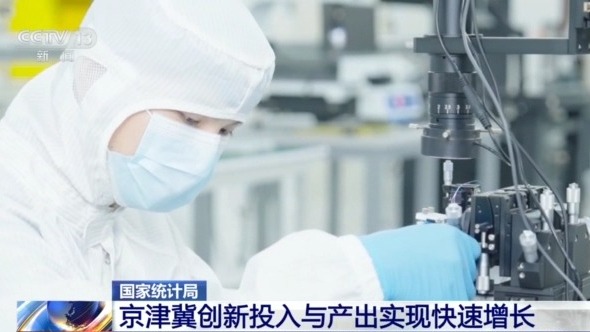
京津冀区域协同发展

Search documents
《北京城市副中心条例》表决通过,看点在这里
Xin Lang Cai Jing· 2026-01-29 16:41
Group 1 - The core focus of the newly passed "Beijing Urban Sub-center Regulations" is to promote the development of six key industries: digital economy, modern finance, advanced manufacturing, business services, cultural tourism, and modern seed industry, with an aim to cultivate future industries and encourage technological innovation policies [3][4] - The digital economy sector will include the establishment of a national cybersecurity industry park, a data infrastructure pilot area, and an innovation center for smart Beijing, aimed at promoting data technology innovation and industrial development [3] - The modern finance sector will support the establishment of various financial institutions, innovative financial products, and the construction of a global wealth management center, as well as a center for green and sustainable finance [3] Group 2 - The regulations emphasize the need for a synchronized planning and construction mechanism for digital and municipal infrastructure, aiming to create a new model of smart city characterized by "one network, one brain, one platform" [4][5] - The urban sub-center is tasked with promoting the integration of data resources, fostering a data factor market, and enhancing the innovation of open scenarios, thereby advancing the development of the digital economy [5] - The regulations also highlight the importance of establishing a collaborative mechanism with the North Three Counties to build a demonstration area for coordinated development in the Beijing-Tianjin-Hebei region, focusing on infrastructure connectivity and improved commuting efficiency [6][8]

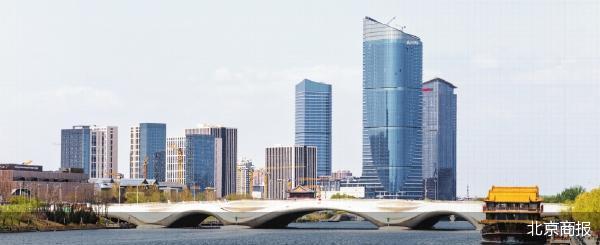
推动民生向好、城市向优!解读北京两部最新法规
Xin Lang Cai Jing· 2026-01-29 13:37
Core Points - The article discusses the approval of two significant local regulations in Beijing: the "Beijing Urban Sub-center Regulation" and the "Beijing Elderly Care Service Regulation," which will take effect on May 1, 2026, and July 1, 2026, respectively [1][2] Group 1: Beijing Urban Sub-center Regulation - The regulation serves as a "basic law" for the urban sub-center, solidifying practical experiences and addressing development challenges [3][5] - It aims to meet the legal needs for the development and governance of the urban sub-center, focusing on optimizing industrial layout and enhancing management systems [7] - Key development areas include digital economy, modern finance, and advanced manufacturing, with a goal to create a green, smart, and convenient urban environment [7][8] - The regulation emphasizes collaboration with surrounding regions, including the integration with the North Three Counties and the Xiong'an New Area, to promote coordinated development [10][11] - A work plan for implementing the regulation has been drafted, including over 100 key tasks for 2026 [12][13] Group 2: Beijing Elderly Care Service Regulation - The regulation establishes a comprehensive framework for elderly care services in Beijing, focusing on a three-tier network of support [14][15] - It categorizes elderly care services into basic, market-oriented, and social mutual assistance types, ensuring clear guidelines for service provision [15][18] - The regulation aims to enhance accessibility to elderly care facilities and services, addressing the "last mile" issue in service delivery [17] - It outlines the establishment of a three-tier elderly care service network, integrating resources from various levels of government and community [17][20] - The regulation sets specific development targets, including the construction of 100 regional elderly care service centers during the 14th Five-Year Plan period [20]
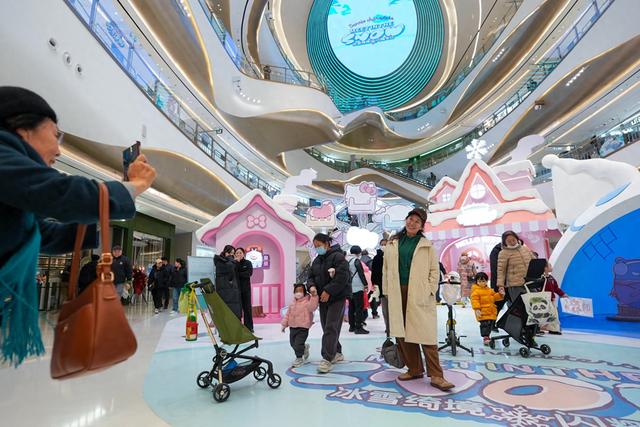
2026北京两会|《北京城市副中心条例》表决通过,看点在这里
Bei Jing Shang Bao· 2026-01-29 08:55
Core Viewpoint - The Beijing Municipal People's Congress has passed the "Beijing Urban Sub-center Regulations," which will take effect on May 1, 2026, focusing on promoting specific industries and developing a smart city model [1] Group 1: Key Industries - The regulations identify six key industries for development: digital economy, modern finance, advanced manufacturing, business services, cultural tourism, and modern seed industry, aiming to foster future industries [4] - In the digital economy sector, initiatives include establishing a national cybersecurity industrial park and a data infrastructure pilot zone [4] - The modern finance sector will support the establishment of various financial institutions and promote the development of a global wealth management center [4] - Advanced manufacturing will focus on intelligent, green, and integrated development [4] - Business services will encourage the establishment of headquarters and branches for domestic and foreign professional service institutions [4] - Cultural tourism aims to develop new cultural formats and create an important area for cultural tourism development [4] - The modern seed industry will involve the construction of an international seed technology park in Tongzhou [4] Group 2: Smart City Development - The regulations emphasize the integration of digital infrastructure and municipal infrastructure, establishing a new smart city model characterized by "one network, one brain, one platform" [6] - The city will promote smart industries, governance, living, and safety, enhancing the intelligence and precision of urban planning and management [6] - A digital foundation will be established to support a pervasive information communication network and a city perception network [6][7] Group 3: Regional Collaboration - The regulations aim to strengthen the role of the sub-center as a key area for the functional and population relief of the central urban area, promoting coordinated development with the northern three counties [8] - Infrastructure connectivity will be improved, and innovative traffic management methods will be implemented to enhance commuting efficiency [9] - The regulations also focus on building a new urban-rural structure and promoting beautiful countryside construction [10] Group 4: Environmental and Public Services - There will be a focus on ecological environment control and restoration, establishing green belts and regional greenway systems [11] - The regulations promote shared public services, supporting the distribution of educational, medical, and elderly care resources to the northern three counties [13] - Mechanisms for disaster prevention and control will be enhanced to improve regional safety [14]
北京城市副中心将培育壮大未来产业
Xin Lang Cai Jing· 2026-01-27 17:52
Core Viewpoint - The draft regulation for the Beijing Urban Sub-center aims to relieve non-capital functions of Beijing, establish a city-level administrative center, and create a world-class, harmonious, and livable demonstration area, as well as a new urbanization demonstration area and a collaborative development demonstration area for the Beijing-Tianjin-Hebei region [1][2]. Group 1: Spatial Structure and Planning - The draft consists of nine chapters and sixty-five articles, focusing on management systems, planning and construction, industrial layout, green development, smart cities, public services, and collaborative development [2]. - The urban sub-center will adopt a spatial structure of "one belt, one axis, and multiple clusters," and a green space system of "one belt, one axis, two rings, and one core" [2]. - The management system clarifies that the municipal government is responsible for the development of the urban sub-center, with the sub-center management committee acting as its agency [2]. Group 2: Industrial Layout and Economic Development - The urban sub-center will focus on administrative offices, business services, cultural tourism, and technological innovation as its leading functions, aiming to cultivate new productive forces and develop a high-precision industrial structure [3]. - Key industries to be developed include digital economy, modern finance, and advanced manufacturing, among others [3]. - The draft emphasizes the importance of green development, integrating green production, living, and ecology, and establishing a national green development demonstration zone [3]. Group 3: Public Services and Collaborative Development - The regulation aims to enhance the quality and balance of public services, including education, healthcare, and housing, to meet residents' needs [4]. - It specifies the integration of public service groups and home planning, adjusting administrative boundaries as necessary [4]. - The draft promotes collaborative development with neighboring areas, including the integration of planning, resource allocation, and public services [5][4]. Group 4: Legislative Approach and Future Development - The draft regulation aims to solidify the functional positioning of the urban sub-center within local laws, addressing issues such as management system deficiencies and uneven public services [6]. - It emphasizes reform and innovation, granting greater autonomy for development and encouraging the market-oriented allocation of resources [6]. - The regulation balances legislative stability with the need for adaptability, allowing for future innovations and creating a favorable legal environment [6].
承平高速(北京段)京平高速改扩建工程通车
Xin Lang Cai Jing· 2026-01-01 07:31
Core Viewpoint - The new construction of Chengping Expressway (Beijing section) and the expansion of Jingping Expressway will be completed and opened to traffic on January 1, 2026, enhancing logistics efficiency and transportation integration in the Beijing-Tianjin-Hebei region [1] Group 1: Project Details - Chengping Expressway (Beijing section) is approximately 34.8 kilometers long, with 26.7 kilometers being newly constructed and featuring a six-lane dual carriageway [1] - The Jingping Expressway expansion project is the first full-section expansion highway project in Beijing, extending about 26.5 kilometers, widening from a four-lane to a six-lane dual carriageway [1] - The two expressways will connect key functional areas such as the Capital International Airport economic zone and the Shunyi innovation industry cluster, significantly contributing to the economic development of Shunyi and Pinggu districts [1] Group 2: Service and Infrastructure - The Jin Hai Lake service area on Chengping Expressway is the largest expressway service area in the Beijing-Tianjin-Hebei region, offering traditional services along with innovative tourism and emergency support functions [1] - The integration of these expressways is expected to inject new momentum into regional collaborative development [1]
加速构建协同发展格局 2024年京津冀区域协同发展指数继续提升 - 国家统计局
Guo Jia Tong Ji Ju· 2025-12-29 09:36
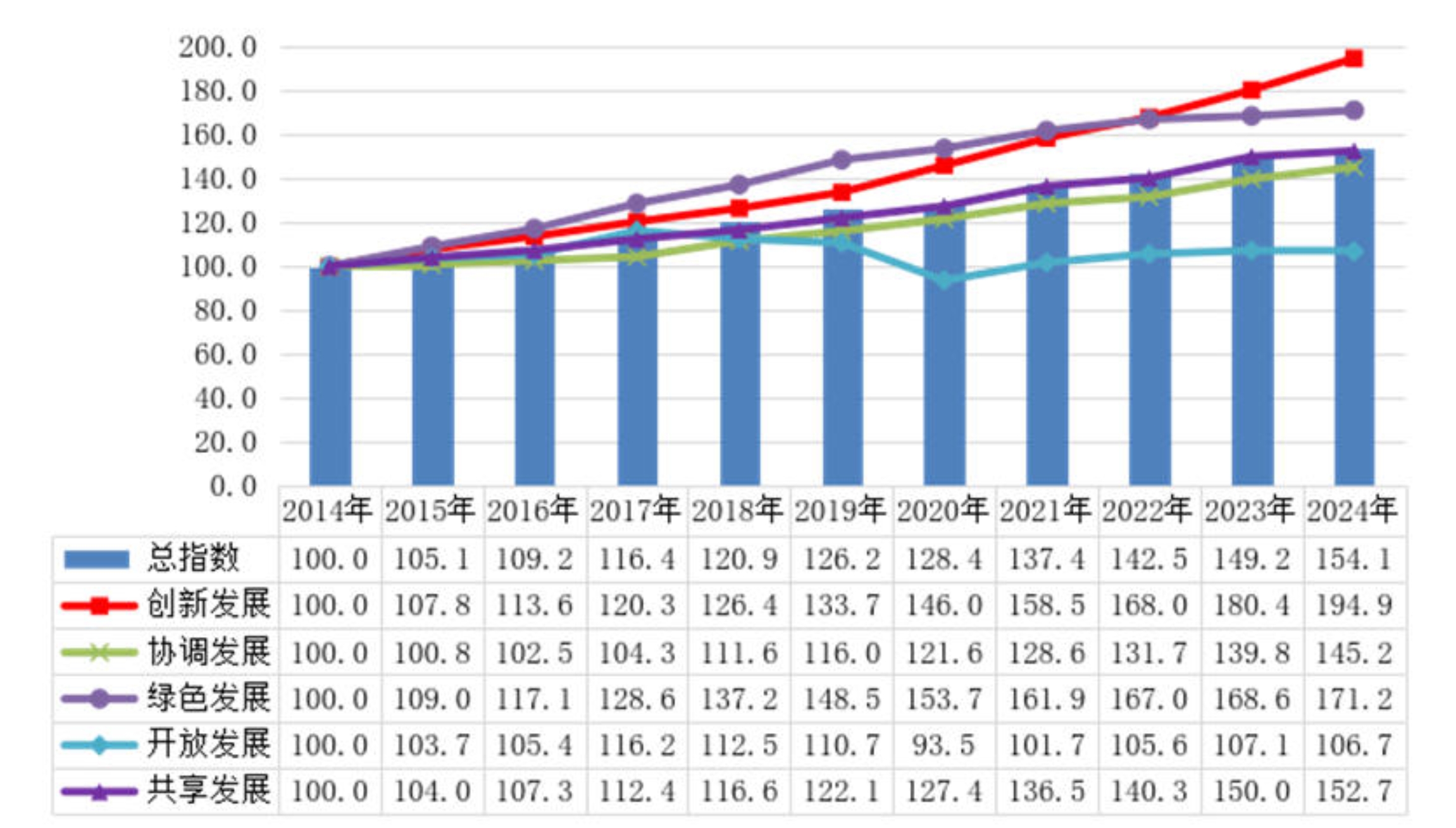
Core Viewpoint - The 2024 report on the coordinated development of the Beijing-Tianjin-Hebei region indicates significant progress in innovation, coordination, green development, openness, and shared growth, with the overall development index rising to 154.1, a 4.9 increase from 2023 [2][3]. Innovation Development - The innovation development index reached 194.9, an increase of 14.5 from 2023, marking the highest growth among sub-indices [3]. - The region's R&D expenditure intensity is 4.22%, up by 0.2 percentage points from the previous year, with Beijing leading at 6.58% [3]. - Patent authorizations totaled 355,000, a 2.9% increase, with an effective invention patent ownership of 74.3 per ten thousand people, growing by 15.7% [3]. - Labor productivity in the region is 215,000 yuan per person, reflecting a 4.4% increase from the previous year [3]. Coordinated Development - The coordinated development index improved to 145.2, up by 5.4 from 2023 [5]. - The added value of high-tech manufacturing in the region grew by 9.6%, 8.9%, and 11.2% for Beijing, Tianjin, and Hebei, respectively [5]. - Over 10,000 branch institutions of legal entities from the region were established in other areas, a 4.6% increase from the previous year [5]. - The urbanization rate in the region reached 71.2%, up by 0.6 percentage points, with the urban-rural income ratio decreasing to 2.51 [5]. Green Development - The green development index rose to 171.2, an increase of 2.6 from 2023 [6]. - PM2.5 average concentrations were 30.5, 38.1, and 37.7 micrograms per cubic meter for Beijing, Tianjin, and Hebei, respectively, with reductions of 4.7%, 8.0%, and 2.3% [6]. - The proportion of national surface water quality meeting or exceeding Class III standards is 82.6%, an increase of 2.2 percentage points [6]. - Average green space per ten thousand people increased to 23.8 hectares, up by 1.1 hectares from the previous year [6]. Open Development - The open development index decreased to 106.7, down by 0.4 from 2023 [8]. - The total import and export value for the region was 5.03 trillion yuan, a 0.1% increase, maintaining growth for four consecutive years [8]. - High-tech product exports saw significant growth, with automotive exports up by 56.4%, mobile phones by 24.7%, and wind turbine generators by 58.3% [8]. - International cargo throughput reached 820 million tons, a 10.6% increase, with 12 new direct shipping routes established [8]. Shared Development - The shared development index increased to 152.7, up by 2.7 from 2023 [9]. - The operational mileage of railways and highways in the region exceeded 11,000 kilometers [9]. - The average public budget expenditure per capita for education, social security, employment, and healthcare was 8,159.5 yuan, a 0.6% increase [9]. - The number of participants in basic pension insurance reached 86.36 million, an increase of 747,000 from the previous year [9].
北京原始创新能力全国领先
Xin Lang Cai Jing· 2025-12-28 21:31
Core Insights - The coordinated development index for the Beijing-Tianjin-Hebei region in 2024 is projected to be 154.1, an increase of 4.9 from 2023, driven primarily by innovation and green development indices [1][2]. Innovation Development - The innovation development index for 2024 is 194.9, up 14.5 from 2023, indicating rapid growth in R&D investment and output, with Beijing leading in original innovation capabilities [1]. - The region's R&D expenditure intensity is 4.22%, a 0.2 percentage point increase from the previous year, with Beijing at 6.58%, ranking among the top global innovation clusters [1]. - The total value of technology contracts in the region reached 1.3 trillion yuan, accounting for nearly 20% of the national total, with significant technology transfer from Beijing to Tianjin and Hebei [1]. Coordinated Development - The coordinated development index for 2024 is 145.2, an increase of 5.4 from 2023, reflecting deepening industrial collaboration among the three cities [2]. - The number of branch institutions established by large enterprises in the region exceeded 10,000, marking a 4.6% growth from the previous year [2]. - The spatial connectivity of the Beijing-Tianjin-Hebei urban agglomeration increased by 8.9% compared to the previous year, reinforcing the core position of the Beijing-Tianjin "dual city" [2]. Green Development - The green development index for 2024 is 171.2, up 2.6 from 2023, with a focus on ecological environment cooperation [2]. - The average PM2.5 concentrations for the three cities are 30.5, 38.1, and 37.7 micrograms per cubic meter, showing reductions of 4.7%, 8.0%, and 2.3% respectively from 2023 [2]. - The proportion of water quality assessment points meeting or exceeding Class III standards is 82.6%, an increase of 2.2 percentage points from the previous year [2]. Open Development - The open development index for 2024 is 106.7, a decrease of 0.4 from 2023, reflecting challenges in the global trade environment and a decline in actual foreign investment [3]. Shared Development - The shared development index for 2024 is 152.7, an increase of 2.7 from 2023, highlighting efforts in infrastructure and public service collaboration [3].
视频丨成交额1.3万亿元 京津冀“创新成绩单”出炉
Yang Shi Xin Wen Ke Hu Duan· 2025-12-26 00:34
Group 1 - The core viewpoint of the article highlights the significant progress in innovation and collaborative development in the Beijing-Tianjin-Hebei region, as evidenced by the 2024 collaborative development index [1] Group 2 - In 2024, the total R&D expenditure intensity in the Beijing-Tianjin-Hebei region is reported at 4.22%, with the technology contract transaction volume reaching 1.3 trillion yuan, accounting for nearly 20% of the national total [2] - Beijing leads with an R&D expenditure intensity of 6.58%, maintaining its position at the forefront of innovation clusters globally [2] Group 3 - From 2021 to 2024, the technology contract transaction volume flowing from Beijing to Tianjin and Hebei reached 230.87 billion yuan, nearly doubling compared to the "13th Five-Year Plan" period [4] - The collaborative development index for the Beijing-Tianjin-Hebei region in 2024 is 154.1, an increase of 4.9 compared to 2023 [4] Group 4 - The number of high-tech enterprises in Beijing's urban sub-center has surpassed 1,200, indicating a strengthening of the region's capacity for innovation and functional transfer [5] - Since the establishment of Xiong'an New Area, 17 academic teams have planned to settle there, with over 15,000 individuals having obtained the "Xiong Talent Card" [5]