
人工智能产业化

Search documents
联合解读-政府工作报告
2026-03-06 02:02
Summary of Key Points from the Conference Call Industry or Company Involved - The conference call discusses the 2026 Government Work Report, focusing on macroeconomic policies, fiscal and monetary strategies, and their implications for various industries, including technology, real estate, and energy. Core Points and Arguments Economic Growth and Policy Direction - The GDP growth target for 2026 is set at 4.5% to 5.0%, reflecting a shift towards high-quality development and sustainable growth rather than short-term acceleration [2][3] - The emphasis is on maintaining flexibility in achieving better results while avoiding strong cyclical policies to meet growth targets [2][3] Fiscal and Monetary Policy - The scale of policy financial tools is increased from 500 billion to 800 billion, expected to leverage 10-11 trillion in investments [1][3] - The overall fiscal deficit target is approximately 4%, with a slight increase in government debt by 200-300 billion [3][7] - Structural policies are prioritized to support sustainable growth, focusing on efficiency and targeted investments [3][4] Consumer and Investment Policies - Policies aim to enhance residents' income and improve public services to boost domestic demand sustainably [4][5] - The report emphasizes the importance of new technologies, particularly AI and digital economy sectors, in driving future growth [4][5] Capital Market Implications - The report highlights the need for reforms in the capital market, including enhancing direct financing and investor protection mechanisms [5][6] - A shift in A-share market strategy is noted, moving from a single focus on growth to a dual focus on growth and resource stocks, particularly in light of AI and cyclical recovery [6][7] Real Estate Sector Focus - The real estate policy emphasizes controlling new supply and reducing inventory, with a focus on second-hand housing [15][16] - Long-term strategies include reforming housing provident fund systems and optimizing affordable housing supply [15][16] Energy and Environmental Policies - The report outlines a commitment to carbon neutrality, with a target to reduce carbon emissions per unit of GDP by 17% during the "15th Five-Year Plan" [10][35] - New energy storage technologies and green energy initiatives are highlighted as critical areas for development [9][10] Technology and Innovation - The report emphasizes the importance of AI and digital infrastructure, with a focus on promoting AI applications across various sectors [17][30] - There is a strong push for domestic innovation in semiconductor and AI technology, with significant investment expected in these areas [31][32] Other Important but Possibly Overlooked Content - The report indicates a potential increase in the role of monetary policy in supporting macroeconomic stability, especially as fiscal policy becomes less expansive [8][9] - The focus on green energy and sustainable practices is expected to drive investment in related sectors, including renewable energy and energy efficiency technologies [10][35] - The report suggests that the integration of AI and energy systems could lead to significant changes in energy consumption patterns, with AI data centers projected to account for 5% of total electricity demand [9][10] This summary encapsulates the key points from the conference call, highlighting the strategic directions and implications for various sectors as outlined in the 2026 Government Work Report.
首届“AI+传统产业”实践应用发展论坛举行 探索人工智能产业化路径
Zheng Quan Ri Bao Wang· 2026-01-17 05:44
Core Insights - The forum "AI + Traditional Industries" emphasizes the transition of artificial intelligence from isolated applications to deep integration with industries, focusing on real application scenarios and sustainable collaborative ecosystems [1][2] - The need for long-term viable application paths in AI is highlighted, particularly in complex traditional industries like steel, where data-driven AI capabilities are being embedded into key operational areas [2] - The release of the "2025 Artificial Intelligence Industry Development White Paper" aims to provide a comprehensive overview of the global AI landscape, technological evolution, and key application directions to guide government and enterprise decisions [2] Group 1 - The forum was organized by the China Electronics Chamber of Commerce and featured discussions on how AI can drive high-quality development in the real economy [1] - The vice president of the China Electronics Chamber of Commerce noted that AI must be integrated into industrial processes to provide long-term momentum for economic transformation [1][2] - The forum included a roundtable discussion where industry representatives shared experiences and challenges regarding the implementation of AI in business processes [3] Group 2 - The roundtable featured participants from various sectors, including investment institutions, AI technology companies, and academia, discussing the future trends of AI in business [3] - A launch ceremony for "Standards Leading, Ecological Co-construction" was held, emphasizing the importance of standardization and collaboration for the sustainable application of AI in industries [4] - The collaborative effort aims to explore AI applications in industrial scenarios and establish standards to facilitate deeper integration of AI with the real economy [4]
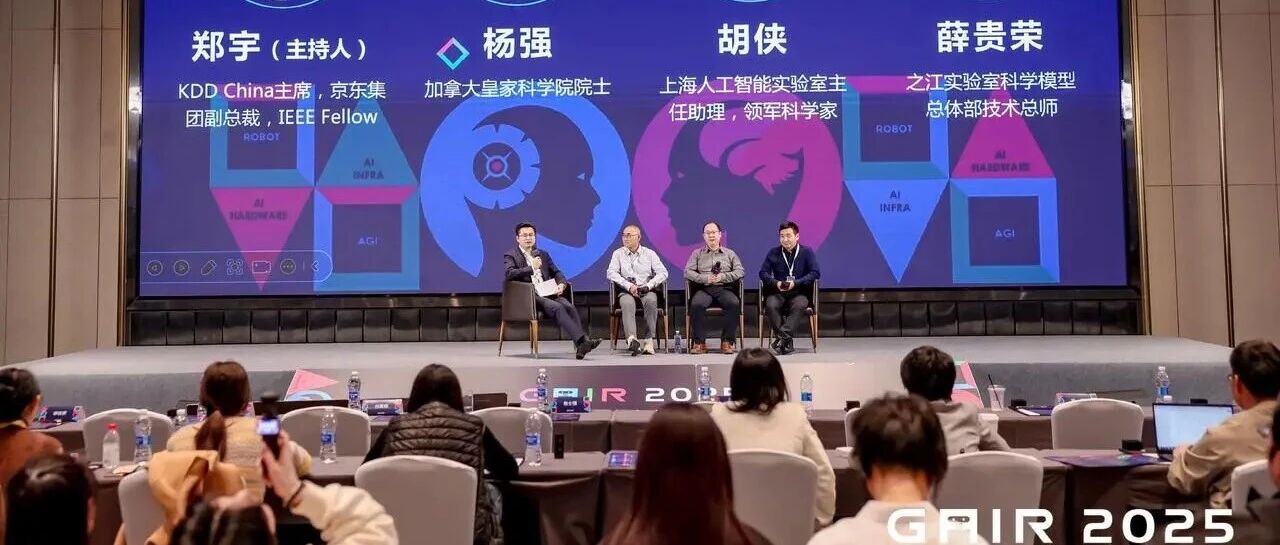
泡沫之下,人工智能产业化还有哪些方向值得「押注」?丨GAIR 2025
雷峰网· 2025-12-19 10:29
Core Insights - The article discusses the challenges and bubbles in the artificial intelligence (AI) industry, highlighting that 95% of AI projects are failing, with only 5% achieving success, according to a MIT survey [2][15] - The discussion emphasizes the need for realistic expectations, system integration, and data availability as critical factors for successful AI implementation [6][16][18] Group 1: Challenges in AI Industry - The AI industry faces three main challenges: expectation management, system integration, and data availability [6][16][18] - High expectations from business leaders, driven by media hype, lead to unrealistic goals and potential industry collapse [16][26] - System integration issues arise when AI technologies do not align with existing traditional systems, causing operational inefficiencies [17][18] - Data limitations hinder AI's ability to function effectively, as many applications rely solely on language models without sufficient diverse data [18][29] Group 2: Bubbles in AI - Two significant bubbles identified are in the computing power sector and the AI application sector, where many resources are underutilized or overly reliant on human input [8][30] - The computing power bubble is characterized by excessive investment in inference capabilities while lacking sufficient training infrastructure [29][30] - The AI application bubble is marked by a high degree of similarity among products, with many applications not achieving true AI capabilities [8][30] Group 3: Future Opportunities - Potential areas for investment include small models in specialized fields, which could be integrated to create comprehensive solutions [39][45] - The healthcare sector presents opportunities for AI, particularly in developing models that can work with limited data while ensuring privacy [39][42] - Safety and control in AI applications are crucial for future development, especially in sensitive industries like healthcare and finance [42][45]

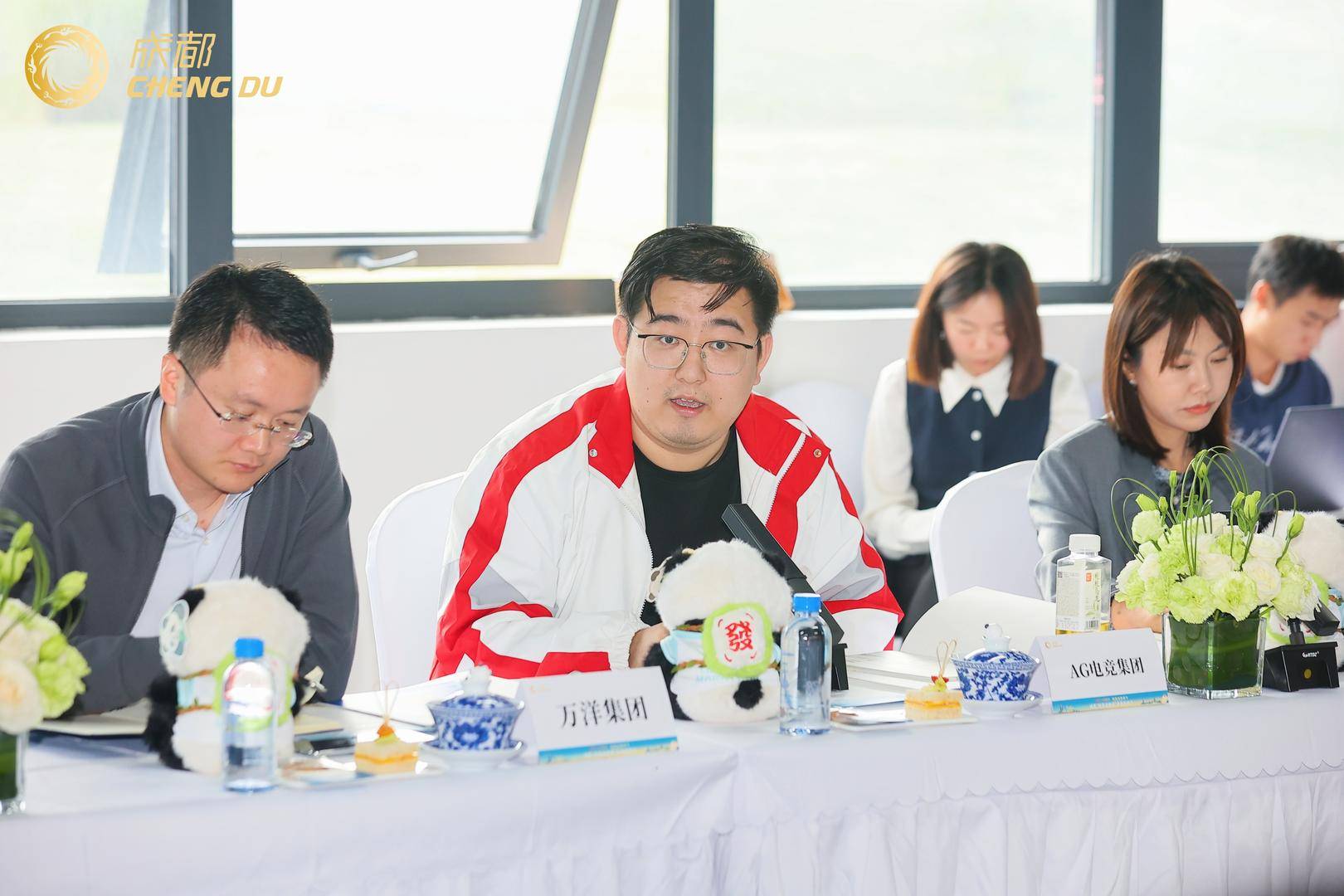
为何投资成都?“投资盖碗茶”座谈会上,企业当起“城市推介官”
Sou Hu Cai Jing· 2025-10-25 14:46
Core Insights - The "Investment Gaiwan Tea" initiative in Chengdu aims to enhance direct engagement between the government and key enterprises, promoting investment opportunities and sharing policies [1] - Companies like Mengniu, Xtep, AG eSports, and others expressed their positive experiences and confidence in Chengdu's business environment, highlighting its potential for growth and collaboration [3][4] Group 1: Investment Promotion - The Chengdu Investment Promotion Bureau organized a meeting with over 20 key enterprises to facilitate investment promotion and policy sharing [1] - Participating companies shared their success stories in Chengdu, acting as "city promoters" to attract further investment [1] Group 2: Business Environment - AG eSports highlighted Chengdu's friendly entrepreneurial atmosphere and strong industrial foundation as key factors attracting businesses [3] - The rapid project approval process in Chengdu was emphasized, with a project by Wanyuan Group taking only 40 days from land acquisition to construction start, significantly faster than the previous average of 141 days [4] - Companies expressed confidence in Chengdu's supportive government policies, particularly in the sports industry, which they believe will foster further investment [4] Group 3: Industry Collaboration - Companies like iFlytek are actively integrating into Chengdu's ecosystem, focusing on AI applications in education, healthcare, and governance [3][4] - Mengniu aims to leverage sports as a bridge for cross-industry collaboration, emphasizing the importance of a supportive business environment for industry upgrades [4]
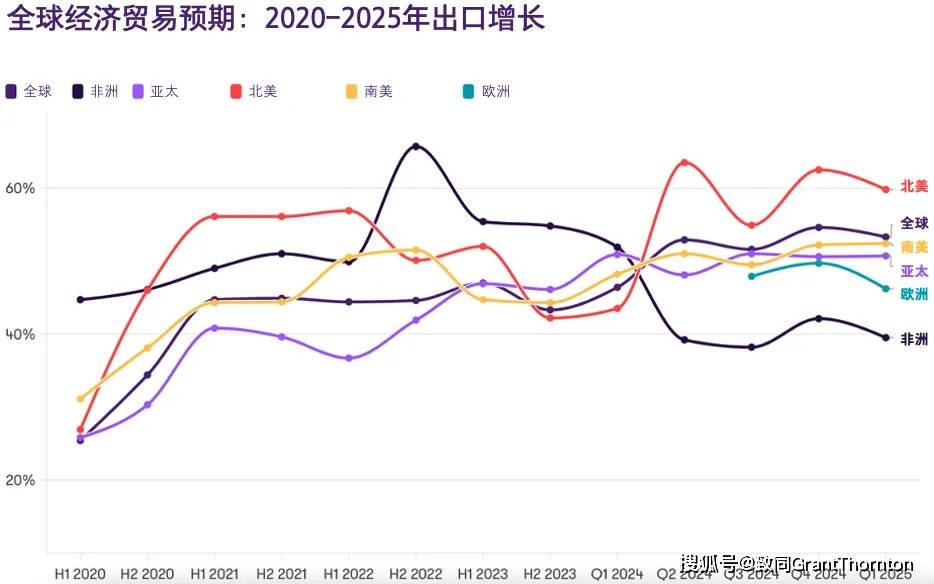
【致同国际商业报告】关税变局下的生存之道
Sou Hu Cai Jing· 2025-07-27 13:02
Group 1 - The core viewpoint of the articles highlights the significant impact of tariff policies on mid-market enterprises, indicating a decline in market optimism and the need for strategic adaptation [1][3][4] - The OECD warns that the current tariff policy turmoil may lead to substantial drag on global economic growth, evolving into a complex new global trade system characterized by unpredictability [3][4] - Mid-market companies are urged to recognize the structural changes in traditional export markets and adapt their strategies to focus on local market value and regional business matrices [4][5] Group 2 - Key survival traits for mid-market enterprises include business focus, decision-making agility, and strategic leadership, which are essential for navigating the current environment [5][6] - Companies are facing tough decisions regarding market exits where tariff costs outweigh benefits, necessitating a reconfiguration of traditional trade terms and supply chain networks [6][8] - In addition to tariffs, mid-market enterprises are under pressure from four transformation challenges: AI industrialization, cybersecurity threats, carbon neutrality regulations, and demographic changes [8]
博鳌亚洲论坛国际科技与创新论坛举行
Ren Min Ri Bao· 2025-06-11 00:17
Core Viewpoint - The Boao Forum for Asia International Technology and Innovation Forum 2025 was held in Hong Kong, focusing on themes such as quantum computing, life sciences, and sustainable development through green technology [1][2]. Group 1: Event Overview - The forum was co-hosted by the Boao Forum for Asia and the Hong Kong Special Administrative Region government, gathering over 800 representatives from more than 20 countries and regions [1]. - The theme of the conference was "Technology Leads the Future, Innovation Drives Transformation," addressing cutting-edge topics in technology and innovation [1]. Group 2: Objectives and Focus Areas - The forum aims to lead international cooperation, create an open and inclusive innovation ecosystem, and improve global technology governance rules [2]. - It seeks to promote practical cooperation with a focus on high-quality economic development and explore future industrial development paths [2]. - The forum emphasizes narrowing the technology gap and advocating for international participation in technology governance to support modernization in the Global South [2]. - It aims to establish a regional innovation hub by enhancing the innovation cluster effect in the Guangdong-Hong Kong-Macao Greater Bay Area [2].