企业控制权

Search documents
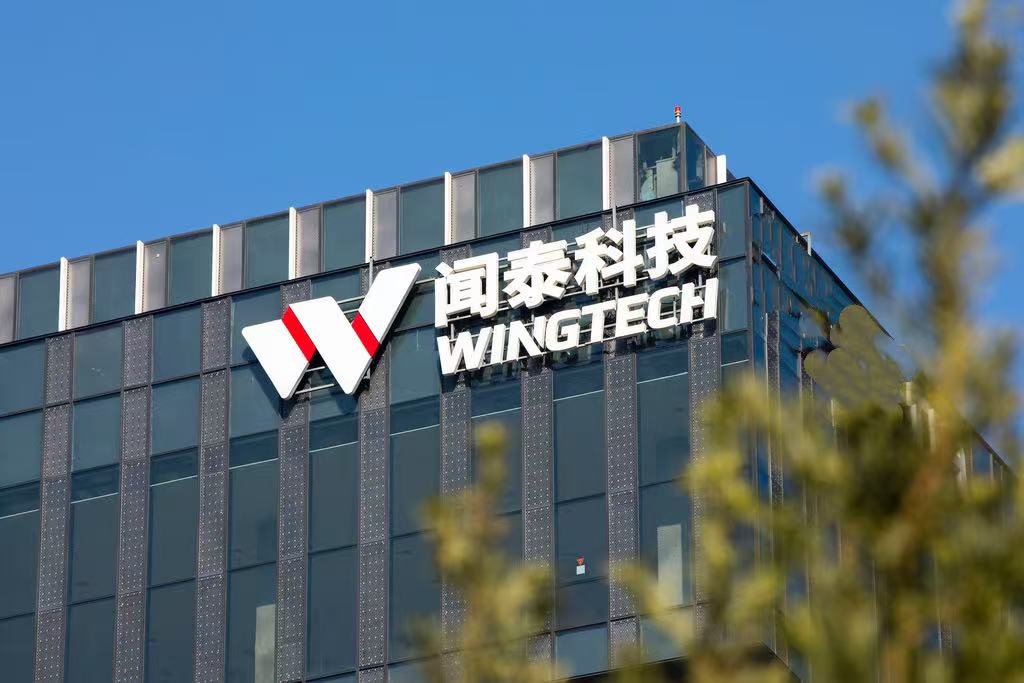
闻泰科技最新声明:对这一裁决表示极为失望与强烈不满!
Xin Lang Cai Jing· 2026-02-12 01:53
Core Viewpoint - The recent ruling by the Dutch Enterprise Court regarding the Nexperia case has not revoked previous erroneous decisions, nor restored the legal control of Wingtech Technology over Nexperia, leading to significant disappointment from the company [3][11]. Group 1: Court Ruling Details - The Dutch Enterprise Court has maintained the temporary measures imposed since October 2025, which are claimed to be damaging to a leading global semiconductor company, affecting over 10,000 employees and more than 25,000 customers [3][11]. - The court has initiated an investigation into Nexperia, which the company views as contradictory, as it continues to uphold measures based on allegedly biased information while acknowledging the need for further investigation [3][11]. - The court's decision allows the current interim management to remain in control, which the company argues is detrimental to the company's operations and global supply chain stability [3][11]. Group 2: Company's Response and Future Actions - The company welcomes a fair and transparent investigation, asserting that all actions taken by it and its representative, Zhang Xuezheng, regarding Nexperia have been legal and in the best interests of all stakeholders [4][12]. - The company urges the court to conduct a thorough investigation into the current management's alleged misconduct and to restore its shareholder rights by lifting all temporary measures [4][12]. - The company plans to exhaust all legal avenues to regain full control and governance over Nexperia, emphasizing the importance of protecting investor rights [6][13]. Group 3: Market Impact - As of February 12, the company's stock price is reported at 34.18 yuan, reflecting a decline of 2.98%, with a market capitalization of 42.542 billion yuan [7][14].


我为什么要财总董秘一肩挑?董秘怎样才能知情
Sou Hu Cai Jing· 2026-01-05 23:15
Group 1 - The core viewpoint of the article is the introduction of the new regulatory framework for board secretaries, emphasizing the need for their roles to be integrated into the management processes of listed companies [1][2][3] - The new regulations aim to enhance the responsibilities and powers of board secretaries, ensuring they have access to necessary information and can participate in decision-making processes [2][3] - The article discusses the historical context of the board secretary's role, highlighting that their authority has not been inherently established, necessitating regulatory clarification [2][3] Group 2 - The article explains that the role of the board secretary is crucial for corporate governance, particularly in protecting the rights of minority shareholders through information disclosure [3][4] - It notes the varying levels of authority among board secretaries, from those focused solely on compliance to those who are integral members of the management team [4][5] - The experience shared in the article illustrates the challenges faced by board secretaries, particularly in private enterprises, where their influence can be limited without a strong financial background [5][7] Group 3 - The article emphasizes the importance of integrating the board secretary's role into the management workflow to ensure they are informed and can act effectively [6][7] - It highlights the difficulties faced by board secretaries in private companies, where internal politics and financial control can hinder their ability to fulfill their responsibilities [6][7] - The discussion includes the necessity for board secretaries to have a comprehensive understanding of the company's operations to effectively manage IPO processes and other critical functions [6][7]
闻泰科技,最新声明!
证券时报· 2025-11-20 15:00
Core Viewpoint - The company emphasizes the necessity of restoring its complete rights as a shareholder and legal control over Nexperia, urging the Dutch Ministry of Economic Affairs to thoroughly correct its previous errors and permanently revoke the administrative order issued under the Goods Availability Act [1][9]. Summary by Sections Section 1: Overview of the Situation - The company’s subsidiary, Nexperia, received an administrative order from the Dutch Ministry of Economic Affairs, which restricts its operations and management for one year [4]. - The Dutch Minister of Economic Affairs announced the suspension of this order on November 19, 2025, indicating a potential shift towards resolving the issue [2][4]. Section 2: Impact on the Company - Despite the suspension of the administrative order, the court's ruling from October 7, 2025, remains in effect, continuing to limit the company's control over Nexperia [5]. - The company warns investors about the ongoing risks associated with the limited control over Nexperia [2][5]. Section 3: Company's Position on the Dutch Ministry's Decision - The company acknowledges the Dutch Minister's statement as a step towards addressing the issue but insists that the core problems remain unresolved [7][9]. - The company asserts that the administrative order's suspension does not address the underlying legal issues and continues to restrict the rights of Chinese shareholders [7][9]. Section 4: Call for Comprehensive Resolution - The company demands that the Dutch Ministry not only revoke the administrative order but also ensure the restoration of the legal rights of Chinese shareholders and the return of Nexperia to its status prior to September 29, 2025 [9]. - The company firmly rejects any attempts to legitimize the outcomes of illegal processes and will pursue all legal avenues to protect its and its shareholders' rights [9].
闻泰科技最新声明:必须得到恢复!
中国基金报· 2025-11-20 14:33
Core Viewpoint - The company, Wentai Technology, emphasizes the need for the Dutch Ministry of Economic Affairs to fully resolve the issues surrounding Nexperia Semiconductor and restore its complete rights as a shareholder and legal control over Nexperia [2][4][5]. Group 1: Company Statements - Wentai Technology released a statement regarding the Dutch Ministry's suspension of the administrative order, asserting that the Ministry has an obligation to thoroughly address the Nexperia issue [2][4]. - The company noted that Nexperia Semiconductor had a revenue of approximately 14.7 billion yuan last year, and if control is not restored by the end of 2025, it may face risks of revenue, profit, and cash flow adjustments [2][5]. - The Ministry's announcement only suspends the administrative order but does not cancel the emergency measures imposed by the Amsterdam Enterprise Court, which continue to infringe upon the rights of Chinese shareholders [4][6]. Group 2: Legal and Regulatory Context - Wentai Technology criticized the Dutch Ministry for avoiding the core issue of the Enterprise Court's erroneous decision that stripped the company of its control over Nexperia [5][6]. - The Ministry has actively participated in the court proceedings, submitting supportive documents and advocating for quick intervention, which led to the suspension of Chinese directors and the trusteeship of nearly all shares held by Chinese stakeholders [5][6]. - The company insists that any genuine resolution must restore its complete rights and control over Nexperia, rejecting any attempts to legitimize the illegal outcomes of the current situation [7].
闻泰科技声明:对安世半导体的合法控制权必须恢复
Ju Chao Zi Xun· 2025-11-20 14:09
Core Viewpoint - The company expresses concern over the Dutch Ministry of Economic Affairs and Climate Policy's decision to suspend the administrative order against Anshi Semiconductor, viewing it as a step towards resolving the issue, while also highlighting the illegality of the previous order [1][4]. Group 1: Response to the Dutch Ministry's Statement - The company acknowledges the Dutch Minister's statement as a result of negotiations between the Chinese Ministry of Commerce and the Dutch Ministry, appreciating the efforts made to resolve the issue [4]. - The suspension of the administrative order is seen as an acknowledgment of the illegality and impropriety of prior actions taken by the Dutch Ministry [4]. Group 2: Ongoing Legal Challenges - Despite the suspension of the administrative order, the emergency measures imposed by the Amsterdam Court of Appeal remain in effect, continuing to restrict the legal rights of Chinese shareholders and personnel [3][4]. - The company emphasizes that the Dutch Ministry's current actions do not address the core issue, which is the erroneous ruling made by the corporate court under the Ministry's influence [3][4]. Group 3: Call for Comprehensive Resolution - The company insists that the Dutch Ministry has an obligation to thoroughly and completely resolve the issues surrounding Anshi Semiconductor, noting that the administrative order was just the beginning of a series of actions by the Dutch government [5]. - The Ministry's involvement in the corporate court proceedings is described as a systematic illegal deprivation of the company's rights as a 100% shareholder of Anshi [5]. Group 4: Restoration of Rights - The company demands the restoration of its complete rights as a shareholder and the legal control over Anshi, asserting that any genuine resolution must be based on this restoration [6][7]. - The company will not accept any attempts to legitimize the illegal outcomes or a new normal in the governance of Anshi created by unlawful procedures [7].
重资产的轻包装:新加坡国资诉蔚来背后的矛盾螺旋
Hu Xiu· 2025-10-22 12:33
Core Viewpoint - The lawsuit initiated by Singapore's sovereign fund GIC against NIO for "securities fraud" centers around the control and financial boundaries of the company, rather than the technology or products themselves [1][2][5]. Group 1: Lawsuit Details - GIC accuses NIO of concealing its substantial control over its battery company, NIO Power, through the Battery as a Service (BaaS) model and complex corporate structures, leading to inflated revenue figures that misled investors [3][4]. - The lawsuit follows previous allegations from a short-selling report by a well-known firm in 2022 and a collective lawsuit from investors that year [4][31]. Group 2: Control and Financial Reporting - The core of the dispute lies in the definition of control, particularly regarding the BaaS model and whether NIO should consolidate NIO Power's financials into its own [6][9]. - GIC argues that NIO maintains effective control over NIO Power despite a minority ownership stake, which should necessitate financial consolidation under accounting rules [8][28]. Group 3: BaaS Model Analysis - The BaaS model allows NIO to sell battery assets to NIO Power, which then rents them to vehicle owners, reducing NIO's asset burden and improving financial metrics [11][12]. - This model aims to attract capital, lower vehicle costs for consumers, and enhance user retention, while also providing NIO Power with a steady cash flow [12][13]. Group 4: Accounting Standards and Implications - The lawsuit highlights the clash between GIC's interpretation of control under US GAAP and NIO's business structure, particularly regarding the treatment of variable interest entities (VIE) [24][25]. - The determination of whether NIO is the primary beneficiary of NIO Power hinges on who has decision-making authority and who bears the economic risks and rewards [26][27]. Group 5: Future Considerations - The outcome of this case could reshape how asset divestiture and financing structures are designed in capital-intensive industries, as well as how auditors and regulators define "substantial control" [33][34]. - The case serves as a reference point for understanding the complexities of financial reporting and corporate governance in innovative business models like BaaS [33].

宗馥莉行的基本盘,还都是父亲布的局
Hu Xiu· 2025-07-21 23:30
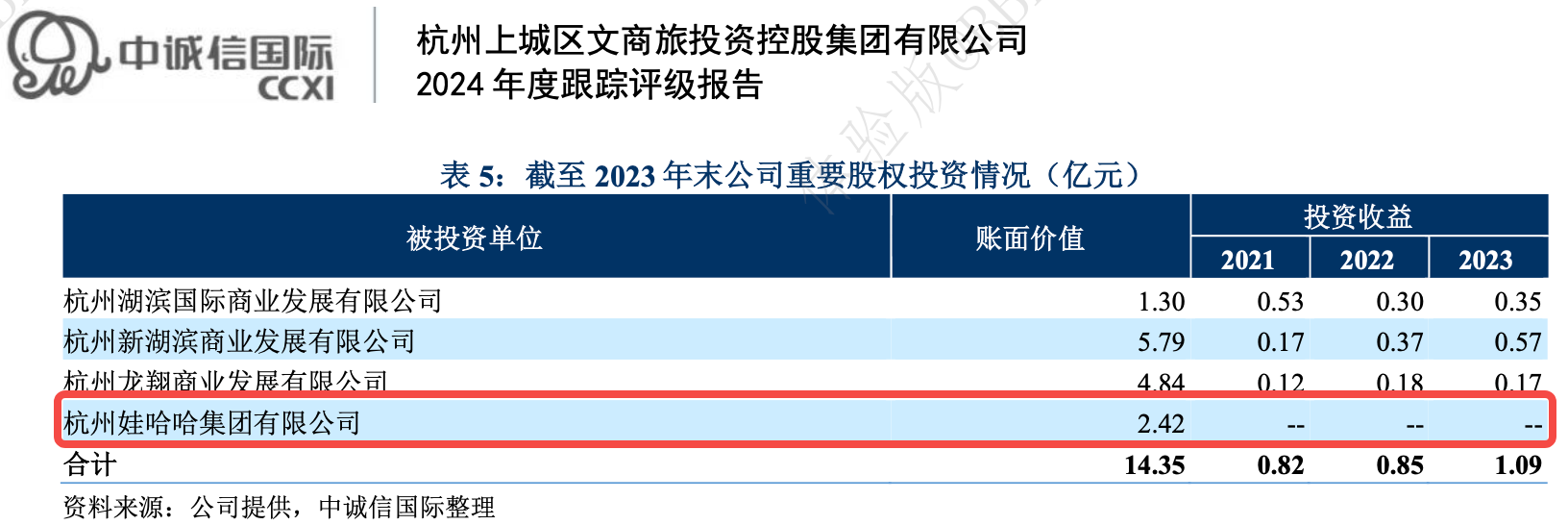
Core Viewpoint - The article discusses the ongoing controversies surrounding Wahaha Group under the leadership of Zong Fuli, particularly focusing on the allegations of asset hollowing and the control of the company's profits by the Zong family through various shadow companies [1][2]. Group 1: Financial Analysis - As of the end of 2022, the total assets of the domestic "Wahaha system" (including external companies) amounted to 37.047 billion yuan, with an operating income of 51.202 billion yuan, operating profit of 6.148 billion yuan, and net profit of 4.767 billion yuan [1]. - In contrast, Wahaha Group (and its 16 directly invested subsidiaries) had total assets of 5.807 billion yuan, with an operating income of 1.403 billion yuan, operating profit of 73.078 million yuan, and net profit of 18.7128 million yuan [1]. - The state-owned assets in Wahaha Group accounted for only 15.67% of the total assets of the "Wahaha system," with operating income and net profit contributions of merely 2.74% and 0.39%, respectively [1]. Group 2: Ownership Structure - The ownership structure of Wahaha Group is clear, with Hangzhou Shangcheng Wen Shang Lv Investment Holding Group Co., Ltd. (state-owned) holding 46%, Zong Fuli inheriting 29.4%, and the employee shareholding meeting holding 24.6% [2]. - The state-owned entity has reported zero investment returns from Wahaha Group from 2021 to 2023, with a book value of only 242 million yuan [2]. Group 3: Corporate Governance and Control - Zong Fuli controls most of the subsidiaries under the "Wahaha system," which are the primary sources of profit for the brand, while Wahaha Group itself has limited influence over the broader commercial empire [1][2]. - The complex ownership structure of the subsidiaries, such as Hong'an Wahaha Beverage Co., Ltd., indicates that Zong Fuli has significant control over these entities, which are crucial for Wahaha's product lines [4][5]. Group 4: Brand and Asset Management - The control of the "Wahaha" brand assets, which includes 387 trademarks, remains with Wahaha Group, but there are ongoing efforts to transfer these trademarks, potentially consolidating Zong Fuli's control over the brand [19][21]. - The estimated value of the "Wahaha" brand is approximately 91.187 billion yuan, highlighting its significance in the company's overall valuation [19]. Group 5: Future Prospects - Zong Fuli's consolidation of power and control over Wahaha may be aimed at preparing the company for a potential public listing, a shift from her father's previous stance against going public [24][25]. - The challenges Zong Fuli faces include modernizing the company's management structure and addressing internal and external pressures, particularly in light of changing consumer preferences and market dynamics [28].
宗庆后的三个异母生子女与宗馥莉宫斗,娃哈哈该何去何从?
首席商业评论· 2025-07-15 04:23
Core Viewpoint - The key issue is the resolution of the control rights of Wahaha Group amidst a family inheritance dispute following the death of its founder, Zong Qinghou [1][10]. Group 1: Inheritance Dispute - Zong Qinghou's daughter, Zong Fuli, is being sued by three alleged half-siblings for control over assets and a $2.1 billion trust promised by their father [5][19]. - The three claimants are Zong Jichang, Zong Jieli, and Zong Jisheng, with allegations that their mother is a former senior employee of Wahaha [6][10]. - The inheritance battle has revealed complexities in Zong Qinghou's family structure, including non-marital children and potential asset mismanagement [4][9]. Group 2: Trust and Asset Management - Zong Qinghou established three independent trusts at HSBC, each worth $700 million, for his overseas children, which complicates the inheritance claims [17][35]. - As of May, the HSBC account reportedly holds $1.8 billion, down from the promised $2.1 billion, raising concerns about asset management by Zong Fuli [19][35]. - Legal disputes are centered around the validity of Zong Qinghou's wills and the management rights of the trusts, with potential implications for Wahaha's corporate governance [33][36]. Group 3: Corporate Governance and Future Outlook - The ongoing disputes have led to operational challenges for Wahaha, including factory shutdowns and management restructuring [10][28]. - Zong Fuli's leadership is questioned, with reports suggesting her father had reservations about her management capabilities [28][39]. - The resolution of these disputes is critical for Wahaha's stability and future, as unresolved control issues may deter business operations and investor confidence [36][39].