体验价值

Search documents
豪华车内卷“脑疯期”,林肯在搞一场舒服的“体感复兴”
Jing Ji Guan Cha Wang· 2026-01-19 14:16
Core Insights - The Chinese automotive market is experiencing an unprecedented price war, affecting even luxury brands like Lincoln, which is adopting a unique strategy focused on service upgrades rather than aggressive pricing [1][2] Group 1: Market Context - By 2025, the penetration rate of new energy vehicles in China is expected to approach 50%, reshaping the competitive landscape of the luxury car market [2] - Traditional luxury brands are facing dual pressures from rapid advancements in electric and smart vehicles and intense price competition leading to declining profitability [2] - Over 50% of automotive dealers in China were reported to be operating at a loss in the first half of 2025 [2] Group 2: Lincoln's Strategy - Lincoln's market strategy emphasizes value marketing and high-quality sales, focusing on customer experience rather than merely increasing sales volume [2][3] - The introduction of "Lincoln Way Pro" represents a comprehensive upgrade in customer service, aiming to enhance the luxury brand experience [1][3] - Lincoln's profitability ranks first among luxury brands in 2025, excluding promotional incentives, reflecting the success of its strategic positioning [2] Group 3: Service Upgrades - The "Lincoln Way Pro" upgrade includes systematic and quantifiable service standards, featuring innovative service equipment in showrooms [3] - Digital transformation of service processes has significantly improved customer experience, reducing average response time from 63 minutes to 12 minutes [3] - The implementation of "Lincoln Way Pro" is supported by a dual strategy of empowering and reducing burdens on dealers [4] Group 4: Dealer Network Support - Lincoln's "Spark Plan" significantly lowers the entry barriers for new dealers, reducing investment requirements from 20-30 million yuan to approximately 4 million yuan [4][5] - Existing dealers are encouraged to lower operational costs through lightweight facility renovations [5] - The "Spark Plan" aims to optimize cost structures and create a more sustainable business model amidst industry profitability pressures [5] Group 5: Financial Impact - Lincoln's lightweight strategy is projected to save 40 million yuan in annual operational costs through the transformation of existing showrooms [5] - The investment reduction for new dealerships has already saved 240 million yuan, with 24 new stores opened this year [5] - The "zero absorption rate" of after-sales profits covering operational costs is currently around 76%, with a goal to exceed 100% [5] Group 6: Brand Value System - "Lincoln Way Pro" is a crucial part of Lincoln's brand value system, which includes three key labels: "Comfort," "All-Terrain Luxury," and "Lincoln Way Pro" [6][7] - The concept of "Comfort" extends beyond physical comfort to emotional and psychological aspects, enhancing the overall luxury experience [6] - The brand's focus on customer experience is expected to foster customer loyalty and long-term value, as evidenced by higher recommendation rates among Lincoln owners compared to industry averages [8][9] Group 7: Long-term Strategy - Lincoln's approach highlights the importance of long-term value and system health over short-term sales and market share [8][9] - The brand's commitment to enhancing customer experience and dealer profitability serves to protect brand value and market pricing integrity [9] - Lincoln's exploration of a differentiated competitive advantage through system optimization and experience upgrades offers valuable insights for the luxury automotive sector [9]
整箱蛇茅“日期自选”服务上线 i茅台赋能高端消费新体验
Sou Hu Cai Jing· 2025-10-23 19:20
Core Insights - The iMoutai platform is transforming high-end liquor consumption from "passive supply" to "active customization" by introducing a "date selection" digital value-added service, allowing consumers to choose specific production dates for their purchases [1][3]. Group 1: Service Innovation - The "date selection" service enables consumers to link significant life events with their purchases, turning the liquor into a sentimental keepsake [2]. - This service breaks away from rigid supply models, catering to personalized needs for special occasions such as gifting and collecting [2]. - The initiative is seen as a way to package time as a high-end consumer product, enhancing brand value and creating new market opportunities [2]. Group 2: Digital Infrastructure - The "date selection" service is supported by a comprehensive digital technology framework, ensuring traceability from production to delivery [3]. - Technologies such as supply chain digitization, IoT, and blockchain are utilized to provide consumers with a transparent and reliable purchasing experience [3]. - The service complements existing offerings like "instant delivery," catering to both immediate consumption and long-term emotional needs [3]. Group 3: Brand and Consumer Connection - The high-end liquor market is shifting towards emotional and cultural values, with consumers seeking deeper connections beyond mere consumption [4]. - The introduction of the "date selection" service aligns with the company's commitment to quality, cultural heritage, and corporate responsibility [4]. - The initiative aims to create a virtuous cycle where cultural empowerment enhances consumer trust and loyalty [5]. Group 4: Future Directions - The company is transitioning from merely selling liquor to offering a lifestyle experience, focusing on personalized services driven by data [5]. - The "threefold value" approach—functional, experiential, and emotional—aims to redefine competitive advantage and build a more engaging digital consumption ecosystem [5].


放弃电商,他们重新做回实体店:流量可能今天好,明天瞬间就没了
Sou Hu Cai Jing· 2025-05-30 00:50
Core Viewpoint - The e-commerce landscape is shifting as many merchants are closing their online stores and opting for physical retail locations, indicating a potential resurgence of the offline retail sector [1][2][3]. E-commerce Sales Trends - During the 2024 618 shopping festival, total online sales reached 742.8 billion yuan, marking a 7% decline compared to the previous year, which is the first drop in sales performance in a decade [2]. Shift to Offline Retail - Various brands, including popular influencers and small businesses, are increasingly investing in offline stores. For instance, Three Squirrels, facing declining sales, reported a 90.83% year-on-year increase in revenue to 3.646 billion yuan by Q3 2024 after expanding into a multi-channel strategy [4]. Consumer Behavior Changes - Many small business owners are finding success in offline retail, with some reporting improved work-life balance and increased sales after transitioning from online to physical stores [9]. Market Competition Dynamics - The competition in the e-commerce space has intensified, leading to a decline in consumer purchasing motivation due to market saturation with similar products. This has prompted brands to explore offline channels to attract consumers [11][13]. Cost and Profitability Challenges - The cost of attracting online customers has risen significantly, with some merchants noting that it now costs over 100 yuan to acquire a customer, making profitability challenging [13]. Trust and Experience in Retail - The decline in online trust and the rising importance of customer experience are driving consumers back to physical stores, where they can engage directly with products and services [17][18]. New Retail Models - The integration of online and offline sales channels is emerging as a new retail model, allowing for better inventory management and enhanced customer trust through direct interaction with products [23]. Economic Recovery and Consumer Engagement - The recovery of the physical economy relies on managing rental costs and fostering a "trust economy" that emphasizes customer experience and engagement [27].


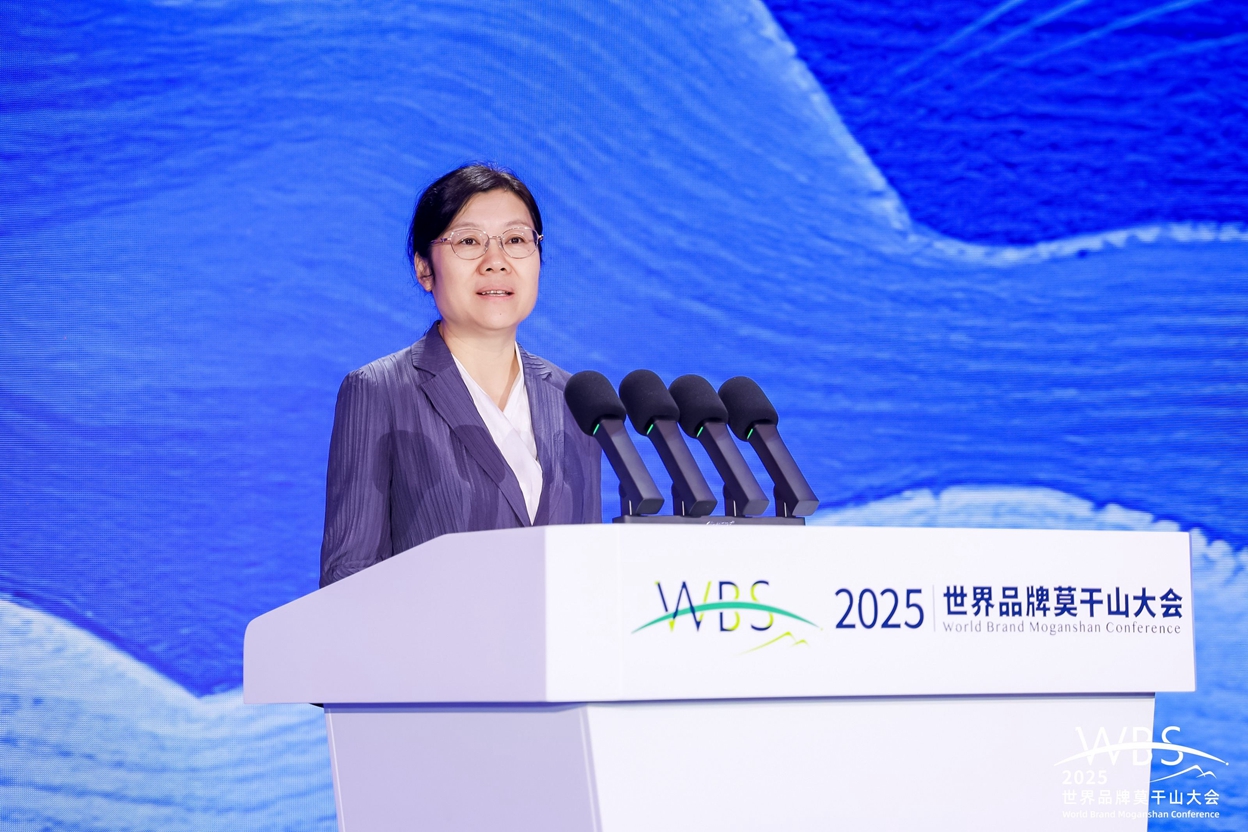
2025世界品牌莫干山大会:茅台以功能、体验、情绪三重价值 回应消费者对品牌的新期待
Sou Hu Cai Jing· 2025-05-10 16:51
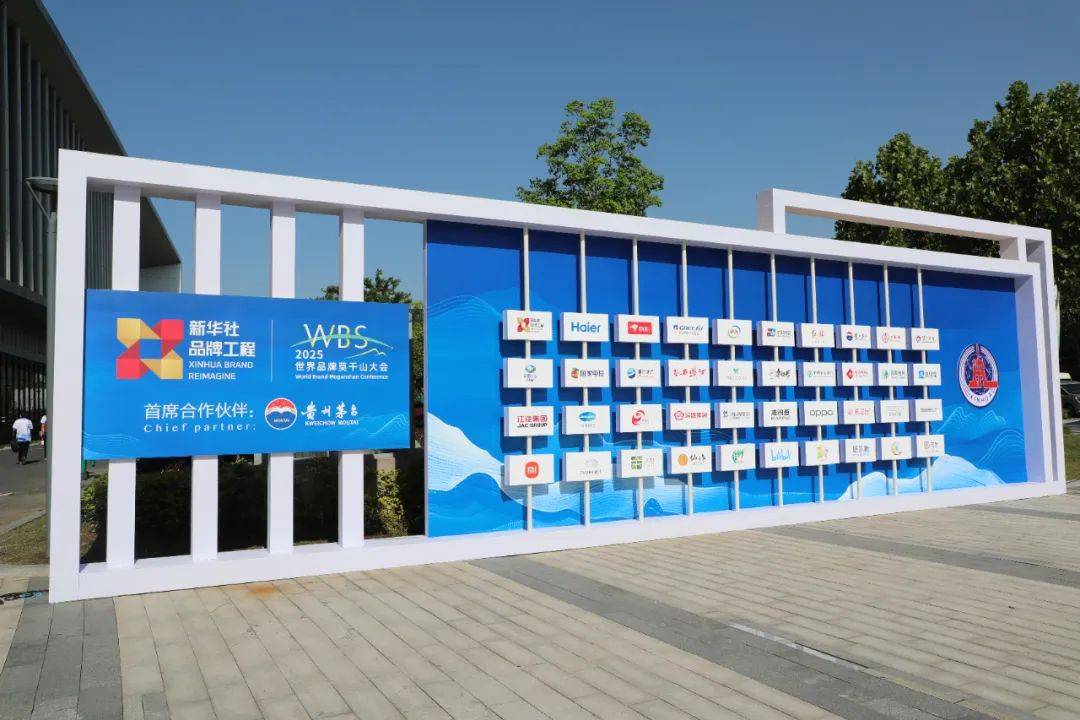
Group 1 - The 2025 World Brand Moganshan Conference opened on May 10, 2025, in Deqing, Zhejiang, focusing on the theme "Brand Makes the World Better," gathering global brand wisdom and innovation to share experiences in driving economic development and leading global trends [1][8] - Wang Li, Deputy Secretary of the Party Committee and General Manager of Moutai Group, emphasized the importance of adapting to the changing consumer behavior in the current era of consumption 3.0, highlighting the need for companies to focus on consumer-centric strategies and long-term brand building [3][5] - The conference featured discussions on how brands can create multi-dimensional value for consumers, with Moutai sharing insights on functional, experiential, and emotional values [3][7] Group 2 - Moutai's commitment to "high quality" and "functional value" involves establishing advanced quality standards and strict process controls across the entire supply chain, ensuring stable and controllable quality [5][6] - The company aims to enhance "experiential value" by providing strong sensory experiences, deep cultural connections, and emotional resonance with consumers, adapting to new consumption trends [6][7] - Moutai's approach to "emotional value" focuses on long-termism and the principles of "truth, goodness, and beauty," promoting social development and cultural heritage while driving innovation and sustainable practices [7][9] Group 3 - The World Brand Moganshan Conference, held annually on May 10 since 2023, serves as a global platform for enterprises, governments, research institutions, and media to engage in brand-related activities, fostering information exchange and project cooperation [8][9] - The conference includes various activities such as the opening ceremony, forums, and exhibitions, aimed at promoting Chinese brands on the global stage through an open, cooperative, and win-win approach [9]
茅台总经理王莉:以功能、体验、情绪三重价值回应消费者对品牌的新期待
Xin Hua Cai Jing· 2025-05-10 13:33
Core Viewpoint - The conference emphasizes the importance of brand building in response to changing consumer demands, advocating for a consumer-centric approach and long-term value creation [1][3]. Group 1: Consumer-Centric Approach - Companies must focus on creating multi-dimensional value for consumers, including functional, experiential, and emotional value [3]. - High-quality standards and strict process control are essential for ensuring functional value, utilizing a full supply chain management approach [3]. - A scientific quality expression system with quantifiable quality indicators should be established to enhance product quality [3]. Group 2: Enhancing Experiential Value - Strong consumer perception of products leads to higher experiential value, necessitating a multi-layered experience that includes sensory, cultural, and value resonance [3][4]. - Companies should use products as a medium to provide rich sensory experiences and deep cultural connections [3]. Group 3: Emotional Value and Social Responsibility - Companies should focus on genuine consumer needs, continuous product innovation, and building trust through authenticity [4]. - Emphasizing positive values and cultural heritage can drive innovation and development in related industries [4]. - A dual supply of material and spiritual products is necessary to meet consumer aspirations for a better life, aligning with ESG development strategies [4].