
信息差套利

Search documents
【西街观察】车票网售,少些噱头多点诚意
Bei Jing Shang Bao· 2026-02-12 14:31
Core Viewpoint - The Beijing Municipal Market Supervision Administration has imposed compliance requirements on 12 online train ticket sales platforms, aiming to eliminate misleading practices and enhance consumer trust in the ticket purchasing process [1][2]. Group 1: Compliance Requirements - Platforms are prohibited from suggesting that consumers can gain priority ticket purchasing privileges through paid services [1]. - Misleading promotions such as "accelerated packages," "dual channels," and "ticket monitoring" must be rectified promptly [1]. - Platforms must remove products that involve misleading advertising and adjust their promotional content to ensure clear pricing for value-added services [1]. Group 2: Misleading Practices - The so-called "priority privileges" sold for 10 to 50 yuan essentially repackaged the free ticket reservation feature provided by the official railway service, representing an exploitation of information asymmetry [2]. - The evolution of platform tactics includes default selections and hidden inducements, which undermine consumer trust and reflect a broader issue of profit at the expense of transparency [2]. Group 3: Regulatory Environment - The recent implementation of the "Regulations on the Supervision of Online Trading Platforms" prohibits practices such as price fraud and data-driven discrimination, indicating a tightening regulatory framework [3]. - The ongoing debate centers on whether platforms should act as "technical intermediaries" or "information brokers," with a call for platforms to prioritize efficiency and consumer trust over anxiety-inducing tactics [3]. - The official ticketing system has matured, and third-party platforms are encouraged to adapt by focusing on sincerity rather than gimmicks [3].
从鸡蛋神话到榴莲信仰:商超流量爆款逻辑变了
3 6 Ke· 2025-11-07 06:36
Core Insights - The retail industry is witnessing a shift from traditional staples like eggs to more experiential products like durians, driven by changing consumer demographics and preferences [3][4][5] - Young consumers, aged 20-35, are becoming the primary market, favoring quality and experience over mere price [4][6][7] - Durians have emerged as a new "traffic king" in retail, appealing to younger consumers' desire for unique experiences and social media engagement [9][10][14] Group 1: Shift in Consumer Preferences - The transition from eggs to durians reflects a broader change in consumer behavior, with younger shoppers seeking emotional and experiential value [3][4][8] - Young consumers prioritize quality, social interaction, and unique experiences, moving away from price-driven shopping habits [7][8][22] - The rise of social media platforms has amplified the importance of products that can generate engaging content, making durians a perfect fit [16][18][21] Group 2: Durians as a Retail Strategy - Durians are not just a food item but a "content blind box," providing a unique consumption experience that resonates with younger consumers [10][13][14] - The supply chain dynamics have allowed retailers to offer durians at competitive prices, creating a perception of value that attracts consumers [11][12][20] - Retailers use durians as a strategic tool to attract high-value customers and enhance brand perception, leveraging the product's appeal to drive foot traffic and sales [19][21][22] Group 3: Future of Retail - The retail landscape is evolving, and businesses must adapt to the new consumer mindset, focusing on emotional resonance and content-driven marketing [22][24] - Identifying the next "durian" for specific target demographics will be crucial for retailers to maintain relevance and drive growth [24][25] - The ultimate goal for retailers is to understand their core customers' unique preferences and create tailored experiences that resonate deeply with them [24][25]


最离谱的AI搞钱方式,诞生了
虎嗅APP· 2025-10-26 03:15
Core Insights - The article discusses the emergence of "AI resellers" on second-hand platforms who profit from selling AI-generated products, highlighting a new gray market that exploits information asymmetry, particularly targeting less tech-savvy individuals such as the elderly [6][7][40] - It reveals the diverse business models of these resellers, including selling access to AI tools, generating reports, and providing operational services, which cater to users who lack the technical skills to utilize AI effectively [20][22][30] Group 1: AI Reseller Business Models - Resellers offer services that allow users to bypass the learning curve associated with AI tools, effectively monetizing the time and expertise they possess [21][30] - The most popular products sold by resellers fall into two categories: service-based "cloud labor" and integrated "all-in-one" packages that combine multiple AI tools [22][24] - Some resellers operate as "landlords," sharing access to premium accounts with multiple users, while others evolve into service providers, directly fulfilling user requests with AI capabilities [27][29] Group 2: User Demographics and Behavior - The buyer demographic includes both casual users who occasionally need AI assistance and more serious users who are willing to pay for comprehensive services [32][35] - Younger users are increasingly engaging in group purchases to share the costs of AI subscriptions, reflecting a trend towards collaborative consumption in technology [35][36] - Emotional and practical needs drive purchases, as seen in cases where individuals seek to use AI for personal projects, such as restoring old family photos [38][39] Group 3: Market Dynamics and Implications - The article highlights a significant gap in understanding and utilizing AI tools among the general population, which creates opportunities for resellers to fill this void [30][40] - The rise of AI resellers indicates a shift in how AI is perceived and utilized, transforming it from a mere productivity tool to a means of addressing social and emotional needs [40] - This gray market reflects broader trends in technology adoption, where access to advanced tools is mediated by those who understand them, creating a new layer of economic disparity [30][40]

罗斯柴尔德家族,穿越周期300年
3 6 Ke· 2025-08-15 00:46
Core Insights - The Rothschild family, originating from Frankfurt, Germany, has built a vast business empire over 300 years, influencing finance, energy, and art, and controlling significant capital flows in Europe and beyond [1][2][3] - The family's wealth once accounted for 50% of the global total, and they have been portrayed by some media as "world puppet masters," raising questions about the truth behind these claims [1][2] Historical Accumulation and Family Blueprint - Mayer Rothschild, born in 1744, began his wealth accumulation by trading rare coins and eventually became a financial agent for European royalty [3][4] - The outbreak of the French Revolution in 1789 allowed Mayer to exploit wartime opportunities, establishing a smuggling network and providing loans to the British government [4][5] - Upon Mayer's death in 1812, he left behind a fortune of £2 million and a strategic family plan for future generations [6][7] Establishment of a Financial Network and Intelligence Empire - Mayer's strategy involved establishing banks in major European cities through his five sons, creating a financial network that facilitated capital flow across borders [7][9] - The family utilized a sophisticated intelligence system, employing messengers and informants to gain market insights, which allowed them to dominate European capital flows [11][12] Global Resource Monopoly and Financial Pricing Power - In 1871, the family helped the French government with war reparations by securing tax rights over the Alsace-Lorraine region, effectively controlling a key industrial area [13][14] - The Rothschilds also acquired significant stakes in the Suez Canal, earning substantial fees and influencing trade routes [15][18] - By the late 19th century, they controlled 70% of the global mercury supply, which was crucial for precious metal extraction, thereby gaining substantial influence over the monetary system [19][20] Political Influence and Intertwined Power Structures - The Rothschild family became a hidden power in European politics, influencing government decisions and financial policies through strategic loans and partnerships [24][25] - Their involvement in the U.S. financial system during crises, such as the 1837 financial panic, further solidified their role in shaping national fiscal policies [27][28] Challenges and Adaptation - The family faced significant challenges during the World Wars, leading to internal conflicts and a decline in their influence [30][32] - Post-war nationalization and regulatory changes in Europe diminished their traditional banking operations, prompting a shift towards mergers and acquisitions consulting [35][36] Modern Transformation and Legacy - The Rothschild family has transitioned into a global advisory firm, focusing on mergers and acquisitions while maintaining a low profile [42][43] - They continue to adapt to market changes, investing in green energy and biotechnology, and managing approximately $180 billion in assets as of 2024 [45][46]
虚拟资源项目真赚钱么:转卖官方AI兑换码盈利80000
Sou Hu Cai Jing· 2025-07-16 01:05
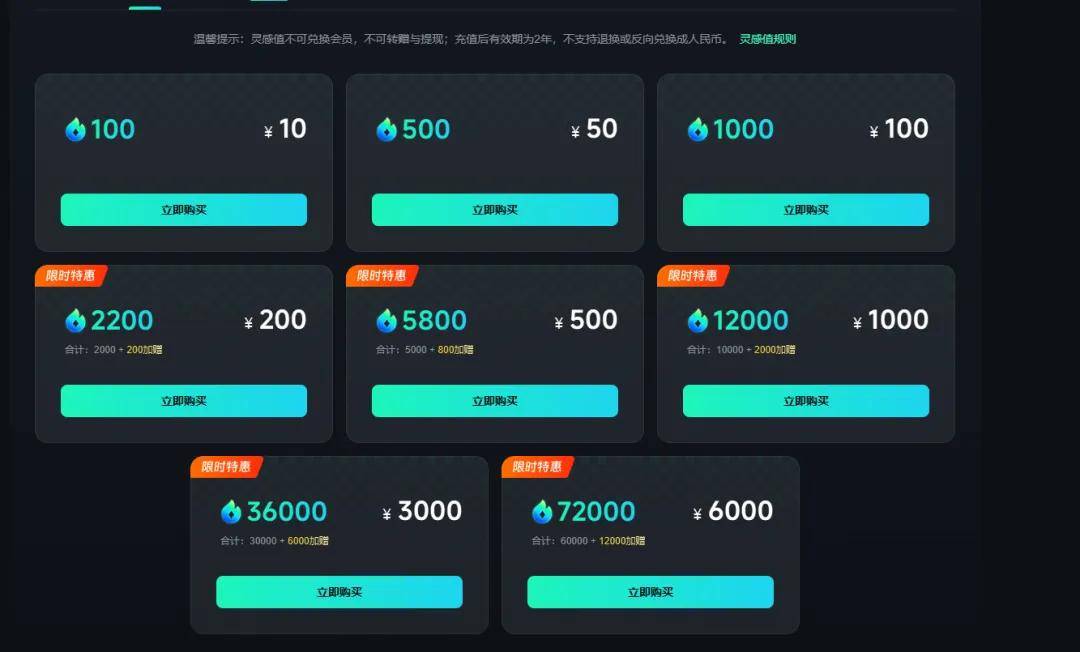
Core Insights - The article highlights a potentially lucrative project in the AI video creation market, which is currently underappreciated but has significant growth potential [1] - The project leverages a discount system for bulk purchases of AI video generation codes, allowing for substantial profit margins [5][6] Industry Background - The production of AI videos appears accessible, but the operational costs are high, with individual video generation costs reaching several yuan, leading to a "burning money" situation for creators [3] - A low-cost resource acquisition channel has emerged through the sale of AI generation codes on platforms like Xianyu, which are priced over 30% lower than official channels [3] Project Mechanics - The project utilizes a group purchasing discount system from the official AI service provider, with discounts ranging from 35% to 50% based on purchase volume [6] - For example, a purchase of 250,000 yuan can yield a cost of 125,000 yuan, allowing for a profit margin of 15% to 20% when reselling at a markup [6] Sales Channels - Sales can be conducted through various e-commerce platforms such as Xianyu, Taobao, and Pinduoduo, as well as through social networks and private communities [8] Market Demand - The demand for low-cost content production tools is increasing as the user base for AI video grows, encompassing both professional studios and individual creators [9] - However, the project requires a starting capital of over 100,000 yuan, which may pose a challenge for individuals with limited funds [9] Project Viability - The project operates on an arbitrage model, capitalizing on information asymmetry by acquiring resources at a lower cost and selling them to end-users [14] - It is particularly suited for participants with sufficient startup capital, market familiarity, and sales capabilities [14] Recommendations - For interested individuals or teams, it is advisable to start with small-scale trials to validate the sales channels and models before scaling up investments based on market feedback [15]
不上班做什么可以赚钱:团购AI工具礼品卡赚了八万元
Sou Hu Cai Jing· 2025-07-15 07:18
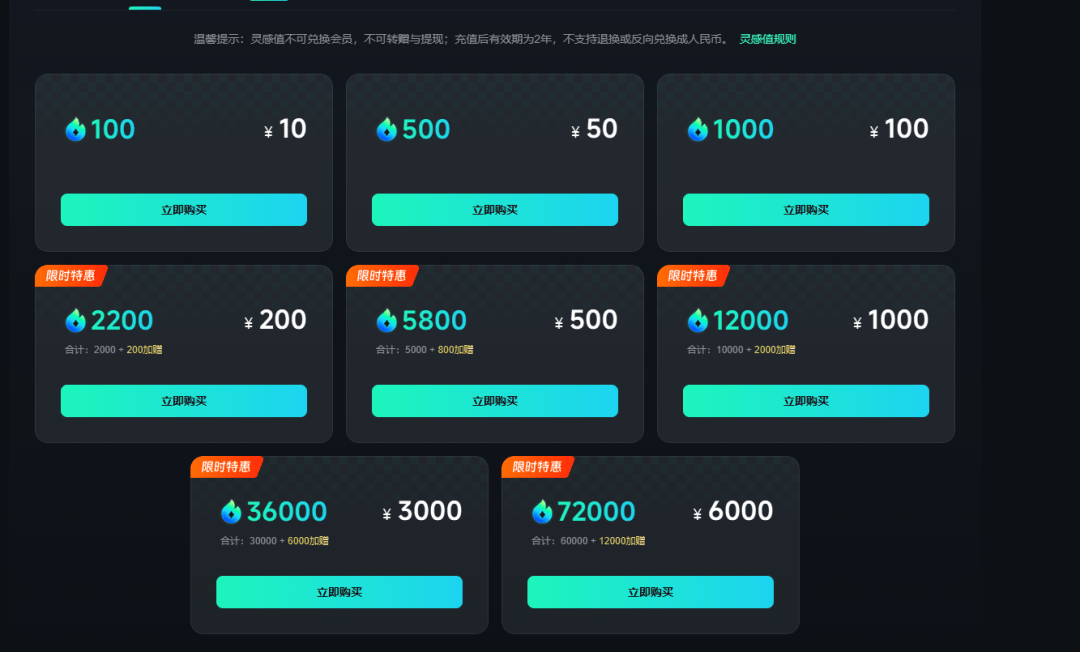
Core Insights - The article highlights a hidden business opportunity in the AI-generated video content sector, particularly focusing on the cost disparities in purchasing discount codes for video generation tools [1] Group 1: Market Opportunity - The demand for low-cost content production solutions is substantial, with a large active user base for the AI tool "可灵AI" among individual creators and institutional users [9] - Discount codes for the AI tool can be found on secondary markets like Xianyu, often at prices around one-third of the official rates, creating a significant arbitrage opportunity [3][6] Group 2: Business Model - The core business logic involves leveraging bulk purchasing policies to acquire low-cost resources and reselling them at a markup on various retail platforms [6] - For example, purchasing discount codes at a 50% discount can yield a profit margin of 15% to 20% when sold at a 70% market price, potentially leading to a net profit of 70,000 to 80,000 yuan if all codes are sold [6] Group 3: Sales Channels - Sales channels are flexible and include platforms like Xianyu and Pinduoduo, as well as private networks and social media marketing, allowing for the creation of a comprehensive sales network [8] Group 4: Entry Considerations - The project requires a minimum startup capital of 100,000 yuan, making it more suitable for individuals with some capital accumulation rather than those looking for zero-cost ventures [9] - There is a risk of expiration for the discount codes, typically valid for up to one year, necessitating careful planning of sales pace to avoid capital loss [11] Group 5: Competitive Landscape - While there are existing competitors in the market, they are generally small and fragmented, indicating an opportunity to establish a stable supply chain and pricing power for long-term profitability [11]
每经热评︱延长大股东协议转让锁定期 为培育耐心资本创造空间
Mei Ri Jing Ji Xin Wen· 2025-07-09 09:53
Group 1 - The recent trend in capital operations involves major shareholders extending the lock-up period for private equity fund acquisitions from the original 6 months to 12 or even 18 months [1][2] - In May, over 10 listed companies, including Weiling Co., Daile New Materials, and Luoxin Pharmaceutical, saw major shareholders terminate their agreement transfers, with the number of terminations in May nearly matching the total from the previous four months [1] - The new regulations stipulate that major shareholders must transfer at least 5% of the company's total shares to a single acquirer, and the acquirer cannot reduce their holdings within the first 6 months [1] Group 2 - The 6-month lock-up period coincides with the financial reporting cycle, allowing major shareholders to potentially exploit undisclosed performance data for profit [2] - The "major shareholder agreement transfer + private equity fund acquisition" model is not entirely negative, as it can prevent market disruptions from large sell-offs and introduce professional institutions to optimize the equity structure [2][3] - Extending the lock-up period helps balance the protection of minority investors with market liquidity, reducing short-term speculative arbitrage opportunities [2][3] Group 3 - Binding the lock-up period to the company's information disclosure cycle curbs short-term arbitrage and fosters the entry of patient capital into the market [3] - Private equity firms can act as strategic investors or patient industrial capital, promoting the integration of strategic investment and value discovery [3] - The commitment to lock-up periods exceeding 12 months by private equity firms encourages the cultivation of a long-term investment culture in the capital market [3]