
光伏行业转型

Search documents
工信部定调,治理光伏行业“内卷”是今年工作重中之重
Zhong Guo Zheng Quan Bao· 2026-02-05 05:05
Core Insights - The Chinese photovoltaic industry is undergoing a significant adjustment period, with a focus on addressing internal competition and achieving a dynamic balance between supply and demand [1][2] - The Ministry of Industry and Information Technology (MIIT) aims to enhance quality supervision and standardization to foster healthy competition and curb issues like power misrepresentation and intellectual property infringement [1] - The industry is encouraged to shift from scale and price competition to value competition, emphasizing energy efficiency and technological innovation [2] Group 1 - The MIIT's Deputy Director Wang Shijiang highlighted that combating "involution" in the industry will be a top priority this year [1] - The MIIT plans to implement measures such as capacity regulation, standard guidance, quality supervision, and intellectual property protection to support the industry [1] - The current supply-demand mismatch poses significant challenges for companies, necessitating a focus on high standards and quality [1] Group 2 - The industry is urged to transition from a focus on scale to energy efficiency and technological innovation, with a call for policy support to facilitate this transformation [2] - Companies are encouraged to explore new growth avenues and develop technological advantages, such as advancing silver-free or low-silver technologies [2] - The forecast for 2026 indicates a potential slowdown in the photovoltaic market, with new installed capacity expected to range between 180GW and 240GW [2]
光伏周期磨底显分化 行业迈入价值竞争新阶段
Zhong Guo Zheng Quan Bao· 2026-02-03 20:27
Core Viewpoint - The A-share photovoltaic sector is experiencing a recovery phase in 2026, driven by policy adjustments and stabilized prices within the industry, leading to significant structural differentiation and a shift in competitive logic from scale expansion to technology, brand, and cash flow competition [1][2]. Market Performance - The photovoltaic concept index in A-shares rose by 5.99% on February 3, 2026, and has accumulated a 21.42% increase year-to-date, indicating a consensus that the industry's darkest period has passed and a recovery is underway [1]. Structural Differentiation - The photovoltaic sector is expected to see increased differentiation and structural recovery in 2026, with a shift away from the previous broad-based growth driven by demand surges. Companies with technological capabilities, global channel layouts, and healthy cash flows are likely to outperform [2]. Policy Impact - Policies such as reduced export tax rates and anti-monopoly measures signify a transition from extensive expansion to high-quality development in the Chinese photovoltaic industry. This shift is leading to a stabilization of industry chain prices and a focus on maintaining reasonable profit margins [2][6]. Shift in Competitive Logic - The competition in the photovoltaic industry is transitioning from scale-based strategies to value-based strategies, focusing on technology premiums, brand and service capabilities, and intellectual property barriers. This change is driven by diminishing returns from scale effects due to overcapacity [3][5]. Emerging Opportunities - The rise of commercial space-related industries and the potential for space photovoltaics present new investment opportunities, although ground-based photovoltaics remain the primary focus for energy transition and carbon neutrality [4]. Growth Drivers - The core growth opportunities in the photovoltaic industry are now centered on leading enterprises in the main industry chain, driven by policies aimed at curbing low-price competition and promoting supply-side reforms [6]. Technological Advancements - New battery technologies and the integration of energy storage are critical for industry growth, with advancements in BC technology and high-efficiency TOPCon being key areas of focus. These technologies are expected to enhance conversion efficiency and reduce costs [6][7]. Energy Storage Integration - The integration of energy storage is essential for overcoming grid consumption bottlenecks, with increased storage capacity helping to reduce curtailment rates and create new grid connection opportunities for photovoltaic plants [7].
亿晶光电2025年预亏4.5亿至6亿元,期末净资产为负面临退市风险警示
Ju Chao Zi Xun· 2026-01-14 06:10
Core Viewpoint - Yichin Photovoltaic announced significant expected losses for 2025, with a projected net profit attributable to shareholders ranging from -450 million to -600 million yuan, indicating severe operational challenges ahead [2][3] Financial Performance - The company anticipates a net asset value at the end of 2025 to be between -68 million and -130 million yuan, a drastic decline from 497.69 million yuan in the previous year [2] - In 2024, Yichin Photovoltaic reported a total profit of -2.43 billion yuan, with a net profit attributable to shareholders of -2.09 billion yuan [2] Reasons for Expected Losses - The domestic photovoltaic industry is undergoing a transformation, leading to persistent supply-demand imbalances and overall weak profitability despite some price recovery [3] - The previous controlling shareholder's stock was auctioned, resulting in a lack of a controlling shareholder and negatively impacting the company's credit and financing capabilities [3] - A decline in prices for solar cell components and necessary impairment testing on inventory and fixed assets have significantly affected current performance [3] Operational Risks - The company has 3GW PERC and 7.5GW TOPCon battery capacities, with current production halted at both bases, leading to a projected component capacity utilization rate of approximately 35% in 2025 [4] - The absence of a controlling shareholder may affect decision-making efficiency and introduce uncertainty in the company's governance structure [4] - The company faces increased short-term debt repayment pressure and liquidity risks due to the anticipated large losses in 2025 [4] Legal and Regulatory Risks - Yichin Photovoltaic is involved in 58 legal cases, with a total amount of approximately 227.56 million yuan, complicating the financial outlook [4] - The company may face delisting risk due to the expected negative net asset value, which could lead to a "*ST" designation on its stock [5][6]


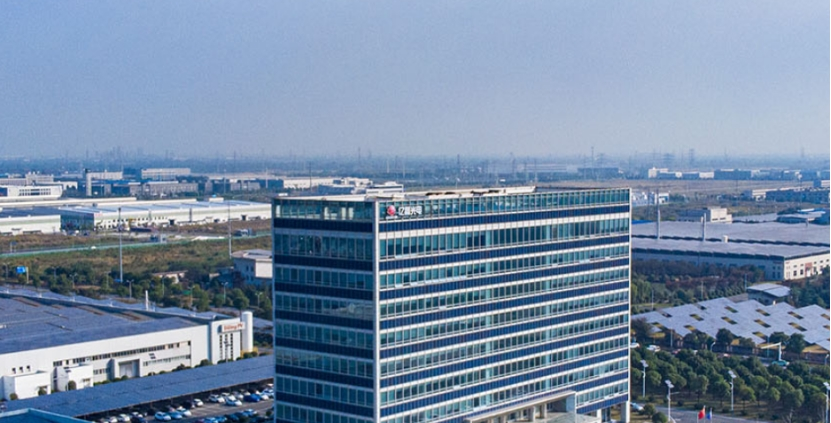
亿晶光电:2025年度预计净亏损4.5亿至6亿元
Xin Lang Cai Jing· 2026-01-13 11:02
Core Viewpoint - The company, Yijing Photovoltaic, anticipates a significant net loss for the fiscal year 2025, primarily due to industry transformation and operational challenges [1] Financial Performance - The expected net profit attributable to the parent company for 2025 is projected to be between -450 million to -600 million yuan, with a non-recurring net profit forecasted between -448 million to -598 million yuan [1] - The company's net assets at the end of the period are expected to range from -68 million to -130 million yuan, compared to a net profit of -2.09 billion yuan and net assets of 498 million yuan in the same period last year [1] Industry Challenges - The primary reasons for the anticipated losses include a mismatch in production capacity leading to supply-demand imbalance, increased operating costs, declining revenue, and falling product prices [1] - The company lacks a controlling shareholder and actual controller, which negatively impacts its credit and financing capabilities [1] Risks - The company faces risks related to production shutdowns and debt repayment, with a potential for being subject to delisting risk warnings following the 2025 annual report disclosure [1]
光伏大变局:价格筑底 龙头盈利 跨界进退|2025中国经济年报
Hua Xia Shi Bao· 2025-12-25 02:25
Core Insights - The year 2025 marks a pivotal point for China's photovoltaic (PV) industry, transitioning from chaotic competition to rational collaboration, as stated by Wang Bohua, honorary chairman of the China Photovoltaic Industry Association [2] - The fixed electricity price era has ended, leading to a new market-oriented phase for the PV sector, with significant changes in pricing and production dynamics [2] Group 1: Market Dynamics - The price of polysilicon has rebounded, with futures prices soaring from over 30,000 yuan/ton to above 60,000 yuan/ton, nearly doubling [3] - Major upstream companies like Daqo Energy and Tongwei have reported profitability in Q3, indicating a recovery in the industry [3] - The profitability of 31 key companies in the PV main industry chain has improved, with Q3 losses narrowing to 64.22 billion yuan, a reduction of approximately 46.7% from Q2 [4] Group 2: Sector Challenges - Despite improvements, the industry still faces supply-demand imbalances, particularly in the equipment sector, where many leading companies reported declines in revenue and net profit [5] - The inverter sector shows a mixed performance, with some companies experiencing profit growth while others face declining profits [5] - The auxiliary materials sector is under pressure, with leading companies in quartz crucibles and glass reporting significant losses [5] Group 3: Industry Restructuring - The PV industry is witnessing a dual trend of cross-industry expansion and exits, with companies like Longi Green Energy entering the energy storage market [6] - Several companies have exited the PV sector through asset sales and project terminations, indicating a consolidation trend [6] - The restructuring signals are strengthening, with companies like Jingang Photovoltaic undergoing reorganization to focus on specific technologies [7] Group 4: Future Outlook - The competition in PV technology is entering a new phase, with BC technology products rapidly gaining market share, potentially reaching 100GW in production by next year [8] - The price of silicon is expected to regain its central role in the industry, with a projected recovery in silicon prices linked to upstream polysilicon prices [9] - The demand for auxiliary materials is anticipated to weaken further, but supportive policies may help stabilize the market [10]



“变”中谋转型 破“卷”向新生光伏行业:从价格厮杀到价值重构
Zhong Guo Zheng Quan Bao· 2025-12-21 20:12
Group 1 - The article discusses the recent financial performance of a leading company in the technology sector, highlighting a revenue increase of 15% year-over-year, reaching $5 billion [1] - The company has successfully expanded its market share, now holding 25% of the industry, which is a 5% increase from the previous year [1] - The article notes that the company's net profit margin improved to 20%, up from 18% last year, indicating better cost management and operational efficiency [1] Group 2 - The technology sector overall is experiencing robust growth, with an expected market size increase to $1 trillion by 2025, driven by advancements in artificial intelligence and cloud computing [1] - Competitive pressures are intensifying, with new entrants in the market, prompting established companies to innovate and enhance their product offerings [1] - Regulatory changes are anticipated to impact the industry, particularly concerning data privacy and security, which may require companies to adapt their strategies [1]
四大证券报头版头条内容精华摘要_2025年12月19日_财经新闻
Xin Lang Cai Jing· 2025-12-18 23:11
Group 1 - The State-owned Assets Supervision and Administration Commission (SASAC) has released the "Implementation Measures for Accountability of Central Enterprises' Violations in Business Operations and Investments," detailing 98 specific scenarios for accountability related to state-owned asset losses [1][11][27] - The measures cover 13 areas including group control, risk management, procurement management, financial operations, and overseas investments, emphasizing the importance of compliance and responsibility in state-owned enterprises [1][11][27] Group 2 - The photovoltaic industry is currently in a critical adjustment period, facing challenges such as overcapacity and intense competition, as discussed at the 2025 Photovoltaic Industry Annual Conference [2][18][34] - The Ministry of Industry and Information Technology (MIIT) plans to implement capacity control and curb low-price competition by 2026 to promote industry governance [2][18] - Companies are expected to adopt self-regulation and innovation to navigate the current challenges in the photovoltaic sector [2][18] Group 3 - The People's Bank of China has restarted the 14-day reverse repurchase operations, injecting 100 billion yuan into the market to stabilize liquidity as the year-end approaches [5][21][32] - This move aims to address the cross-year funding needs and signals a flexible monetary policy approach [5][21][32] Group 4 - The Hainan Free Trade Port has officially launched its full island closure, marking a significant milestone in China's opening-up strategy [6][10][23][26] - The initiative includes the activation of eight open ports and ten "second-line ports," establishing Hainan as a special customs supervision area [6][10][23][26] Group 5 - The AI application landscape is evolving, with major tech companies introducing products that emphasize clear application scenarios and commercialization [7][24][33] - The daily token usage of Doubao large model has exceeded 50 trillion, indicating a tenfold increase compared to the previous year [7][24][33]
隆基绿能10亿募投项目调整、创始人李振国辞职 全年存货跌价超60亿、经营现金流罕见净流出47亿
Xin Lang Cai Jing· 2025-05-28 04:01
Core Viewpoint - Longi Green Energy has announced the termination of its 2021 convertible bond project in favor of investing in a new high-efficiency monocrystalline battery project, reflecting a shift from scale expansion to technology-driven growth in the photovoltaic industry [1][2]. Group 1: Company Adjustments - Longi Green Energy will redirect 1.08 billion yuan to the "Copper River Longi 12GW High-Efficiency Monocrystalline Battery Project" due to supply-demand imbalances in the photovoltaic industry and the need for commercializing BC (Back Contact) battery technology [1]. - The company faces significant challenges in 2024, projecting revenues of 82.582 billion yuan, a year-on-year decline of 36.23%, and a record net loss of 8.618 billion yuan [1][2]. Group 2: Financial Performance - Longi's asset impairment for the year reached 8.7 billion yuan, with inventory write-downs of 6.128 billion yuan and fixed asset impairment losses of 2.299 billion yuan [2]. - The gross margin plummeted from 18.26% in 2023 to 7.44% in 2024, a drop of 10.82 percentage points [2]. Group 3: Production Capacity and Utilization - Longi's production capacity for silicon wafers, batteries, and modules in the first half of 2024 was 170GW, 80GW, and 120GW, respectively, but actual shipments were only 44.44GW for silicon wafers and 31.34GW for modules, indicating underutilization [2]. - The company is experiencing pressure on asset impairment due to technological iterations, with fixed asset impairment losses of 1.6 billion yuan in 2023 and an additional 5.784 billion yuan in the first half of 2024 [2][3]. Group 4: Technological Challenges - The promotion of BC technology faces challenges, including initial mass production delays and higher costs compared to TOPCon technology, which may affect market acceptance [3]. - Longi's founder, Li Zhenguo, has stepped down from executive roles to focus on technology research, raising concerns about family governance [3]. Group 5: Market Dynamics - Longi's recent strategic missteps, including pricing strategies during silicon material price fluctuations, have negatively impacted its market share and profitability [3]. - The photovoltaic industry is undergoing a transition from overcapacity and asset impairment to a focus on technological advancement, with the future success of Longi hinging on the commercialization of BC technology and the development of new energy sectors like hydrogen [3].