
全产业链开发

Search documents
网文出海:从输出到共创
Ren Min Ri Bao· 2026-02-24 00:20
Core Insights - Online literature in China has become a vibrant cultural form with significant international dissemination potential, with over 1.3 million overseas authors contributing to more than 2 million works by 2025 [1][2] Group 1: Cultural Elements and Emotional Resonance - The common emotional core of Chinese online literature attracts overseas readers, while elements of traditional Chinese culture enhance its appeal [2] - The setting of "alchemists" in "Dou Po Cang Qiong" is derived from Taoist alchemy, and the sect systems reflect traditional Chinese martial arts culture, integrating these elements into the narrative [2][3] Group 2: Cultural Transmission and Translation Techniques - Overseas readers' acceptance of these cultural elements demonstrates the contemporary value of Chinese traditional culture, allowing them to grasp the life philosophies of self-improvement and respect for teachers [3] - The translation of "Dou Po Cang Qiong" utilized a method balancing "cultural authenticity" and "reader adaptation," employing a unified terminology database and contextual annotations to enhance understanding [3] Group 3: Industry Development and Future Directions - The online literature industry has evolved beyond textual content to a full industry chain model encompassing IP creation, film, animation, and gaming, expanding cultural dissemination opportunities [3] - To enhance the overseas expansion of online literature, three core aspects must be emphasized: prioritizing content quality, fostering local co-creation, and leveraging technology for immersive experiences [4]
助力青海臻品持续出圈
Xin Lang Cai Jing· 2026-01-28 21:00
Core Insights - The article highlights the efforts of two provincial representatives in Qinghai who are driving the development of green organic agricultural and livestock products through technological innovation and market expansion [1][3]. Group 1: Agricultural and Livestock Production - The representative Han Deqing has been involved in the agricultural sector for 18 years, focusing on digital transformation and creating a closed-loop industrial chain that includes poultry farming, feed processing, food production, and fertilizer manufacturing [1]. - The company aims to build eight high-standard digital chicken houses by 2025, with a target of housing 500,000 laying hens, and has already achieved a digital management system for the entire egg-laying process [1][2]. - The company currently supplies approximately 200 million fresh eggs annually and has been recognized as a national standardization demonstration site for egg chicken farming [2]. Group 2: Market Expansion and Challenges - Zhang Yuelin, another provincial representative, emphasizes the need for efficient channels to promote high-quality agricultural products from Qinghai, aiming for a 10% increase in output [3][4]. - The government report suggests enhancing the value of unique products like yak meat and promoting the development of high-value product bases, while addressing challenges such as high logistics costs and insufficient brand recognition [3][4]. - Recommendations include building large cold chain logistics bases, creating a unified brand for Qinghai products, and establishing regular platforms for production and sales connections to enhance market reach [4].
视频丨打破季节束缚 现代农业技术让“柑橘”经济再提速
Yang Shi Xin Wen Ke Hu Duan· 2025-12-20 13:33
Core Viewpoint - The development of modern agricultural technology and improved supply chain logistics has enabled a variety of fruits, particularly citrus, to be available year-round in China, enhancing consumer experience during winter months [2] Group 1: Citrus Industry Overview - China has over 90 varieties of citrus planted on more than 10,000 acres, with advancements in cultivation and storage techniques allowing for year-round availability of fresh citrus fruits [2] - The citrus industry in Shunchang has achieved a production value of nearly 700 million yuan, benefiting over 60,000 farmers [12] Group 2: Technological Advancements - Large cargo drones have been introduced, capable of transporting around 100 kilograms of fresh fruit, increasing transportation efficiency by seven times compared to traditional methods [4] - A 3-kilometer rail system has been established in orchards to enhance the efficiency of transporting fertilizers and harvested citrus [6] - Modern agricultural facilities, such as soil moisture monitoring stations and drip irrigation systems, allow for precise and efficient management of citrus cultivation [8] Group 3: Quality and Consumer Experience - The citrus fruit has a thin skin of about 2-3 millimeters and a high edible rate of 76.8%, with a sugar content of 11.9, comparable to that of watermelon [10] - The integration of citrus production with rural tourism offers immersive experiences for visitors, promoting seasonal tourism activities [12] Group 4: Market Trends and Sales - The online interest in citrus has surged, with a 25.8% increase in total search volume since November 7, and a 127.9% rise in consumer engagement [16] - The top five citrus-producing regions in China are Sichuan, Guangxi, Yunnan, Hunan, and Hubei, while the highest purchasing regions include Guangdong, Zhejiang, Hebei, Xinjiang, and Guangxi [16] - New trends in citrus consumption include the emergence of fusion products like "citrus latte" and "citrus yogurt," indicating a growing integration of citrus flavors into everyday dining [18]

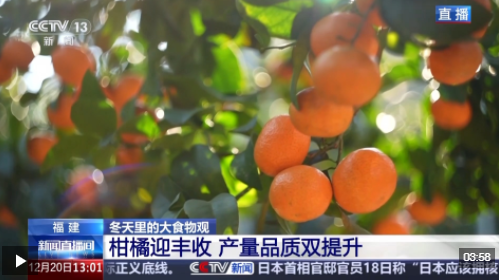
“小果子”撬动大产业托起群众“甜蜜”生活 消费新变化、新趋势激发新活力
Yang Shi Wang· 2025-12-20 06:27
Core Insights - The article highlights the advancements in modern agricultural technology and logistics that allow for a year-round supply of citrus fruits in China, particularly focusing on oranges as a leading fruit in terms of area and production [1] Group 1: Citrus Production and Technology - The Ministry of Agriculture and Rural Affairs reports that there are over 90 varieties of citrus grown on more than 10,000 acres, with improved cultivation and storage techniques enabling year-round availability of fresh citrus fruits [1] - In a modern citrus planting demonstration garden in Shunchang County, approximately 350 acres are dedicated to 15 different citrus varieties, showcasing the quality and harvesting techniques that enhance fruit preservation [3][5] - The introduction of large-capacity drones for transporting fresh fruit has increased efficiency by seven times compared to traditional methods, particularly benefiting remote orchards [5] Group 2: Quality and Consumer Experience - The citrus fruits from this region are characterized by thin skin, high juice content, and sweetness, with a sugar content of 11.9, comparable to that of watermelon [10] - The local citrus industry has integrated with rural tourism, offering immersive experiences for visitors, including fruit picking and cultural education, while also developing a range of citrus-themed products [12] Group 3: Economic Impact and Industry Development - The citrus industry in Shunchang has evolved from traditional farming to a technology-driven model, achieving a production value of nearly 700 million yuan and benefiting over 60,000 farming households [15] - In Guangxi, the gold orange production has implemented digital standards across 12 townships, with a projected planting area of 231,000 acres and an expected total output of 287,000 tons by 2025 [19][22] Group 4: Market Trends and Consumer Behavior - The online interest in citrus fruits has surged, with a 25.8% increase in total search volume since November 7, and a 127.9% rise in consumer engagement [23] - The top five citrus-producing regions in China include Sichuan, Guangxi, Yunnan, Hunan, and Hubei, while the highest purchasing regions are Guangdong, Zhejiang, Hebei, Xinjiang, and Guangxi [26] - There is a growing trend towards the incorporation of citrus flavors in beverages and desserts, with products like "citrus latte" and "citrus yogurt" gaining popularity [29]
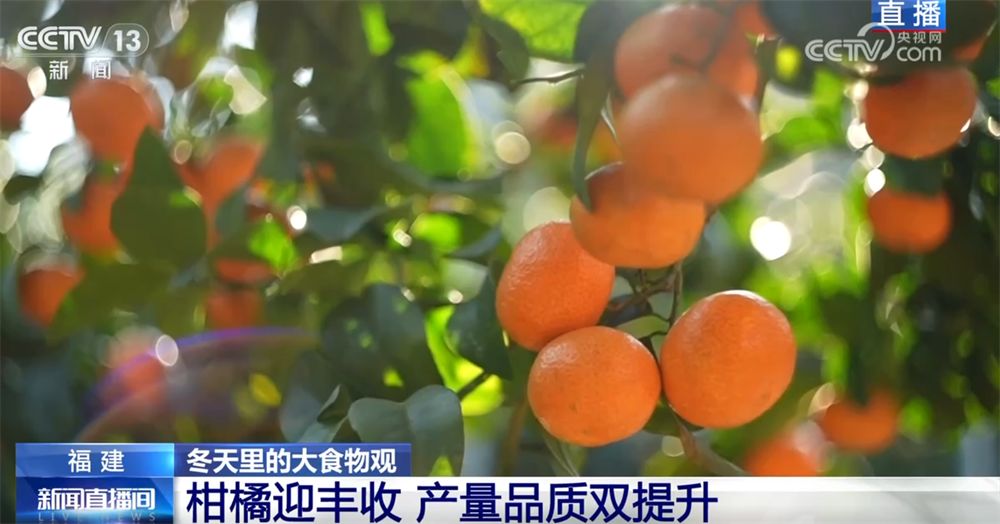
河源108万亩山茶林丰收!全产业链开发书写“绿富双赢”新篇章
Nan Fang Nong Cun Bao· 2025-11-11 11:01
Core Viewpoint - The article highlights the successful development of the oil tea industry in Heyuan, Guangdong, showcasing its potential for economic growth and brand establishment in the Greater Bay Area market. Industry Overview - Heyuan has 1.08 million acres of oil tea plantations, making it the largest in Guangdong, accounting for over one-third of the province's total area [5][6] - The comprehensive output value of the oil tea industry in Heyuan is projected to exceed 3.5 billion yuan by 2024, positioning it as a key pillar for rural revitalization [6][7] Brand Development - The upcoming promotional event for Heyuan mountain tea oil in Shenzhen aims to enhance brand visibility and market integration [8][10][12] - The local government supports brand building and encourages technological innovation through policies and financial incentives [61][62] Technological Advancements - Recent investments of 730 million yuan have been made to improve oil tea cultivation and processing technologies, significantly increasing oil yield per acre by nearly three times [29][32] - The integration of traditional methods with modern technology is being pursued to enhance product quality and market appeal [20][40][44] Product Diversification - The oil tea industry has expanded from producing edible oil to a diverse range of products, including cosmetics and health supplements, with 16 large-scale processing companies operating in the region [51][52] - Innovative products such as organic tea oil lipsticks and herbal shampoos are being developed to cater to modern consumer preferences [53][54] Market Expansion - The establishment of a comprehensive marketing system aims to enhance sales channels and brand influence, facilitating deeper connections with distributors and e-commerce platforms in the Greater Bay Area [87][91][92] - The integration of the oil tea industry with tourism and cultural sectors is being explored, with several demonstration projects attracting significant visitor numbers [70][72] Policy Support - The local government has implemented various action plans to promote high-quality development in the oil tea sector, including the creation of new plantations and the improvement of existing ones [75][76][78] - Financial support mechanisms, such as the "oil tea loan" initiative, have been introduced to stimulate industry growth and mitigate risks [83][84]

生产力、管理力、媒体+力:梅州柚百亿进阶
Nan Fang Nong Cun Bao· 2025-11-07 23:33
Core Insights - Meizhou pomelo has become a significant agricultural industry, with one in five pomelos in China produced in Meizhou, making it the largest pomelo production area in Guangdong and the second largest in the country [5][6][12] Industry Overview - The total planting area for Meizhou pomelo in 2024 is projected to be 649,500 acres, with an estimated total output of approximately 1,152,800 tons [7] - The entire Meizhou pomelo industry chain has achieved a production value exceeding 8.9 billion yuan, benefiting over 100,000 farming households [12][13] Economic Impact - In Meixian District, the pomelo industry has raised the average annual income of farmers to over 10,000 yuan, accounting for 40% of the agricultural population's income, and over 80% in main producing towns [13][14] - The village of Nanfeng in Yanyang Town has reported an annual income exceeding 50 million yuan from pomelo production [15] Development Strategies - The Meizhou government has implemented a "media+" strategy to enhance the industry's profile and market reach, focusing on four key areas: strict management, strong leading enterprises, expanding sales channels, and deep processing [17][18] - Strict management practices have been established to improve fruit quality, including standardized planting and lifecycle management [20][21][26] Market Expansion - Over 100 leading pomelo enterprises and more than 300 farmer cooperatives are active in Meizhou, creating a robust market structure that supports farmers [27][28] - Marketing efforts have included promotions on national media platforms and partnerships with major e-commerce and logistics companies to enhance distribution [31][32][34][35] Value Addition - Leading companies are focusing on deep processing of pomelo products, developing a range of items such as pomelo flower tea, pomelo beer, and various snacks, significantly increasing the added value of fresh fruit [36][39][40] - The establishment of pomelo parks and cultural tourism products has further diversified the economic benefits derived from the pomelo industry [41][42]
曹县芦笋产业:小芦笋种出“金链条”
Qi Lu Wan Bao Wang· 2025-07-31 02:25
Core Viewpoint - The news highlights the high-quality development of the asparagus industry in Caoxian, Shandong, showcasing its achievements in production, processing, and branding, which contribute to local economic growth and rural revitalization [1][2][3]. Industry Status: Advantages and Achievements - Caoxian has established itself as a leader in the domestic asparagus industry, with a planting area of 100,000 acres, accounting for 16% of the national total, and an annual output of 120,000 tons [2]. - The standardized production area is 90%, with a new variety coverage rate of 95%, and over 95% of the area utilizes soil testing and formula fertilization [2]. - Farmers benefit significantly, with an average yield of 1,300 kg per acre and income ranging from 10,000 to 14,000 yuan per acre [2]. - The processing sector includes over 10 large-scale asparagus processing enterprises, with an annual processing capacity of 150,000 tons, and three large factories with investments exceeding 100 million yuan [2]. - In 2024, the national canned asparagus export volume is projected to exceed 60,000 tons, with Caoxian contributing over 40,000 tons, representing more than 70% of the national total [2]. Brand Development - Caoxian has received numerous accolades, including being named "Hometown of Chinese Asparagus" by the Ministry of Agriculture, and "Caoxian Asparagus" has been recognized as a national geographical indication product [3]. - The majority of asparagus cultivation (90%) utilizes varieties developed by local enterprises, demonstrating the success of local innovation [3]. Typical Experiences and Innovative Measures - The region has achieved domestic substitution in asparagus varieties, moving from reliance on imported varieties to predominantly using high-yield, quality local breeds [4]. - An innovative "asparagus + cicada" intercropping model has been developed, covering 3,000 acres and generating an average land income of 30,000 yuan per acre, contributing an additional 6 million yuan to local income [5]. - The "One Asparagus Sold to Three Countries" model by Heze Shengqing Food Co., Ltd. optimizes product segmentation for international markets, maximizing profits and ensuring full utilization of the asparagus supply chain [6]. Future Planning: Multi-faceted and Sustainable Development - Caoxian plans to enhance farmer engagement through supportive policies and special funds to expand planting areas [7]. - There will be a focus on technological innovation to address key technical challenges, including the promotion of new technologies and varieties, and the integration of agricultural machinery and practices [7]. - Efforts will be made to improve international competitiveness, expand domestic markets, and encourage enterprises to establish demonstration zones [7]. - The comprehensive development of the asparagus industry is expected to drive income growth for local communities and contribute to rural revitalization [7].