《斗破苍穹》

Search documents
网文出海:从输出到共创
Ren Min Ri Bao· 2026-02-24 00:20
Core Insights - Online literature in China has become a vibrant cultural form with significant international dissemination potential, with over 1.3 million overseas authors contributing to more than 2 million works by 2025 [1][2] Group 1: Cultural Elements and Emotional Resonance - The common emotional core of Chinese online literature attracts overseas readers, while elements of traditional Chinese culture enhance its appeal [2] - The setting of "alchemists" in "Dou Po Cang Qiong" is derived from Taoist alchemy, and the sect systems reflect traditional Chinese martial arts culture, integrating these elements into the narrative [2][3] Group 2: Cultural Transmission and Translation Techniques - Overseas readers' acceptance of these cultural elements demonstrates the contemporary value of Chinese traditional culture, allowing them to grasp the life philosophies of self-improvement and respect for teachers [3] - The translation of "Dou Po Cang Qiong" utilized a method balancing "cultural authenticity" and "reader adaptation," employing a unified terminology database and contextual annotations to enhance understanding [3] Group 3: Industry Development and Future Directions - The online literature industry has evolved beyond textual content to a full industry chain model encompassing IP creation, film, animation, and gaming, expanding cultural dissemination opportunities [3] - To enhance the overseas expansion of online literature, three core aspects must be emphasized: prioritizing content quality, fostering local co-creation, and leveraging technology for immersive experiences [4]
后疫情时代,网文生长出哪些新类型?
3 6 Ke· 2026-01-22 10:55
Core Insights - The online literature market is undergoing a structural adjustment, with traditional genres being challenged by new narratives that resonate with contemporary emotions and user needs [1] - The shift from external conflict-driven narratives to internal, construction-focused storytelling reflects a broader societal desire for stability and emotional release in the post-pandemic era [1][2] Group 1: Emerging Narrative Trends - The rise of "end-of-the-world" narratives has shifted from heroic sacrifice to personal survival, focusing on self-preservation and the creation of safe spaces [2][4] - Genres emphasizing practical achievements, such as "business building" and "civil service examination," reflect a growing desire for security and stability among younger generations [4][8] - "Game invasion" narratives simplify chaos into structured tasks, appealing to readers' need for clear rewards and safety [7][8] Group 2: Emotional Expression and Rebellion - The emergence of "madness literature" represents a shift towards active emotional expression, where protagonists reject societal norms and expectations [18][19] - Works like "Madness, Just Madness" illustrate a rebellion against traditional narratives, allowing readers to vicariously release their frustrations [18][19] - The complexity of narratives like "The Strange Path of the Immortal" explores deeper psychological themes, reflecting the struggles of contemporary youth with their realities [19][20] Group 3: Industry Implications - The rising popularity of these new genres indicates a significant shift in content consumption, moving from escapism to emotional compensation [21] - Many successful online literary works are being adapted into films and series, highlighting their potential for cross-media value [20][21] - The evolution of online literature mirrors societal emotional currents, suggesting a new phase in content creation that directly addresses the challenges faced by modern readers [21]

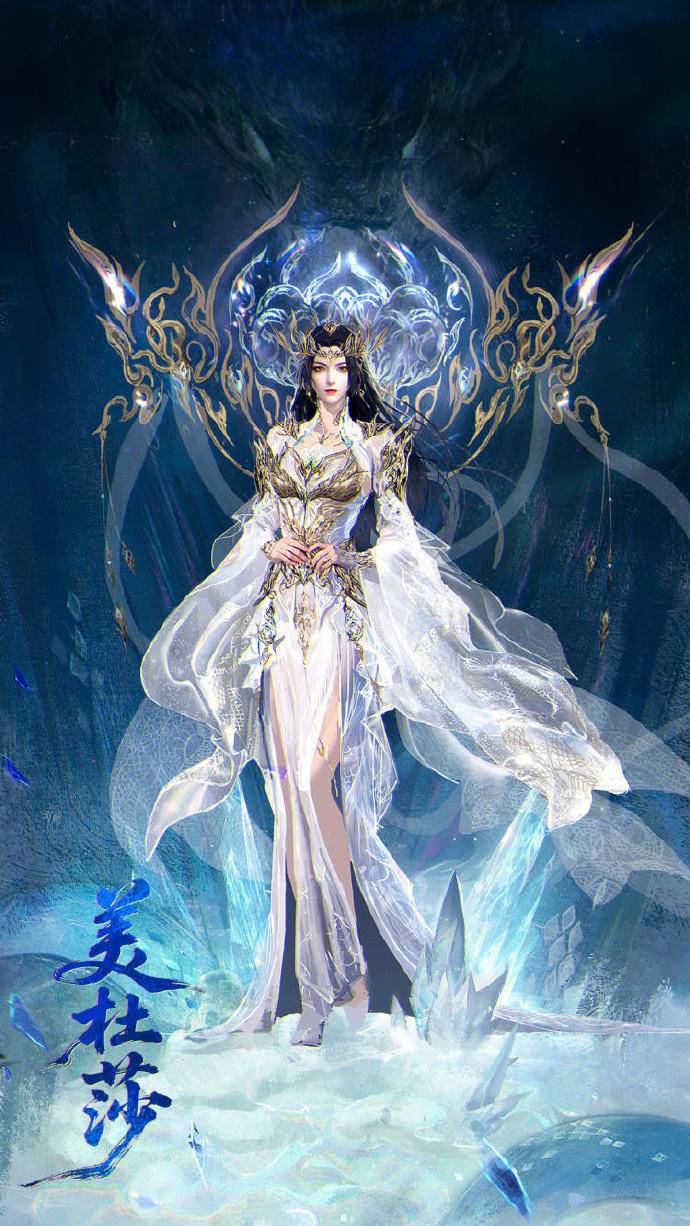
《斗破苍穹》被AI抄袭,用户判赔5万
21世纪经济报道· 2025-11-05 02:53
Core Viewpoint - The article discusses a landmark case in China regarding AI copyright infringement, highlighting the responsibilities of both users and AI platforms in the context of copyright law [1][4][12]. Group 1: Case Details - The Shanghai Jinshan District People's Court ruled on November 3 that a user infringed copyright by using images of the character "Medusa" from the anime series "Dou Po Cang Qiong" to train an AI model, resulting in a compensation of 50,000 yuan [1][4]. - The AI platform involved was not held liable as it had promptly removed the infringing model and updated its keyword filters after receiving a lawsuit, fulfilling its "notice-and-takedown" obligations [1][12]. - The user, identified as Li, used over 20 images of "Medusa" to create a model that allowed others to generate similar images, which the court deemed a violation of the original copyright holder's rights [4][12]. Group 2: Implications for AI Platforms - The court's decision sets a precedent for how AI platforms are treated under copyright law, emphasizing the need for platforms to respond quickly to infringement complaints and implement effective monitoring systems [1][12][14]. - The ruling aligns with previous cases, such as the "Ultraman AI infringement case," where courts found that platforms are not directly liable if they do not participate in the infringement and take appropriate actions upon notification [12][13]. - Legal experts suggest that AI companies should enhance their complaint handling processes, improve their content review systems, and clearly inform users about copyright risks when using training features [14]. Group 3: Industry Context - The popularity of "Dou Po Cang Qiong" has led to widespread AI-generated content, with many users creating videos and images based on the series, raising questions about the balance between creative expression and copyright protection [5][12]. - The emergence of user-generated content (UGC) communities and AI model fine-tuning presents new challenges for copyright enforcement, necessitating a reevaluation of the responsibilities of AI platforms [13][14].

《斗破苍穹》被AI“抄袭”:用户判赔5万,大模型公司免责
2 1 Shi Ji Jing Ji Bao Dao· 2025-11-05 00:06
Core Viewpoint - The case marks a significant development in the ongoing AI copyright dispute, establishing a precedent for how AI platforms and users may be held accountable for copyright infringement in China [1][5]. Group 1: Case Details - The Shanghai court ruled that the user, who used images of the character "Medusa" from the anime series "Dou Po Cang Qiong" to fine-tune a large model, infringed copyright and was ordered to pay 50,000 yuan in damages [1][3]. - The AI company was found not liable for the infringement as it had promptly removed the infringing model and updated its keyword filters upon receiving the lawsuit [1][5]. - The user’s actions were deemed to meet the standards of "access" and "substantial similarity," thus violating the original copyright holder's rights [3][4]. Group 2: Implications for AI Platforms - The ruling emphasizes the need for AI platforms to have effective complaint mechanisms and to act promptly on infringement claims to avoid liability [5][7]. - The distinction between AI platforms as "content providers" versus "technology providers" is crucial, with the court suggesting that platforms must be aware of potential infringement risks [6][7]. - Legal experts suggest that AI companies should enhance their compliance measures, including improving user agreements and providing clear warnings about copyright risks when using training functions [7].
上海首例AI大模型侵权案,《斗破苍穹》美杜莎被“喂”给AI大模型 法院判侵权
Yang Zi Wan Bao Wang· 2025-11-04 07:20
Core Viewpoint - The case marks the first ruling in Shanghai regarding copyright infringement involving AI large models, highlighting the growing legal challenges in the intersection of AI technology and intellectual property rights [1][2]. Group 1: Case Details - The plaintiff, the copyright holder of the character Medusa from the popular IP "Dou Po Cang Qiong," accused the defendant of copyright infringement for using images of Medusa to train an AI model [2][4]. - The defendant, a company operating an AI image generation platform, claimed that their technology promotes AI development and does not constitute infringement, asserting they took necessary actions to address the issue [4][5]. - The court ruled that the defendant must cease infringement and pay a total of 50,000 yuan (approximately 7,000 USD) in damages and legal costs to the plaintiff [4][5]. Group 2: Industry Implications - The ruling reflects a broader trend of increasing copyright disputes related to AI-generated content, as many users are feeding copyrighted material into AI models without authorization [6][8]. - Major entertainment companies, including Hollywood agencies and Japanese publishers, have begun to take legal action against AI companies like OpenAI for unauthorized use of their intellectual properties [8][9][12]. - The traditional copyright system faces significant challenges as AI technology evolves, leading to systemic risks in copyright infringement that require new governance frameworks [12].
杭产文化“新三样”圈粉海外的“流量密码”
Mei Ri Shang Bao· 2025-08-26 22:24
Group 1 - The core viewpoint emphasizes the global popularity of Chinese cultural exports, particularly in the forms of online literature, online games, and web series, which have captivated millions of overseas readers and players [1] - The "new three items" of cultural export from Hangzhou, including online literature, online games, and web series, have gained significant traction in various countries, with notable examples like "Dou Po Cang Qiong" and "Black Myth: Wukong" [1] - The research team from the city's brand promotion association is investigating the success factors and challenges faced by these cultural exports, focusing on the creative needs of the industry [1] Group 2 - The importance of "telling a good Chinese story" is highlighted as a key factor for cultural success abroad, with the need to adapt narratives to resonate with international audiences [2] - An example is provided where the American animation "Kung Fu Panda" successfully attracted Chinese fans while embodying American heroism, illustrating the need for cultural exports to align with global audience preferences [2] - The emotional connection conveyed by the "new three items" is identified as a universal appeal, transcending cultural differences and resonating with shared human experiences [2] - Recommendations for improving the cultural export environment in Hangzhou include creating a supportive business environment, implementing effective policies, and investing in quality works with a long-term vision [2]
阅文集团“爆款”加持中期净利增68.5% IP衍生品GMV达4.8亿出海步伐加速
Chang Jiang Shang Bao· 2025-08-13 23:52
Core Viewpoint - The company continues to strengthen its content creation and IP operation capabilities, despite a decline in revenue, showcasing growth in net profit and advancements in AI integration with its IP ecosystem [1][2][4]. Financial Performance - In the first half of 2025, the company reported total revenue of 3.19 billion yuan, a year-on-year decrease of 23.9%, while net profit reached 850 million yuan, an increase of 68.5% [2][3]. - Online business revenue amounted to 1.99 billion yuan, reflecting a year-on-year growth of 2.3%, driven by increased income from self-owned and third-party platforms [2][3]. IP Operation and Content Ecosystem - The company’s IP operation business demonstrated strong performance, with a GMV of 480 million yuan in IP derivative products, nearing the total of 500 million yuan for the entire year of 2024 [5]. - The online reading platform added 200,000 new authors and 410,000 novels, with a total word count increase of approximately 20 billion [3]. User Engagement and Growth - The average monthly paying user count reached 9.2 million, a year-on-year increase of 4.5%, with significant growth in the number of works receiving high monthly ticket sales [3]. - The company has established a sustainable development model characterized by high-quality content supply and loyal user engagement [3]. AI Integration and International Expansion - The integration of AI technology has significantly enhanced the company's IP ecosystem, with AI translation revenue on the overseas platform WebNovel growing by 38% year-on-year, accounting for over 35% of total revenue [5][6]. - The company has launched innovative AI features, such as the "Miaobi Tongjian" knowledge base, which has increased author interaction with AI by 40% [5]. Market Position and Future Outlook - The company maintains a leading position in the market with successful adaptations of its IP into various media formats, including popular series and animations [4]. - Industry experts believe that the combination of web literature, web series, and online games represents a new wave of cultural export, with the potential for higher valuations in overseas markets [6].
阅文集团上半年净利润同比增长68.5%
Zheng Quan Ri Bao· 2025-08-12 16:10
Core Viewpoint - The article highlights the significant growth of Yuewen Group in the first half of 2025, driven by its strong IP reserves and successful expansion into various entertainment sectors, including short dramas and IP derivatives [1][2]. Financial Performance - In the first half of 2025, Yuewen achieved revenue of 3.19 billion yuan and a net profit of 850 million yuan, marking a year-on-year increase of 68.5% [1]. - Online business revenue grew by 2.3% to 1.99 billion yuan [2]. IP Development and Ecosystem - The company added 200,000 new authors and 410,000 new novels to its online reading platform, with a 45% increase in authors achieving over 10,000 subscriptions [2]. - The number of new signed works generating over 1 million yuan in revenue increased by 63% [2]. - The average monthly paying user count reached 9.2 million, reflecting a 4.5% year-on-year growth [2]. IP Commercialization - Yuewen's IP commercialization saw success across multiple formats, including popular adaptations of novels into long dramas and short dramas, with notable titles like "Jiu Chong Zi" and "Da Feng Da Geng Ren" [3]. - The short drama segment experienced explosive growth, with a significant increase in production and collaboration with industry writers [3]. - The IP derivative business generated a GMV of 480 million yuan, nearing the total for the previous year [3]. Strategic Investments and Collaborations - Yuewen is expanding its business model through investments, such as acquiring a 10% stake in the plush toy brand "Super Vitality Factory," aiming to collaborate on IP development [4]. - The company has accelerated the launch of new products under its IP derivative brand, Yuewen Goodies, partnering with nearly 10,000 online and offline distributors and collaborating with 230 brands [4]. - Yuewen aims to leverage its extensive IP reserves to drive industry growth and become a key player in the evolution of China's IP ecosystem [4].
网络文学何以“圈粉”海外?来看一个全球共创IP的养成记
Ren Min Ri Bao· 2025-07-31 23:34
Core Insights - The article discusses the global success of the web novel "Full-Time Expert," which has evolved into a multi-faceted IP encompassing audiobooks, radio dramas, comics, animations, TV series, movies, mobile games, and merchandise [1][2] Group 1: IP Development and Globalization - "Full-Time Expert" has achieved significant viewership, with over 1 billion views on its animated adaptation on the first day and a total of over 2.5 billion views [1] - The novel was published in Japan in 2015, with over 30 million downloads, and its English version on Qidian International has surpassed 130 million overseas reads [1][2] - Qidian International has launched approximately 6,800 translated Chinese web literature works and nurtured 460,000 overseas authors by the end of 2024, reaching nearly 300 million users across over 200 countries [2] Group 2: Cultural Impact and Emotional Resonance - The emotional core of web literature, which conveys universal themes of love, friendship, and family, resonates with both Chinese and overseas readers, contributing to its popularity [3][4] - The incorporation of traditional Chinese culture in web literature has attracted overseas readers, with adaptations like the comic version of "Yuan Zun" gaining traction in countries such as South Korea, Japan, and the United States [4][5] Group 3: Translation and Adaptation Challenges - Translation plays a crucial role in the overseas success of web literature, with challenges arising from language differences and the need for culturally relevant adaptations [5] - Authors are encouraged to focus on storytelling and emotional expression, as a strong narrative foundation is essential for successful international outreach [5]
全球共创IP养成记!网络文学何以“圈粉”海外?
Ren Min Ri Bao· 2025-07-31 01:56
Core Viewpoint - The article highlights the global expansion of Chinese online literature, exemplified by the success of the IP "Full-Time Master," which has evolved into a multi-faceted cultural product and a significant vehicle for promoting Chinese culture abroad [1][2]. Group 1: Development of Online Literature - The online novel "Full-Time Master," serialized in 2011, has achieved remarkable success, with its animated adaptation garnering over 1 billion views on its first day and a total of over 2.5 billion views [1]. - The novel's adaptations include an animated film released in nine countries and a television series with nearly 4 billion views [1][2]. - The international version of "Full-Time Master" has been translated into Japanese and English, with over 30 million downloads in Japan and 130 million overseas reads on the platform Qidian International [2]. Group 2: Global Co-Creation of IP - Qidian International, established in 2017, has become a key platform for the overseas dissemination of Chinese online literature, with approximately 6,800 translated works and 460,000 overseas authors by the end of 2024 [2]. - The concept of global co-creation of IP is driving the globalization of the entire online literature industry chain, with various adaptations including novels, comics, animations, and films [2][8]. - The collaboration between the Swiss National Tourism Board and the "Full-Time Master" IP demonstrates the growing influence of Chinese online literature in international markets [2]. Group 3: Emotional Resonance and Cultural Appeal - The emotional core of online literature, which conveys universal themes of love, friendship, and family, resonates with both Chinese and overseas readers, contributing to its popularity [4][7]. - The incorporation of traditional Chinese cultural elements in adaptations, such as the use of traditional musical instruments in audiobooks, enhances the appeal of these works to international audiences [7]. - The article emphasizes the importance of localization and understanding the target audience's preferences in the translation process to ensure successful overseas promotion [7]. Group 4: Cultural Significance - Chinese online literature is emerging as a new cultural carrier alongside Korean dramas, Japanese anime, and Hollywood films, fostering a deeper understanding and appreciation of Chinese culture among foreign readers [8].