
具身模型

Search documents
华科博士联手清华教授 跑出100亿机器人黑马
2 1 Shi Ji Jing Ji Bao Dao· 2026-02-24 16:12
Group 1 - The core viewpoint of the article highlights the emergence of Qianxun Intelligent as a significant player in the embodied intelligence sector, achieving a valuation exceeding 10 billion yuan after recent funding rounds totaling nearly 2 billion yuan [1][2]. - The company was co-founded by Han Fengtao, who has extensive experience in the industrial robotics field, and aims to enable 10% of the global population to own their own robots within ten years [2][3]. - Qianxun Intelligent's team consists of members from top universities, focusing on core areas such as multimodal large models and reinforcement learning, and has developed the "Mozi Robot" for complex tasks in production lines [2][5]. Group 2 - In July of the previous year, Qianxun completed a Pre A+ round of financing, led by JD.com, to explore commercial applications of their robots in retail environments [3][5]. - The company achieved a significant milestone by surpassing a 50.33% success rate with its open-source Spirit v1.5 model, ranking first globally among embodied intelligence models [5][6]. - The primary goal post-funding is to enhance the performance of their embodied models, aiming to accumulate 1 million hours of effective data, with a revenue target of 100 million yuan [6].



星动纪元创始人陈建宇:要实现万亿级市场,核心是打造上限更高、更通用的机器人
创业邦· 2026-01-19 10:41
Core Viewpoint - The article emphasizes the potential of robotics to create a trillion-dollar market by developing more versatile and intelligent robots that can adapt to various tasks and environments, similar to human capabilities [4][6][7]. Group 1: Robotics Market Potential - The robotics industry is expected to generate significant productivity, potentially contributing to half of the global GDP [7]. - Current robots are often specialized for single tasks, limiting their market scalability [4][7]. - A consensus has emerged in the industry that robotics will lead to a trillion-dollar market in the future [6]. Group 2: Development of General-Purpose Robots - The focus is on creating robots with higher limits and versatility, enabling them to learn and adapt quickly to different scenarios [4][7]. - The company has made progress in developing humanoid robots with integrated software and hardware, allowing for complex operations [7][19]. - The robots are designed to be general-purpose, utilizing a common model that is not tailored to specific scenarios, thus enhancing adaptability [8]. Group 3: Innovation in Embodied Models - The development of embodied models has evolved through three stages: VLA model based on VLM, integration of world models, and reinforcement learning [11][16]. - The world model allows robots to predict and make decisions based on their understanding of the physical world, enhancing their operational capabilities [14][15]. - The final stage involves reinforcement learning, enabling robots to autonomously improve their performance through trial and error [16]. Group 4: Hardware Development - The company has independently developed key components such as dexterous hands, motors, and actuators, forming a product matrix that translates technology into tangible forms [19][20]. - The humanoid robot STAR1 is highlighted for its advanced capabilities, including high jump and complex task execution [19]. - The wheel-based robot Q5 is designed for service scenarios, showcasing flexibility and precision in operations [20]. Group 5: Commercialization Strategy - The company employs a dual-track strategy for commercialization, providing comprehensive solutions directly to end-user scenarios while also offering tools to other enterprises and academic institutions [21]. - Collaborations with major companies like SF Express, Haier, and Lenovo have been established, allowing for real-world data feedback to optimize models [21]. - The company has attracted nine of the top ten global tech giants as clients, indicating the value of its technological tools [21].

京东狼族机器人全球智能工厂落户无锡!机器人ETF(562500) 午后在0.98元附近获得支撑,板块调整中资金换手充分
Mei Ri Jing Ji Xin Wen· 2025-11-11 05:51
Group 1 - The Robot ETF (562500) continues to experience weak fluctuations, currently priced at 0.981 yuan with a decline of 0.91% [1] - Among the 73 constituent stocks, 22 have risen while 51 have fallen, indicating a mixed performance within the sector [1] - The ETF has seen continuous net inflows over the past five trading days, suggesting sustained medium to long-term investment interest [1] Group 2 - JD.com has launched its global intelligent factory project for logistics robots in Wuxi, which will be the first of its kind and aims for full-process automation from core component production to software system integration [1] - The Robot ETF is the only one in the market with a scale exceeding 20 billion, covering various segments such as humanoid robots, industrial robots, and service robots, facilitating investment in the entire robot industry chain [3]
马斯克的 Optimus 机器人稳了吗
Sou Hu Cai Jing· 2025-09-24 14:20
Group 1 - The core idea of the article revolves around Tesla's Optimus robot, which aims to achieve advanced capabilities in walking and performing complex tasks, but faces significant challenges in motion control, task generalization, and reliability [2][3] - Despite criticisms, Tesla's strength lies in its comprehensive in-house development and vertical integration, particularly in actuator design and battery technology [3][5] - Tesla's third-generation Optimus robot has shown significant improvements in generalization capabilities, shifting from motion capture and remote control to training models using human video data [7] Group 2 - The article highlights the cost advantages of Tesla's pure vision system compared to multi-sensor setups, which can be prohibitively expensive, thus facilitating broader commercial deployment [9] - However, there are still fundamental issues to resolve before mass production can begin, including the need for high-quality multi-modal data for effective training of embodied models [9][10] - Critics argue that Tesla's ambitious plans may be more about maintaining stock prices than delivering tangible results, likening the current situation to a bubble fueled by AI hype [10][18] Group 3 - The article references Tesla's previous master plan from 2016, which has seen limited success in achieving its outlined goals, particularly in fully autonomous driving and product line expansion [11][12] - Current expectations for Tesla's future growth are extremely high, with ambitious targets set for vehicle deliveries and robot production, requiring a compound annual growth rate of 26% [17] - Recent stock purchases by Elon Musk have positively impacted Tesla's market value, indicating investor confidence in his leadership and the company's future prospects [18]

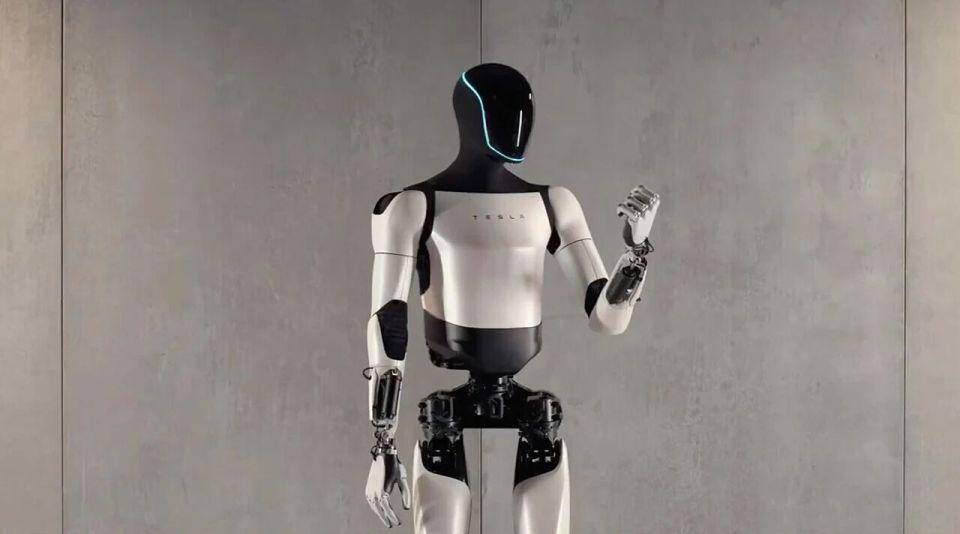
马斯克的Optimus机器人稳了吗
首席商业评论· 2025-09-21 04:10
Core Viewpoint - Tesla's Optimus robot aims to achieve advanced capabilities in walking and performing complex tasks, but faces significant challenges in motion control, task generalization, and reliability [3][10][12] Group 1: Current Status of Optimus - As of January 2024, Optimus demonstrated limited capabilities, such as folding clothes and interacting with crowds via remote control, which has drawn criticism from the industry [3][10] - Compared to domestic competitors, Tesla's Optimus does not show significant advantages in walking or grasping abilities [3][10] - Tesla's strength lies in its comprehensive in-house development and vertical integration, with all 28 joints of Optimus designed as integrated electric drive modules [3][5] Group 2: Technological Advancements - Tesla utilizes its own 4680 cylindrical battery cells and self-developed Battery Management System (BMS), while many startups rely on third-party batteries [5][10] - The third generation of Optimus has seen exponential growth in generalization capabilities, shifting from motion capture and remote control data collection to using human videos for training [7][10] Group 3: Challenges Ahead - Current 2D video data is insufficient for training embodied models, which require more complex multimodal data for better generalization and task success rates [10][12] - The existing dexterous hands struggle with complex physical scenarios, indicating a need for higher quality and more comprehensive data [10][12] Group 4: Market and Future Outlook - Critics argue that Tesla's ambitious AI and robotics plans lack concrete support, with some viewing them as a means to maintain stock prices amid declining sales [12][19] - Tesla's future growth targets are ambitious, requiring a compound annual growth rate of 26% to reach a market value of $7.5 trillion, which includes delivering 1 million robots and 1 million robotaxis [18][19] - Recent stock purchases by Elon Musk have positively impacted Tesla's stock price, reflecting investor confidence in his leadership and vision for the company [19][20]
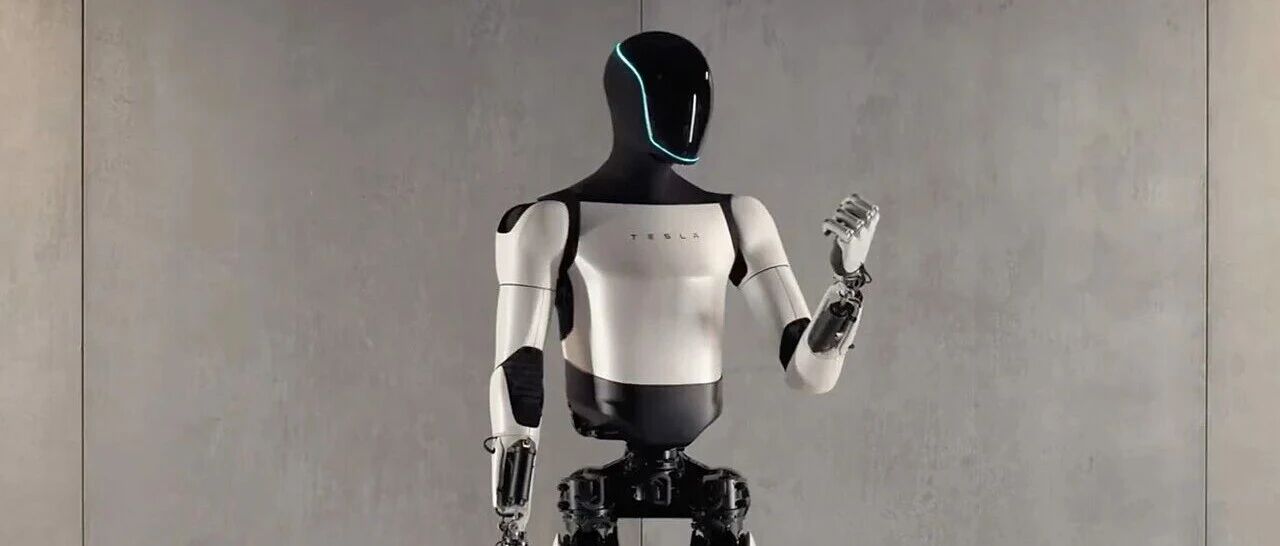
马斯克100万台KPI再度催化人形机器人量产 产业链头部厂商持续爆单(附概念股)
Zhi Tong Cai Jing· 2025-09-17 00:41
Group 1 - Tesla CEO Elon Musk purchased over 2.5 million shares of Tesla stock worth approximately $1 billion on September 12, 2023, following a new compensation plan proposed by the board that could potentially be valued at nearly $1 trillion [1] - The board granted Musk up to 423.7 million restricted stock units, representing about 12% of the company's adjusted total shares, to be released in 12 tranches [1] - One of the operational goals to unlock the $1 trillion compensation is to achieve cumulative deliveries of 1 million humanoid robots, with 2025 anticipated as a pivotal year for mass production and commercialization of humanoid robots [1] Group 2 - The industry outlook for the second half of the year is positive, with more favorable catalysts than potential downsides, as the pessimistic period of June's production cuts and model changes has passed [2] - Domestic manufacturers are experiencing significant progress, with leading companies receiving large orders, launching new products, signing contracts, and engaging in financing activities [2] Group 3 - Relevant companies in the humanoid robot supply chain in Hong Kong include: Yuanchuang (02432), UBTECH (09880), Eagle Precision (01286), Shoucheng Holdings (00697), Jizhijia-W (02590), Sanhua Intelligent Control (002050), Dechang Motor Holdings (00179), and Tsugami Machine Tool China (01651) [3]
拓斯达:首款人形机器人产品“小拓”已在注塑车间完成多轮验证
Di Yi Cai Jing· 2025-09-14 10:31
Core Viewpoint - The company has launched its first humanoid robot product "Xiao Tuo," which is based on a collaborative embodied model developed with Zhipu, enabling autonomous reasoning and decision-making for complex tasks [1] Group 1: Product Development - "Xiao Tuo" has undergone multiple rounds of validation in injection molding workshops, showcasing its practical application in industrial settings [1] - The robot integrates a 3D camera and AI visual inspection system, allowing it to identify the quality of injection-molded parts in real-time [1] Group 2: Automation Capabilities - "Xiao Tuo" can autonomously complete processes such as tray loading, achieving full-process automation from inspection to operation [1]

中信建投:现阶段分拣场景泛人形机器人替代工人处于临界点
Xin Lang Cai Jing· 2025-08-18 23:37
Core Viewpoint - The current humanoid robots in the hardware sector have reached the commercialization threshold in logistics scenarios, but domestic embodied models still have room for improvement before full deployment [1] Summary by Categories Efficiency in Sorting - Overseas, the Figure 02 robot, based on Helix neural network, processes a package in an average time of 4.05 seconds, which is comparable to the sorting efficiency of skilled workers who take 3-5 seconds per standard small package [1] - Domestically, the Zhiyuan Spirit G1 robot's sorting speed still lags behind that of skilled workers [1] - There are notable gaps in sorting quality and handling exceptions between humanoid robots and skilled workers [1] Economic Viability - Currently, humanoid robots are at a critical point in replacing workers in sorting scenarios [1] - It is anticipated that in the second half of this year, humanoid robots will gradually transition from demo scenarios to customer trials, with a potential explosive growth expected next year after customer validation [1] - Due to higher labor costs, overseas markets are expected to be the first choice for the deployment of humanoid robots in logistics scenarios [1]

中信建投:今年下半年泛人形机器人在物流场景会逐步交付客户试用,明年有望迎爆发增长
Xin Lang Cai Jing· 2025-08-18 01:20
Core Viewpoint - The report from CITIC Securities indicates that humanoid robots (non-completely humanoid) need to possess multimodal perception and end-to-end large model capabilities to achieve logistics sorting operations. Current hardware for humanoid robots has reached the commercialization threshold in logistics scenarios, but domestic embodied models still have room for improvement before full deployment [1] Economic Analysis - From an economic perspective, under the assumption of recovering costs within two years, the input-output ratio of humanoid robots has already matched that of sorting workers. This suggests a competitive economic viability for humanoid robots in logistics [1] Market Trends - In the second half of this year, humanoid robots are expected to gradually transition from demo scenarios to customer trial deliveries. Following customer validation, a significant growth surge is anticipated next year [1] - Due to higher labor costs overseas, international markets are likely to be the first choice for the deployment of humanoid robots in logistics scenarios [1] Investment Opportunities - It is recommended to pay attention to overall solution providers that are expected to gain excess premiums through secondary development capabilities, as well as core suppliers of entities that are leading in the commercialization progress [1]
中信建投:看好泛人形机器人在物流分拣场景率先应用
Di Yi Cai Jing· 2025-08-17 23:54
Core Viewpoint - The report from CITIC Construction Investment indicates that humanoid robots (non-completely humanoid) need to possess multimodal perception and end-to-end large model capabilities to achieve logistics sorting operations. The current hardware of humanoid robots has reached the commercialization threshold for logistics scenarios, but domestic embodied models still require improvements for practical implementation [1] Economic Analysis - From an economic perspective, under the assumption of recovering costs within two years, the input-output ratio of humanoid robots has already matched that of sorting workers. This suggests a competitive economic viability for the deployment of humanoid robots in logistics [1] Market Outlook - It is anticipated that in the second half of this year, humanoid robots will gradually transition from demo scenarios to customer trial deliveries. Following customer validation, a significant growth surge is expected next year [1]