
双向奔赴

Search documents
邗江:建强暖“新”阵地 绘就治理新图景
Xin Lang Cai Jing· 2026-01-15 22:30
Core Viewpoint - The Yangzhou Hanjiang District has established a Party-Mass Service Center for new employment groups, aiming to provide comprehensive support and services to this essential workforce, enhancing their living conditions and participation in community governance [1][2][3] Group 1: Service Center Overview - The Party-Mass Service Center covers an area of 800 square meters, divided into a life service area on the first floor and an empowerment area on the second floor, serving as a "warm home" for new employment groups [1] - The first floor offers 24-hour basic services, including free drinking water and food heating, along with a community dining service providing meals at affordable prices [1] - The second floor focuses on the growth and rights protection of new employment groups, featuring facilities for stress relief and professional skills training [1] Group 2: Young Cadre Involvement - The center serves as a practical training platform for young cadres, who are selected based on their comprehensive qualities and service awareness to manage operations effectively [2] - Young cadres leverage their innovative thinking to address service challenges, collaborating with local healthcare resources to provide health services tailored to the unique needs of new employment groups [2] - The center facilitates direct communication with new employment groups to gather their needs, laying the groundwork for targeted services [2] Group 3: Community Governance Innovation - The center promotes a shift from service recipients to active participants in governance through an innovative "public welfare incentive mechanism," encouraging community engagement with rewards for completing tasks [3] - Regular "rider councils" are held to discuss issues like rights protection, establishing a feedback loop for suggestions that lead to actionable measures [3] - The center has successfully addressed safety concerns raised by community members, demonstrating effective coordination and responsiveness in governance [3]
“双向奔赴”构建幸福共同体
Su Zhou Ri Bao· 2026-01-12 00:27
Core Viewpoint - The establishment of the 24-hour "Warm New Station" in the Wumenqiao Street area signifies a new layout of a four-level warm network, providing essential support for over 13,000 new employment groups in the region, and transforming them from "governance objects" to "governance partners" in community management [1][2]. Group 1: New Employment Groups - The rapid growth of new employment groups, such as delivery workers and ride-hailing drivers, has become an indispensable force in urban operations, with these workers constituting about 25% of the total labor force in the area [2][3]. - The challenges faced by these workers include weak organizational ties, labor relations, and community engagement, which complicate traditional grassroots governance models [2][3]. Group 2: Governance and Service Initiatives - The Wumenqiao Street has implemented a dual-track model of "service list" and "governance list" to address the needs of new employment groups while activating their unique roles in community governance [3][6]. - The "Warm New Empowerment" project aims to create a systematic approach to enhance the sense of belonging and community participation among new employment groups [3][8]. Group 3: Facilities and Support Services - The new "Warm New Station" provides essential amenities such as hot water, microwaves, and charging stations, with 36 such stations established across commercial areas, communities, and parks [5][6]. - Initiatives like "1 yuan love lunch" and community childcare programs have been introduced to alleviate the daily challenges faced by these workers, enhancing their quality of life [6][7]. Group 4: Community Engagement and Participation - The introduction of the "Rider Team" and "Rider Task Card" encourages new employment groups to report community issues and participate in governance, transforming them from service recipients to contributors [7][8]. - The active involvement of these workers in community activities has led to significant improvements in local governance, with over 100 safety issues reported and resolved through their engagement [8][9]. Group 5: Building a Sense of Community - The initiatives have fostered a sense of belonging among new employment groups, transforming them from strangers to familiar community members, thereby creating a vibrant and warm community atmosphere [9]. - The dual-track innovation model has successfully turned the new employment group into a significant asset for grassroots governance, showcasing a new approach to community management [9].
为新就业群体筑“港湾”建“前哨”
Xin Lang Cai Jing· 2026-01-02 23:43
Group 1 - The article highlights the importance of supporting new employment groups such as delivery riders and couriers, emphasizing the city's focus on their work-life needs [1][2] - The city has implemented a "15-minute warm service circle" to address issues like difficulty in finding rest areas and meals, establishing 40 "rider canteens" and over 100 caring merchants [1] - Regular "New Employment Group" discussion meetings are held to address concerns and improve conditions for these workers, with nearly a thousand issues resolved through a direct communication mechanism [2] Group 2 - The city aims to foster a deeper connection between urban life and new employment groups, promoting respect and care for their contributions to daily operations [3] - Initiatives include appointing delivery riders as part-time community grid members to report safety hazards and engage in volunteer services, enhancing their role in the community [2][3] - The city's approach is centered on party-building and warm services, creating pathways for effective participation from new employment groups [3]
对话携程集团高级副总裁王韦:入境游红利,推动文旅市场三重“变革”
2 1 Shi Ji Jing Ji Bao Dao· 2025-12-30 23:15
Core Insights - The implementation of visa facilitation policies in 2025 has significantly boosted China's inbound tourism market, with a 27.2% year-on-year increase in foreign visitors, totaling 40.6 million [1] - The growth in visa-free transit has seen a 60.8% increase in passenger flow, with major cities like Shanghai, Beijing, and Guangzhou benefiting from over 55% of inbound travelers enjoying visa-free access [1] - The influx of foreign visitors has led to a substantial increase in consumer spending, with a 300% rise in related project bookings and over 20.89 million foreign visitors recorded in the first three quarters of 2025, marking a growth of over 50% [1] Group 1: Structural Changes in the Tourism Industry - Three structural "watersheds" have emerged in the tourism market, indicating a shift towards a service-oriented economy, moving from a "tourism powerhouse" to a "service powerhouse" [2] - The engine for inbound tourism has shifted from primarily relying on nearby Asian markets to a rapid increase in visitors from Europe and America, creating a new dynamic of "Asian base + European and American new engine" [7] - The role of platforms has evolved from merely selling products to acting as industry coordinators, connecting various stakeholders in the tourism ecosystem [7] Group 2: Experience and Standards - The concept of "dual-directional travel" reflects a change in travel motivations, where travelers seek immersive experiences rather than just sightseeing, indicating a shift in consumer behavior [3] - The demand for high-quality experiences has led to the establishment of stringent quality standards, such as "Trip Select," which has improved user satisfaction by 15 percentage points [5] - The industry is now required to provide immersive experiences rather than just basic services like flight and hotel bookings [4] Group 3: Addressing Industry Bottlenecks - The rapid growth in tourist numbers has outpaced the industry's ability to upgrade, particularly affecting smaller hotels and local businesses that lack the capacity to serve international visitors [8] - Solutions include providing AI-powered tools for real-time translation and enhancing the capabilities of local businesses to cater to foreign tourists [8] - Initiatives like one-stop service counters at major airports aim to streamline the arrival experience for international visitors, addressing payment and communication challenges [9] Group 4: Cultural and Product Innovation - Transforming intangible cultural heritage and local culture into marketable experiences requires innovative product development, as demonstrated by immersive dining experiences that combine food, performance, and cultural elements [10] - Innovative marketing strategies, including social media engagement and incentive mechanisms, are crucial for promoting cultural products and attracting global audiences [10] - A tourism innovation fund has been established to support successful cultural transformation projects, highlighting the importance of creativity in the tourism sector [10]

城市街角,温暖在流淌
Xin Lang Cai Jing· 2025-12-28 22:35
Group 1 - The article highlights the vibrant community engagement and the importance of local initiatives in enhancing social connections and support systems [1][2] - Community spaces are described as essential for fostering a sense of belonging and providing services that cater to the needs of residents, such as offering discounts and facilities for delivery workers [1] - The concept of "dual engagement" is emphasized, where community members actively participate in decision-making processes, leading to more effective and respected community rules [2] Group 2 - The community service centers are portrayed as crucial in connecting various stakeholders and addressing local issues, thereby strengthening the social fabric [2] - The article suggests that the true vitality of a community comes from its internal growth and the active involvement of its members, rather than solely relying on external support [1] - The imagery of warm community spaces is used to illustrate the emotional and social warmth that defines a thriving urban environment [2]
情暖街巷,五年双向奔赴处成“一家人”
Xin Lang Cai Jing· 2025-12-26 16:58
Core Viewpoint - The article highlights the story of Song Wenchao, a delivery worker in Beijing, who has integrated into the community through his diligent work and acts of kindness, showcasing the importance of community engagement and mutual support in the delivery industry [3][6]. Group 1: Work Ethic and Adaptation - Song Wenchao transitioned from woodworking to the delivery industry in 2020, finding that his work habits aligned well with the demands of being a courier [3]. - He developed a "time code" for efficient delivery, prioritizing packages based on the time of day and customer needs, demonstrating a strategic approach to his work [4]. Group 2: Community Engagement - Song has actively participated in community service, including delivering food and medicine during the pandemic and assisting residents with logistics, which has fostered a sense of belonging [5]. - His efforts have been recognized by the community, leading to a reciprocal relationship where residents also support him, such as sharing meals and providing refreshments [5][6]. Group 3: Recognition and Future Aspirations - Song Wenchao was honored as a "Beijing Model," reflecting the respect for ordinary workers and their contributions to society [6]. - He expresses a desire to continue his work in the community, emphasizing the importance of warmth and perseverance in everyday interactions [6].


对话携程王韦:入境游红利,推动文旅市场三重“变革”
21世纪经济报道· 2025-12-26 14:24
Core Viewpoint - The article highlights the significant impact of visa facilitation policies on China's inbound tourism market, leading to a robust increase in foreign visitors and consumer spending, marking a transition from a "one-way flow" to a "two-way interaction" in the tourism industry [1][2]. Group 1: Inbound Tourism Growth - In 2025, the number of inbound foreign visitors reached 40.6 million, a year-on-year increase of 27.2%, with 240-hour visa-free transit visitors growing by 60.8% [1]. - In the first three quarters of 2025, visa-free inbound foreign visitors totaled 20.89 million, up over 50%, significantly boosting related project bookings by 300% [1]. - The optimization of the departure tax refund policy and the nationwide promotion of "buy and refund immediately" services have created a stimulating "golden combination" for consumer spending [1]. Group 2: Structural Changes in the Industry - Three structural "watersheds" have emerged in the tourism market: a shift in inbound tourism sources, a change in the role of platforms, and the integration of AI in demand creation [2][6]. - The engine of inbound tourism has shifted from primarily Asian markets to a rapid increase in visitors from Europe and America, indicating a broader global appeal of Chinese tourism [7]. - Platforms are evolving from mere sales channels to industry coordinators, utilizing technology to enhance operational efficiency and connect various stakeholders [8]. Group 3: Enhancing Visitor Experience - The focus has shifted from merely selling tickets and hotels to providing immersive experiences, reflecting a change in travelers' motivations [4]. - The introduction of AI in travel planning is transforming how itineraries are created, allowing for personalized and innovative travel experiences [8]. - The industry is addressing the "last mile" challenges by providing tools and support to local businesses, enabling them to better serve international tourists [9]. Group 4: Cultural and Product Innovation - The transformation of intangible cultural heritage into experiential products is crucial for attracting tourists and generating revenue [12]. - Innovative product offerings, such as immersive dining experiences that combine food, performance, and cultural elements, have proven effective in engaging global audiences [12]. - A tourism innovation fund has been established to reward successful cultural transformation cases, promoting the development of marketable cultural experiences [12]. Group 5: Global Service Integration - The trend of "Chinese tourism services going global" reflects the natural process of capability overflow, enhancing the global tourism experience for Chinese travelers [13]. - Chinese platforms are becoming co-builders of new global standards, promoting payment interoperability and service quality systems, which contribute to the overall upgrade of the tourism industry [13].

对话携程王韦:入境游红利,推动文旅市场三重“变革”
2 1 Shi Ji Jing Ji Bao Dao· 2025-12-26 08:21
Core Insights - The implementation of visa facilitation policies in 2025 has significantly boosted China's inbound tourism market, with a 27.2% year-on-year increase in foreign visitors, totaling 40.6 million [1] - The influx of visa-free travelers has led to a substantial increase in consumer spending, with a 300% rise in related project bookings and a 50% increase in the number of foreign visitors entering China in the first three quarters of 2025 [1] - The combination of optimized departure tax refund policies and "buy and refund immediately" services has created a stimulating effect on consumption [1] Group 1: Inbound Tourism Growth - The number of foreign visitors benefiting from 240-hour visa-free transit has increased by 60.8%, with major cities like Shanghai, Beijing, and Guangzhou seeing over 55% of inbound travelers enjoying this convenience [1] - By November 2025, over 12,000 departure tax refund stores were established, with a 285% increase in the number of foreign travelers processing refunds and nearly doubling the sales of tax refund products [1] Group 2: Structural Changes in the Industry - Three structural "watersheds" have emerged in the tourism market: a shift in inbound tourism sources, a change in the role of platforms, and the evolution of AI in demand creation [2][6] - The engine of inbound tourism has shifted from primarily Asian markets to a rapid increase in visitors from Europe and America, indicating a broader global appeal of Chinese tourism [6] - Platforms are evolving from mere sales channels to industry coordinators, utilizing technology to optimize operational efficiency across the tourism sector [6] Group 3: Service and Experience Enhancement - The dual flow of outbound and inbound tourism is enhancing service capabilities and quality standards, with a 15-point increase in user satisfaction for products adhering to new quality standards [5] - The industry is now required to provide immersive experiences rather than just selling tickets and accommodations, reflecting a shift in consumer expectations [4] Group 4: Addressing Industry Bottlenecks - The rapid growth in visitor numbers has outpaced the upgrade of the tourism supply chain, particularly affecting small hotels and local businesses that lack the tools to serve international tourists [8] - Initiatives are being implemented to empower local businesses, such as providing AI translation tools and optimizing transfer services at airports to enhance the overall travel experience [8] Group 5: Cultural and Product Innovation - The transformation of intangible cultural heritage into marketable experiences is crucial, with innovative product offerings like immersive dining experiences attracting global visitors [10] - A tourism innovation fund of 1 billion yuan has been established to reward successful cultural transformation cases, promoting the development of experiential and shareable cultural products [11] Group 6: Global Service Integration - The trend of "Chinese tourism services going global" reflects the natural process of capability overflow, enhancing the global experience for Chinese tourists and contributing to international tourism industry standards [11] - Chinese platforms are becoming co-builders of new global rules, promoting payment interoperability and service quality systems, which is essential for transitioning from a "tourism powerhouse" to a "service powerhouse" [11]
7年22万份免费早餐 串联双向奔赴的温情
Xin Lang Cai Jing· 2025-12-25 19:23
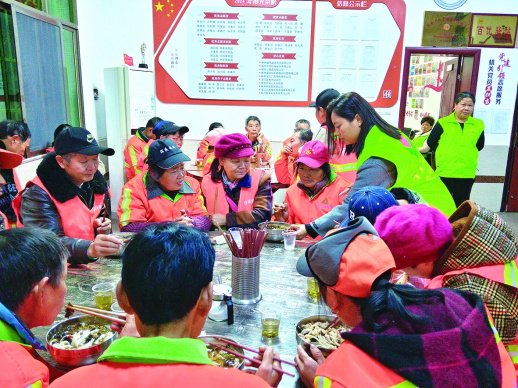
Core Viewpoint - The article highlights a community initiative in Zhuzhou City, where volunteers have been providing free breakfast to sanitation workers for seven consecutive years, fostering a sense of warmth and connection between the volunteers and the workers [2][3][4]. Group 1: Initiative Overview - The project was initiated in June 2018 by the Zhuzhou City Lu Kou District Boai Volunteer Association, aiming to provide free breakfast to over 300 sanitation workers and elderly individuals in the area [3]. - Over the course of seven years, the initiative has delivered 220,000 servings of breakfast, demonstrating its sustained impact and commitment to community service [2]. Group 2: Volunteer Participation - The number of volunteers has grown from a few individuals to over a thousand, including community residents, retired workers, and employees from various companies, showcasing a broad base of support for the initiative [3]. - Volunteers take turns to ensure the breakfast station is always operational, contributing to a vibrant community atmosphere [3]. Group 3: Impact on Sanitation Workers - Sanitation workers express deep gratitude for the initiative, noting the warmth and care provided by the volunteers, which has fostered a familial bond between the two groups [4]. - The relationship has evolved beyond mere service, with sanitation workers actively participating in maintaining the cleanliness of the breakfast station, reflecting mutual respect and appreciation [4]. Group 4: Future Commitment - The project leader, Chen Xiaonian, emphasizes a commitment to continue the initiative, expressing hope for increased participation in the future [4]. - The ongoing effort is seen as a representation of urban civility in Zhuzhou and a means to perpetuate the spirit of volunteerism, especially during the winter months [4].
超600万人同上一堂大思政课!青春大讲堂·2026成都城市跨年演讲开讲
Xin Lang Cai Jing· 2025-12-24 02:30
Core Viewpoint - The article emphasizes the importance of youth engagement in national development and the role of cities like Chengdu in fostering innovation and entrepreneurship among young people [1][29]. Group 1: Youth Engagement and National Development - The Central Cyberspace Affairs Commission has organized activities in various universities to promote themes of patriotism and youth responsibility, encouraging young people to contribute to national progress [1][3]. - The "Youth Lecture Hall" initiative in Chengdu aims to combine ideological education with social engagement, inspiring youth to take on significant roles in the nation's revival [1][3]. Group 2: Innovation and Entrepreneurship in Chengdu - Chengdu is becoming a hub for young entrepreneurs, supported by a robust industrial ecosystem that attracts talent and fosters innovation [12][14]. - The city has seen significant growth in its low-altitude economy, with over 500 companies emerging in this sector, showcasing the synergy between individual aspirations and urban development [14][12]. Group 3: Cultural and Creative Industries - Chengdu's digital cultural and creative industry is projected to exceed 410 billion yuan in total scale by 2025, positioning the city among the top in the nation [22]. - The success of local projects, such as the animated film "Nezha," highlights the city's vibrant creative scene and the support available for creators [18][20]. Group 4: Community and Social Responsibility - The article highlights various acts of kindness and community support that contribute to Chengdu's reputation as a city with a high sense of happiness, emphasizing the interconnectedness of individual actions and societal well-being [27][29]. - The narrative of educators and volunteers illustrates the importance of nurturing youth and providing safe spaces for personal growth and expression [25][27].
