合伙人模式

Search documents
来了就是合伙人!排排网旗下融智投资,诚邀优秀私募基金经理加入!
私募排排网· 2026-03-29 12:00
Core Viewpoint - The article emphasizes the importance of collaboration and platform support in the private equity investment sector, highlighting how融智投资 provides various resources and strategies to enhance investment opportunities and operational efficiency [8][12]. Group 1: Investment Strategies -融智投资 focuses on multi-strategy mechanisms and multi-asset allocation, allowing investment managers to develop diverse strategies collaboratively [8]. - The company supports a partnership model that shares platform resources, including brand, data, and channels, to enhance collective growth [9]. Group 2: Operational Efficiency -融智投资 leverages advanced analytical tools from its parent company to support daily investment research, ensuring that decisions are data-driven and well-supported [11]. - The company promotes a multi-channel fundraising model that includes institutional sales, direct connections with high-net-worth individuals, and online exposure, making fundraising more efficient [11]. Group 3: Platform Benefits - Joining融智投资 provides immediate access to platform empowerment, operational convenience, and brand endorsement, facilitating a more effective business development process [12][14]. - The company has over 20 years of experience in the private equity sector, which enhances its credibility and operational capabilities [13].


呷哺呷哺五年亏15亿,平价火锅之王为何被年轻人拉黑?
虎嗅APP· 2026-03-16 14:17
Core Viewpoint - The article discusses the ongoing financial struggles of the hotpot chain company, Xiaobai Xiaobai, which has faced continuous losses for five years, leading to a significant decline in market value and operational challenges [5][6][7]. Financial Performance - Xiaobai Xiaobai has reported a cumulative net loss exceeding 1.5 billion RMB since 2021, with a projected revenue of approximately 3.8 billion RMB and a net loss between 290 million to 310 million RMB for the fiscal year 2025, indicating a year-on-year reduction in losses of 22.2% to 27.2% compared to 2024 [9][10]. - The company's revenue has decreased from a peak of 6.147 billion RMB in 2021 to an estimated 3.8 billion RMB in 2025, representing a decline of over 38% [12]. - The asset-liability ratio has been on the rise, reaching 74.75% in 2024 and 74.45% in the first half of 2025 [12]. Reasons for Losses - The continuous losses are attributed to several factors, including strategic missteps, aggressive expansion, unclear brand positioning, and increased competition in the hotpot industry [13]. - The company has been closing underperforming stores to optimize its asset structure, which has negatively impacted short-term revenue [13][19]. - The competitive landscape has intensified, with consumers becoming more price-sensitive, leading to a decline in average spending [13]. Brand Performance - The core brand, Xiaobai Xiaobai, has struggled to maintain its market position, with the mid-range brand, Coucou, experiencing a 25.8% drop in sales in the first half of 2025 [14]. - The average table turnover rate for Coucou has decreased from 1.6 times to 1.4 times, and same-store sales have dropped by 14% [14]. Operational Adjustments - In response to financial difficulties, Xiaobai Xiaobai has implemented a store closure strategy, shutting down 211 stores in 2024, including 138 from the main brand [17]. - The company has initiated the "Phoenix Return" internal partner program, allowing core store personnel to become partners, although this model has inherent risks and limitations [19][20]. Market Challenges - The hotpot industry is facing saturation, with increasing competition from both established brands and new entrants, as well as from supermarkets entering the market with competitive pricing [30][31]. - Consumer complaints regarding service quality and dining experience have increased, indicating a decline in customer satisfaction [33].

破局重生:张顺华会长如何用“流量+留量”双引擎,助传统家电城单月狂揽183万
Sou Hu Cai Jing· 2026-02-13 05:05
Core Insights - The article highlights the successful transformation of a traditional home appliance retail store, "Baoyang JD Appliance City," located in Jingmen, Hubei, under the leadership of Chairman Zhang Shunhua, achieving remarkable sales of 1.835 million yuan in March 2025, surpassing its initial targets [1][12]. Group 1: Industry Challenges - The traditional retail industry is facing significant challenges, including difficulties in customer attraction, price wars, high service costs, low repurchase rates, pronounced seasonality, and a lack of diverse offerings [4]. - The company previously struggled with ineffective marketing strategies, such as phone sales and customer referrals, which yielded minimal results [4]. Group 2: Strategic Innovations - Chairman Zhang identified the need for a compelling "bait" to attract customers, opting for a unique "privilege card" system instead of traditional discounts [6]. - The privilege card, priced at 32.2 yuan, offers customers significant value, including a 640.2 yuan package and a 100% chance to win a prize, effectively appealing to consumer psychology [6]. - A tiered gift scheme was implemented to encourage higher spending, leveraging concepts of sunk cost and loss aversion to increase average transaction values [7]. Group 3: Execution and Team Dynamics - The execution of the strategy involved a competitive team structure, dividing staff into three groups with a PK mechanism that incentivized performance through financial stakes and penalties [8]. - The introduction of a partner model allowed employees and key customers to become stakeholders in the business, fostering a sense of ownership and motivation [8]. Group 4: Performance Results - The sales strategy led to the sale of 356 privilege cards during the pre-sale period, securing a cash flow of several tens of thousands of yuan and locking in precise customers [12]. - From March 22 to 28, the team exceeded their sales goals, achieving 1.835 million yuan in sales, with one team leader contributing nearly 800,000 yuan to the total [12]. Group 5: Conclusion and Philosophy - The success of Baoyang JD Appliance City exemplifies the effective combination of "traffic thinking" and "retention thinking," addressing key business questions about customer acquisition, revenue generation, and motivation [10]. - Chairman Zhang's approach demonstrates that traditional industries can rejuvenate through innovative strategies and practical execution, serving as a guide for struggling businesses [10].

万企共赢携生态合伙人走访天津企业 赋能石油制品企业实现战略转型
Sou Hu Cai Jing· 2026-02-02 04:45
Group 1 - The core event aimed to deepen enterprise cooperation and explore new paths for industrial upgrading, marked by a strategic collaboration between Wanqi Gongying and Jihugongang (Tianjin) Petroleum Products Co., Ltd. [1][46] - Wanqi Gongying Eco-Platform is positioned as a platform for Chinese entrepreneurs, focusing on empowering enterprises and building an industrial operation investment ecosystem [6][35]. - The collaboration will help Jihugongang transition from a traditional B-end sales model to a partner recruitment and agency model, enhancing its core competitiveness [27][35]. Group 2 - Jihugongang is focusing on the lubricant oil sector, integrating production, sales, and investment services, but faces challenges due to traditional sales inefficiencies [26][44]. - The strategic partnership aims to break through growth bottlenecks by restructuring business models and providing comprehensive operational support [27][35]. - Within three months, the partnership successfully recruited over 200 partners and achieved a profit of over 3 million, indicating a significant growth trajectory [30][35]. Group 3 - The collaboration is expected to enhance Jihugongang's brand influence and establish 3,000 to 5,000 city branches by 2030, with a target of maintaining over 10% annual sales growth [44][46]. - Wanqi Gongying's founder, Cai Qindong, has developed a series of courses aimed at helping enterprises achieve significant growth, leveraging his extensive experience in the business field [40][46]. - The partnership will also focus on systematic construction, including training and resource support for partners, ensuring a smooth strategic transition [29][35].
11万元合伙门槛布局洗衣店 丰巢瞄上高端市场
Bei Jing Shang Bao· 2025-10-23 13:51
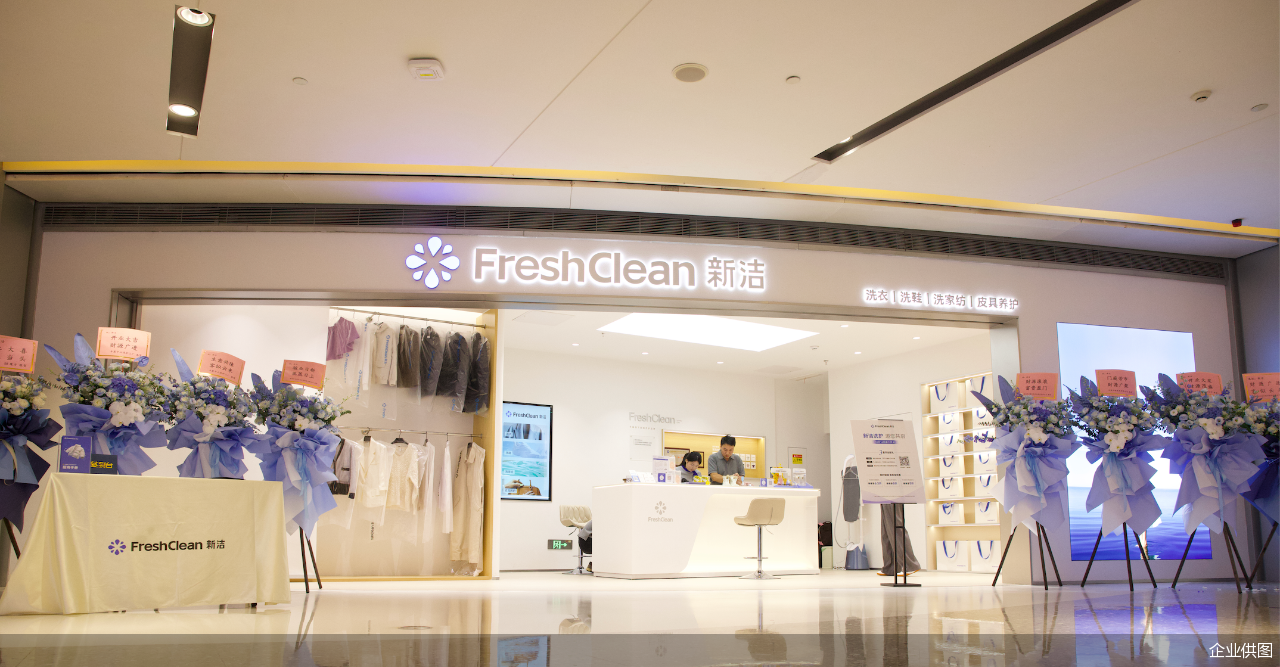
Core Insights - Fengchao is entering the high-end market with its new laundry brand "Xinjie," opening stores in shopping centers in Shenzhen and Shanghai to attract high-net-worth individuals [1][3][10] - The company aims to leverage its existing laundry supply chain and share expansion risks with partners, while addressing challenges related to order volume, store costs, and customized services [1][3][9] Expansion Strategy - Fengchao is expanding its value-added services from community-based laundry to shopping mall settings, with the first two "Xinjie" stores located in high-end areas [3][6] - The Shenzhen store offers a range of services including laundry, shoe cleaning, and home textile cleaning, with a focus on detailed care for specific clothing types [3][4] - The pricing for "Xinjie" services is higher than Fengchao's community laundry services, reflecting the premium positioning of the brand [3][4] Business Model - "Xinjie" is recruiting partners to share the financial burden of opening stores, with an estimated initial investment of approximately 110,000 yuan per store, excluding rental costs [7][8] - The partnership model includes a management fee and a security deposit, along with costs for store renovation and equipment [7][8] Market Positioning - The new brand emphasizes personalized service and high-quality care, contrasting with Fengchao's existing online-focused, standardized laundry services [4][5] - The locations of the new stores are strategically chosen to attract affluent customers, situated near luxury residential areas and commercial hubs [8] Financial Performance - Fengchao's value-added services, including laundry, accounted for a decreasing share of total revenue from 36.5% in 2021 to 25% in 2023, while its core delivery services remain the primary revenue driver [10][11] - The company faces competition from established players in the market, necessitating a focus on scaling its main business while exploring new growth avenues through high-end laundry services [10][11] Future Outlook - Fengchao plans to expand the "Xinjie" brand further into core business districts and upscale communities, creating a service loop that integrates online and offline offerings [6][10] - Industry experts suggest that while high-end laundry services can supplement revenue, Fengchao's core competitive advantage lies in its delivery cabinet business, which could be further diversified [11][12]
呷哺呷哺集团2025年上半年收入19.4亿元 外卖业务成增长新引擎
Zheng Quan Ri Bao Wang· 2025-08-28 13:44
Core Viewpoint - The company reported a significant reduction in net loss for the first half of 2025, narrowing from 274 million yuan to 80 million yuan, while achieving total revenue of 1.94 billion yuan [1] Group 1: Financial Performance - In the first half of 2025, the overall revenue of the company was 1.94 billion yuan, with a net loss reduced to 80 million yuan from 274 million yuan in the same period last year [1] - The company's operating expenses management showed significant results, with depreciation and amortization expenses decreasing by 20.5% and rental expenses reduced by 24.7% [2] - The condiment business performed well, achieving revenue of 47.16 million yuan in the first half of 2025, a year-on-year increase of 4.8% [2] Group 2: Business Strategy and Growth Initiatives - The company is focusing on a "quality over quantity" development strategy, emphasizing supply chain optimization, cost control, and business model innovation to enhance management and operational efficiency [1] - The "Feng Huan Chao" plan was launched, resulting in five partner stores with profit margins exceeding 30% and monthly sales per store exceeding 350,000 yuan [2][3] - The company is actively exploring new consumption scenarios, such as business lunches and single-person meals, to tap into the white-collar lunch market [2] Group 3: Expansion and Market Presence - In the first half of 2025, the company opened 32 new stores across various city tiers, with 43.7% of new openings in first-tier cities [4] - The company's takeaway business saw a 20.9% increase in monthly sales per store, with overall order volume growing by over 55% and takeaway gross revenue increasing by 22.4% [4] - The international market revenue grew by approximately 5% compared to the same period last year, indicating steady progress in the company's internationalization strategy [5] Group 4: Membership and Customer Engagement - The company launched a gift card business in April 2025, achieving significant sales growth with cumulative revenue contribution reaching 252 million yuan [4] - Paid membership groups demonstrated strong consumer activity, with an average repurchase amount of 449 yuan and a purchase frequency of 5.4 times, significantly higher than the 1.2 times for regular members [4] - Future plans include optimizing the membership product matrix and enhancing strategic cooperation with third-party platforms to expand user coverage [6]
极氪优化直营体系转手部分门店?回应称渗透补强下沉市场
Xin Lang Ke Ji· 2025-08-22 06:23
Core Insights - Zeekr is advancing its "M Plan," which aims to transfer some of its direct-operated stores and Zeekr Home stores to investors without changing its direct sales model [1] - The plan involves a significant number of Zeekr Home stores being switched, while fewer direct-operated stores will be affected [1] - Sales personnel at the transferred stores will become employees of the investor-owned enterprises, but Zeekr will maintain its direct sales system internally [1] - Zeekr is integrating with Lynk & Co to enhance channel collaboration and leverage Lynk's resources for expanding into lower-tier markets [1] Summary by Categories Company Strategy - The "M Plan" is designed to strengthen Zeekr's market presence while retaining its direct sales approach [1] - The introduction of a partner model will complement the direct sales strategy, focusing on penetrating and enhancing lower-tier market channels [1] Market Positioning - The transition of stores to investors is part of a broader strategy to deepen market penetration and channel development [1] - The collaboration with Lynk & Co is aimed at utilizing their advantageous resources to support Zeekr's expansion efforts [1]
湊湊试水限时自助 呷哺集团忙“自救”
Bei Jing Shang Bao· 2025-08-19 16:16
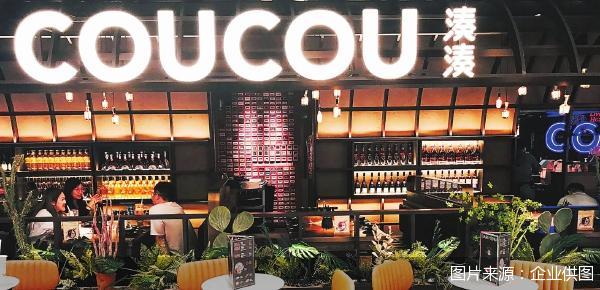
Core Insights - The core viewpoint of the article highlights the challenges faced by the company, particularly the introduction of a new self-service model by its brand, Coucou, in response to declining performance and the need for new growth opportunities [1][5][7]. Business Model Changes - Coucou has launched a limited-time self-service hot pot model in Shenzhen, Nanning, and Zhuhai, with prices set at 148 RMB and 228 RMB for different meal options [3][5]. - The self-service model aims to attract consumers by offering a variety of choices and price points, reflecting a shift towards a more accessible dining experience [3][7]. Financial Performance - Coucou's revenue share peaked at 37% of the group's total in 2021, but has since faced a decline, with sales dropping to 10.24 billion RMB in the first half of 2022, a 9.1% year-on-year decrease [5][6]. - The company reported a significant increase in losses, from 46.9 million RMB in the first half of 2021 to 278 million RMB in the same period of 2022 [5][6]. Store Operations - As of June 2023, the company closed three Coucou restaurants, and in 2024, it plans to open 13 new locations while closing 73, resulting in a net reduction of 60 stores [6]. - The table turnover rate has decreased from 4.1 times in the first half of 2019 to 1.6 times in the first half of 2024, indicating operational challenges [6]. Strategic Focus - The company is advised to concentrate on its core brands and reduce unprofitable operations to enhance competitiveness [1][9]. - The introduction of the "Feng Huan Chao" partner program aims to leverage internal talent for new store openings, indicating a strategic shift towards optimizing existing resources [8][9].
万科理想国:合伙人制度
Hu Xiu· 2025-08-04 03:33
Group 1 - The core idea of the article is that Vanke's partnership system aligns the interests of management and employees through a shareholding plan and project co-investment, fostering creativity and shared risk while addressing distribution conflicts and issues associated with large enterprises [1] - Vanke has upgraded its professional manager system to balance the relationship between shareholders and managers, pioneering a partnership model in the real estate industry [1] - However, high leverage and industry downturns have exposed risks, leading to some employees' interests being harmed and gradually diminishing the advantages of the system [1]

引入合伙人模式,极氪计划今年新开门店近200家
Mei Ri Jing Ji Xin Wen· 2025-05-09 08:38
Core Insights - Zeekr is adjusting its sales channels by introducing a partner model to enhance market penetration, particularly in lower-tier markets, while planning to open nearly 200 new stores this year, aiming for a total of 560 by year-end [1][2] Group 1: Sales Channel Adjustments - The new partner model is based on an agency system rather than a traditional dealership model, allowing for collaboration with quality investors who will provide resources and manage sales teams [1][2] - Both direct stores and partner stores will sell Zeekr vehicles at a unified national price, ensuring consistent service standards and user experience across all outlets [1][2] Group 2: Market Expansion Strategy - The partner model will be implemented in lower-tier markets and areas with inefficient operations, with five existing stores transitioning to this model in cities like Quzhou and Urumqi [2] - The initiative is part of a strategic integration with Lynk & Co, leveraging their resources to enhance Zeekr's channel development in underrepresented markets [2] Group 3: Sales Performance and Goals - Zeekr aims to achieve a sales target of 710,000 units by 2025, with 320,000 units from the Zeekr brand, representing a 40% year-on-year growth [5] - As of April this year, Zeekr has sold 55,000 units, achieving only 17.19% of its annual target, indicating significant pressure to accelerate growth in the remaining months [5]