
多业态融合

Search documents
财经观察丨家居卖场人气新观察
Bei Jing Ri Bao Ke Hu Duan· 2026-02-12 10:04
Core Viewpoint - The home furnishing market is undergoing significant transformation, shifting from traditional sales models to multi-functional, immersive consumer experiences that integrate shopping, socializing, and leisure activities [1][2][3]. Group 1: Industry Transformation - Traditional home furnishing markets are evolving from a single product transaction model to a lifestyle-oriented approach, enhancing consumer engagement and encouraging spending [1][3]. - IKEA China is closing seven stores and shifting focus to smaller stores in key markets like Beijing and Shenzhen, aiming for more precise operations and improved efficiency per square meter [2][3]. - The overall market area for large-scale building materials and home furnishing is projected to decline by 11.38% in 2025, indicating a consolidation of less efficient stores while leading players enhance operational efficiency through experiential offerings [3]. Group 2: Innovative Consumer Experiences - The Ministry of Commerce and other departments are promoting innovative consumer scenarios, encouraging home furnishing markets to collaborate with upstream and downstream enterprises to create a comprehensive "big home" ecosystem [4]. - Companies like Red Star Macalline are integrating automotive services into their offerings, creating a one-stop service experience that combines home and automotive needs [5][7]. - Home furnishing stores are increasingly focusing on creating immersive lifestyle experiences rather than merely displaying products, as seen in projects like the Fu Sen Mei Tianfu, which aims to connect brands with consumers dynamically [9]. Group 3: Digital Integration and Consumer Engagement - The demand for transparency and digital decision-making among younger consumers is prompting traditional stores to enhance their online and offline integration, ensuring consistent pricing and quality across channels [10][12]. - Companies are advised to adopt a comprehensive operational system that links online and offline experiences, utilizing social media for local marketing and community engagement [14]. - The shift from merely renting space to user-centric operations emphasizes the importance of building trust and providing personalized experiences to attract and retain customers [14].


文旅市场“年味儿”浓
Xin Lang Cai Jing· 2026-02-11 20:52
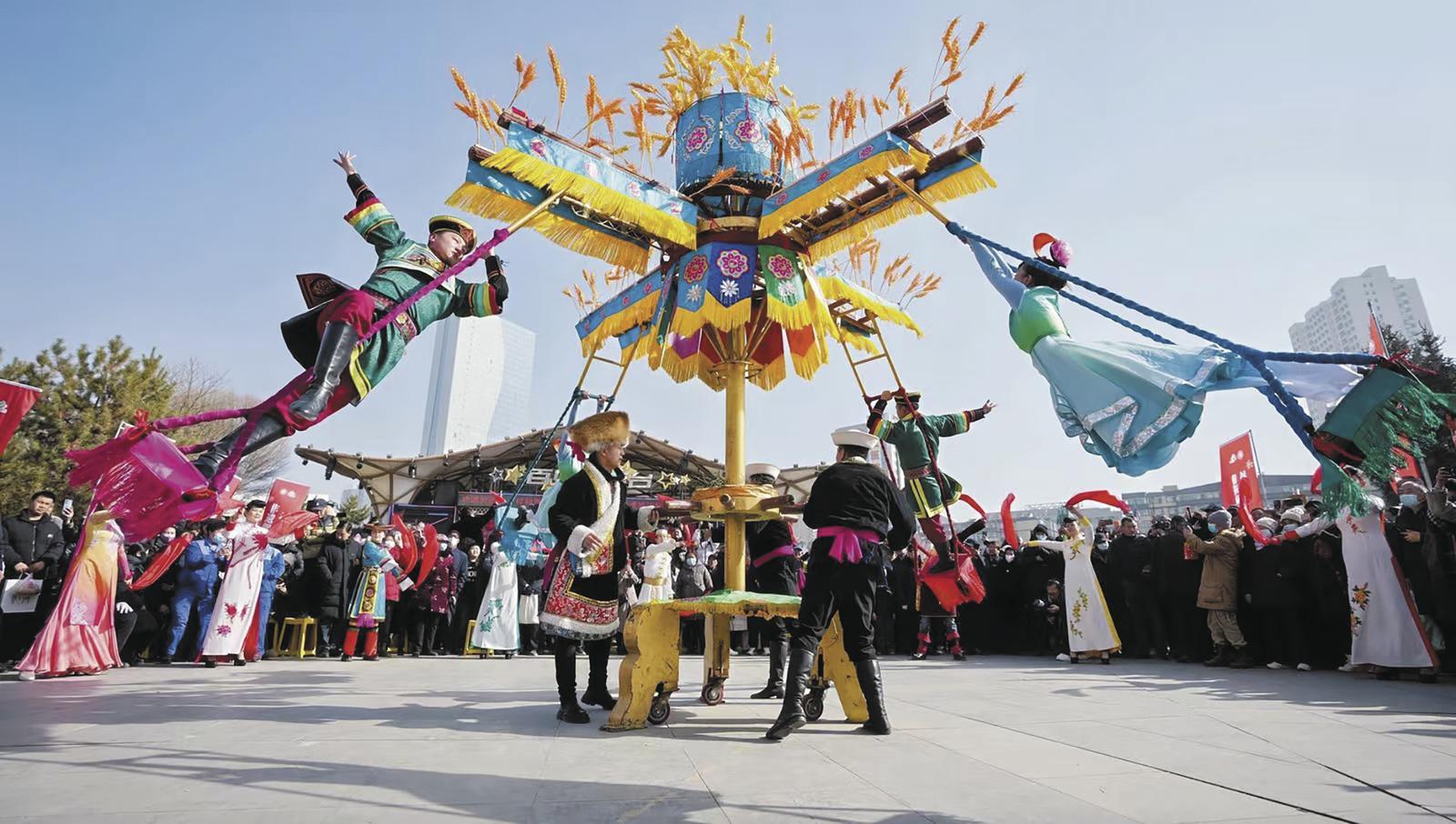
Core Viewpoint - The Qinghai Province is hosting a series of cultural and tourism activities to celebrate the Spring Festival, integrating traditional heritage with modern technology and consumer experiences, aiming to enhance cultural engagement and stimulate tourism consumption potential [2][3]. Group 1: Event Overview - The main event features seven segments including performances of intangible cultural heritage (ICH), a fashion show of "Qing Embroidery," a non-heritage market, a digital experience exhibition, hands-on workshops, and displays of traditional lanterns [3]. - The event showcases 20 traditional Qinghai dishes, 25 traditional crafts, and over a thousand ICH products from 21 workshops and cultural enterprises [3]. - A total of 113 sub-events are organized by local cultural and tourism departments, utilizing social media platforms for broader outreach [3]. Group 2: Cultural Integration - The activities aim to merge traditional customs with modern cultural experiences, providing a rich interactive environment for visitors to appreciate the charm of intangible cultural heritage [4]. - The Qinghai Provincial Library and Cultural Center are also hosting exhibitions and activities that emphasize the importance of traditional culture during the New Year celebrations [5][6]. Group 3: Tourism and Consumer Engagement - The integration of various sectors such as culture, sports, and tourism is creating diverse consumer experiences, with activities like snow sports and cultural performances enhancing the festive atmosphere [6]. - The "cultural + sports + business + tourism" model is being employed to create a comprehensive celebration for citizens and tourists alike, featuring events like music concerts and drone shows [6].
家居卖场人气新观察
Huan Qiu Wang· 2026-02-11 05:53
Group 1 - The core viewpoint of the articles highlights the transformation of traditional home furnishing markets from a single product transaction model to a multi-functional lifestyle experience, integrating shopping, socializing, and leisure activities to enhance consumer engagement [1][4][10] - The home furnishing industry is witnessing a shift from "extensive expansion" to "refined operations," with companies like IKEA China closing several stores while focusing on smaller formats and online integration to improve operational efficiency [2][3] - Data from the China Building Materials Circulation Association indicates that the market area for large-scale building materials and home furnishing is projected to decline by 11.38% year-on-year by 2025, prompting a need for traditional markets to adapt to consumer demands [3] Group 2 - The Ministry of Commerce and other departments have emphasized the importance of innovating consumer scenarios and supporting home furnishing markets in building an integrated ecosystem to provide comprehensive solutions for consumers [4][5] - Companies like Red Star Macalline and Juran Home are actively developing multi-functional spaces that combine automotive services with home furnishing, reflecting a trend towards integrating various lifestyle needs [6][8] - The focus on experiential retail is evident, with companies like Fusenmei Tianfu transforming their spaces into social hubs rather than mere sales floors, enhancing customer interaction and satisfaction [10][11] Group 3 - The ongoing demand for home furnishing remains strong, with physical stores serving as essential platforms for product display and customer service, despite the rise of online shopping [11][13] - Younger consumers are increasingly favoring online channels for their transparency and convenience, prompting traditional retailers to adapt by enhancing their online-offline integration and offering competitive pricing [11][15] - The future of home furnishing markets will depend on their ability to embrace digital marketing, create engaging consumer experiences, and build trust through personalized services [15]



西宁:推动冰雪经济与民族团结进步深度融合
Xin Lang Cai Jing· 2026-02-07 17:44
Group 1 - The core idea is the integration of the ice and snow economy with ethnic unity efforts to enhance resource advantages and promote cultural exchange among various ethnic groups [1][2] - The ice and snow industry serves as a link to combine agriculture, sports, culture, commerce, and tourism, allowing diverse communities to deepen emotional connections and cultural understanding through joint participation and consumption [1] - In the Chengdong District, over 200 merchants from various ethnic backgrounds participated in a New Year market, showcasing ice and snow cultural creations and ethnic specialty foods, fostering collaborative business operations [1] Group 2 - The integration of ice and snow activities with ethnic cultural displays aims to enhance cultural identity among different ethnic groups through events like flower lantern viewing and folk customs [2] - The Huangyuan County set up a themed exhibition area titled "Harmony between Han and Tibetan: Unity and Prosperity" during the "Double Ning Double Lantern Exhibition," merging various ethnic cultural symbols [2] - A cross-regional cooperation model for the ice and snow economy is being developed to achieve shared customer resources, interconnected routes, and co-branded development, with the Datuo Hui Autonomous County leading initiatives to sign cooperation agreements with neighboring counties [2]
京城老牌百货多路径转身
Bei Jing Shang Bao· 2026-01-21 16:11
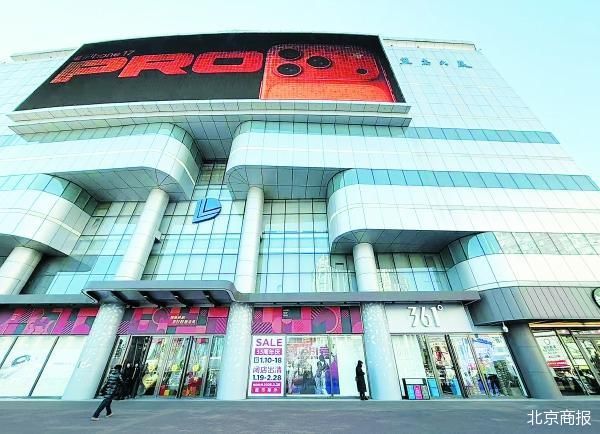
Core Viewpoint - The closure and transformation of traditional retail spaces in Beijing, such as the iconic Blue Island Building, reflect a broader structural shift in the city's commercial landscape, driven by urban renewal policies and changing consumer demands [1][6]. Group 1: Closure and Transformation of Traditional Retail - The Blue Island Building, a landmark for over 30 years, will officially close on February 28, with clearance sales attracting many nostalgic customers [3][4]. - The building, which opened in 1993, was once a major shopping destination but has struggled to adapt to modern retail trends, ultimately becoming associated with middle-aged and elderly consumer goods [4][9]. - Other traditional retail spaces in Beijing, such as the Anzhen Hualian and Shuang'an Shopping Mall, are undergoing significant transformations to focus on health and wellness, indicating a shift towards more experiential and service-oriented retail [6][7]. Group 2: New Commercial Developments - Beijing is set to see the opening of 28 new retail projects by 2025, including large-scale developments like the "Bayli" international commercial complex, which will cover nearly 500,000 square meters [7]. - The influx of new commercial projects is expected to reshape the competitive landscape, with a focus on mixed-use developments that integrate retail, entertainment, and hospitality [8]. Group 3: Challenges and Opportunities in Retail Transformation - The transformation of old retail spaces faces challenges such as high renovation costs, compliance with safety regulations, and the need for new operational capabilities [9]. - There is a growing need for retail operators to shift from traditional leasing models to more integrated content-driven approaches, as consumer preferences evolve towards experiences and services [8][9].
蓝岛闭店、安贞华联转型大健康 老牌百货多路径转型
Bei Jing Shang Bao· 2026-01-21 11:07
Core Viewpoint - The closure of the iconic Blue Island Building in Beijing marks a significant shift in the city's retail landscape, reflecting a broader trend of transformation among traditional department stores as they adapt to changing consumer demands and urban renewal policies [1][3][4]. Group 1: Closure and Transformation of Traditional Retail - The Blue Island Building, a 30-year-old landmark, will officially close on February 28, 2023, with clearance sales attracting many nostalgic customers [3][4]. - The building, which opened in 1993, was once a major shopping destination in Beijing, known for its diverse offerings, including high-end electronics and clothing [4]. - Despite attempts at modernization and rebranding, the Blue Island Building has struggled to attract younger consumers, becoming associated primarily with middle-aged and elderly shoppers [3][4]. Group 2: Market Dynamics and New Developments - The transformation of the Blue Island Building is part of a larger trend where traditional retail spaces in Beijing are undergoing significant renovations to meet new consumer preferences [6][7]. - New projects, such as the "Yuan Yang Anzhen Plaza," are focusing on health and wellness, while other established stores are introducing new brands and experiences to attract a younger demographic [6][7]. - The Beijing retail market is experiencing a dual trend of rapid renovation of old stores and the introduction of new commercial projects, with a projected increase in retail space to 17.44 million square meters by the end of 2025 [8]. Group 3: Changing Consumer Behavior - Consumer preferences are shifting towards experience-based and service-oriented shopping, necessitating a transformation in traditional retail strategies [10]. - The demographic of shoppers is diversifying, with younger consumers seeking trendy experiences and older consumers requiring services tailored to their needs [10][11]. - The traditional retail model is becoming less effective, as consumers demand more integrated online and offline shopping experiences [10][11]. Group 4: Challenges in Transformation - The renovation of old department stores faces significant challenges, including the need for compliance with safety regulations and the high costs associated with upgrading older buildings [11]. - There is a skills gap in the workforce, as traditional retail teams lack the expertise needed for modern retail operations, such as community engagement and experiential marketing [11]. - Attracting new customer segments while retaining existing ones poses a significant challenge for traditional retailers undergoing transformation [11].

数读中国开局新活力|文化赋能消费升级 呼和浩特解锁“文化场景”新玩法
Sou Hu Cai Jing· 2026-01-21 09:41
Core Viewpoint - The article highlights the vibrant consumer market in Hohhot, showcasing the integration of cultural tourism and consumption, particularly during the New Year holiday, with significant increases in visitor numbers and spending [1][3][9]. Group 1: Consumer Trends - During the New Year holiday, Hohhot received 1.71 million domestic tourists, generating nearly 1.1 billion yuan in tourism spending, leading the region [1][3]. - Cultural venues in Hohhot, such as museums and art galleries, saw a 195.55% year-on-year increase in visitor numbers, with 184,000 attendees during the holiday [1][3][6]. - The average sales growth of cultural and creative products in these venues reached 68%, indicating a strong consumer interest in cultural experiences [1][3][6]. Group 2: Cultural and Creative Integration - Cultural venues have transformed into popular night attractions, offering immersive experiences that enhance consumer engagement [3][4]. - Events like the "Cultural + Commercial" initiative have successfully linked cultural experiences with shopping, attracting over 220,000 visitors to the East Station business district during the holiday [7][9]. - The integration of cultural activities with commercial spaces has created a dynamic environment where consumers can enjoy both cultural enrichment and shopping [7][9]. Group 3: Policy and Future Development - The Chinese government has initiated policies to boost consumption, emphasizing the integration of various sectors, including culture and tourism, to enhance consumer experiences [9][10]. - Hohhot has been recognized as a pilot city for new consumption models, with plans to develop a "Museum City" by ensuring one museum for every 100,000 residents, promoting cultural and commercial synergy [10][12]. - The ongoing development of the "Museum City" aims to create a narrative-rich environment that fosters consumer engagement through cultural storytelling [10][12].
元旦假期盘点|多业态融合 文旅迎来“开门红”
Xin Lang Cai Jing· 2026-01-04 00:25
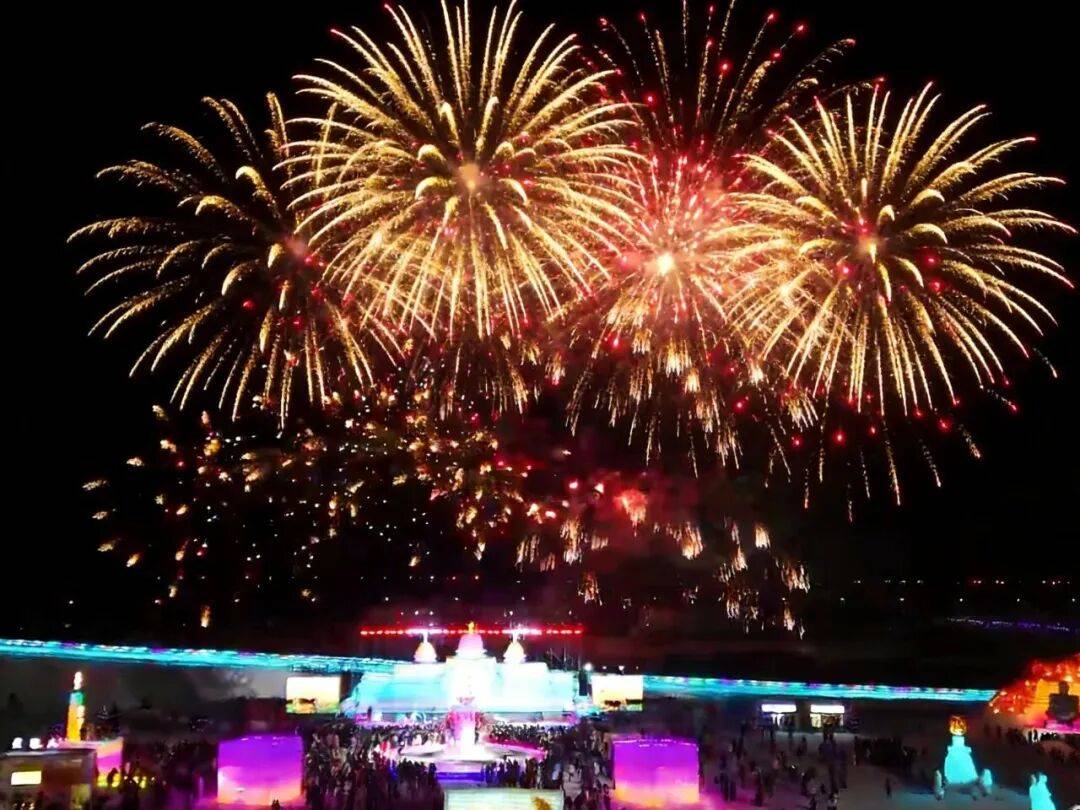
Core Insights - The tourism market in Hebei province experienced significant growth during the New Year holiday, with a 19.4% increase in visitor numbers and an 18.4% increase in total spending compared to the previous year [1][2] Group 1: Tourism Growth - Hebei province welcomed a total of visitors with a notable increase in spending, indicating a strong recovery and consumer confidence in the tourism sector [1] - The proportion of visitors from Beijing and Tianjin accounted for 15.5% of the total, highlighting the regional appeal of Hebei as a tourist destination [1] Group 2: Event Highlights - Various engaging activities were organized across the province, including countdown events and cultural festivals, which contributed to a festive atmosphere and attracted large crowds [1][2] - The "Snow Country Lantern Festival" in Zhangjiakou featured over 40 sets of traditional lanterns and various performances, drawing significant visitor numbers to the ski resort [2] Group 3: Cultural and Educational Activities - Museums and cultural institutions in Hebei launched special exhibitions and interactive experiences, attracting over 53,000 visitors during the holiday period, with a substantial number coming from outside the province [3] - The integration of cultural events with tourism, such as the "Night Tour of the Museum" and immersive experiences, enhanced the overall visitor experience and engagement [3] Group 4: Sports and Community Engagement - The 51st New Year Long Run in Shijiazhuang attracted 20,000 participants, showcasing the blend of sports and tourism, and encouraging visitors to explore local attractions post-event [3] - The increase in sports events during the holiday period reflects a growing trend of combining athletic activities with travel experiences, appealing to a broader audience [3]
数智化趋势下如何以新供给创造新消费?
Xin Lang Cai Jing· 2025-12-27 04:15
Core Insights - The article discusses the profound changes in consumer behavior and supply-demand mismatches in the context of evolving economic conditions and technological advancements [1] Group 1: Changes in Consumer Behavior - The transition from self-sufficiency in agricultural civilization to large-scale production and centralized distribution during the industrial revolution has led to unprecedented changes in consumption patterns in the digital age [1] - There is a significant shift from product-centric consumption to a balanced focus on both goods and services, with service consumption, particularly in leisure and entertainment, growing at a faster rate than goods consumption [1] - The proportion of upgraded goods characterized by intelligence, greenness, and convenience is rapidly increasing, with China becoming the largest market for wearable wrist devices, accounting for 30% of global shipments [1] Group 2: Supply-Side Challenges - Despite the acceleration of new technologies and business models, the supply side still requires a systematic approach to meet the complex demands of changing consumer needs and technological iterations [1] - Addressing deep-seated technical, structural, and institutional challenges is crucial for expanding effective consumer demand [1] Group 3: Technological Empowerment - The development of new information technologies is redefining product forms and content presentation, enabling customized and personalized supply based on consumer profiles [2] - Companies are encouraged to leverage cutting-edge technologies such as AI, quantum technology, and biotechnology to create tailored products and services [2] Group 4: Multi-Industry Integration - Promoting multi-industry integration can break down industry boundaries and create one-stop, composite consumption scenarios that integrate functional services and experiential value [3] - Upgrading consumption supply facilities and developing local cultural and ecological resources into distinctive tourism products can enhance consumer experiences [3] Group 5: Rural Market Development - The growth rate of consumption in rural areas has surpassed that in urban areas, presenting a "blue ocean" market opportunity [4] - There is a need to enhance the infrastructure and supply structure in rural markets to meet diverse consumer demands effectively [4] Group 6: Optimizing Consumption Environment - The consumption environment, encompassing both hardware and software aspects, is critical for market stability and consumer confidence [5] - Strengthening market regulation and improving quality standards and consumer rights protection are essential for enhancing the overall consumption experience [5][6]
海北:推出7大类63项文旅活动
Xin Lang Cai Jing· 2025-12-26 21:02
Core Viewpoint - The article highlights the launch of a series of winter cultural and tourism activities in Haibei Tibetan Autonomous Prefecture, aimed at stimulating the local winter tourism market through a diverse integration of culture, ecology, sports, and tourism [1][2] Group 1: Event Overview - From October 2023 to March 2026, Haibei will host 63 cultural and tourism activities under the theme "Dragon Horse Treads on Snow, Fortune Fills Haibei" [1] - The activities are designed to encourage widespread participation and sharing among the community, creating a festive winter celebration [1] Group 2: County-Specific Initiatives - Qilian County focuses on ecological photography and cultural benefits, offering ice and snow activities along with warm winter spa packages for a unique experience [1] - Menyuan Hui Autonomous County utilizes natural ice and snow resources to create immersive ice and snow amusement scenes [1] - Gangcha County aims to develop a comprehensive New Year’s experience that includes ice and snow scenery, folk customs, and culinary delights [1] - Haiyan County integrates red culture, intangible cultural heritage exhibitions, and local cuisine into its activities, such as a hiking event to welcome the New Year [1] Group 3: Innovative Integration of Activities - The events break traditional tourism boundaries by combining multiple sectors, such as "ice and snow + ecology" and "sports + tourism," to create new winter tourism experiences [2] - The integration of culture and folk traditions showcases local intangible cultural heritage, enhancing visitor engagement with Tibetan clothing and crafts [2] Group 4: Community Engagement - The initiative includes free cultural performances in towns, villages, and schools, ensuring that local communities can enjoy cultural festivities [2] - Activities are designed to cater to all age groups, with features like a snow play area for families and extreme sports challenges, promoting broad community participation [2]