多元化出口

Search documents
智利服务出口创历史新高突破30亿美元大关
Shang Wu Bu Wang Zhan· 2025-12-05 16:15
Core Insights - Chile's service exports have achieved a historic milestone, reaching $3.034 billion from January to November, marking a 20.5% year-on-year increase, surpassing the $3 billion mark for the first time [1] Summary by Categories Export Performance - The growth in service exports is primarily driven by markets such as the United States ($1.06 billion), Peru ($540 million), and Colombia ($240 million) [1] - Significant increases were also noted in exports to the UK and the Netherlands, with growth rates of 54.1% and 216.3% respectively [1] Service Categories - Information and communication technology services led the export categories with $1.046 billion [1] - Other notable growth was seen in management services, consulting services, and financial services, with management services experiencing a remarkable increase of 93.5% [1]
中美经贸上完全脱钩,我们还能继续繁荣吗?美元地位能动摇吗?
Sou Hu Cai Jing· 2025-10-13 10:20
Group 1: Trade Dynamics - The total value of goods imported by the U.S. from China in the first six months of this year was approximately $13.2 billion, while exports to China were about $11.4 billion, showing a significant decline compared to the same period last year [2] - The trade volume between China and the U.S. for the first seven months was $337.2 billion, a year-on-year decrease of 12%, indicating a reduction in trade scale due to escalating tensions [2] - China's exports to the U.S. are projected to drop from nearly $440 billion in 2024 to $177.4 billion in the first five months of this year, reflecting a year-on-year decline of 9.7% [2] Group 2: Economic Impact and Adaptation - Concerns are rising about the potential collapse of foreign trade enterprises in the Yangtze River Delta and Pearl River Delta, which heavily rely on exports to the U.S., particularly in electronics, machinery, and textiles [4] - In response to declining exports, China has shifted focus to emerging markets, with exports to the EU and Southeast Asia increasing significantly, demonstrating the effectiveness of diversifying export destinations [4] - The Chinese government is implementing stimulus policies to boost domestic demand, including infrastructure investments and promotional activities to enhance consumer spending [5] Group 3: Foreign Investment and Supply Chain Adjustments - A survey indicated that only 48% of U.S. companies plan to invest in China this year, down from 80% last year, suggesting a withdrawal of foreign capital [5] - Chinese companies are adapting by adjusting supply chains, sourcing materials from countries like Vietnam and India, or establishing local production facilities [5] - The International Monetary Fund (IMF) anticipates that despite the challenges posed by U.S.-China tensions, China is expected to maintain stable growth, with total trade projected to exceed 6.5 trillion by 2025 [5] Group 4: Currency and Financial Implications - The U.S. dollar's status as a global reserve currency, currently at 62%, is being challenged by high tariffs and potential shifts in trade dynamics [7] - Research indicates that if average tariffs in the U.S. rise to 26%, the dollar's position as a key currency could weaken, leading to a reduction in U.S. Treasury bond purchases by China [7] - The trend of de-dollarization is gaining momentum, with countries exploring alternatives to the dollar for trade, as evidenced by recent contracts being negotiated in euros or renminbi [7][9]

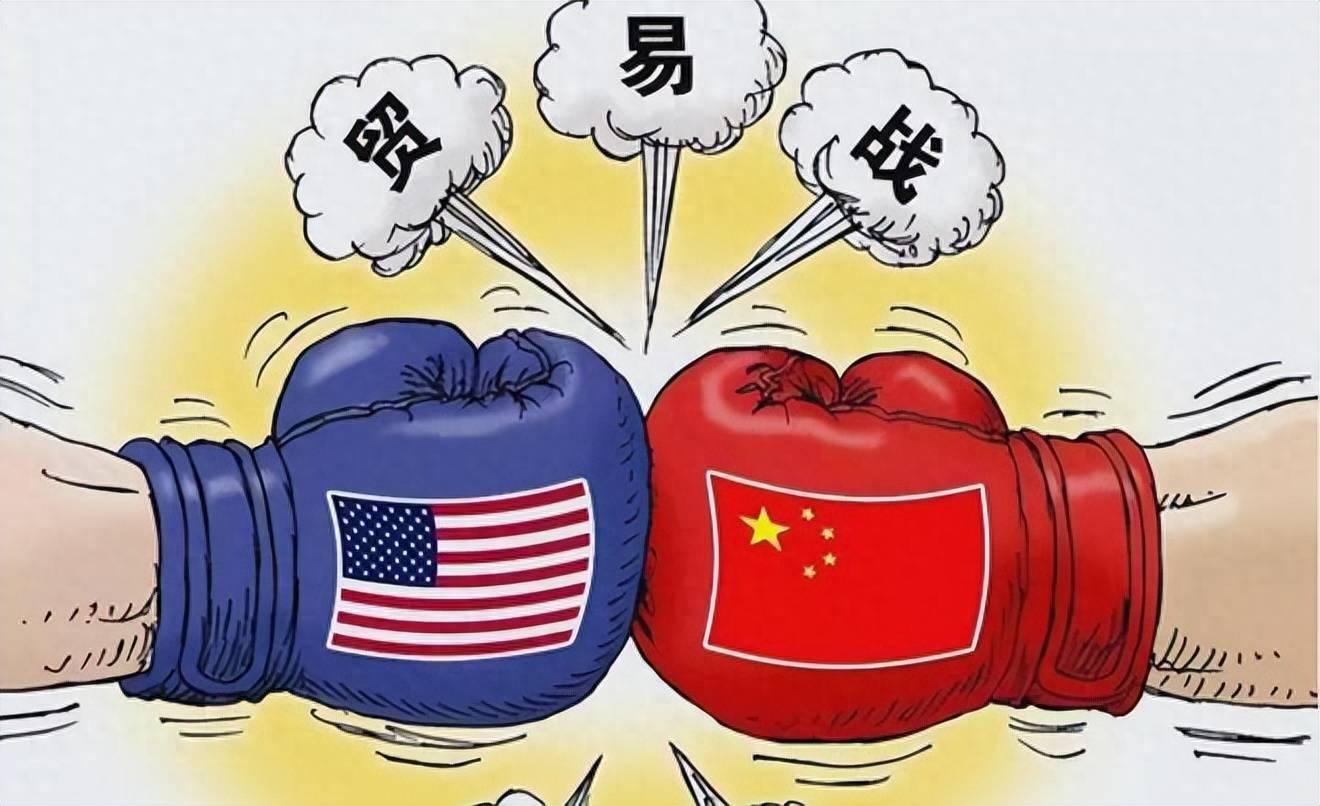
脱钩完成?中国被“取代”,降为美国第三大进口国,前两名是谁?
Sou Hu Cai Jing· 2025-10-13 08:45
Core Insights - The U.S. imports from China have significantly declined, with China dropping to the third position in U.S. imports, behind Mexico and Canada, due to ongoing trade tensions and tariffs [2][4][11] - The trade war initiated in 2018 has led to a 17.9% decrease in Chinese exports to the U.S., with the share of Chinese imports in total U.S. imports falling from 22% in 2017 to 16% in 2024 [4][11] - Mexico's imports to the U.S. have increased, driven by automotive parts and electronics, with a 6% rise in 2024, while Canadian imports remain stable, primarily in energy and raw materials [5][9] U.S. Import Dynamics - In 2024, the U.S. imported $50.585 billion from Mexico and $42.121 billion from Canada, while imports from China totaled $46.262 billion [2] - The first half of 2024 saw China’s imports lagging behind Mexico and Canada, with figures of $168.6 billion for China compared to $195 billion for Mexico and $176 billion for Canada [2] Trade War Impact - The trade war has resulted in a significant shift in supply chains, with U.S. companies seeking alternatives to Chinese suppliers, leading to a rise in imports from neighboring countries [4][11] - The "China +1" strategy has emerged, where U.S. companies source components from Mexico, effectively bypassing tariffs on Chinese goods [7] Sector-Specific Trends - Mexico's rise in U.S. imports is attributed to U.S. automakers relocating production to Mexico, with a notable increase in Chinese exports to Mexico by over 20% in 2024 [7] - Canada remains a stable trade partner, supplying 63% of U.S. imported crude oil, with total trade exceeding $80 billion [9] China's Export Challenges - China's exports to the U.S. fell by 8.3% in the first half of 2024, with a more severe drop of 12.4% in dollar terms, reflecting broader economic challenges and reduced demand from developed countries [11][13] - The overall export growth rate for China has slowed to around 5%, significantly below expectations, as U.S. companies prefer sourcing from countries like Vietnam and India [11][17] Strategic Shifts - In response to declining exports, China is diversifying its trade relationships, with record trade volumes with Russia and increased exports to Brazil and African nations [13][17] - High-tech exports from China are on the rise, with a focus on electric vehicles and self-developed technologies, indicating a shift from low-end manufacturing to innovation [17] Long-term Implications - The changes in trade dynamics present a mixed outlook for the U.S., with increased supply chain resilience but higher costs leading to inflationary pressures [15] - For China, the trade challenges are prompting a strategic pivot towards high-value exports and technological advancement, moving away from reliance on low-end manufacturing [17]
高关税令美印关系紧张 印度多行业受冲击
Yang Shi Wang· 2025-08-29 06:28
Group 1 - The cumulative tariff rate imposed by the US on Indian products has reached 50%, one of the highest rates faced by US trade partners, aimed at punishing India for purchasing Russian oil, leading to strained US-India relations [1] - Indian Foreign Minister S. Jaishankar stated that importing oil from Russia aligns with India's national interests and helps stabilize international oil prices, emphasizing India's commitment to independent decision-making in oil imports [3] - The high tariffs are expected to put over half of India's exports to the US at a competitive disadvantage compared to products from other countries, affecting multiple labor-intensive sectors such as textiles, leather goods, chemicals, handicrafts, carpets, and seafood [5] Group 2 - The Indian government has announced several policies to assist farmers and small business owners in coping with the impact of tariffs, including financial subsidies for affected exporters and encouragement to diversify export markets towards Latin America and the Middle East [6] - Despite the challenges in trade, there remains room for negotiation between the US and India, with five rounds of trade talks conducted without reaching an agreement, and the next round of negotiations postponed [8] - The strategic value of India has diminished since the Trump administration focused on economic development and manufacturing return, yet mutual interests in military cooperation and the Indo-Pacific strategy persist [8]