
存储价格上涨

Search documents
存储涨价风暴来袭,中国手机行业走向十字路口
第一财经· 2026-03-10 02:34
Core Viewpoint - Price increases have become a hot topic in the current smartphone market, with major brands like OPPO and OnePlus announcing price hikes starting March 16, 2026, to allow consumers a buffer period for purchases at original prices [1][4]. Price Adjustments - Samsung's new Galaxy S26 series saw a price increase of 1,000 yuan compared to the previous generation, and multiple manufacturers are expected to raise prices starting March 15, 2026, with Honor initiating its price increase by the end of the month [4]. - The smartphone market may experience multiple rounds of price adjustments in 2026 due to rising upstream costs, with the second or third rounds potentially occurring in the second half of the year [4]. Cost Structure Changes - The key variable driving changes in the global smartphone market is no longer just AI capabilities or chip iterations, but rather the rising prices of storage components [5]. - The global memory chip industry has entered a rare period of price increases since the second half of 2025, with DRAM contract prices expected to rise by 90% to 95% in Q1 2026, and NAND Flash prices projected to increase by 55% to 60% [6]. - The cost of memory semiconductors in smartphone BOM has risen from 10%-15% to over 20%, indicating a shift in pricing logic within the industry [6]. Market Dynamics - The pressure to raise prices is rapidly being transmitted from upstream suppliers to end consumers, leading to a potential comprehensive price increase in the Chinese smartphone industry, marking the largest collective price adjustment in five years [6]. - The logic of waiting for better prices is becoming obsolete, as the new reality indicates that prices will continue to rise [7]. Supply Chain and Production - The demand for storage due to AI applications is significantly higher than for regular servers, leading manufacturers to prioritize high-margin products, which reduces the supply of LPDDR for smartphones [11]. - The tightening supply and rapid inventory turnover have made price increases inevitable, with some clients already discussing supply contracts for 2027 [12]. Competitive Landscape - In response to rising costs, manufacturers are reducing SKUs and focusing on higher-margin products, indicating a structural shift rather than simple price increases [14]. - The competition is evolving from price wars to emphasizing product value and brand capabilities, with companies forming strategic partnerships to enhance differentiation [14]. - The understanding of "premium" is shifting to include stronger product performance, longer-lasting user experience, and better supply chain management [15]. Consumer Implications - As smartphone prices are expected to continue rising, consumers may find it more rational to purchase sooner rather than wait for potential price drops [17]. - The new market rule suggests that delaying purchases may lead to higher costs in the future [18].

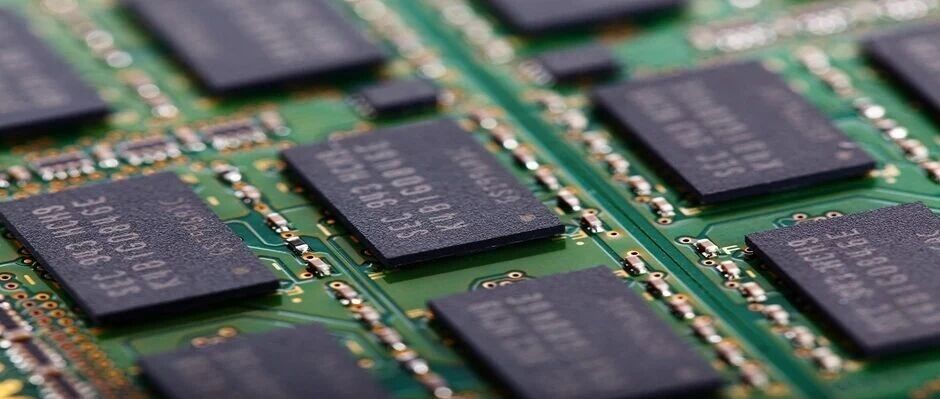
三星DRAM价翻倍 苹果买单 南亚科、华邦、威刚等可享红利
Jing Ji Ri Bao· 2026-02-26 23:17
Group 1 - Apple has accepted Samsung's request for a 100% price increase on DRAM, indicating a significant shift in the storage market dynamics towards a seller's market [1] - The willingness of Apple to pay double the price for NAND Flash from Kioxia and Samsung highlights the severe supply shortage in the NAND and DRAM markets, forcing Apple to compromise on pricing [1][2] - Industry leaders, including Apple's CEO Tim Cook and Tesla's CEO Elon Musk, have warned that the storage shortage and rising prices could lead to a global industry crisis, with some retailers describing the situation as "RAMmageddon" [1] Group 2 - Samsung initially aimed for a 60% price increase in negotiations with Apple but ended up securing a 100% increase, showcasing Apple's financial strength and urgency to secure DRAM supply [2] - The price of 12GB LPDDR5X storage chips has surged from an estimated $25 to $29 last year to around $70 by the end of the year, reflecting the drastic changes in the market [2] - Tim Cook indicated that while the impact of storage prices on the previous quarter's gross margin was "slight," the expected impact for the current quarter would be more significant, with projections for gross margins between 48% and 49% [2]

未知机构:中信科技小米集团跟踪点评1月销量2026年1月小米汽车交-20260213
未知机构· 2026-02-13 03:00
Summary of Xiaomi Group Conference Call Company Overview - **Company**: Xiaomi Group - **Industry**: Automotive and Consumer Electronics Key Points Sales Performance - In January 2026, Xiaomi delivered over 39,000 vehicles, a decrease from over 50,000 in December 2025 [1] - The decline in deliveries is attributed to: 1. The discontinuation of the first-generation SU7, with production lines being reconfigured for the new generation SU7 set to launch in April 2026 [1] 2. January had 21 working days, two fewer than December [1] - Future outlook suggests further decline in deliveries due to the impact of the Chinese New Year in February [1] Vehicle Pipeline - At least two key models are expected to launch in 2026: 1. The new generation SU7, which will officially launch in April 2026 [2] 2. The YU9 model, part of the range-extended platform, is undergoing road tests and is expected to launch in the second half of 2026 [2] - The YU7GT model has completed the necessary regulatory filings and is anticipated to be released within the year [2] - Xiaomi's target for 2026 is to deliver 550,000 vehicles, which is considered conservative compared to the previous year's performance of over 410,000 vehicles [2] - With the introduction of new models and potential capacity releases, the forecast for 2026 deliveries is adjusted to 660,000 electric vehicles [2] Cost Pressures - **Storage Costs**: The proportion of storage costs in the Bill of Materials (BOM) for Xiaomi smartphones is expected to rise from 10-15% to 20-30% by Q4 2025, impacting the gross margin to approximately 9% [3] - **Battery Costs**: The cost of lithium batteries is increasing, with a projected rise in battery costs by approximately 5,640 RMB per vehicle due to significant price increases in lithium carbonate and lithium hexafluorophosphate [4] - Overall, the smartphone industry is facing challenges from declining shipments and increased competition in the white goods market, leading to a downward revision of revenue forecasts for 2025-2027 [4] Financial Projections - Revenue expectations for 2025-2027 have been adjusted to 461.2 billion, 541.8 billion, and 600.5 billion RMB respectively, down from previous estimates [4] - Non-IFRS net profit projections have also been revised to 40 billion, 36.2 billion, and 50.2 billion RMB for the same period [4] Valuation and Target Price - The company is valued using a 30x PE ratio, resulting in a total market capitalization of approximately 1.31 trillion HKD [5] - A target price of 47 HKD is set, maintaining a "Buy" rating for the stock [5]
联想集团杨元庆预测:存储价格上涨将继续,价格或翻倍
Jin Rong Jie· 2026-02-12 09:35
Core Viewpoint - Lenovo Group reported significant challenges in the hardware sector due to rising storage prices, which increased by 40-50% compared to the previous quarter, with potential for further doubling in the near future [1] Group 1: Financial Performance - Lenovo Group held a media briefing to discuss its FY2025/26 Q3 performance, highlighting the impact of rising component costs on its operations [1] Group 2: Industry Challenges - The CEO emphasized that not only memory prices are rising, but also SSD and CPU prices, creating substantial pressure on hardware manufacturers [1] - The company views these challenges as opportunities, having successfully navigated previous market fluctuations by leveraging its global operational capabilities [1]

联想集团杨元庆回应“存储价格”上涨:困难方显英雄本色,要看谁能够拿到更好的供应及成本
Xin Lang Cai Jing· 2026-02-12 08:43
Group 1 - Lenovo Group reported significant challenges in the last quarter, particularly due to rising storage prices impacting hardware manufacturers [2][4] - The company anticipates continued challenges in the future, with component costs expected to rise throughout the year [2][4] - Lenovo emphasizes its commitment to leveraging supply chain capabilities and maintaining strong relationships with suppliers to meet customer and market demands while ensuring competitiveness [2][4] Group 2 - The CEO highlighted that overcoming difficulties reveals true capabilities, indicating confidence in securing better supply and cost advantages in the current environment [2][4]

联想集团杨元庆预测:存储价格上涨将继续,价格或将翻倍
Xin Lang Cai Jing· 2026-02-12 08:31
Core Insights - Lenovo Group reported significant challenges in the hardware device sector due to rising storage prices, which increased by 40-50% compared to the previous quarter, with potential for prices to double in the near future [2][4] - The price increases are not limited to memory but also include SSDs and CPUs, creating substantial adverse effects for the industry [2][4] - Despite these challenges, Lenovo's CEO emphasized the company's resilience and ability to turn challenges into opportunities, citing successful navigation through previous market fluctuations by leveraging global operational capabilities [2][4] Financial Performance - Lenovo Group released its FY2025/26 Q3 earnings during a media communication session [2][4] - The company is currently facing ongoing challenges in the hardware market, particularly related to component pricing [2][4] Market Outlook - The CEO indicated that the current challenges are expected to persist, with significant implications for hardware manufacturers [2][4] - Lenovo's strategy focuses on transforming challenges into opportunities, suggesting a proactive approach to market volatility [2][4]

果然财经|传音2025年利润腰斩,50元手机扛不住存储涨价
Qi Lu Wan Bao· 2026-02-05 12:18
Group 1 - The core viewpoint of the article is that Transsion Holdings is forecasting a significant decline in both revenue and net profit for 2025, with net profit expected to be halved, marking the worst performance since its listing [1][8]. - The decline in performance is attributed to multiple factors, primarily the increase in storage prices, which has negatively impacted costs and gross margins [1][8]. - Transsion's overall average selling price for smartphones is reported to be only 332.1 yuan, while the average price for feature phones is as low as 50.1 yuan [1][8].


第一波存储涨价的手机受害者出现了
第一财经· 2026-01-30 04:21
Core Viewpoint - The rising prices of storage chips are significantly impacting smartphone manufacturers, particularly in the mid to low-end market, leading to decreased profitability and increased costs [3][4]. Group 1: Company Performance - Transsion Holdings announced a projected revenue of approximately 65.568 billion yuan for 2025, representing a year-on-year decline of about 4.6%, with a net profit of approximately 2.546 billion yuan, a significant drop of 54.11% [3]. - This marks the first time Transsion has experienced a "halved" net profit since its listing, attributed to rising supply chain costs and increased expenses in sales and R&D [3][4]. - As of January 30, Transsion's stock price fell by 4.50% to 57.79 yuan, marking a 44% decline from its one-year high [3]. Group 2: Market Impact - The increase in storage prices is eroding profits in the smartphone market, especially for mid to low-end devices, with Transsion's net profit down 44.97% year-on-year in the first three quarters of the previous year [4]. - Other manufacturers, such as Xiaomi and realme, have also reported challenges in fully passing on the increased costs of storage components to consumers [4]. - Apple indicated that rising storage prices would impact its gross margins, and the company is currently evaluating response strategies [4]. Group 3: Cost Structure Changes - According to UBS, by Q4 2026, the cost of memory in the BOM (Bill of Materials) for mid-range smartphones is expected to rise to 34%, up from 22% in Q4 2024 and 27% in Q4 2025 [5]. - The cost of memory per smartphone is projected to increase by approximately $16, a 37% rise, which represents about 6% of the average selling price of mid-range smartphones [5]. - To fully offset the impact of rising memory prices, the average selling price of mid-range smartphones would need to increase by 17%, while flagship and high-end models would require a 7% increase [5]. Group 4: Future Projections - Counterpoint Research predicts that the increase in DRAM prices will continue to raise BOM costs for smartphones, with low, mid, and high-end models expected to see increases of approximately 25%, 15%, and 10% respectively, with potential further increases of 10% to 15% by Q2 2026 [6]. - The anticipated rise in component costs is expected to negatively affect terminal demand, with a projected 2.1% decline in global smartphone shipments in 2026 [6].

美股异动|存储芯片股涨势延续,美光、闪迪及西部数据齐创新高
Ge Long Hui· 2026-01-21 15:25
Core Viewpoint - The storage chip sector continues to experience significant gains, with companies like Micron Technology and Western Digital seeing stock increases of over 5%, while SanDisk reached a peak increase of 4.6%, marking new historical highs [1] Group 1: Market Dynamics - Samsung Electronics and SK Hynix, two major South Korean memory chip manufacturers, are reportedly set to continue reducing NAND flash production, which may exacerbate supply shortages [1] - Micron executives have reiterated that the memory shortage is expected to persist until after 2026 [1] Group 2: Analyst Ratings and Price Targets - Citigroup has recently raised target prices for several storage chip manufacturers, with the most significant increase for SanDisk, raising its target from $280 to $490 while maintaining a "buy" rating [1] - The report from Citigroup highlights that these companies are major beneficiaries of strong demand from hyperscale data centers, which supports rising storage prices [1]


国元证券晨会纪要-20260113
Guoyuan Securities2· 2026-01-13 08:50
Core Insights - The report highlights significant developments in the U.S. debt market, with a notable increase in bond yields across various maturities, indicating potential shifts in investor sentiment and economic outlook [2][4]. - Counterpoint Research forecasts a substantial rise in storage prices by 40%-50% in Q1 of this year, suggesting strong demand dynamics in the technology sector [3]. - TSMC is expected to see a remarkable profit increase of 27% in Q4, reflecting robust performance in the semiconductor industry [3]. Economic Data Summary - The Baltic Dry Index closed at 1688.00, down by 1.75%, indicating a decline in shipping rates [4]. - The Nasdaq Index rose by 0.26% to close at 23733.90, while the Dow Jones Industrial Average increased by 0.17% to 49590.20, reflecting a positive trend in U.S. equities [4]. - Crude oil prices (ICE Brent) increased by 1.52% to $64.30, while gold prices (London Gold Spot) rose by 1.99% to $4598.56, indicating a shift in commodity market dynamics [4]. Market Performance - The Hang Seng Index closed at 26608.48, up by 1.44%, and the Hang Seng Tech Index increased by 3.10%, showcasing strong performance in the Hong Kong market [4]. - The Shanghai Composite Index rose by 1.09% to 4165.29, while the Shenzhen Composite Index increased by 2.05% to 2714.52, indicating positive market sentiment in mainland China [4].