数字生命

Search documents
Agent取代App、机器人“盲区”、RAG成本失控……2026 奇点智能技术大会首批议题发布
AI科技大本营· 2026-03-06 02:30
Core Insights - The 2026 Singularity Intelligent Technology Conference will take place in Shanghai on April 17-18, organized by CSDN and Singularity Intelligence Research Institute [1] - The conference aims to provide attendees with practical survival guides to thrive in a rapidly evolving technological landscape, focusing on the entire lifecycle of AI technology [2][3] Group 1: Key Topics and Pain Points - The conference will cover various layers of AI technology, including perception, control, decision-making, application, infrastructure, research, and architecture [2] - A significant pain point addressed is the limitations of embodied intelligence in low-light or obstructed environments, which can hinder performance in high-risk industrial scenarios [6] - Solutions presented include multi-modal super perception and data-driven regulatory control loops, with insights from experts on overcoming visual blind spots and enhancing operational efficiency in unmanned machinery [7] Group 2: Business AI Evolution - Traditional business AI often stops at sales predictions, while companies require counterfactual reasoning to understand the impact of pricing changes on competitors [8] - The concept of Agentic Commerce will be explored, focusing on causal modeling practices to create business world models that reflect decision-environment-outcome relationships [8][9] - Attendees will learn about the paradigm shift from prediction-driven AI to decision-driven AI, utilizing game theory and simulation to optimize strategies in multi-agent markets [9] Group 3: AI in Software Development - The conference will address the challenges of coding agents and the need for a shift from single-point assistance to collaborative standards in large development teams [18] - A six-dimensional cognitive architecture for agent design will be introduced, emphasizing the importance of memory, reasoning, and collaboration in building reliable agents [20][21] - The event will feature discussions on how AI can reshape software development practices, with insights from leaders in major tech companies [23] Group 4: Future of AI Infrastructure - The conference will delve into the cost and performance challenges of deploying large models, exploring solutions like inference-free techniques and reconfigurable computing [16][17] - Experts will share practical experiences in building AI infrastructures that can dynamically adapt to evolving AI demands, including the development of a 4K super node solution [17] - The focus will be on achieving a balance between effectiveness, speed, and cost in AI applications [16] Group 5: Collaboration and Networking - The conference will feature over 50 leading technology experts discussing topics such as large language models, multi-modal world models, and AI-native applications [22] - Opportunities for collaboration and knowledge sharing will be emphasized, aiming to create verifiable and reusable engineering experiences in the AI era [27]


深度拆解Clawdbot,为何它能成为2026年第一个现象级产品?
3 6 Ke· 2026-02-10 04:25
Core Insights - Clawdbot, now renamed OpenClaw, has emerged as a groundbreaking open-source project, marking the beginning of the "AI Agent explosion year" in 2026, with its rapid adoption and unique features capturing global attention [1][5] - The product's "human-like" interaction, characterized by long-term memory and proactive assistance, distinguishes it from other AI tools, leading to a significant user engagement and community buzz [2][4] Group 1: Product Features - Clawdbot exhibits a strong "human-like" feel through its long-term memory and proactive capabilities, such as greeting users and summarizing tasks [2][3] - The interaction model leverages familiar messaging platforms, enhancing user experience by making it feel like conversing with a colleague rather than a machine [3][4] - The product's rapid growth is evidenced by over 170,000 stars on GitHub, setting a record for AI projects [1] Group 2: Market Dynamics - Clawdbot's success can be attributed to a combination of market readiness and the pre-existing familiarity with similar products, which has increased user acceptance of AI agents [10][11] - The project has gained traction through community engagement, with a Discord server quickly attracting 5,000 members, including AI entrepreneurs and influencers [12] Group 3: Technical Aspects - Clawdbot's memory system utilizes Markdown files to create a persistent memory structure, allowing it to retain user preferences and task histories [19][21] - The memory is categorized into working memory, daily logs, and long-term summaries, enhancing its ability to provide contextually relevant assistance [21][22] Group 4: Proactive Mechanisms - The "heartbeat" mechanism enables Clawdbot to autonomously check for tasks and reminders, enhancing its proactive nature without overwhelming users [26][27] - This mechanism allows for scheduled tasks and real-time notifications, contributing to a more human-like interaction experience [27] Group 5: Hardware Considerations - Users are increasingly opting for Mac mini for isolated deployment of Clawdbot, balancing performance and privacy concerns [28][29] - The choice of hardware is influenced by the need for a dedicated environment to run AI agents, ensuring security and efficiency [29][31] Group 6: Competitive Landscape - The renaming of Clawdbot reflects the competitive pressures from major AI model providers, highlighting the need for differentiation in a rapidly evolving market [37] - Concerns exist regarding the potential for larger companies to overshadow smaller projects by quickly adopting successful innovations from the open-source community [37][38] Group 7: Future Implications - The concept of "one-person companies" is being discussed, suggesting a shift in organizational structures due to the capabilities of AI agents like Clawdbot [41] - The integration of AI agents into daily workflows is expected to redefine job roles and collaboration methods within organizations [44]

春节团聚,如何安放对逝者的思念
Xin Lang Cai Jing· 2026-02-06 19:58
Group 1 - The article discusses the emotional challenges faced by individuals during the Chinese New Year after the loss of loved ones, highlighting the feelings of sadness and anxiety that arise during family gatherings [2][3][4] - It emphasizes the importance of finding opportunities to discuss memories of the deceased in a respectful manner, which can help alleviate grief within family dynamics [4][6] - The article introduces a self-help manual for grief, created by a team of psychology students and a professor, which has gained significant attention on social media, indicating a widespread need for grief support [3][9] Group 2 - The research highlights the generational differences in coping with grief, particularly among Generation Z, who may feel less connected to traditional family structures and more inclined to seek support from peers [9][10] - The article mentions the potential role of AI in providing emotional support for those grieving, although it acknowledges that human connection is irreplaceable [7][8] - It discusses the ongoing research into digital interventions for grief and the impact of grief on physical health, indicating a growing field of study that addresses both emotional and physical aspects of bereavement [10][11]

是时候了,见个面吧
腾讯研究院· 2026-01-26 07:04
Core Insights - The article emphasizes the importance of real-life gatherings despite the increasing digital connectivity, highlighting the return of the Tencent Technology for Good Innovation Festival after four years [3]. Event Details - The Tencent Technology for Good Innovation Festival will take place on January 27, 2026, at G&G Creative Community, Shenzhen [4][10]. - The event will feature 23 sessions with 52 speakers discussing how AI shapes the world and the essence of humanity amidst technological advancements [5]. Speaker Lineup - Notable speakers include: - Guo Kaitian, Senior Vice President of Tencent Group [12]. - Yuan Xiaohui, Director of the Innovation Research Center at Tencent Research Institute [12]. - Alan Macfarlane, a historian and anthropologist from Cambridge University [13]. - Various topics will be covered, including the evolution of organizations and individuals in the AI era, the development of embodied intelligence, and the redefinition of human-machine collaboration [13][14]. Workshop and Interactive Sessions - The festival will also feature hands-on workshops, including 3D printing, CNC machining, and laser engraving, allowing participants to engage directly with evolving smart hardware [30][34][36].


东港股份旗下北京瑞宏发布AIYA陪伴机器人,签约预订单已突破1.2万台
Xin Lang Cai Jing· 2025-12-31 11:32
Core Viewpoint - Donggang Co., Ltd.'s subsidiary Beijing Ruihong Intelligent Robot Technology Co., Ltd. has launched its first growth-type digital life companion, the AIYA companion robot, aimed at integrating into users' daily lives and providing companionship anytime and anywhere [1] Product Details - The AIYA robot has a height of 16 centimeters and weighs approximately 500 grams [1] - The product is priced at 1,999 yuan for the gift box version and 1,499 yuan for the standard version [1] - As of now, the pre-order quantity for the product has exceeded 12,000 units [1] Market Launch - The AIYA robot is scheduled to be available on major platforms such as JD.com, Douyin, and Xiaohongshu between February and March 2026 [1]

MARS系列具身智能机器人震撼来袭,全球首发盛典即将启幕!
Qi Lu Wan Bao· 2025-12-29 06:43
Core Viewpoint - The upcoming "MARS Series Embodied Intelligent Robot Global Launch Ceremony" in Jinan aims to showcase revolutionary products and visions of embodied intelligence entering households, redefining life experiences [1][3]. Group 1: Event Overview - The ceremony will gather over 500 guests, including government leaders, industry leaders, authoritative research institutions, and strategic partners [3]. - The event will feature the launch of multiple significant products from the Mars series of embodied intelligent robots, which are designed to serve as "home health managers," "freedom travel partners," and "emotional memory carriers" [3][4]. Group 2: Technological and Philosophical Discussions - The event will facilitate a multi-dimensional dialogue on how robots can transform humanity's pursuit of sustainable life from vision to reality, covering both technical and philosophical aspects [3]. - The launch will explain how robots can observe, learn data, and model digitally to achieve the digital preservation of personal consciousness and memories, exploring a feasible path toward "silicon-based life" [3][4]. Group 3: Industry Implications - This event marks a strategic upgrade for companies from providing functional products to constructing solutions for life continuation, accelerating the transition of simulation robots from technological breakthroughs to scalable and emotional applications [3][4]. - The ceremony is seen as a significant launch for the simulation robot industry, signaling the arrival of a new era of intelligent living through robots [4].


“直播教父”刘岩:我不是造浪的人,但浪来了要入水|我们的四分之一世纪
经济观察报· 2025-12-28 11:16
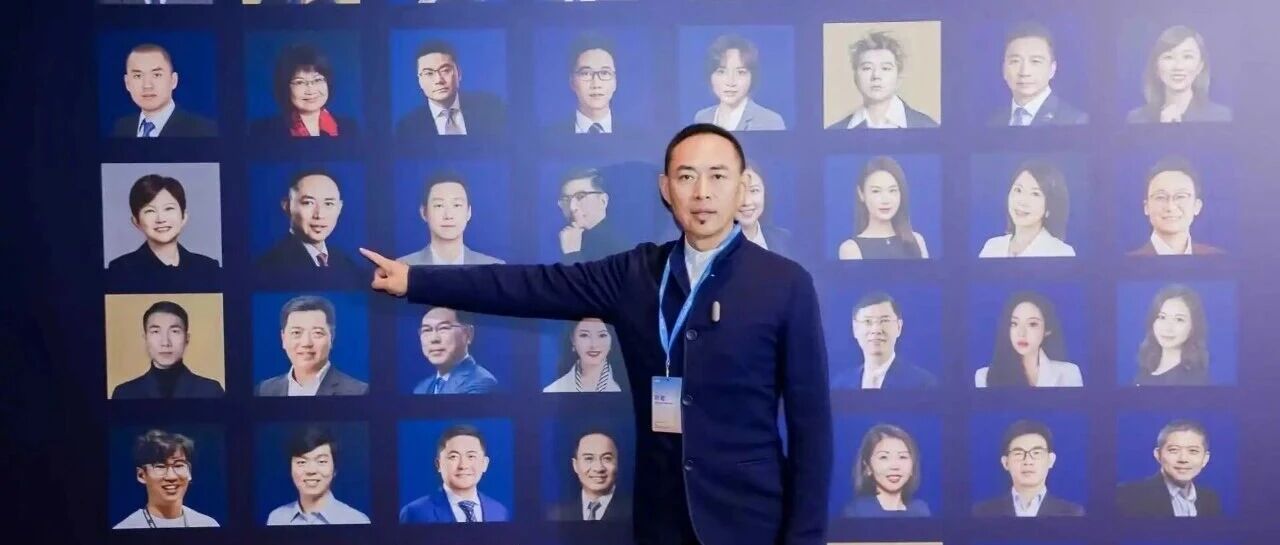
Core Viewpoint - Liu Yan, a prominent figure in the Chinese internet industry, has transitioned from being a pioneer in live streaming to exploring the potential of AI, emphasizing the importance of possibilities and the pursuit of freedom in entrepreneurship [1][4][25]. Group 1: Background and Early Career - Liu Yan graduated from Peking University and began his career as an investment analyst at Roberson Stephens & Co. in the U.S., viewing the internet primarily as an asset class [5]. - He participated in the listings of early internet companies like AsiaInfo and Sina, characterizing this period as the "Copy to China" era, where proven management practices and capital logic from the U.S. were introduced to China [5]. Group 2: Development of Live Streaming - In 2006, Liu Yan founded the live streaming platform Six Rooms, which became one of the most visited video websites in China, leveraging short video content to attract users [6]. - The competition in the early days was straightforward, focusing on acquiring a limited number of films and TV shows, with Liu signing nearly every available film to gain market share [6][10]. - The financial crisis in 2008 forced Liu to make tough decisions, including layoffs and cost-cutting, leading to a focus on product and team management rather than relying on external funding [7][12]. Group 3: Reflection on Live Streaming Industry - Liu Yan reflects on the commercialization of live streaming, acknowledging that the industry's shift towards entertainment and profit was partly his responsibility [11][14]. - He notes that the initial design of live streaming, which included features like virtual gifts and rankings, was driven by the need for quick monetization during financial struggles [13][14]. - The competitive landscape evolved, with platforms focusing on user scale and monetization efficiency, leading to a loss of innovation space in the industry [14][18]. Group 4: Transition to AI and New Ventures - Liu Yan has shifted his focus to AI, founding the 43 Group to explore the boundaries of prompt capabilities, emphasizing a fresh start and avoiding reliance on past experiences [21][28]. - He aims to create technology that can replicate human thought processes and personality traits, moving beyond mere visual or auditory imitation [20][21]. - Liu's approach to investment has changed, favoring small-scale, self-funded projects that allow for innovation without the constraints of traditional venture capital [28][29]. Group 5: Philosophical Reflections - Throughout his journey, Liu has contemplated the meaning of life and legacy, expressing a desire to create technology that preserves dignity and freedom rather than merely extending life [20][25]. - He believes that true freedom in entrepreneurship comes from the ability to choose one's path without the constraints imposed by external capital [25][26].
“直播教父”刘岩:我不是造浪的人,但浪来了要入水
Jing Ji Guan Cha Wang· 2025-12-28 03:33
Core Insights - Liu Yan, known as the "father of live streaming," reflects on the commercialization and entertainment focus of the industry, acknowledging his role in its development [4][9][10] - The evolution of the internet in China is traced from the "Copy to China" era to the current generative AI landscape, highlighting the shifts in business models and consumer behavior [5][6][14] - Liu Yan emphasizes the importance of exploring new possibilities and the need for innovation in a rapidly changing technological environment [5][21] Company Development - Liu Yan founded the live streaming platform Six Rooms in 2006, which became one of the most visited video websites in China, leveraging short video content and user engagement [7][14] - The financial crisis of 2008 forced Six Rooms to adapt by focusing on internal resources and exploring new revenue streams, leading to the successful implementation of live streaming [8][10] - Six Rooms achieved profitability in 2009, becoming the first profitable video website in China, but faced increasing competition from platforms like YY, Kuaishou, and Douyin [13][14] Industry Trends - The live streaming industry shifted towards a focus on monetization and entertainment, with mechanisms like virtual gifts and ranking systems becoming standard [11][13] - Liu Yan's departure from Six Rooms came during a peak in the live streaming business, as he sought to explore new avenues beyond human-dependent models [15][16] - The rise of generative AI has prompted Liu Yan to establish the 43 Group, focusing on the potential of AI and the exploration of new creative expressions [18][19] Future Directions - Liu Yan is exploring the concept of "digital resurrection," aiming to create digital representations of individuals that encompass their personality and memories [16][19] - The company is adopting a unique investment approach, focusing on small-scale, self-funded projects that prioritize innovation and creativity over traditional venture capital constraints [23][24] - Liu Yan's vision emphasizes the importance of allowing technology to foster diverse expressions and opportunities, moving away from the monopolistic tendencies of previous business models [24]

一场千万美元的赌注:造一个替你赚钱的“分身”
虎嗅APP· 2025-12-19 14:37
Core Viewpoint - The article discusses the evolution of Uare, a company transitioning from a digital legacy service to a personal AI platform, aiming to create AI avatars that enhance productivity and personal identity rather than merely serving as digital memorials [4][6][18]. Group 1: Company Background and Transition - Uare was formerly known as Eternos, a digital legacy service founded by Robert LoCascio, who has extensive experience in voice AI through his previous company, LivePerson [4][8]. - In November 2025, Eternos rebranded to Uare and secured $10.3 million in seed funding from Mayfield and Boldstart Ventures, with plans to fully launch by the end of 2025 [4][17]. - The shift in focus from digital legacy to personal AI was driven by customer demand for AI that can assist in work and enhance professional influence, rather than just serve as a digital companion for loved ones [6][16]. Group 2: Market Landscape and Competition - The personal AI market includes various players like Delphi, Replika, and ElevenLabs, each focusing on different aspects of AI applications, from emotional companionship to productivity enhancement [4][5]. - Uare's unique proposition is to create a digital avatar that not only preserves memories but also acts as a productivity tool, which is a departure from the current offerings in the digital legacy space [5][18]. Group 3: Technology and Business Model - Uare utilizes a proprietary framework called Human Life Model (HLM) to create personalized AI avatars based on individual user data, which allows for dynamic iteration and personalization [22][27]. - The business model includes a subscription service for users to create and utilize their AI avatars, as well as a revenue-sharing mechanism where Uare takes a percentage of income generated through the AI [27][28]. - Uare aims to transform personal knowledge and professional experience into digital products that can be monetized, thus enhancing the value proposition of personal AI [18][27]. Group 4: Challenges and Considerations - The transition to personal AI raises questions about the necessity of self-awareness in AI, as many existing AI agents in fields like customer service and law do not require personal characteristics to function effectively [29]. - Uare faces competition from specialized AI agents and large model companies, which may challenge its market position despite its focus on personalized models [29][30]. - Concerns regarding data privacy and user trust are significant, especially given the sensitive nature of the information required to build effective AI avatars [34][35].

要不要重新设计“我”:三个科技“天才”与一个人文学者的思想对抗
虎嗅APP· 2025-11-29 03:06
Core Viewpoints - The discussion revolves around the implications of AI and technology on human identity and existence, questioning whether humans can maintain their essence in the face of advanced AI and biotechnology [2][3][4]. Group 1: AI and Human Identity - The panelists explore how AI and technology redefine human existence, with a focus on AI in healthcare, brain-computer interfaces, and synthetic biology [4][5]. - Wang Xiaochuan views AI as an integral part of human civilization, suggesting that future human history will be co-written with AI [4][5]. - Tao Hu emphasizes the brain's central role in defining humanity, arguing that enhancing human capabilities through technology is essential for survival in an intelligent competition [4][8]. Group 2: Ethical and Philosophical Considerations - The conversation raises ethical questions about the implications of consciousness transfer and the potential loss of individuality if consciousness can be digitized [11][12]. - Meng Fankang discusses synthetic biology's potential to redefine what it means to be human, suggesting that it could lead to healthier lives but also risks altering human identity [12][13]. - Hu Yong warns that the rapid advancement of AI could lead to a loss of human control, drawing parallels to historical technological developments that had unforeseen consequences [23][24]. Group 3: The Future of Human-AI Interaction - The panelists express concerns about the increasing decision-making power of AI, with Wang Xiaochuan noting that humans may become mere executors of AI decisions [21][22]. - Tao Hu highlights the importance of improving communication between humans and AI to enhance societal progress [18][19]. - Meng Fankang presents a vision where AI aids in human evolution and adaptation, potentially expanding human capabilities [29]. Group 4: The Role of Ethics in Technological Advancement - The discussion emphasizes the need for ethical frameworks to guide the development of technologies like synthetic biology and AI, ensuring that advancements do not compromise human values [26][27]. - The panelists agree that while technology can enhance human life, it must be approached with caution to avoid ethical pitfalls [13][26]. - Hu Yong suggests that the concept of "responsible life design" is paradoxical, as once life is engineered, the notion of responsibility may become irrelevant [25].