新国补

Search documents
晶采观察丨焕新热潮!“新国补”落地首月 点燃消费升级新活力
Yang Guang Wang· 2026-02-08 12:54
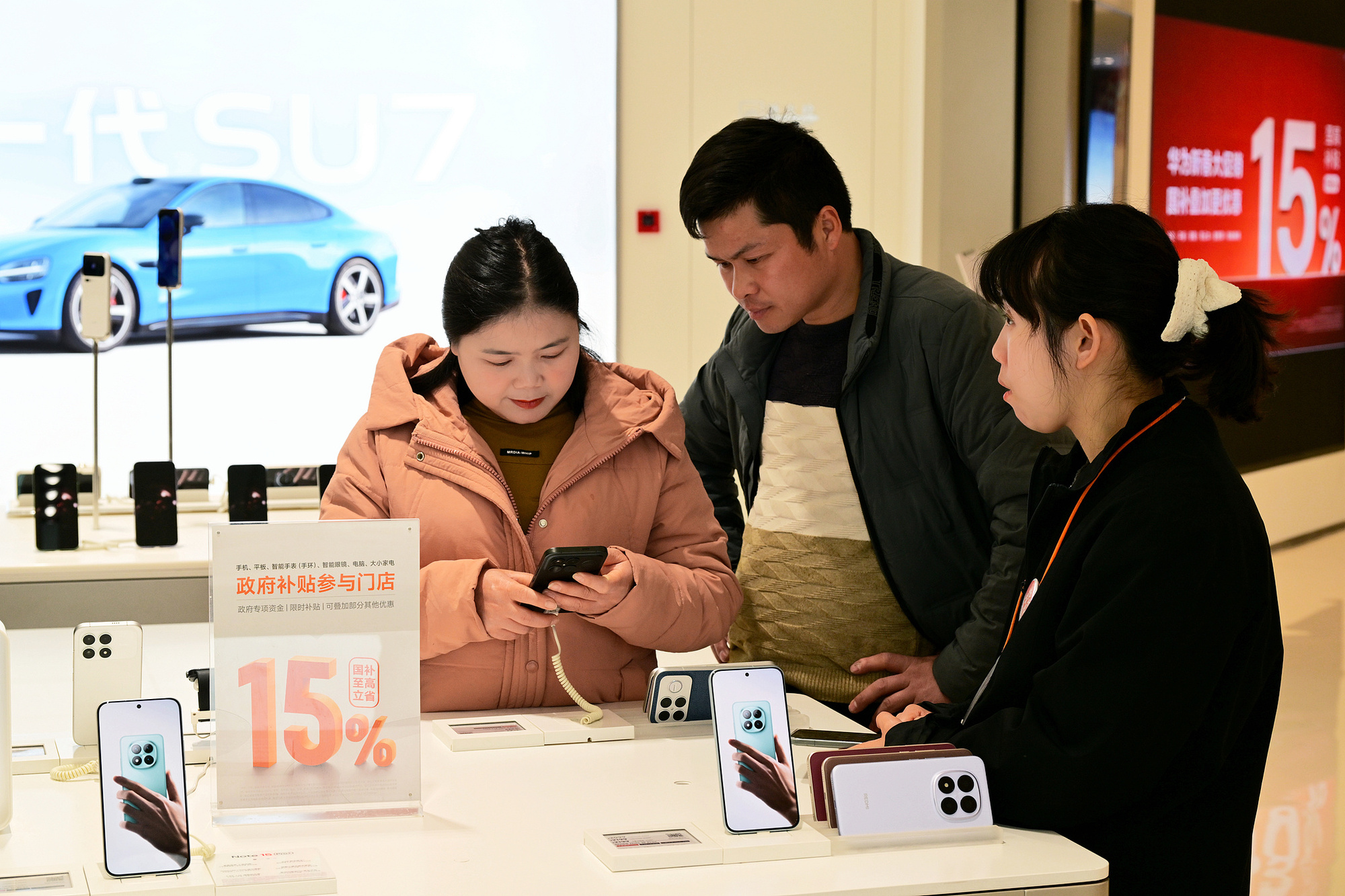
Group 1 - The core viewpoint of the article highlights the implementation of the "New National Subsidy" policy for replacing old consumer goods, which has sparked a consumption renewal trend, benefiting 16.13 million people and generating sales of 92.56 billion yuan in its first month [1][8] - The "New National Subsidy" policy is particularly effective as it coincides with the pre-Spring Festival consumption peak, creating a favorable market environment for old-for-new exchanges and diverse consumption [3][6] - The subsidy amounts are significant, with up to 20,000 yuan available for replacing old vehicles with new energy vehicles and various other incentives for purchasing new cars and appliances [4][3] Group 2 - The policy encourages consumers to purchase energy-efficient and smart products, leading to a shift in consumer preferences towards innovative and environmentally friendly appliances, which in turn drives manufacturers to invest more in research and development [7][6] - The combination of the subsidy policy and upgraded one-stop services facilitates a seamless experience for consumers, enhancing the appeal of new purchases and contributing to a boost in consumption [6][7] - The government is actively monitoring and regulating the market to prevent fraudulent practices related to subsidies, ensuring that the benefits of the policy reach consumers effectively [7][6]

“新国补”实施首月带动产销两旺
Zhong Guo Qi Che Bao Wang· 2026-02-05 09:08
Core Insights - The implementation of the "New National Subsidy" policy has led to a significant increase in consumer participation in the trade-in program, benefiting 16.13 million people in its first month [1] - The total sales from the trade-in program for automobiles, home appliances, digital, and smart products reached 92.56 billion yuan [1] - The combination of the "New National Subsidy" and the Spring Festival promotional offers has created a surge in consumer enthusiasm for upgrading products [1] Summary by Category - **Policy Implementation** - The 2026 consumer goods trade-in policy has been fully rolled out, contributing to a nationwide trend of product upgrades [1] - **Consumer Impact** - The trade-in program has positively impacted over 16 million consumers, indicating strong market engagement [1] - **Sales Performance** - Sales figures from the trade-in initiative reached 92.56 billion yuan, showcasing robust demand across various product categories [1]
“新国补”实施首月 带动产销两旺 各地掀起“焕新潮”
Yang Shi Wang· 2026-02-04 23:17
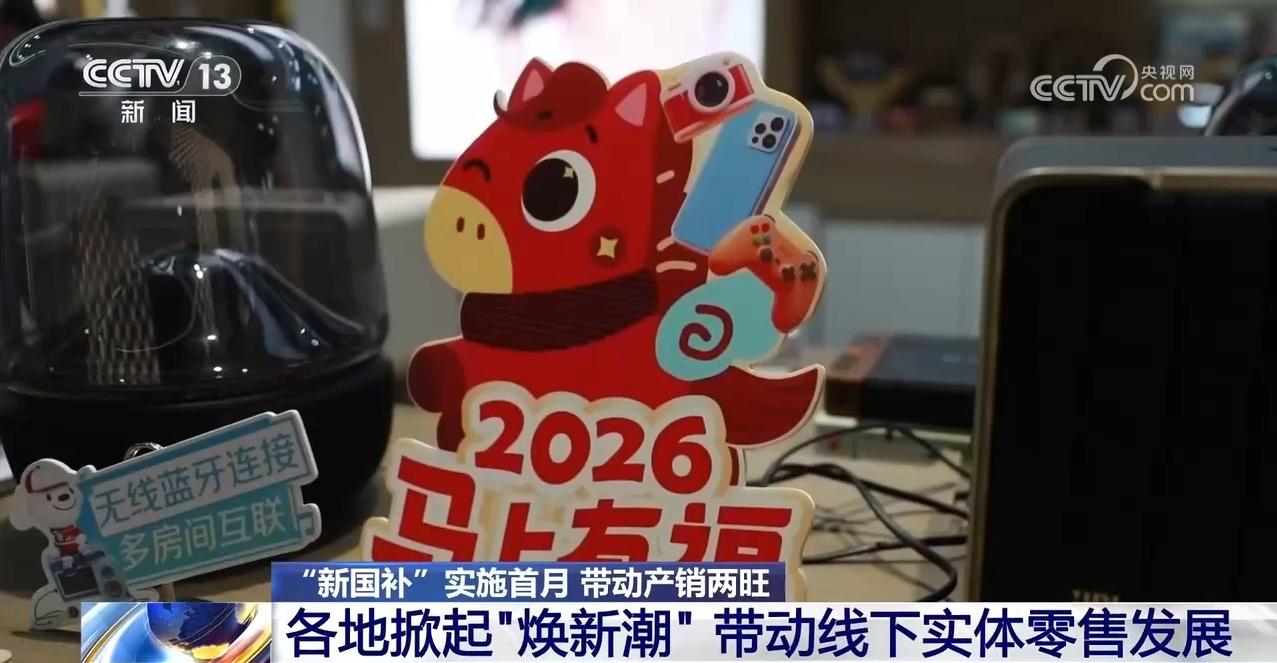
Group 1 - The core viewpoint of the article highlights the significant impact of the "New National Subsidy" policy, which has led to a surge in consumer participation in the trade-in program, benefiting 16.13 million people and generating sales of 92.56 billion yuan in various consumer goods [1][3]. - The implementation of the "New National Subsidy" has fully rolled out, creating a strong consumer enthusiasm for upgrading products, especially during the festive season [3]. - The policy is driving growth in offline retail, with a notable increase in foot traffic and sales performance, particularly in the home appliance and digital product sectors, which saw nearly 80% of new purchases coming from trade-ins, reflecting a year-on-year growth of approximately 20% [5]. Group 2 - The continuous release of policy benefits is fostering cross-scenario consumption in leisure, transportation, and specialty dining, establishing a positive cycle of trade-ins and diversified consumer spending [5].
新华视点丨多元赛道协同发力 激活消费市场新动能
Xin Hua Wang· 2026-01-30 09:40
Group 1: Silver Economy - The silver economy is projected to reach a scale of over 30 trillion yuan by 2035, driven by an aging population expected to exceed 400 million people [1][6] - There is a shift from "passive elderly care" to "active enjoyment of aging," indicating a transformation in consumer behavior towards a more vibrant and fulfilling lifestyle for the elderly [1] - Companies in regions like Zhejiang are developing over 200 elderly-friendly cognitive toys, focusing on social interaction and competitive enjoyment rather than just physical exercise [3] Group 2: Automotive Industry - A new round of national subsidies for vehicle replacement has been implemented, allowing for higher subsidies based on the price of new vehicles, with a maximum of 20,000 yuan for scrapping old cars and 15,000 yuan for trade-ins [8] - In Baoding, Hebei, over 290 car sales enterprises participated in the vehicle replacement program, with a total subsidy fund of 14.652 million yuan allocated in the first two months of the year [10] - In Linyi, Henan, 55 well-known car brands collaborated to launch promotional activities, resulting in a booming automotive market [11] Group 3: E-commerce Development - The "One Product, One Broadcast" initiative in Guantao County, Hebei, has led to innovative live-streaming sales directly from agricultural bases, enhancing consumer engagement and product visibility [13][15] - The county has established a closed-loop mechanism for quality assurance, including factory inspections and post-sale follow-ups, while training over 4,000 individuals to become professional live-streaming hosts [15] - This initiative reflects a broader trend of leveraging live commerce to boost local economies and enhance the quality of county-level industries [15]

消费“新”图景|“新国补”点燃新热潮 智慧生活“加速跑”
Xin Hua Wang· 2026-01-30 07:35
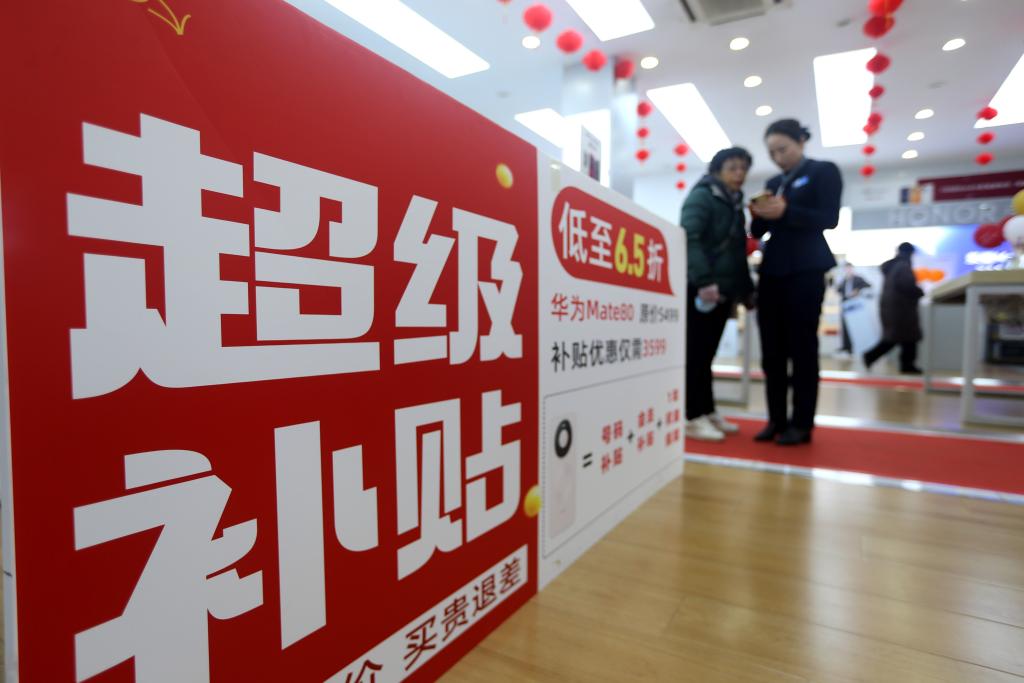
Group 1 - The core viewpoint of the articles highlights the launch of the "New National Subsidy" policy, which aims to rejuvenate the consumer market by promoting the trade-in of old consumer goods for new ones, aligning with the needs of the public and trends in consumption upgrades [1] - The subsidy program extends to digital and smart products, including smart glasses and smart home devices, with consumers eligible for a 15% subsidy on the purchase price of certain products, capped at 500 yuan per item [1] - The smart glasses market is projected to experience explosive growth, with forecasts indicating that by 2026, the shipment volume in China will reach 4.5 million units, representing a year-on-year increase of 77% [2] Group 2 - The "New National Subsidy" policy is expected to drive a new wave of consumer interest in smart wearable devices, particularly smart glasses and smartwatches, contributing to a significant shift in consumer behavior [2] - The initiative reflects a dual approach of industrial upgrading and enhancing the quality of life for consumers, creating a new landscape for consumption [6]
多地部署2026“新国补”,汽车以旧换新有望延续
第一财经· 2025-12-24 14:12
Core Viewpoint - The article discusses the continuation of the "National Subsidy" policy in 2026, focusing on the "Two New" (large-scale equipment updates and consumer goods trade-ins) initiatives to stimulate domestic consumption and the automotive market [3][6]. Group 1: Policy Implementation - The central economic work conference emphasized the need to optimize the implementation of the "Two New" policy, with a focus on supporting consumer loans and service industry loans [3][6]. - Over five cities have begun selecting service enterprises for the trade-in platform, indicating a structured approach to implementing the 2026 automotive trade-in subsidy [3][5]. Group 2: Market Impact - The "Two New" policy has significantly boosted the domestic automotive market, with over 11.2 million vehicles traded in under the program in 2025, contributing to a sales increase of over 2.5 trillion yuan [5][12]. - The new automotive trade-in policy is expected to continue driving consumption, particularly in the high-end vehicle segment, which has seen a notable increase in demand [12]. Group 3: Risk Management - Selected enterprises for the trade-in subsidy must enhance risk control measures to prevent issues such as fraudulent applications and misuse of subsidy funds [4][9]. - The article highlights past issues with subsidy fraud, including cases where funds were improperly allocated due to lax auditing processes [10][11]. Group 4: Future Outlook - The total subsidy amount for 2025 is projected to reach 165 billion yuan, with an expected increase in actual sales volume by 3.66 million vehicles [12]. - The automotive industry is anticipated to face a demand overshoot in the first quarter of 2026, as the new energy vehicle purchase tax policy is set to decline [12].